What to Plant in September: Vegetables, Flowers, and Herbs
September is the perfect time to take advantage of cooler weather in the garden, starting vegetables, flowers, and herbs. Gardening expert Madison Moulton lists the best crops to plant now.

Contents
As the heat of summer winds down, spending time in the garden is a much more pleasant experience. And if you haven’t started your fall garden prep yet, now is also your last chance before the season kicks in.
Depending on your region, the soil is usually still warm for quick germination in September, but cooling air temperatures later in the month create perfect growing conditions for crops that struggle in summer heat. What you can plant in September does depend on your climate, so make sure you check your frost dates before you lock in any decisions.
Here are the vegetables, flowers, and herbs to plant in September. Some will reward you with harvests into fall, others next spring or beyond.

Long Standing Santo Cilantro

Long Standing Santo Cilantro / Coriander Seeds
Vegetables
Fall is a great time in the vegetable garden, whether you want quick harvests before frost sets in or cold-tolerant favorites to survive until winter.
Easter Egg Blend Radish
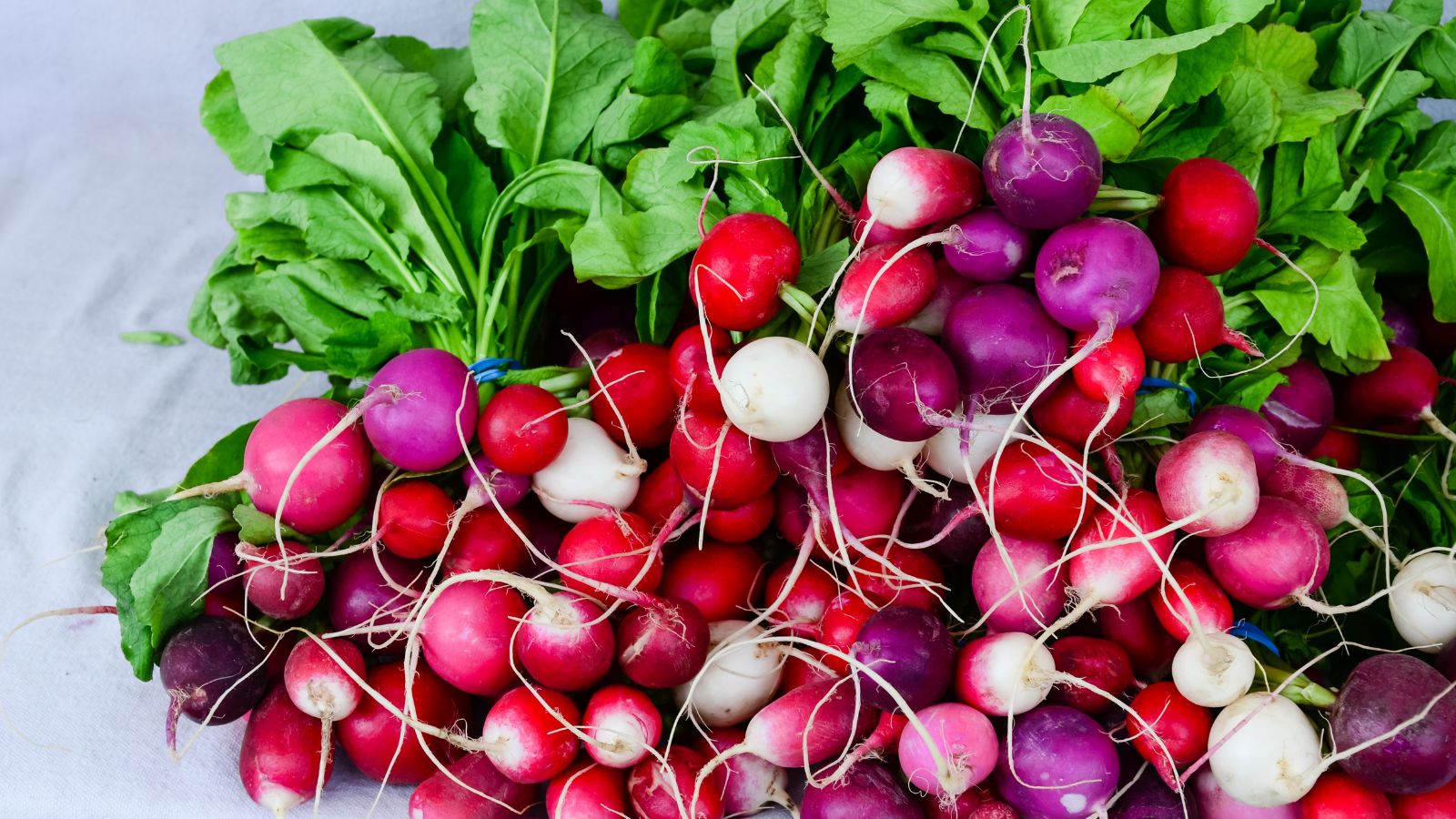
Radishes bring fun to fall gardens, particularly the Easter Egg blend with a mix of colorful roots that look like (you guessed it) Easter eggs. The variety certainly lives up to its name, as you never know what color you’ll pull from the soil.
Easter Egg radishes mature in just 25-30 days, making them perfect quick fall crops. If you plant in September, you’ll get crisp, mild roots without the heat-induced bite that summer radishes often develop. The compact size makes them perfect for filling empty spaces between other vegetables.
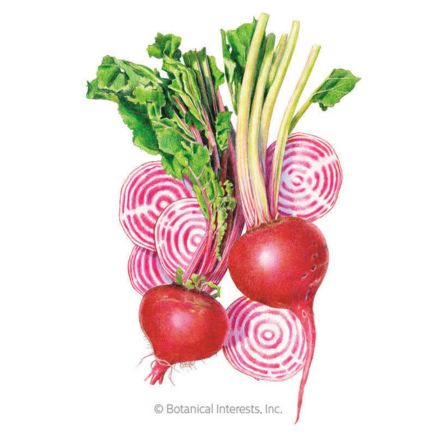
Chioggia Beet
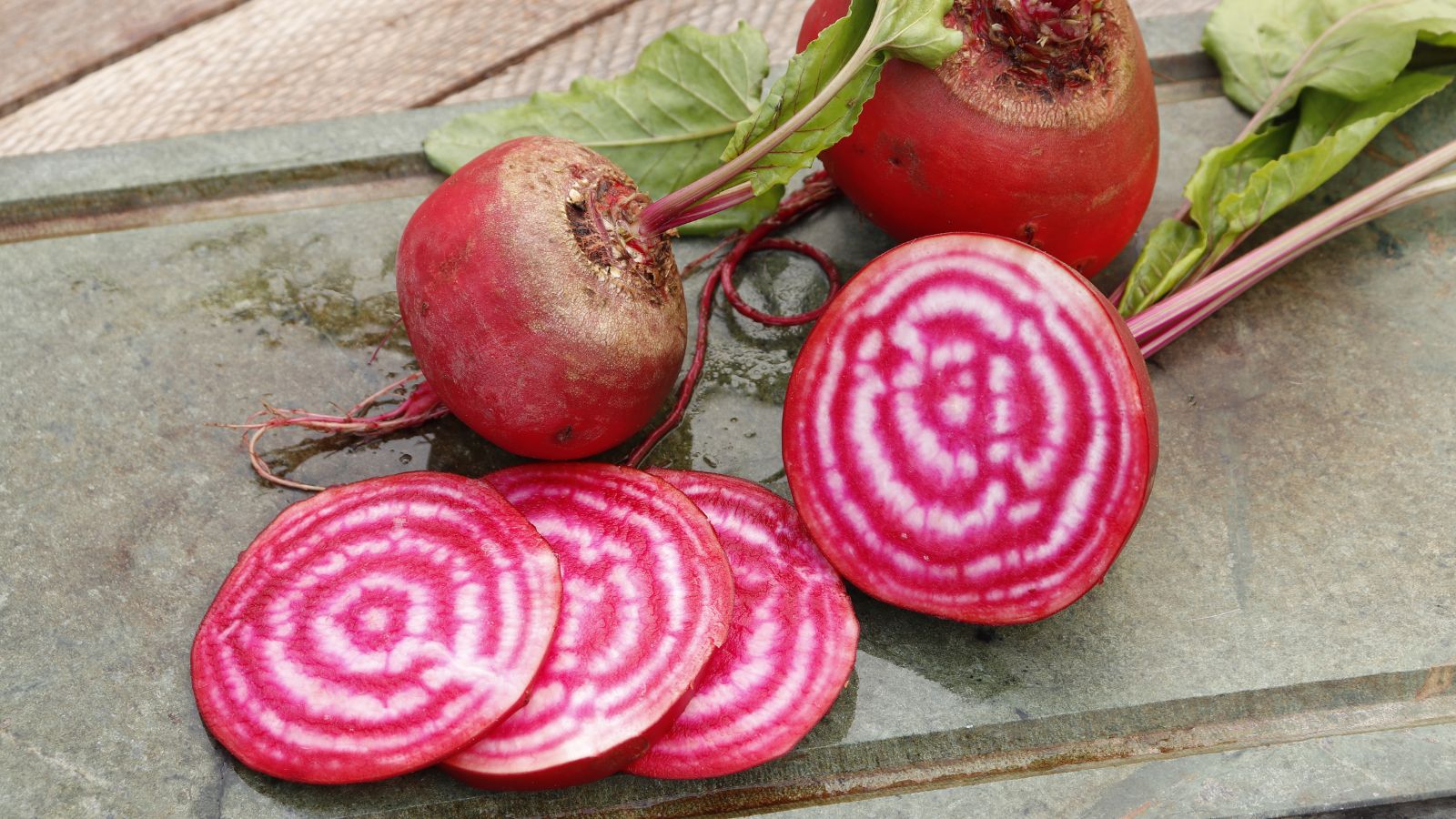
Another fun and colorful root, Chioggia beets have distinctive red and white striped interiors that look like target patterns when sliced. They’re the ideal addition to salads that need a pop of color or a boost of nutrients.
Beets can get woody in warm weather. Luckily, Chioggia beets develop sweet, tender roots when grown in fall’s cooler temperatures. They typically need 50-60 days to mature, meaning harvest time will be in late October or November.
Rapini Broccoli Raab
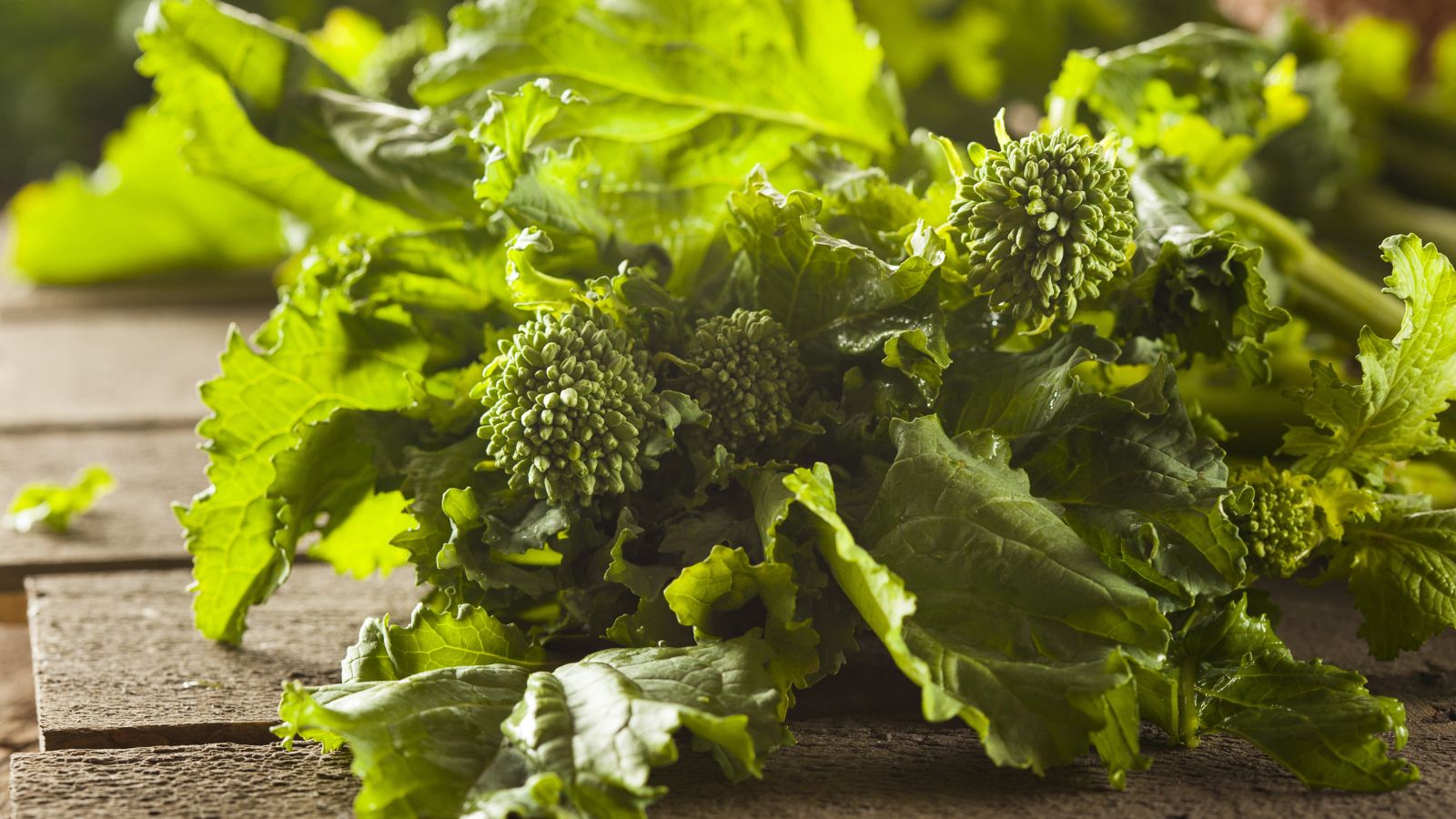
Rapini is a faster, easier broccoli option perfect for fall growing. This Italian favorite produces small florets and tender stems that are ready to harvest in just 40-50 days from seed. Fellow impatient gardeners, this one certainly won’t disappoint if you plant in September.
Plant seeds about half an inch deep in fertile, well-drained soil. The plants don’t need as much space as regular broccoli since you don’t have to wait for large heads to form. Harvest when flower buds are visible but still tight. Once flowers open, the stems become tough and bitter.
Belstar Broccoli

Belstar loves the cold more than most crops, producing side shoots after the main head is harvested that give you plenty to work with in fall. The variety matures in about 65-70 days, making September planting perfect for late October or November harvests (to go along with your beets).
Space plants around 18 inches apart since they need room for proper head development. Consistent watering is crucial during the establishment period, so don’t forget to water after you get them in the ground.
Mizuna Mustard
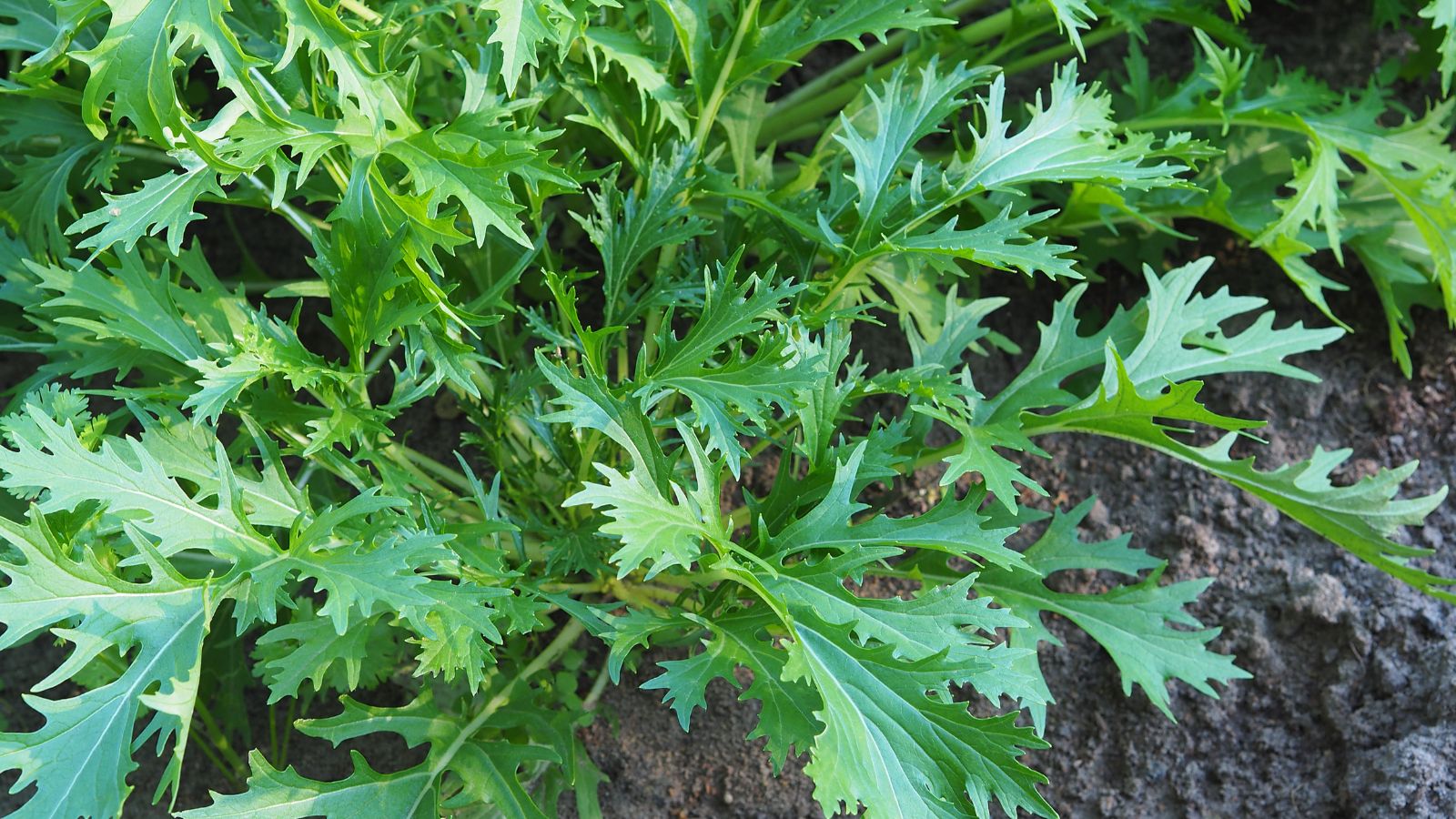
Unlike some mustards that can be quite spicy, mizuna stays relatively mild and works well in both cooked dishes and raw salads. The cut-and-come-again growth habit also means you can harvest outer leaves repeatedly while the center keeps producing new growth. This extends the harvest period significantly compared to crops you harvest all at once (as long as your climate allows).
Mizuna handles frost well and often continues producing through several light freezes. The flavor becomes a little sweeter and less peppery than that of heat-stressed plants.
Red Acre Cabbage
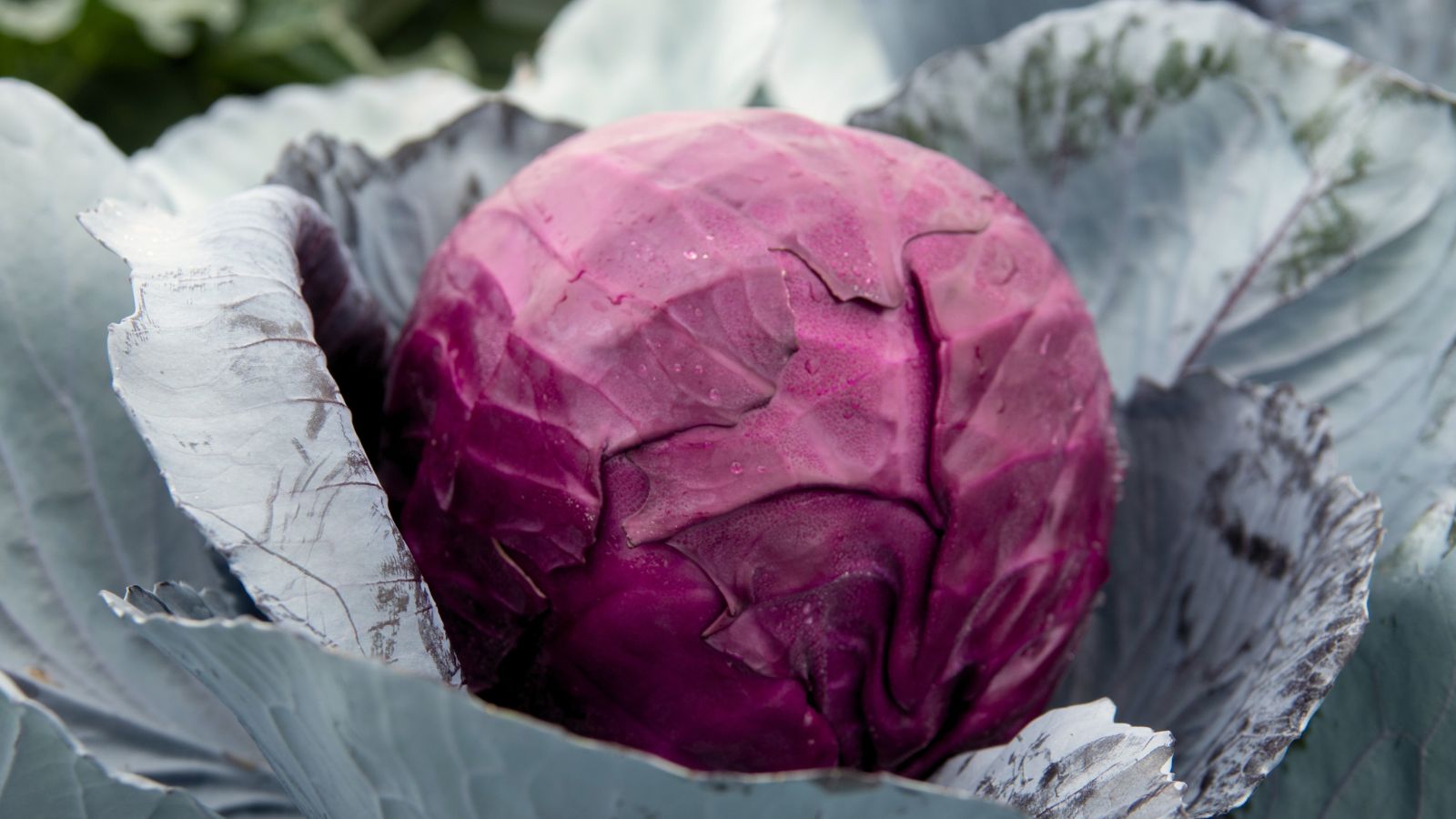
For another garden pop of color, this compact cabbage produces purple-red heads perfect for fall harvests. They are delicious eaten fresh, but also store for quite a while to give you plenty to work with in fall.
Red Acre typically needs 70-80 days to form full heads, but you can harvest smaller heads earlier if needed for those in colder climates. The variety is quite cold-tolerant and can handle several frosts before significant damage occurs.
White Lady Turnip
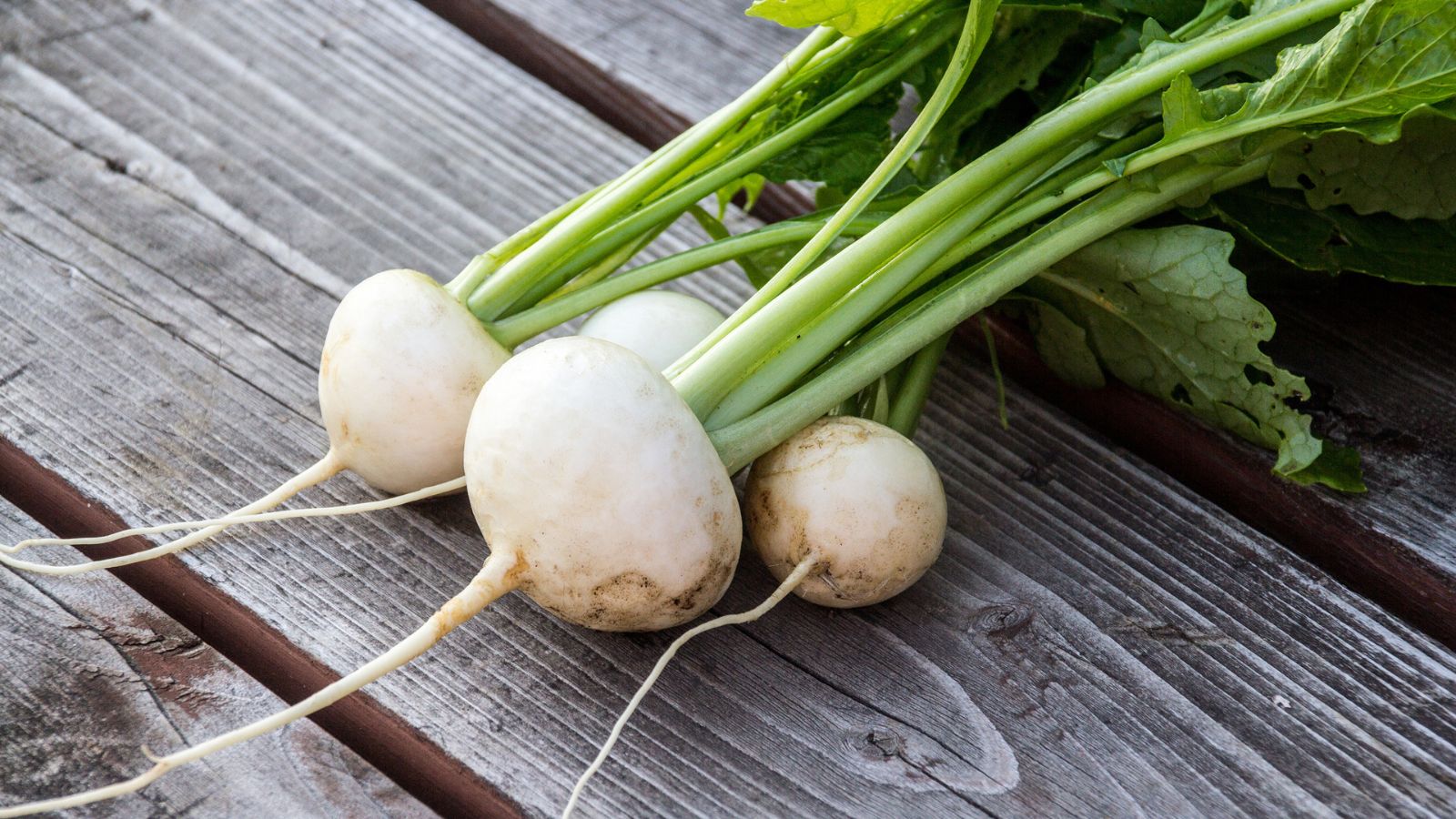
These Japanese salad turnips produce small, sweet roots that can be eaten raw or cooked. They are ready for harvest in just 35-40 days from seed. This quick turnaround makes them perfect for succession planting every couple of weeks through fall.
Both roots and greens are edible, with the greens being particularly tender when plants are young. Harvest turnips when they’re a couple of inches in diameter for the best flavor and texture. The sweet, crisp roots work beautifully in stir-fries or eaten fresh like radishes.
Romanesco Cauliflower

Romanesco is undoubtedly a conversation piece in both gardens and kitchens. This striking cauliflower produces heads with spiral patterns that don’t even look edible. And September is your last chance to plant for most climates.
Romanesco needs about 80-90 days to develop its distinctive heads. Space plants 24 inches apart and provide consistent moisture during establishment. Steam or roast it to preserve the striking appearance and unique flavor.
Cosmic Purple Carrots
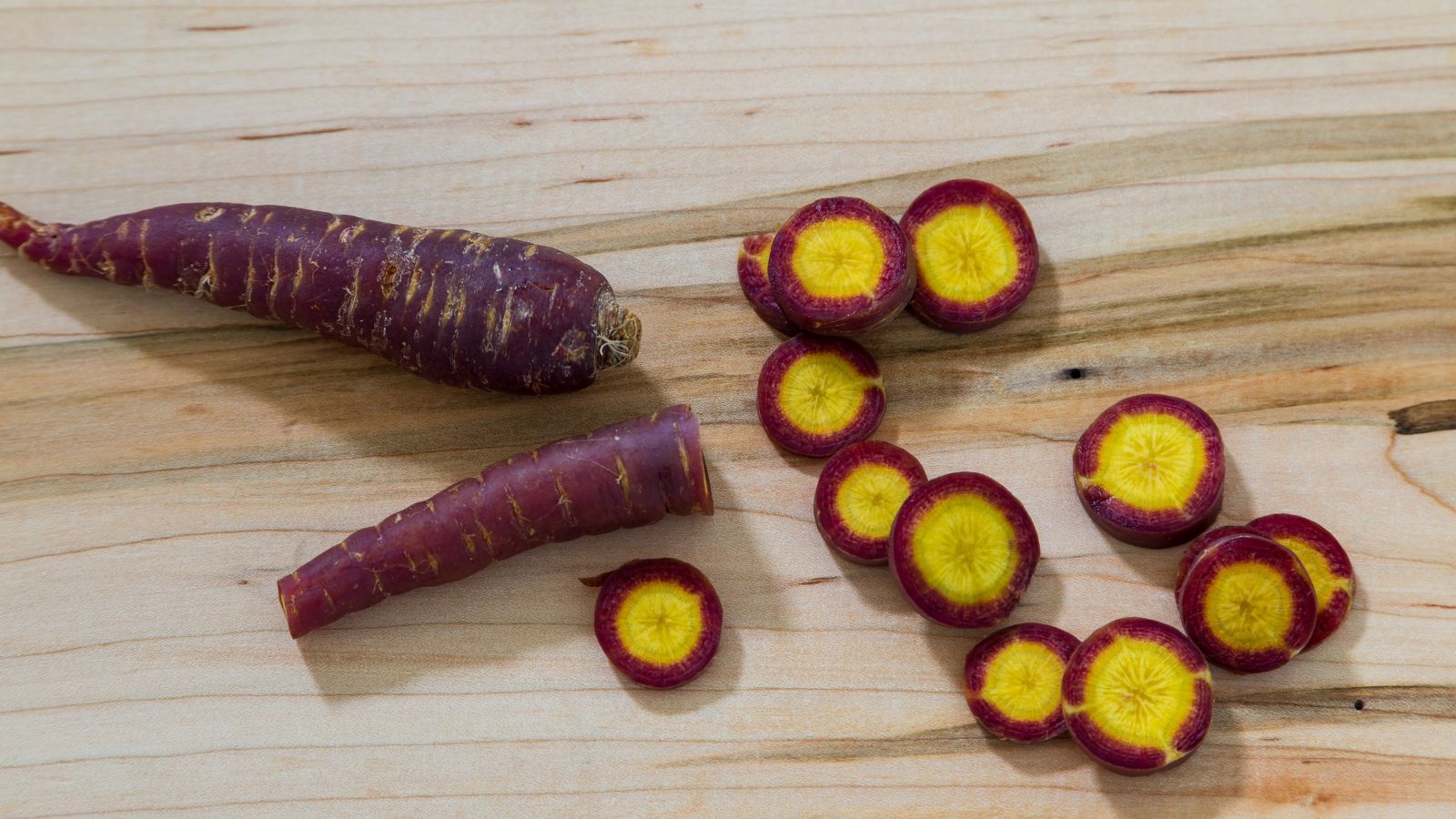
Who needs to grow regular orange carrots when you can have purple ones? The purple pigments that give these carrots their color are antioxidants that brighten in cool weather conditions. You’ll struggle to find these ones in store, so make sure you plant them this September.
Cosmic Purple carrots need about 70 days to full maturity, but you can harvest baby carrots much earlier if needed. Direct seed in loose, well-prepared soil since carrots don’t transplant well. These carrots often taste sweeter when harvested after a few light frosts than they do in warm weather.
Bloomsdale Spinach
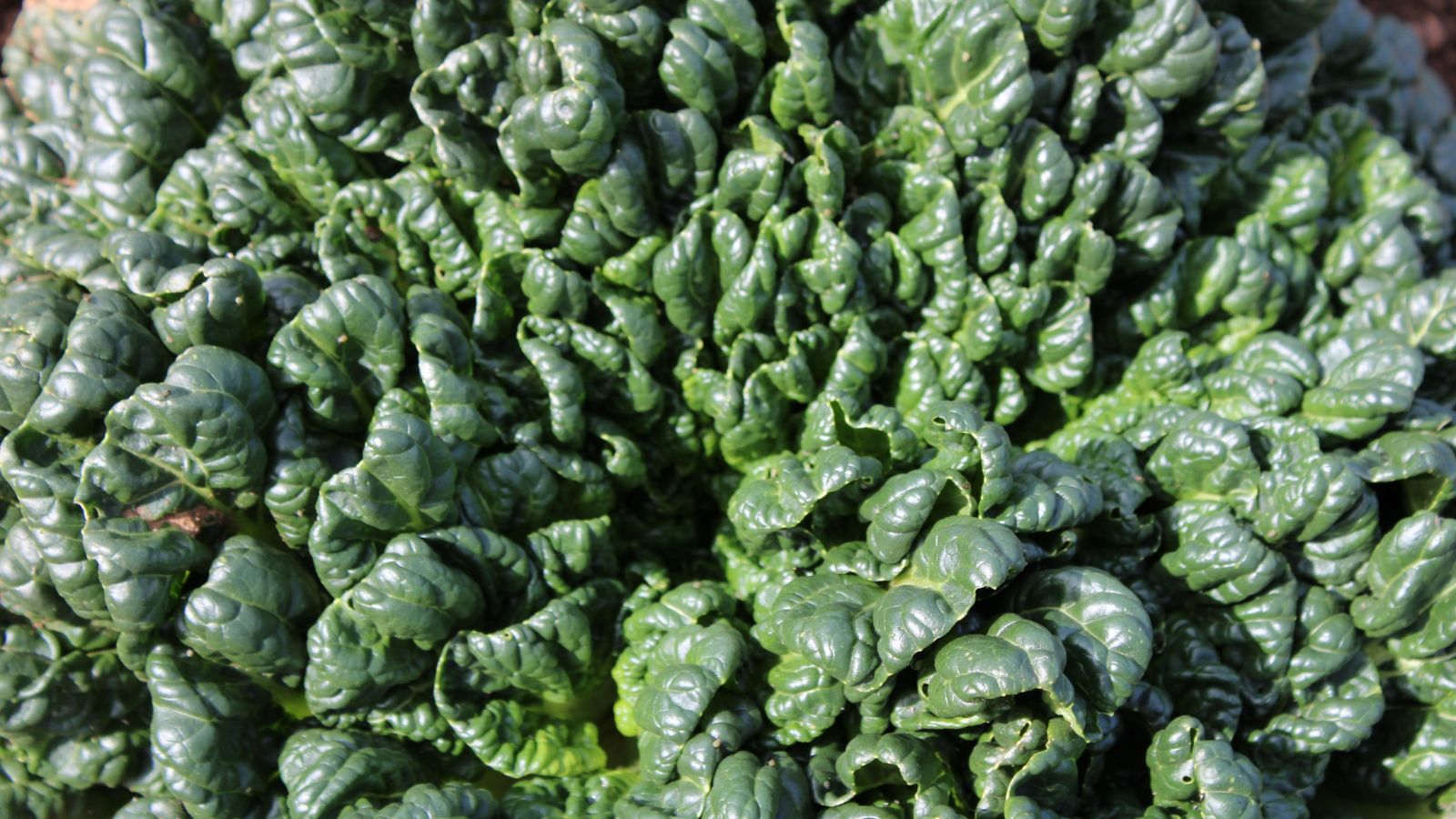
This heirloom spinach variety produces thick leaves that handle cold weather well. The heavily textured leaves also hold up well to cooking, adding substance to soups and stews (along with their impressive nutritional value).
Bloomsdale typically takes 40-50 days to full maturity, but you can start harvesting baby leaves much earlier. It handles frost exceptionally well and often survives temperatures into the low 20s with minimal protection. This cold tolerance makes it excellent for extending the harvest season when you plant in September.
Ice Queen Lettuce

Ice Queen forms dense, compact heads with excellent flavor and texture even in challenging conditions. You can also harvest outer leaves earlier for continuous production if your region has a shorter growing season. The heads stay sweet and typically don’t develop bitterness even when temperatures fluctuate.
Consistent moisture is important during establishment, but avoid overwatering once plants are settled. Ice Queen handles light frosts well and often continues producing into early winter with minimal protection.
Tokyo Long White Onion
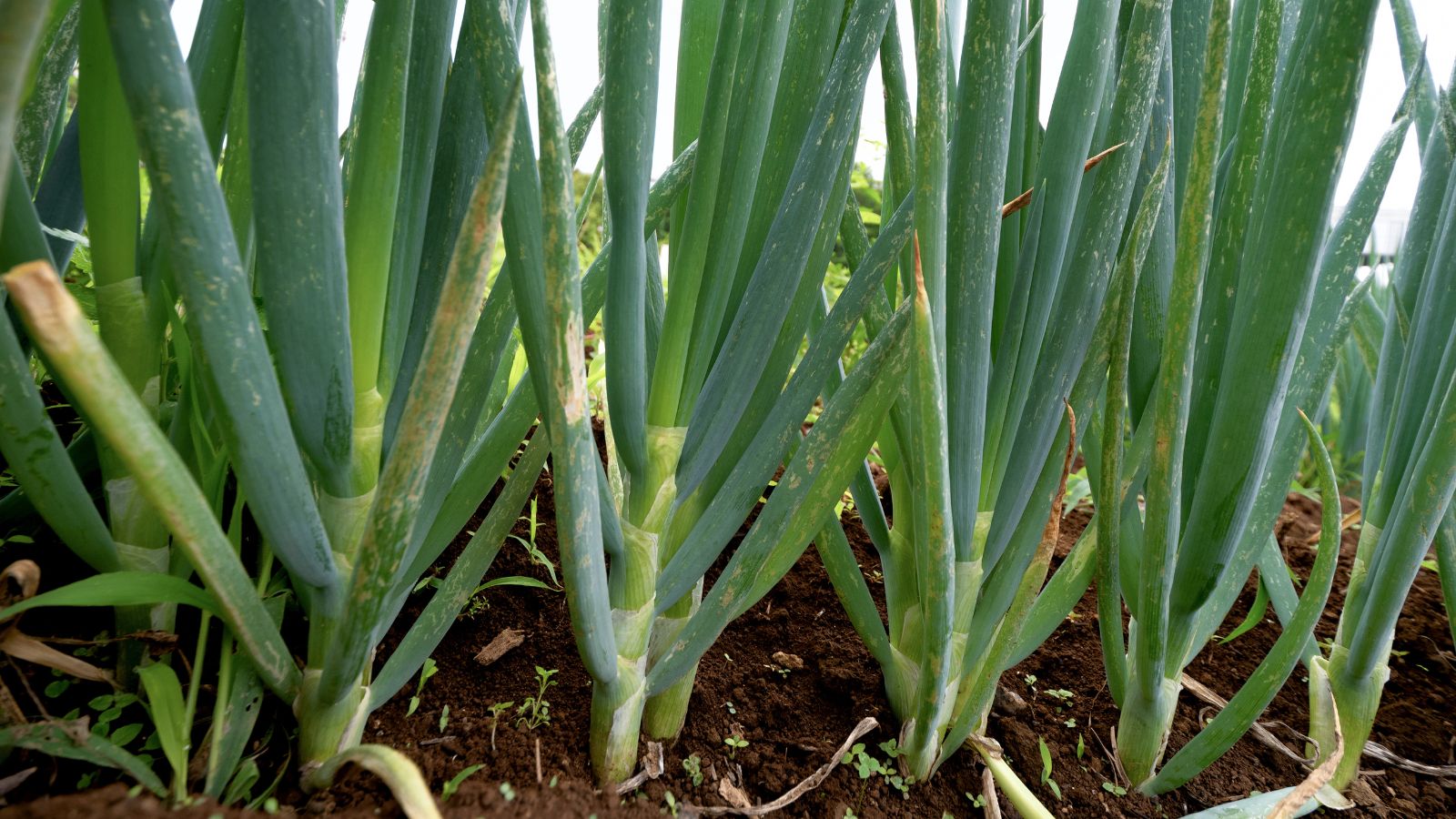
These bunching onions produce long, white stems perfect for cooking and garnishing. Unlike storage onions that form bulbs, Tokyo Long White can be harvested repeatedly for a mild oniony flavor in fall and winter dishes.
The variety is extremely cold-hardy and often survives winter in many climates to continue producing in spring. This makes it particularly valuable to plant in September, since you get harvests now and potentially again next year.
Flowers
Falling temperatures and increasing moisture create ideal conditions for blooms that struggle during summer’s intensity.
Johnny-Jump-Up Viola

If you’re looking for cottage garden charm in fall, these flowers are the ones to plant in September. The tiny flowers come in classic purple and yellow combinations that seem to have personalities of their own. Each bloom appears to have a little face, making them favorites with children.
Scatter seeds directly where you want them to grow or sow in trays and transplant later. They’ll germinate quickly in September soil and will be blooming by October in most areas. Expect these tough little flowers to survive freezing temperatures and continue blooming in tough climates.
Indian Summer Black Eyed Susan
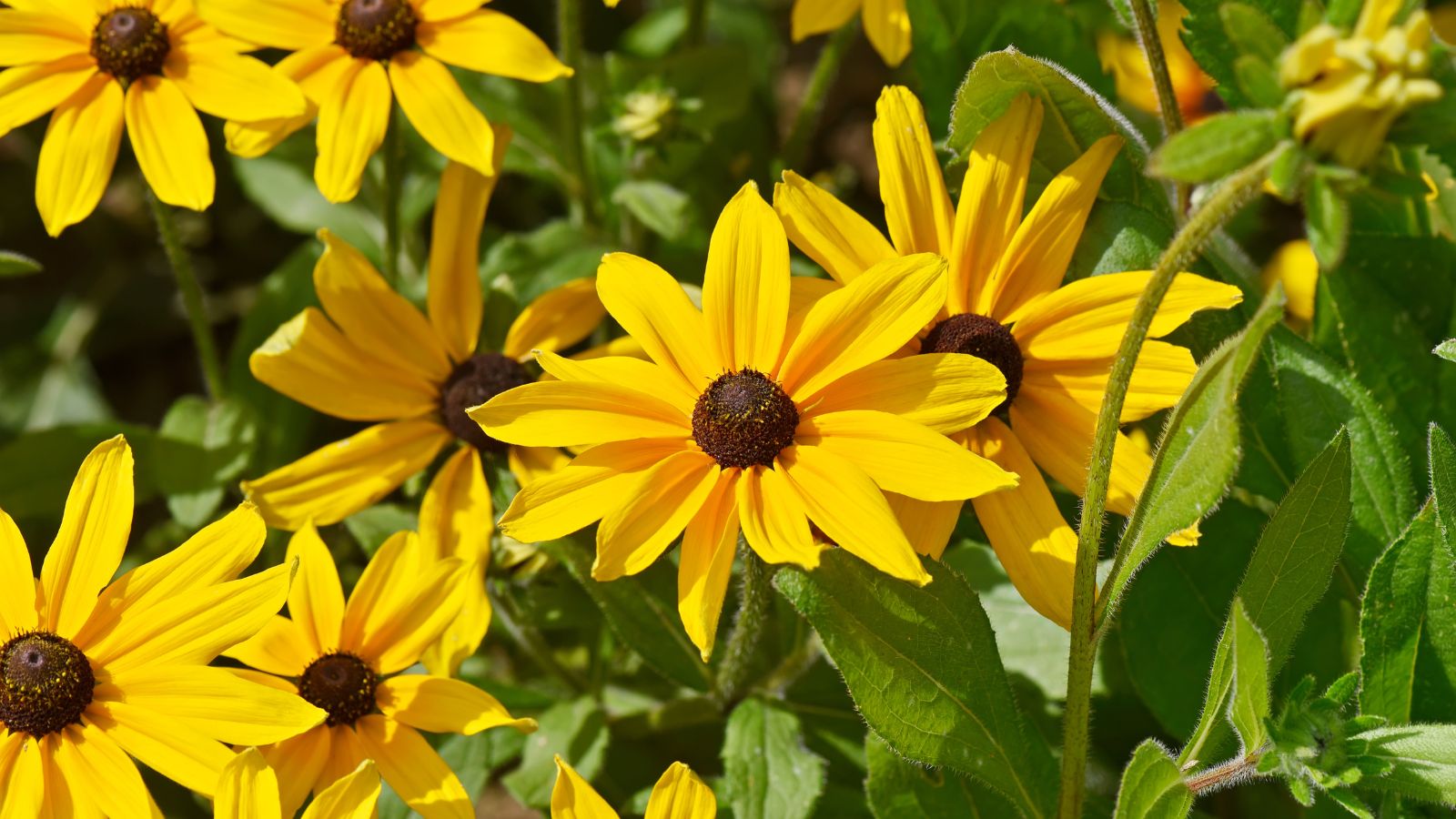
The golden blooms of this native flower create classic fall combinations with ornamental grasses and other autumn bloomers. Plants typically reach 24-30 inches tall with sturdy stems that rarely need staking.
It’s better to start with transplants for September planting since seeds take a while to establish. In mild climates without frost, plant seeds early in September. Plant in an area with full sun and decent drainage.
Swiss Giants Blend Pansy
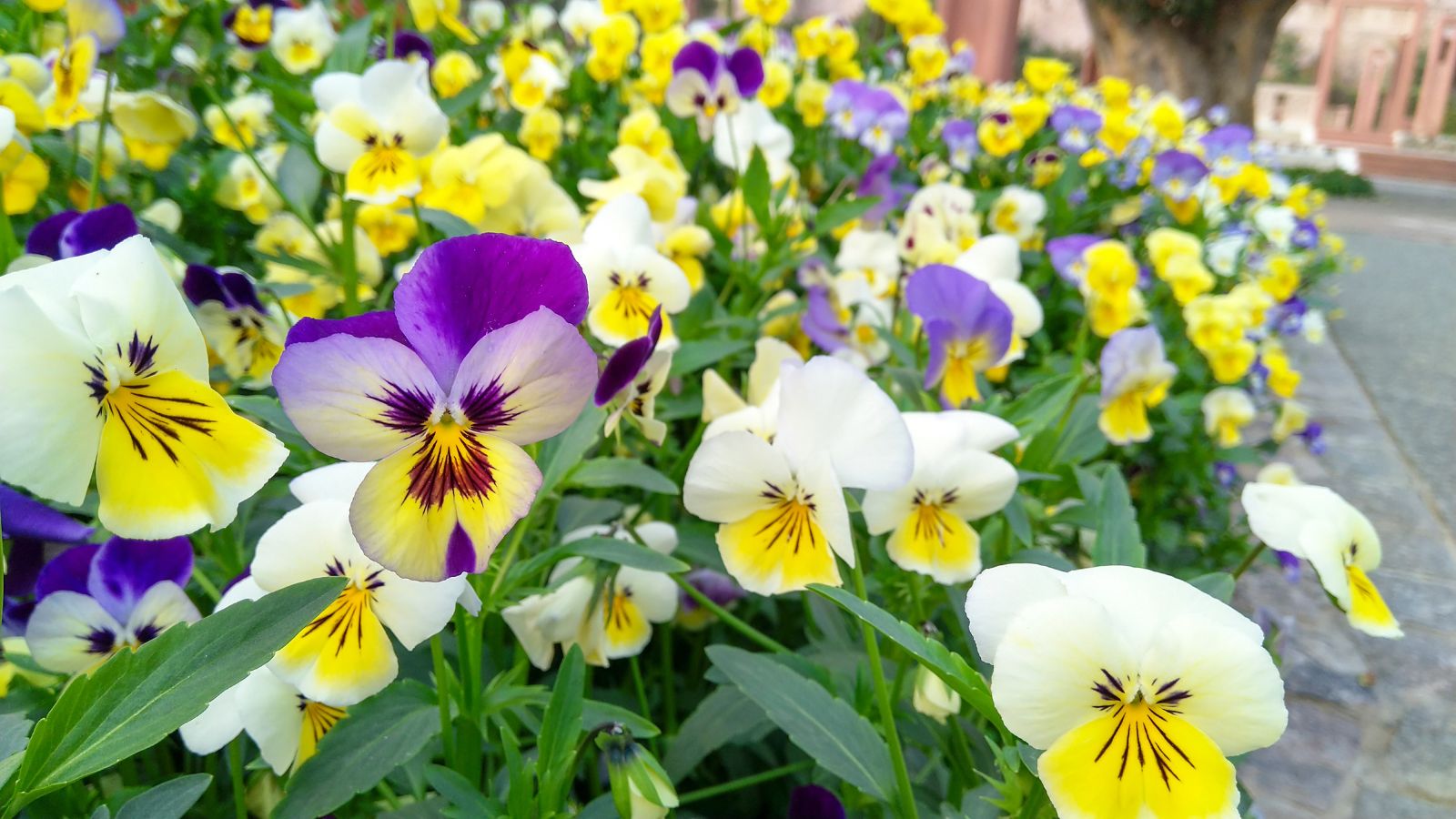
‘Giant’ is an apt name for this flower. Their larger faces distinguish these pansies from smaller viola types. The Swiss Giants mix includes deep purples, bright yellows, and rich oranges that really stand out in cooler temperatures.
Fall-planted pansies establish in ideal conditions and bloom during their preferred cool weather. The large flowers make impressive displays, particularly in containers where you can keep them on a patio or balcony close to the home.
Orange California Poppy

Another beautiful native flower to plant in September, drought-tolerant California poppies thrive when planted before winter kicks in. They don’t mind poor soil, so they’re great for filling gaps in beds where fussier plants struggle to establish.
Direct seeding works better than transplants since poppies develop deep taproots. Scatter seeds on prepared soil and barely cover them, as they need light to germinate. September-planted poppies can bloom through winter in warm climates and provide early spring color in colder areas.
Fairy Bouquet Linaria

Like violas, linaria is perfect for cottage gardens and cutting gardens, too. The delicate spikes bloom continuously once established, bound to become your favorite blooms to look forward to. Individual flowers are tiny but appear in such abundance that they create clouds of color from a distance.
The seeds are extremely small and should be barely covered when planting. Sow in trays or start with transplants for more control over where they end up in your garden. September is later than usual for planting, but those in warmer regions won’t have any trouble.
Crystal Palace Lobelia
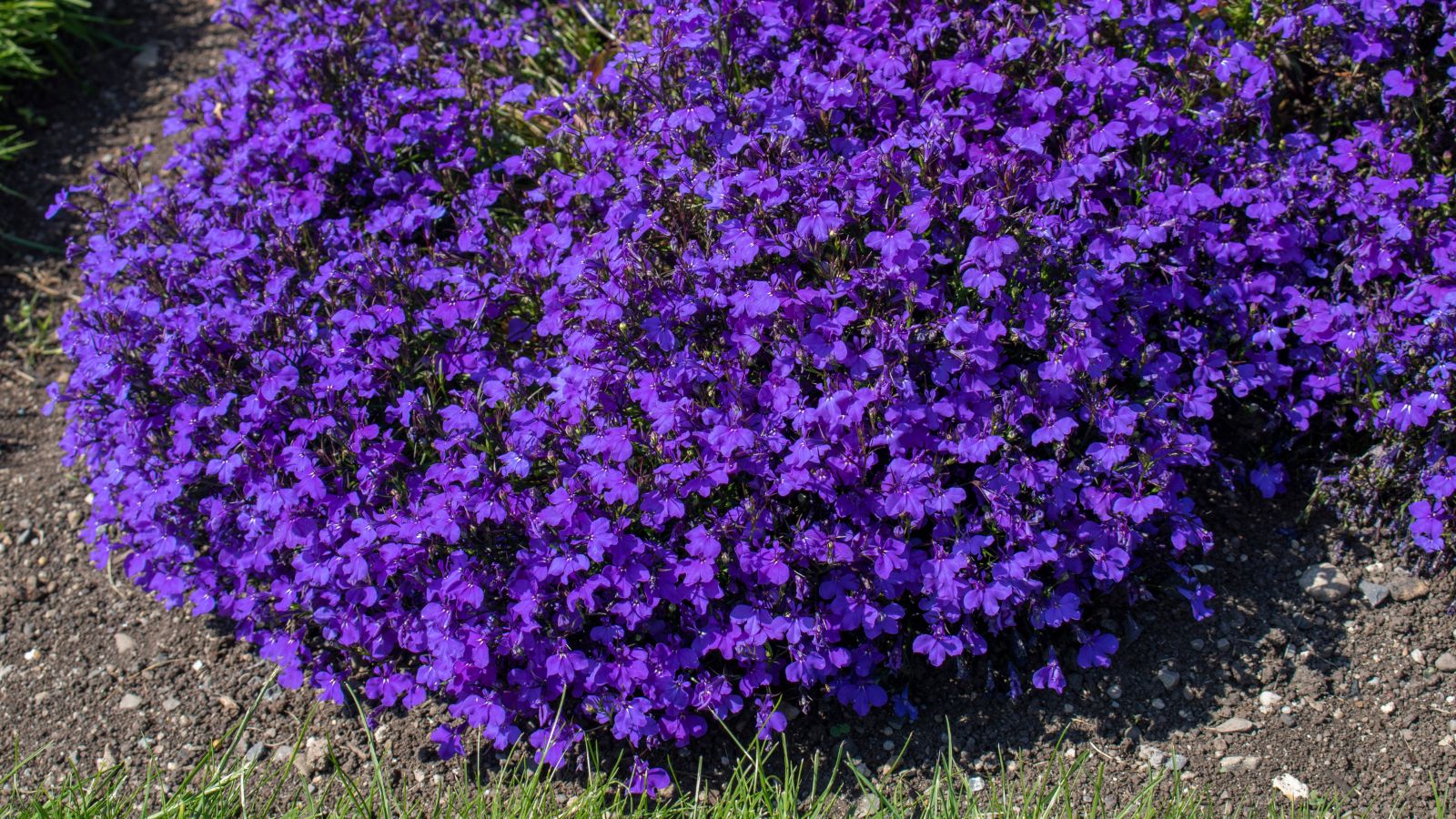
Intense blue flowers are hard to find in the garden, but not with these annuals. Crystal Palace lobelia creates mounds of deep blue blooms that complement yellow and orange fall flowers perfectly. Plants typically stay under 6 inches tall but spread to create dense mats of flowers.
Cool weather brings out the best in lobelia. The flowers continue until hard frost stops them. In colder areas, start with transplants for September planting and space them 8 inches apart in rich, moist soil.
Double Sunburst Coreopsis

Perennial coreopsis planted now will establish over fall and winter to bloom next year, but they are well worth the wait. The double yellow flowers differ from typical single coreopsis blooms, creating fuller, more substantial displays. Plants form neat clumps that gradually expand without becoming aggressive.
September planting gives coreopsis time to develop strong root systems before winter, resulting in better drought tolerance and more prolific blooming next season. Choose a sunny location with well-draining soil since coreopsis struggles in heavy, wet conditions.
Perennial Blend Sweet Pea

Unlike annual sweet peas, perennial types can be planted in September for next year’s display. The root systems establish over winter for vigorous spring growth. Perennial sweet peas come back year after year once established, creating larger displays with each passing season. The flowers aren’t as fragrant as annual types but are longer-lasting and more heat-tolerant.
These vines can reach several feet tall once established, so provide sturdy supports from the beginning rather than trying to add them later. They prefer rich, organic soil with consistent moisture.
Allure Pastel Blend Sweet Alyssum
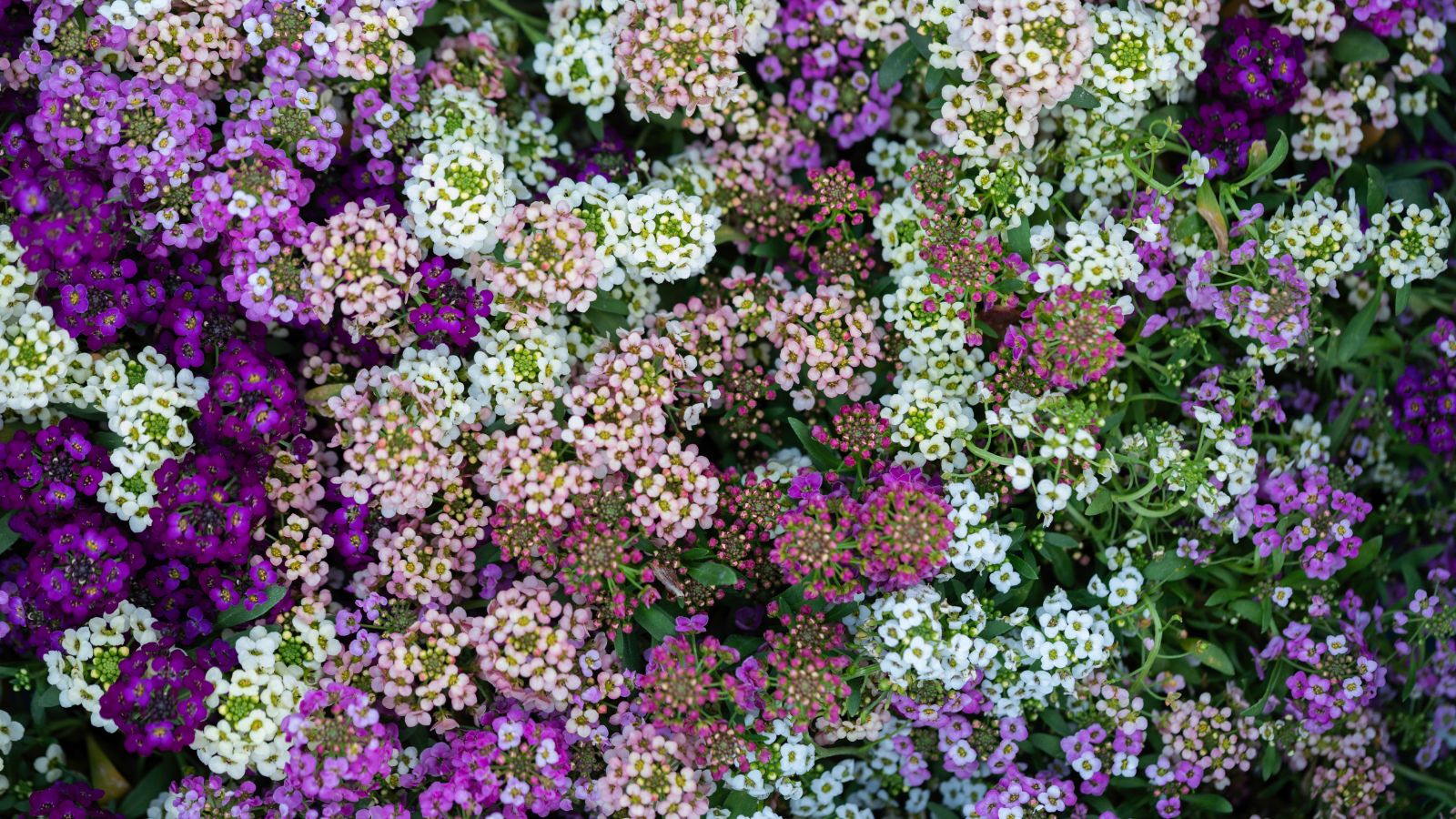
A low-growing habit makes alyssum perfect for edging and filling gaps in fall containers or beds. This blend includes white, pink, purple, and cream shades that work with almost any garden color scheme. The flowers also attract beneficial insects.
Seeds germinate quickly, and plants often bloom within two months of planting. The flowers continue until hard frost and can reseed for next year’s display. Alyssum works beautifully cascading from containers or spreading between stepping stones.
Orange Wonder Snapdragon
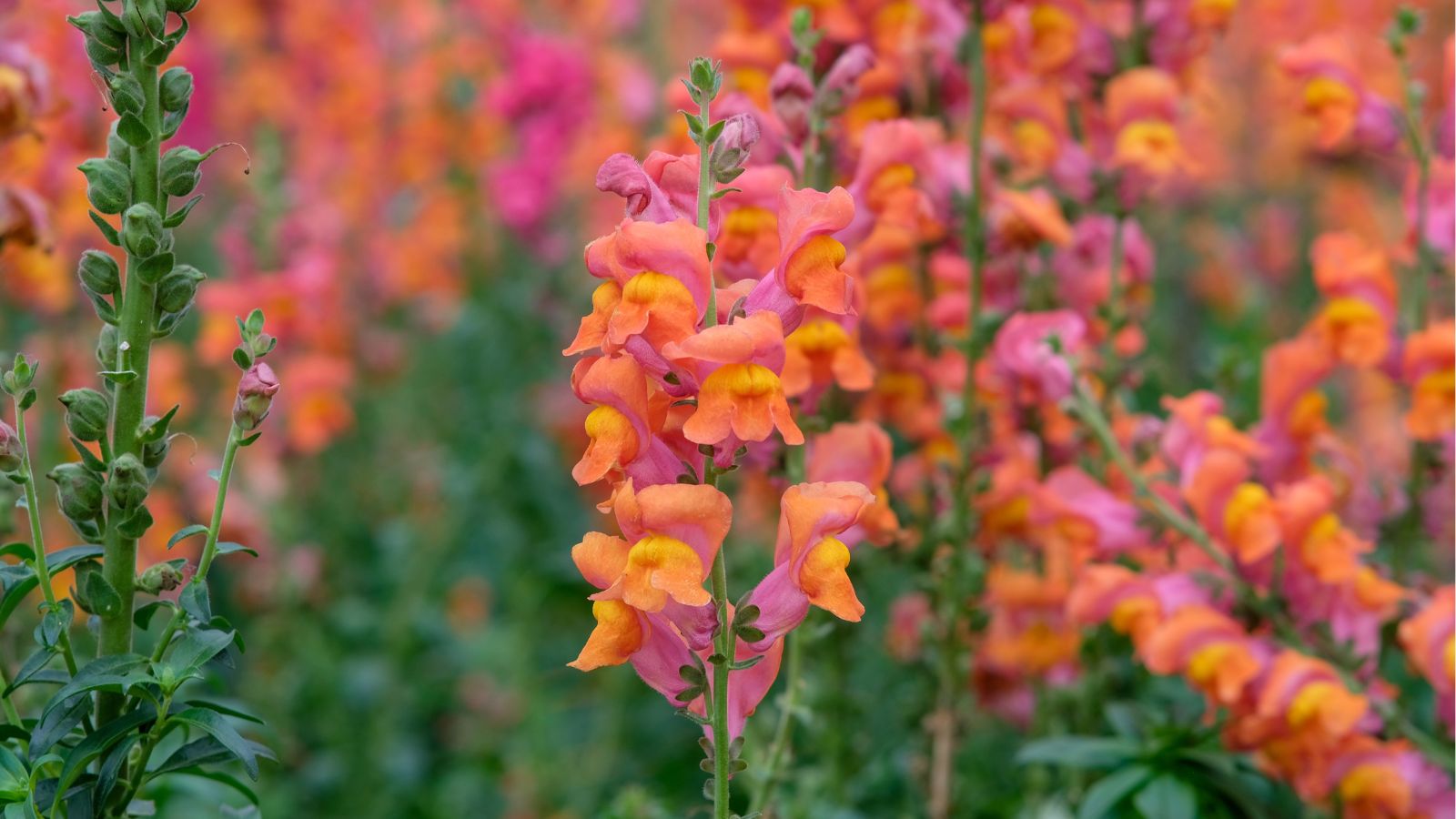
Tall spikes of orange flowers provide vertical interest that definitely suits the season. Orange Wonder snapdragons are great annuals for fall. They shine outdoors and indoors when you bring their stalks in as cut flowers.
The variety typically reaches 30 inches tall with sturdy stems. The orange flowers work beautifully with fall foliage colors and other autumn-blooming plants. Plant in September in rich, well-draining soil with full to partial sun for the best-performing flowers.
Purple Emperor Nasturtium
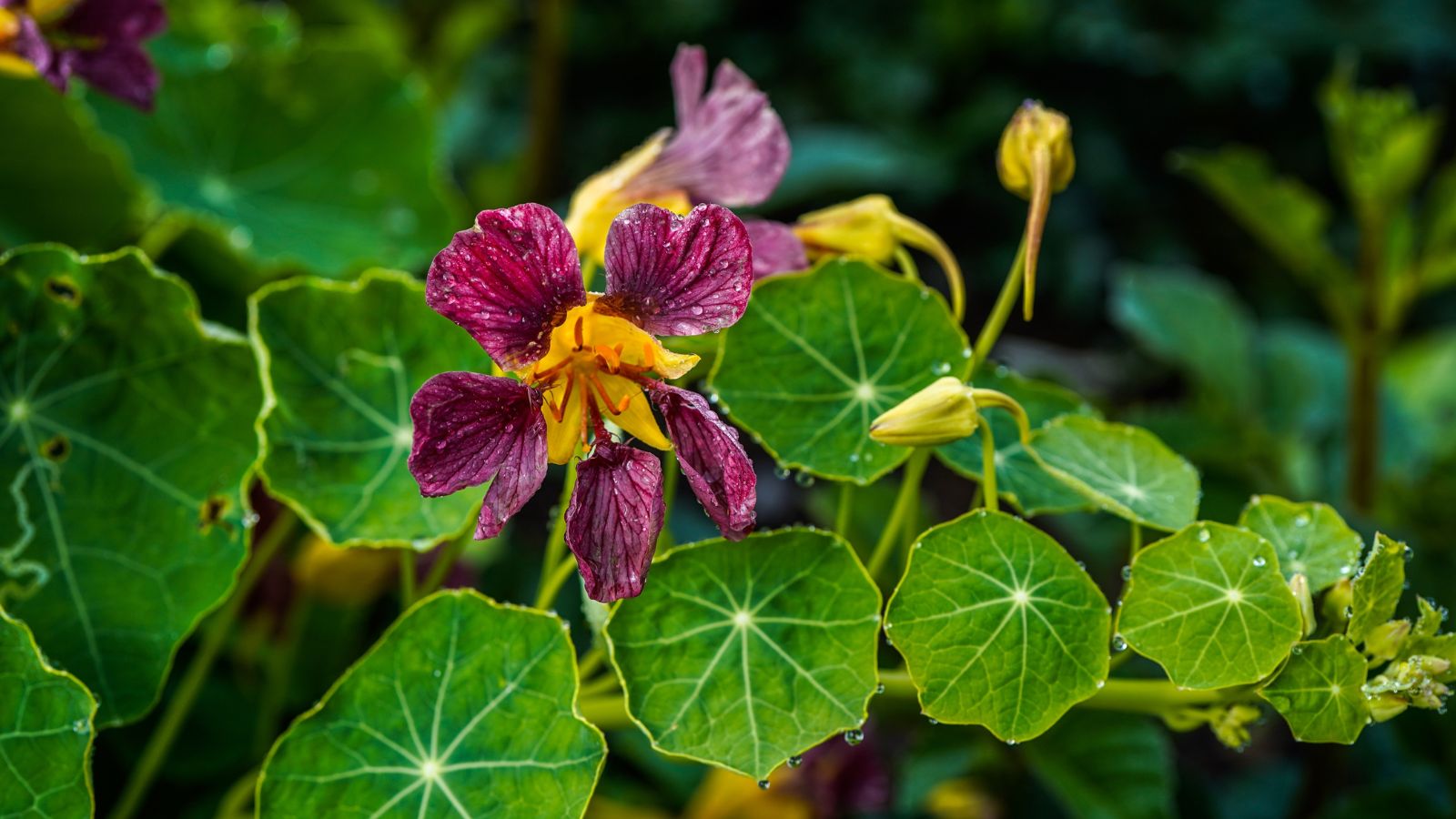
As a great fall companion to orange snapdragons, these trailing nasturtiums have deep purple flowers and dark foliage for dramatic displays. The edible flowers add peppery flavor and stunning color to salads (a good color match with Red Acre cabbage).
Plant seeds directly where you want them rather than in trays. They prefer poor soil and minimal fertilization for the best flowering. The plants also attract aphids away from other garden plants, serving double duty as trap crops if you’re happy to sacrifice them.
Herbs
If all your herbs struggled in summer, September offers a second chance for herb gardening. Cool-weather herbs establish beautifully now, while warm-season types get a renewed burst of growth as temperatures moderate.
Cilantro

Summer heat makes cilantro bolt immediately, but fall’s cooler temperatures allow plants to develop full foliage (the most important bit). Fall-grown cilantro often produces for months in mild regions since cool weather slows the bolting process that ruins summer plantings.
Sow seeds every few weeks if you use a lot of cilantro. You can also grow these herbs indoors this fall with the help of a grow light if your climate is too cold. If they do ever flower, the blooms also attract beneficial insects for a short period.
Parsley

Parsley planted now will grow through fall, slow down in winter in most climates, then provide early spring harvests before flowering in its second year. Both flat-leaf and curly varieties handle cold weather well, often continuing to produce usable leaves even after several frosts. The plants may look rough after hard freezes, but usually recover with new growth.
Start with transplants for the most reliable results in September, since parsley seeds can be slow and uneven to germinate. Harvest outer stems first, leaving the center growing point intact for continued production.
Basil

Give basil one last chance by planting it in early September before temperatures start dropping consistently. This month is a bit late, but not too late for gardeners in mild climates. Small-leafed types often perform better than large-leafed varieties for fall planting.
September basil won’t last as long as spring plantings, but it provides fresh leaves for fall cooking and pesto-making when summer basil starts declining. Harvest heavily before the first frost threat or move containers indoors for protection.
Dill

Dill grows quickly in moderate temperatures without the immediate bolting that hot weather triggers. Seeds planted in September will provide fresh foliage for fall cooking and seed heads for pickling projects.
Plant seeds quarter-inch deep and thin seedlings to about 6 inches apart once they’re growing well. Harvest leaves anytime after plants are established, but stop cutting once flower heads begin forming if you want seeds for cooking or next year’s garden.
Sage

Woody perennials like sage benefit from fall planting that gives them time to establish before winter dormancy. The silvery foliage provides year-round garden interest in addition to culinary value. Many sage varieties are quite ornamental and work well in perennial borders as well as herb gardens.
Since they can take a while to germinate, you may want to start with nursery plants rather than seed to plant in September. Space plants carefully, as they can get quite large once established. Once mature, sage plants can provide fresh leaves almost year-round in mild climates.