

Contents
Are you looking to bump up your spring garden, but are itching to get out in the garden now? I have put together a list of plants that are not only beautiful spring bloomers but that are also able to be planted in the fall.
Planting in the fall is recommended strictly because of the lower temperatures, and the lower risk of drought. If you have the time to give enough attention to your new plantings in the fall, you will have some healthy and well established plants that will be ready to bloom come springtime.
Read on for some great ideas for your garden!
Baby’s Breath

|
botanical name Gypsophila sp. |
|---|---|

|
sun requirements Full Sun |

|
height 2-3 feet |

|
hardiness zones 3-9 |
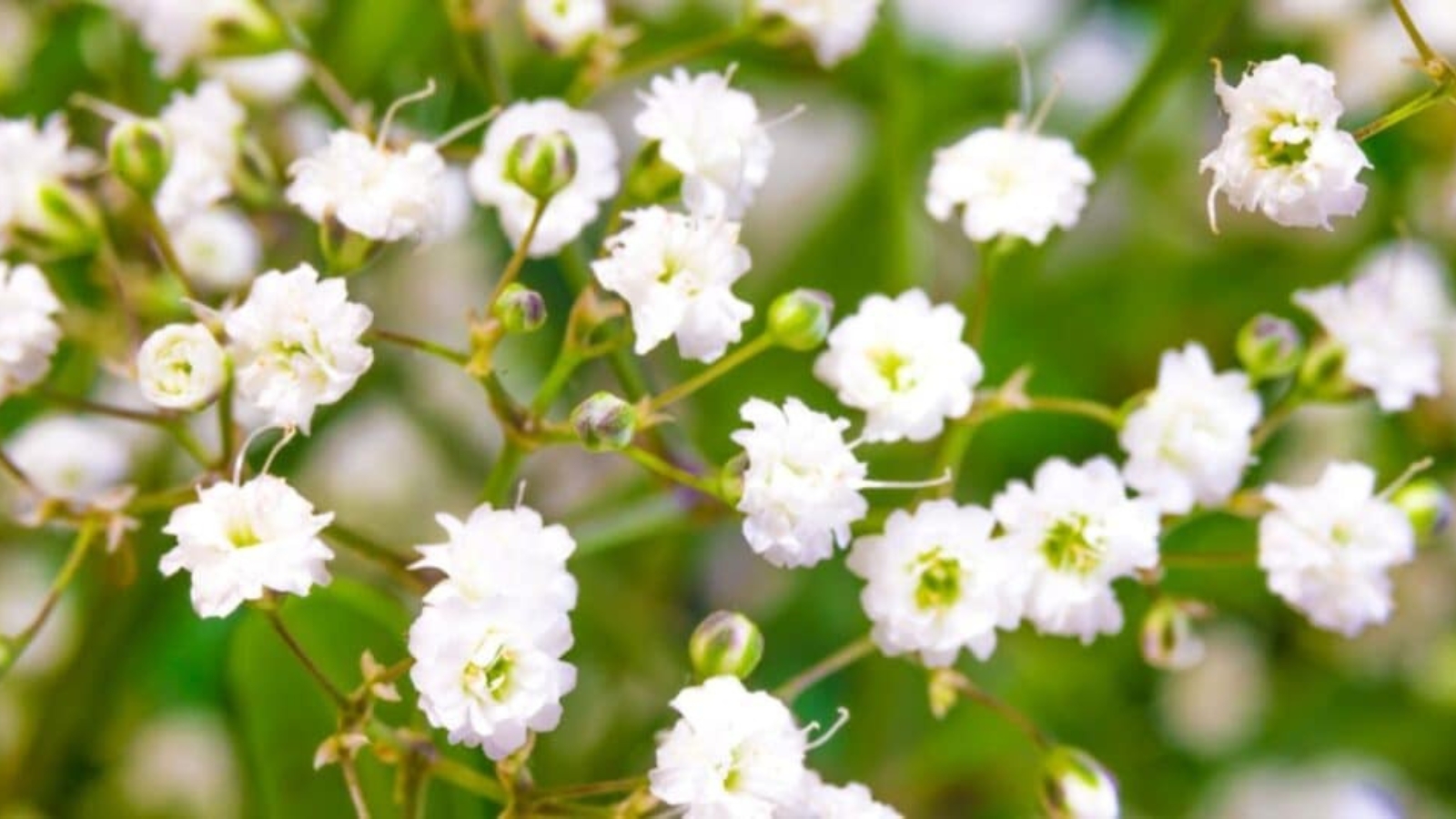
You will likely know this plant from the cut flower form that is found in many fresh flower arrangements. But did you know that this plant is absolutely gorgeous when planted in garden beds. Gypsophila is very low maintenance given that it receives enough full sunlight and is planted in well draining soil.
You can find baby’s breath varieties in shades of white as well as pink. Plant the perennial version of this plant as a flowering ground cover, or as more of an upright perennial. Either way this flowering perennial will instantly beautify your garden.
Bearded Iris
|
|
botanical name Iris germanica |
|---|---|
|
|
sun requirements Full Sun |
|
|
height 1-3 feet |
|
|
hardiness zones 3-9 |
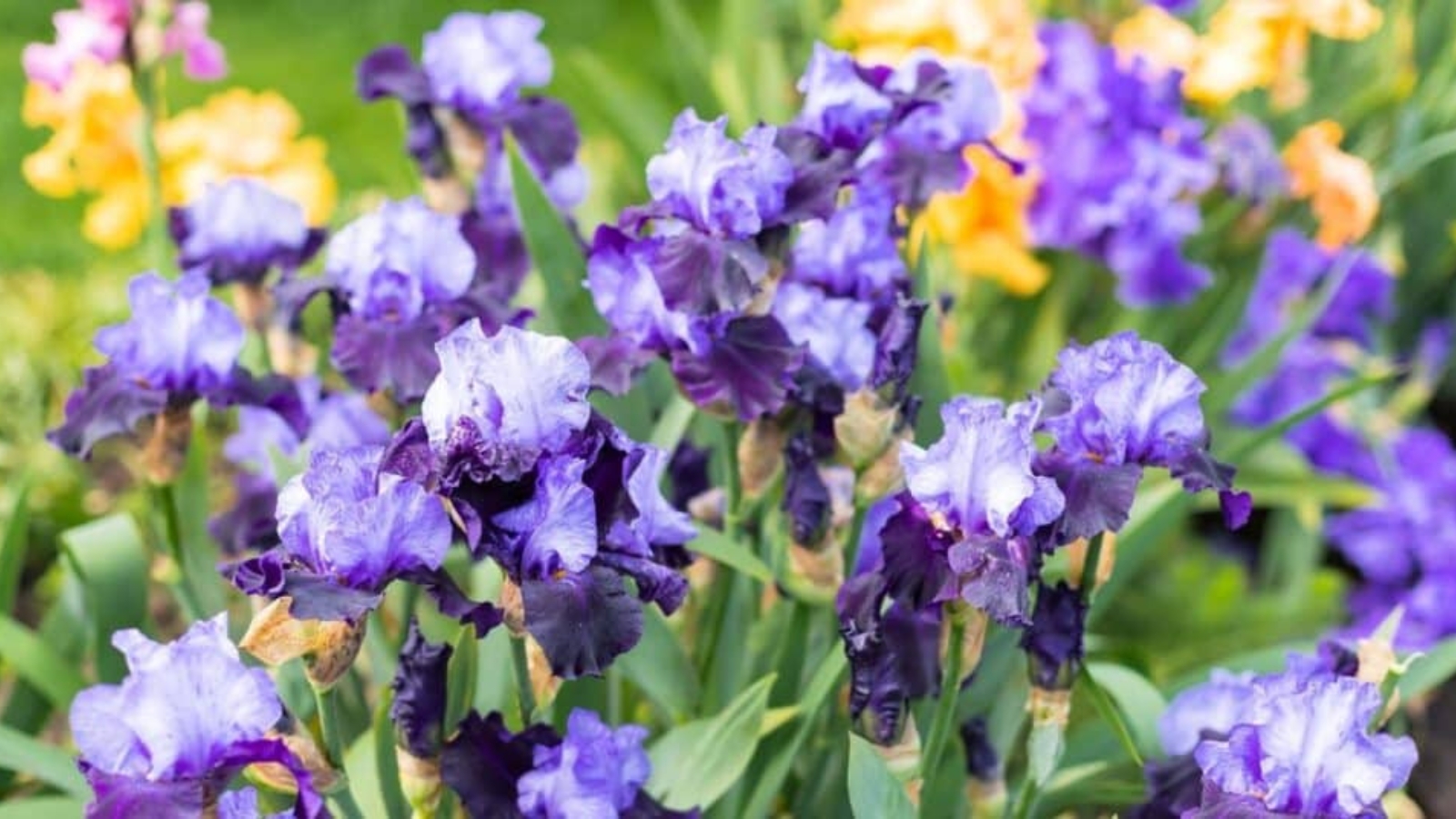
Bearded irises are gorgeous plants with large flowers that bloom in the spring. You can find irises in many different colors, but are famous for their shades of blue and yellow.
These plants do not like to be planted deeply or mulched, so keep those rhizomes lifted out of the soil a bit. Plant bare root bearded iris plants in the fall, but keep in mind that they may not bloom to their full capacity until their second year.
Bergenia
|
|
botanical name Bergenia cordifolia |
|---|---|
|
|
sun requirements Partial sun- Shade |
|
|
height 1-2 feet |
|
|
hardiness zones 4-8 |
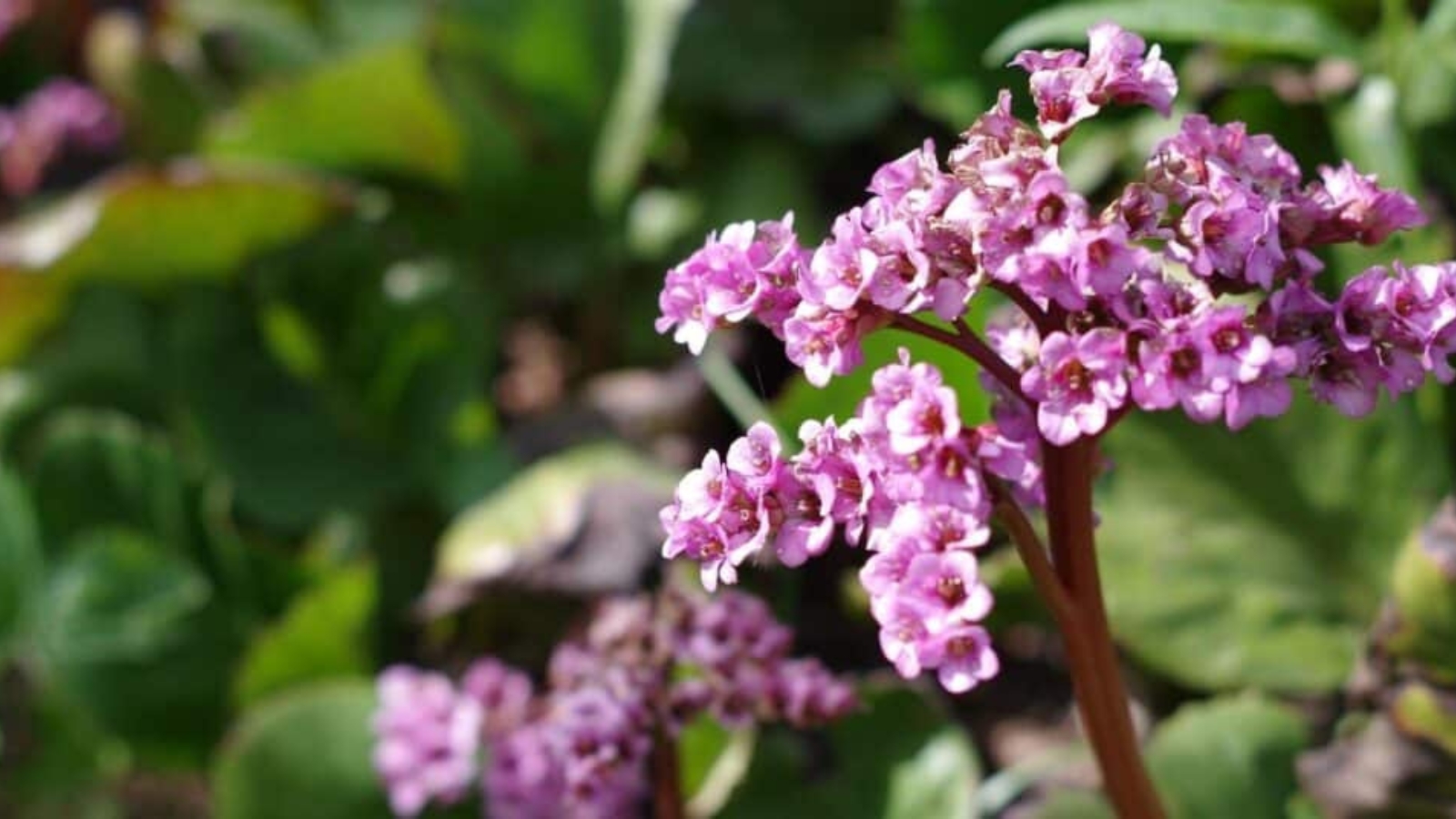
Bergenia is an excellent choice for gardeners who have lots of shady areas. This perennial has large, thick leaves with clusters of flowers on top of sturdy stems that brighten up any springtime garden. Bergenia is pretty used in a border garden, and is relatively resistant to wildlife.
You may need to divide bergenia every few years, keep your eye on the center of the plant. If it looks like it is dying back, dig up the perennial, split it in half, and replant!
Bleeding Heart
|
|
botanical name Dicentra spectabilis |
|---|---|
|
|
sun requirements Full to partial shade |
|
|
height 1-3 feet |
|
|
hardiness zones 3-9 |
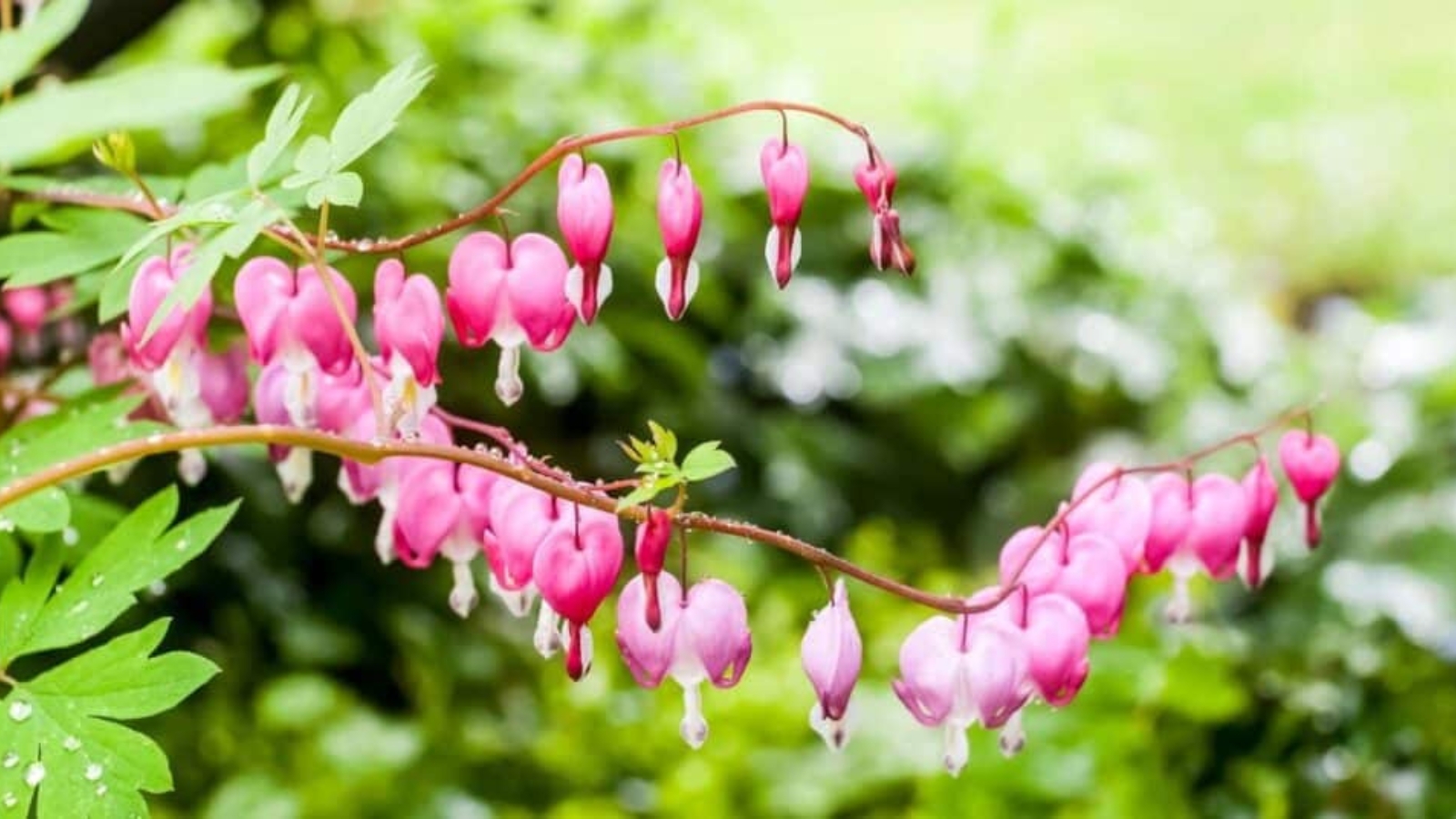
Bleeding heart is a classic perennial. This low maintenance plant bears some of the most interesting heart shaped flowers around that come in shades of white or pink. The stems have an upright or an arched habit with pretty fern-like leaves.
Bleeding heart is perfect when planted in a woodland garden, where it will receive dappled light with moist soil. The leaves will die back and leave some empty spaces in the summer once blooming has ended. Add it to perennial gardens that need a splash of spring color!
Blue False Indigo
|
|
botanical name Baptisia australis |
|---|---|
|
|
sun requirements Full sun to partial shade |
|
|
height 2-3 feet |
|
|
hardiness zones 4-9 |
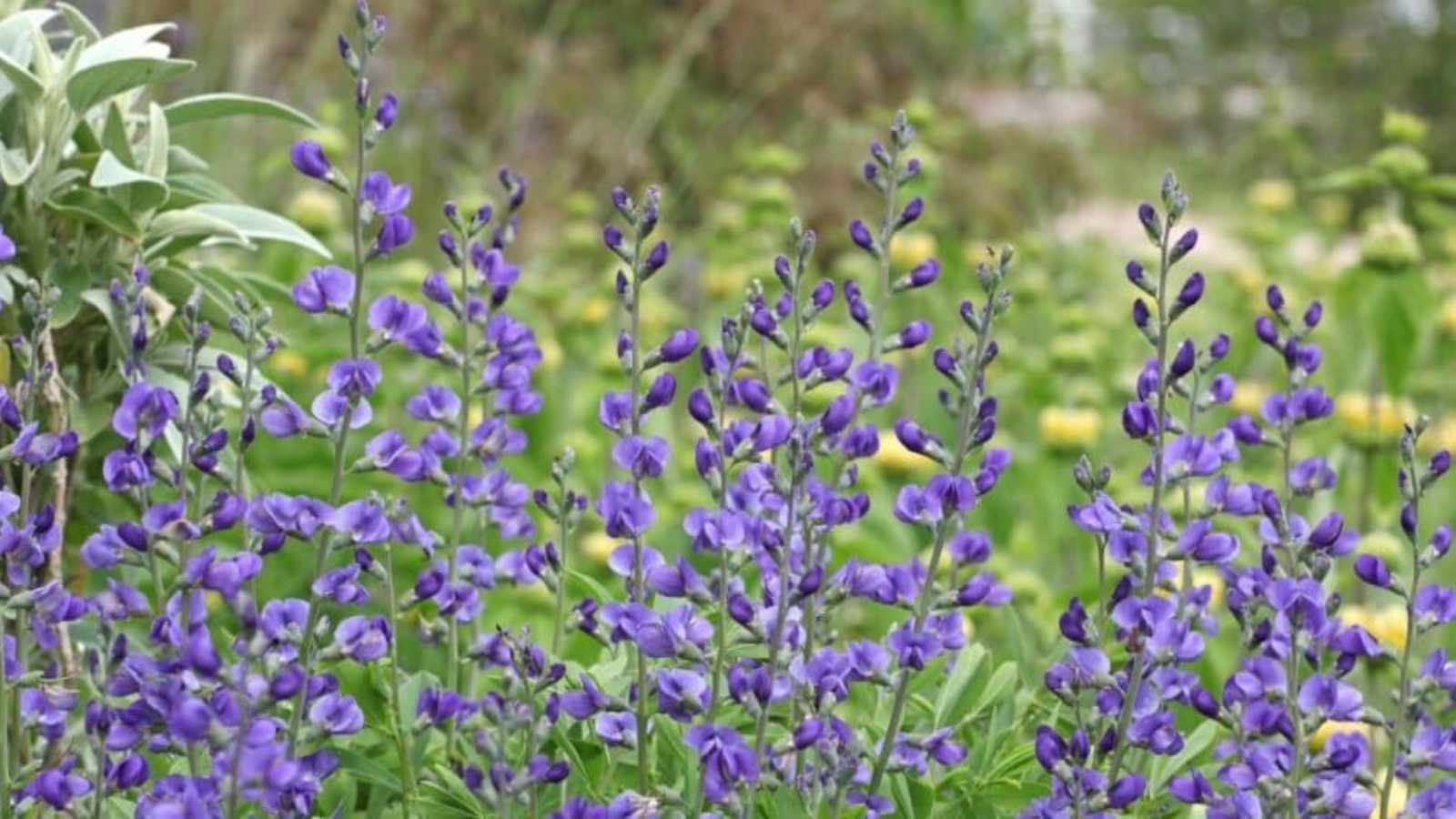
Blue false indigo, or wild indigo are beautiful vase shaped perennials that come in a variety of colors but are most known for their original color of purple. These plants are easy to grow, and once they have established themselves in your gardens they will be drought tolerant.
I have a few blue false indigos in my gardens and the only trouble I have ever had is bunnies nibbling at the stems, but not actually eating them which is pretty frustrating. The flowers on this plant are long and raceme in nature, looking like sweet peas.
Bloodroot
|
|
botanical name Sanguinaria canadensis |
|---|---|
|
|
sun requirements Full- Partial shade |
|
|
height 8-20 inches |
|
|
hardiness zones 3-8 |
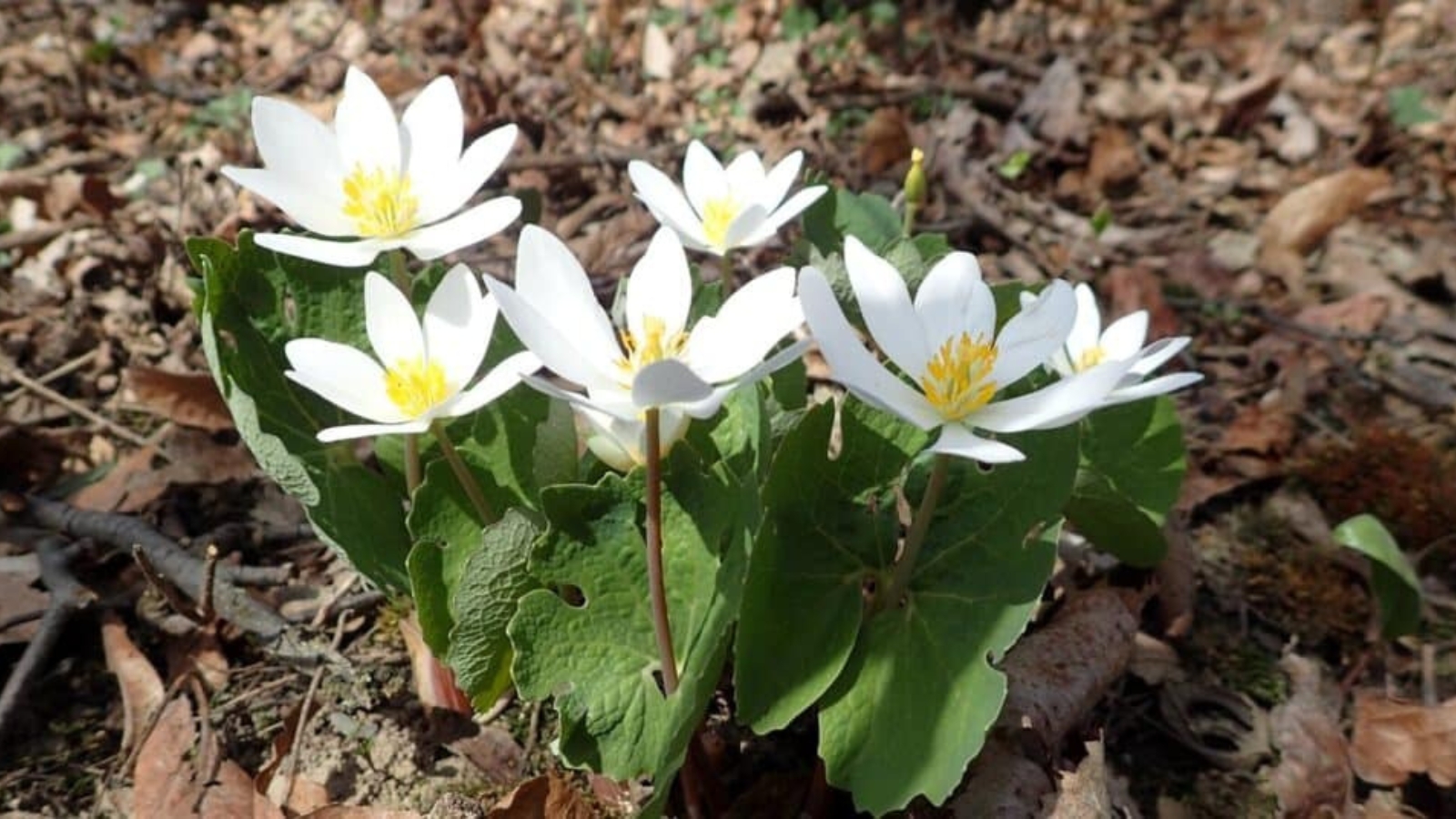
Bloodroot is a pretty shade loving plant that blooms nice and early in the spring. Plant this perennial in a mass planting for the greatest effect. The flowers of bloodroot will bloom in the early spring and each plant will have one pretty white flower.
The bloom time is very short with bloodroot, but the foliage will remain attractive throughout the growing season. Bloodroot is a very low maintenance plant due to its short bloom time and it is relatively pest free. The only issue you may have would be slugs.
Brunnera
|
|
botanical name Brunnera macrophylla |
|---|---|
|
|
sun requirements Full or partial shade |
|
|
height 12-18 inches |
|
|
hardiness zones 3-8 |
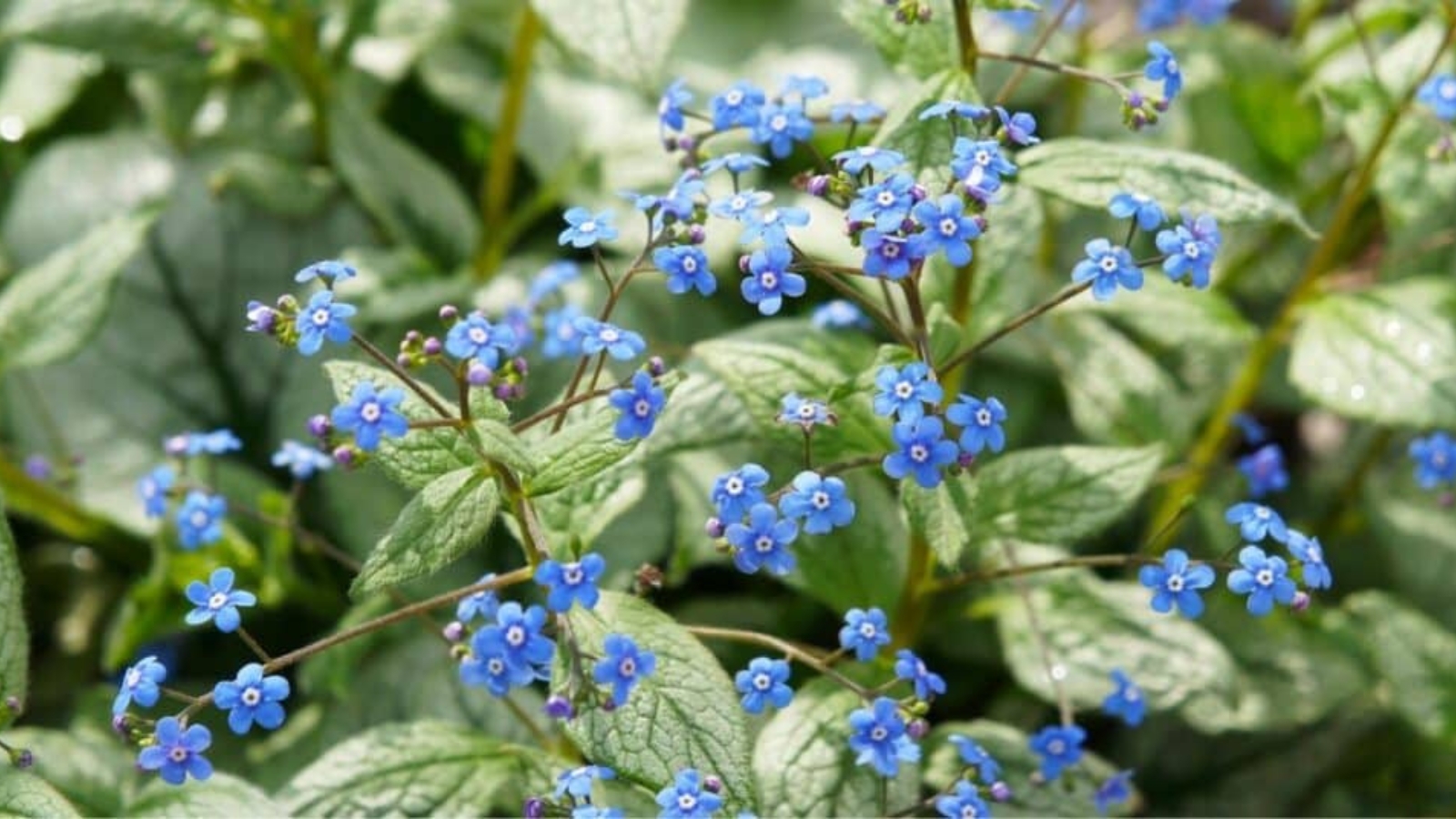
Brunnera is a great replacement for hostas because it also has heart shaped leaves, but is much more pest resistant than hosta. These plants have cute blue flowers on slender stems.
Brunnera also makes a great container plant for pots that you are keeping in the shade, perhaps planted among some hydrangeas. These flowers will last you about a month, which will bridge you nicely from your early spring bloomers into the summer.
Bugleweed
|
|
botanical name Ajuga reptans |
|---|---|
|
|
sun requirements Full sun to partial shade |
|
|
height 6-9 inches |
|
|
hardiness zones 4-9 |
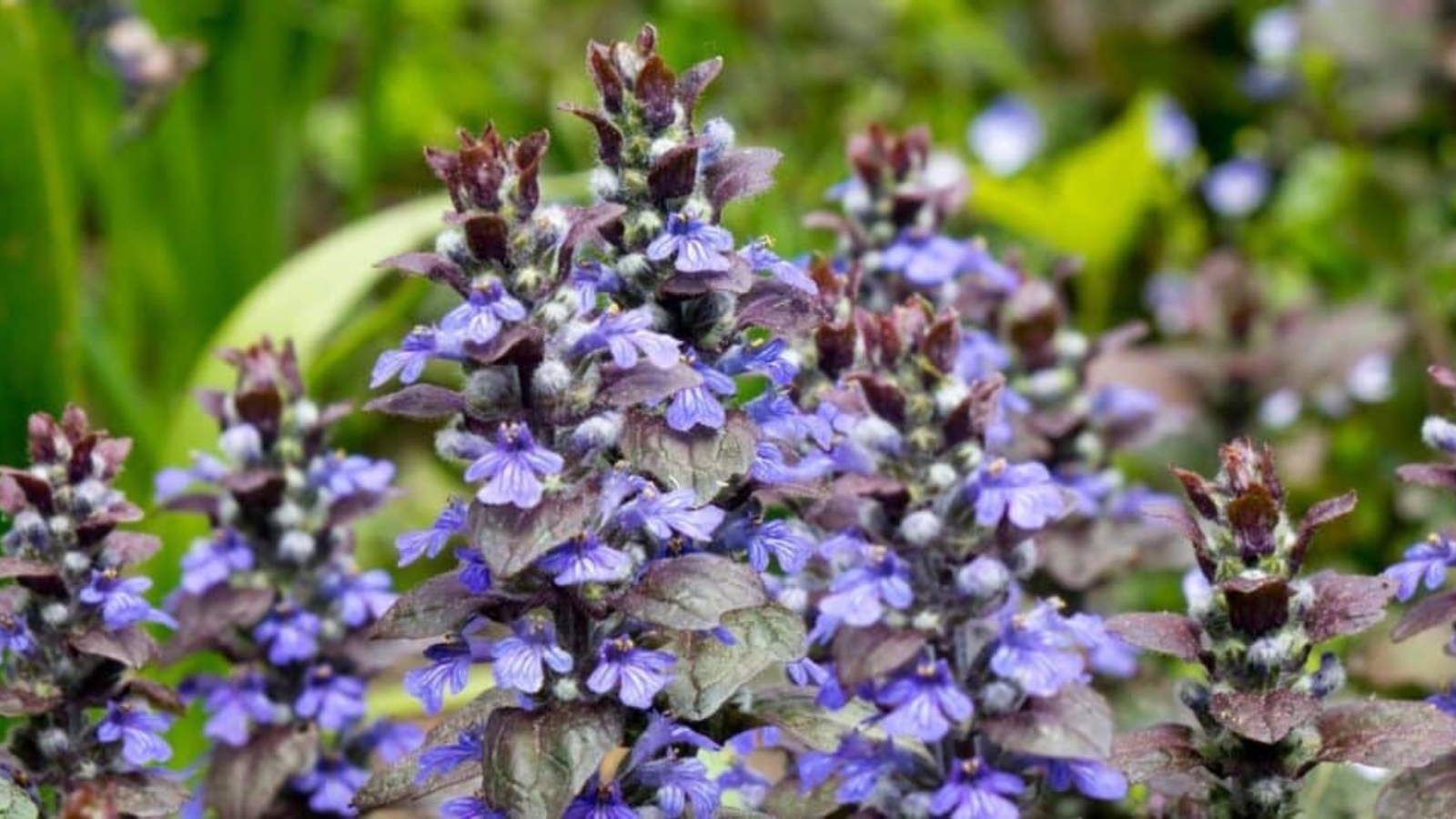
This is a great ground cover! The deep purple foliage, paired with the purple spiked flowers create a beautiful blanket. I actually love to see this perennial creep into lawns. The reasons I love this plant, can actually be a nuisance to some gardeners.
Bugleweed is a pretty aggressive spreader, and spreads by stolons or runners. This plant is great used for erosion control, or in a place where it is too shady for grass, or other plants to take hold.
Candytuft
|
|
botanical name Iberis sempervirens |
|---|---|
|
|
sun requirements Full – Partial Sun |
|
|
height 12-18 inches |
|
|
hardiness zones 3-9 |
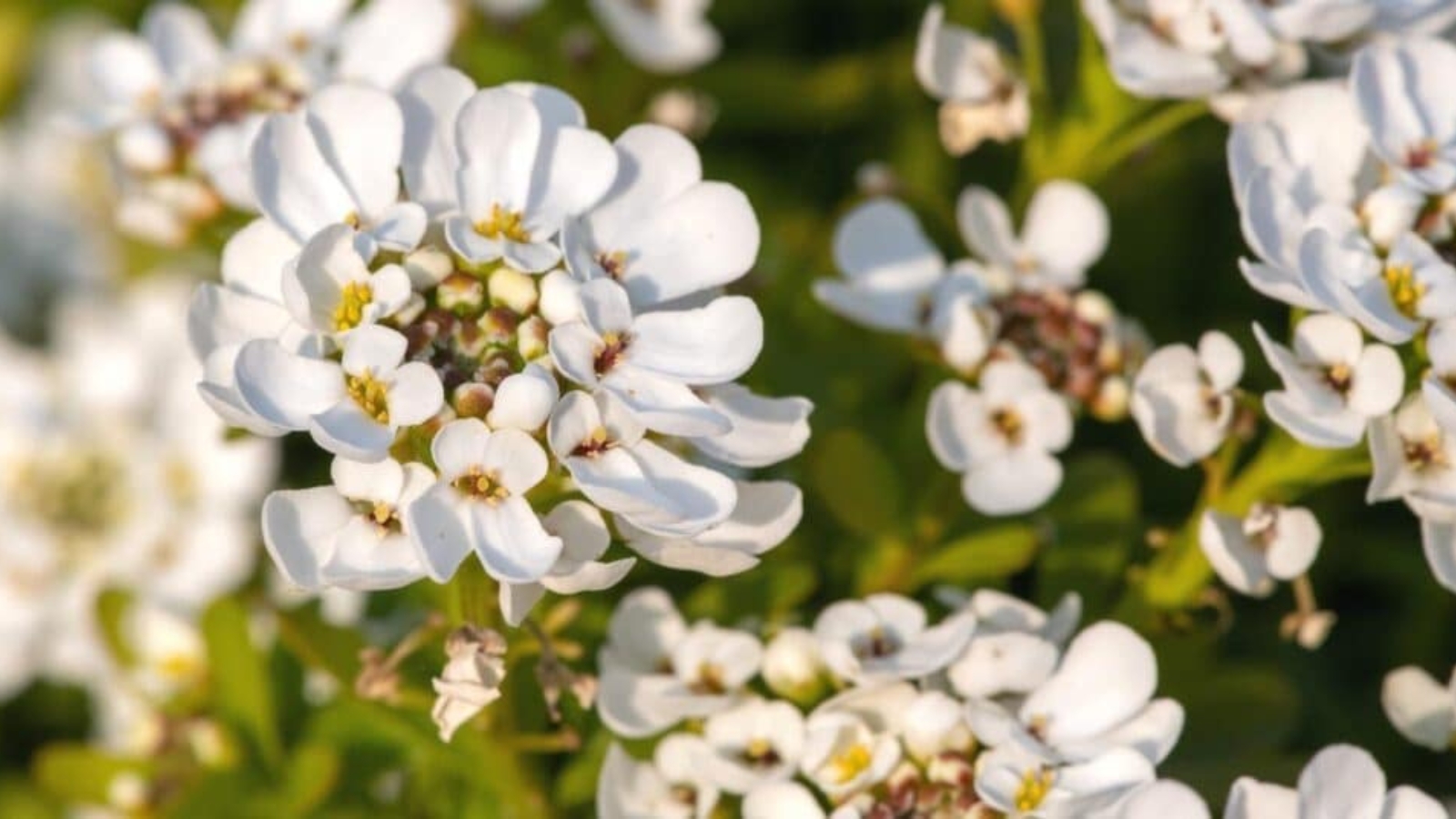
Candytuft is such a great choice for a spring blooming garden. These plants are low growing and have fern-like leaves. When candytuft blooms the plant will be covered in cotton balls of flowers that could be white, pink or purple.
The flowers will last into the summer, and sometimes may even often rebloom in the fall! After the flowers have pases cut the plant back, this can help the plant to have another bloom in the fall, as well as keeping the stems herbaceous rather than woody.
Catmint
|
|
botanical name Nepeta spp. |
|---|---|
|
|
sun requirements Full- Partial Sun |
|
|
height 1-2 feet |
|
|
hardiness zones 4-8 |
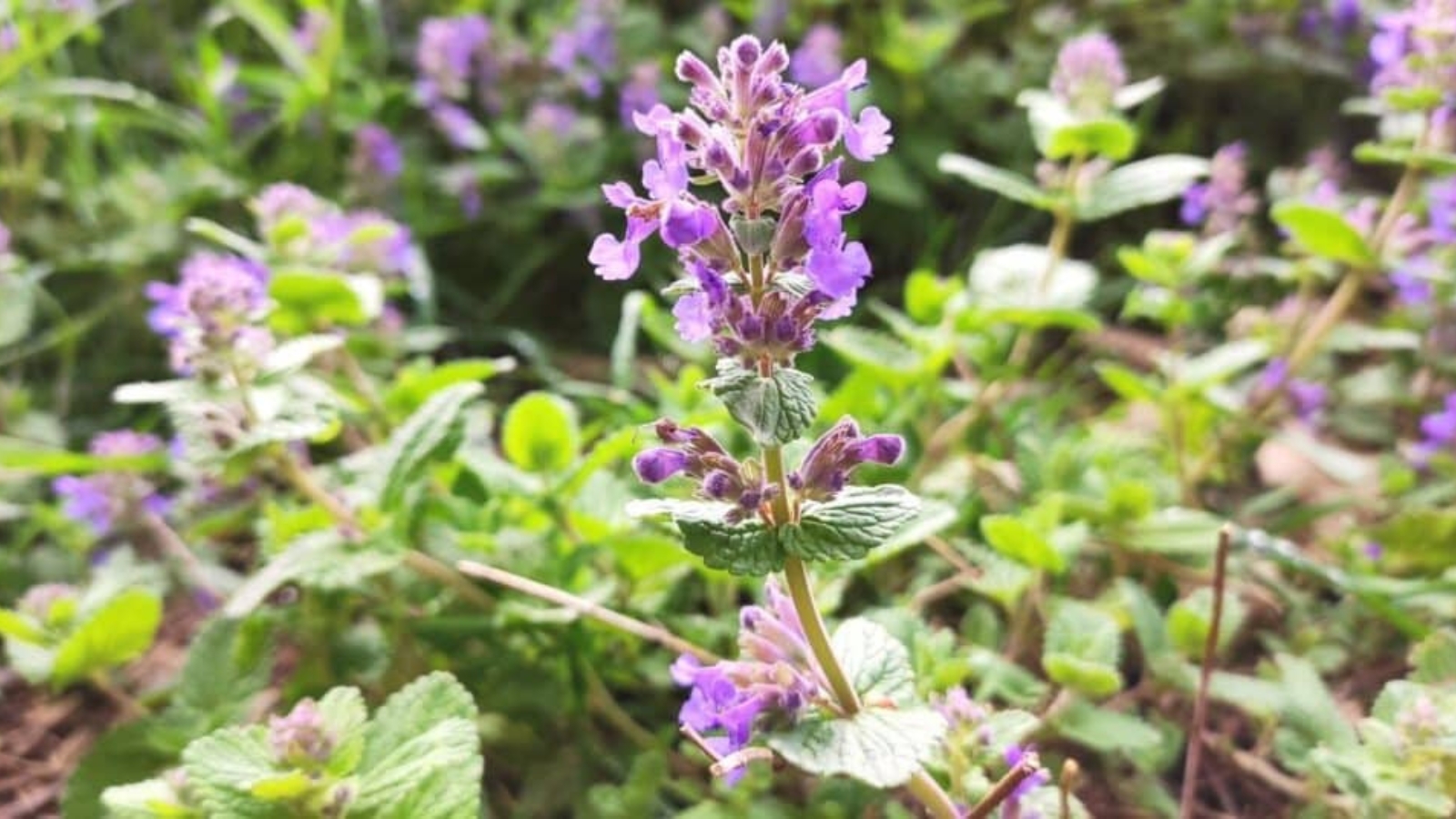
If you are looking for a dependable and foolproof plant, Nepeta, also known as catmint is the plant for you. This perennial is a sun lover and is very easy to care for. The foliage is a soft silvery green, and the spiky flowers are a pretty shade of purple.
Plant catmint anywhere in your gardens where you get a lot of sun, and you will be in for a treat. If you cut the plant back after the first bloom you will get a late summer bloom as well. Catmint can grow in some partial shade, but the flowers and overall size of the plant will be much smaller.
Columbine

|
|
botanical name Aquilegia spp. |
|---|---|
|
|
sun requirements Full – partial sun |
|
|
height 1-3 feet |
|
|
hardiness zones 3-8 |
This is a unique flower that has a place in any garden. The flowers on this plant come in almost every color of the rainbow. These long blooming flowers will attract all pollinators but are especially attractive to hummingbirds. Deadhead these flowers to keep the bloom lasting into the summer.
If you do not deadhead, columbine will self seed and you will have new plants in the spring. Once the full heat of the summer comes into play the flowers will fizzle out, but the foliage will remain a rich green until the fall when it turns to a deep red.
Cushion Spurge
|
|
botanical name Euphorbia polychroma |
|---|---|
|
|
sun requirements Full – partial sun |
|
|
height 12-18 inches |
|
|
hardiness zones 4-8 |
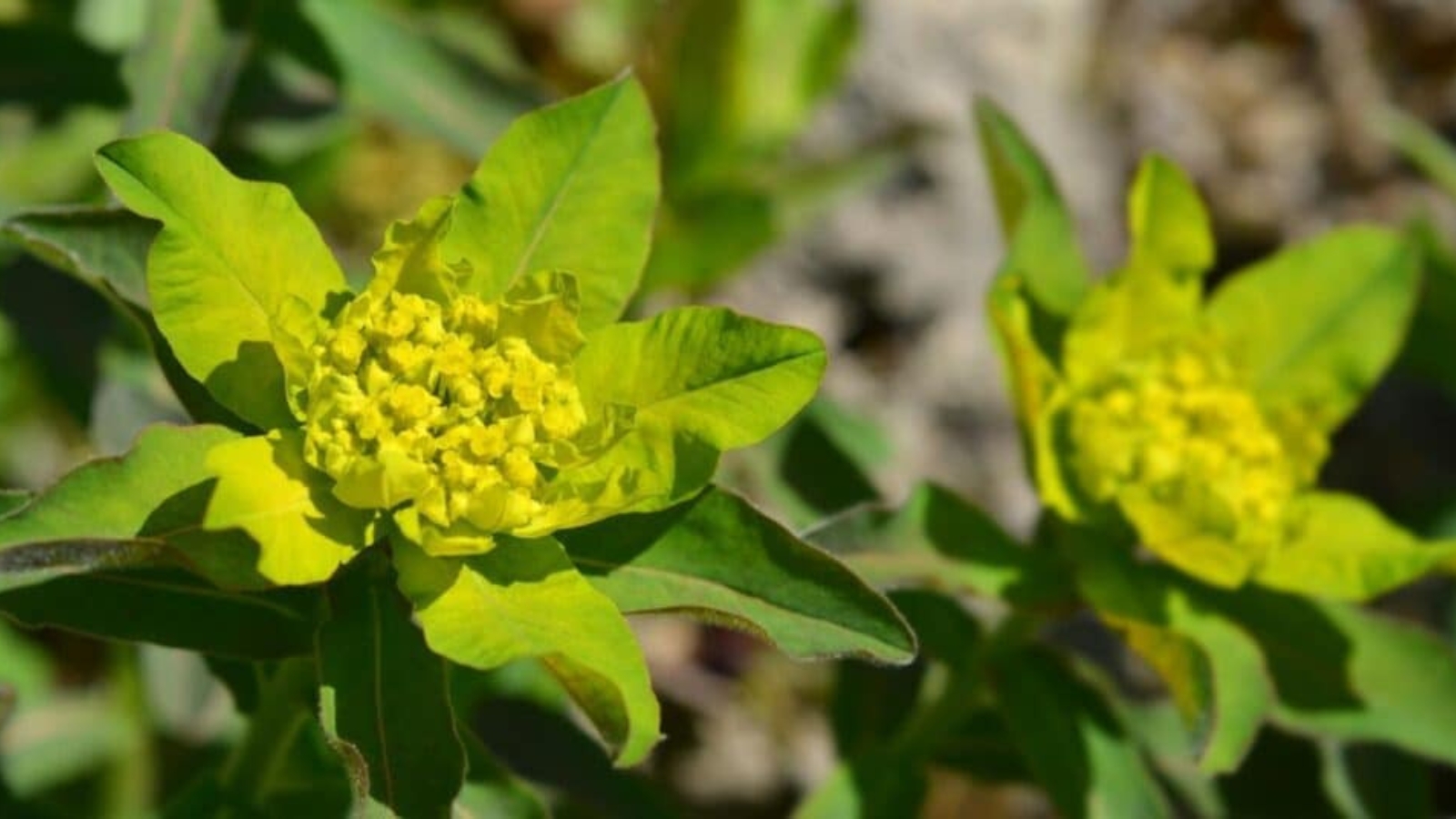
Cushion spurge is a gorgeous spring bloomer, blooming twice in spring. The first bloom will be yellow and the second will be a light green. The plant will maintain its mounded shape all season long and will offer some autumn colored foliage in the fall. Cushion spurge is very low maintenance. Plant this perennial in full sun. Give it a try in a rock garden, or another area with poor soil.
Cushion spurge does not typically struggle with pests which most likely has to do with the fact that every part of this plant is toxic. Take care to plant it in an area where pets and children don’t play, and don’t forget to wear your garden gloves to avoid skin irritation.
Creeping Phlox
|
|
botanical name Phlox stolonifera |
|---|---|
|
|
sun requirements Full – Partial Sun |
|
|
height 6-12 inches |
|
|
hardiness zones 5-9 |
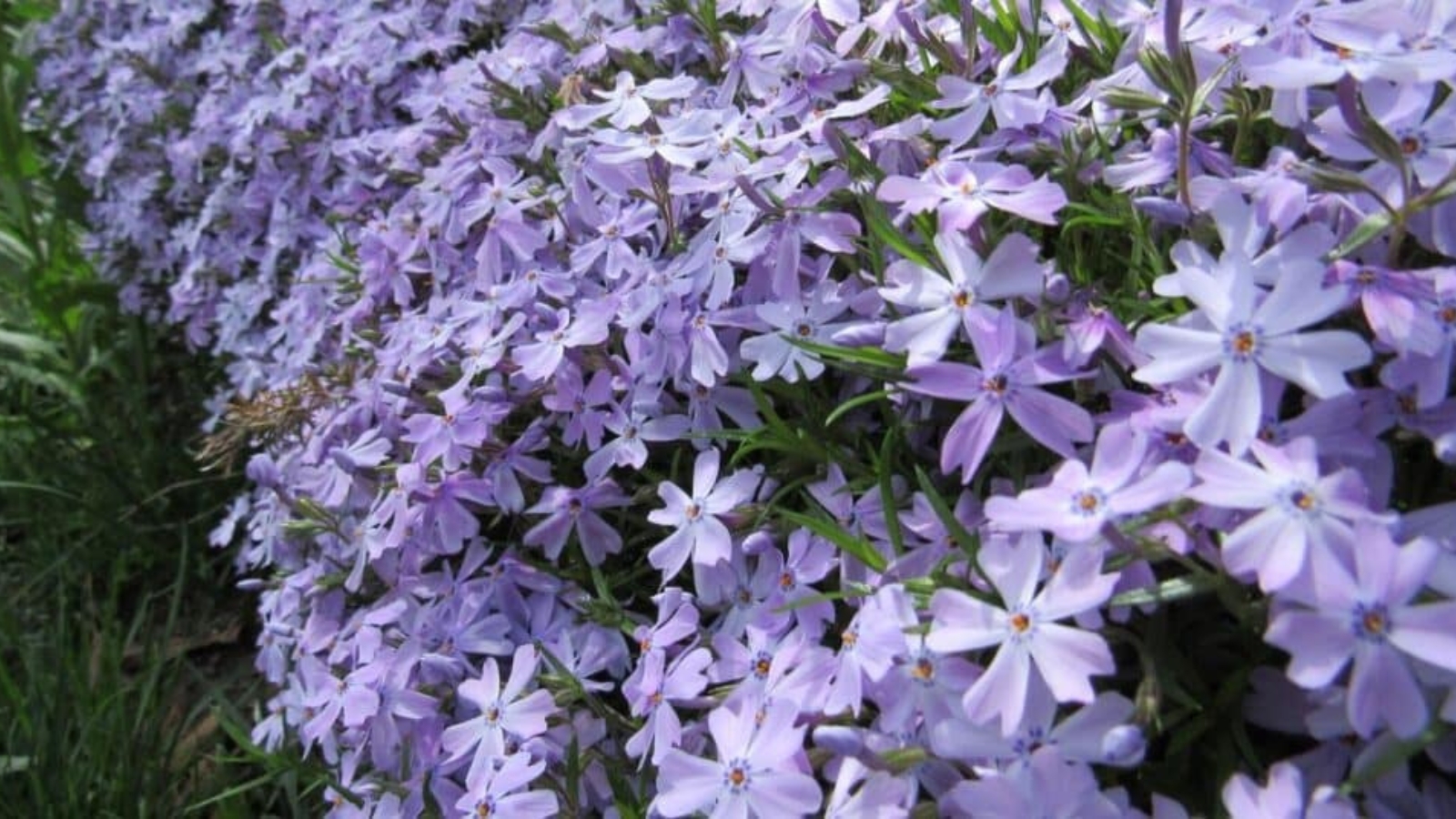
Also known as moss phlox, this is one of my favorite springtime bloomers. The grass-like foliage is covered in star shaped flowers in white, pink, or lilac. The flowers are so beautiful but they only last a short time. Luckily, they leave behind a really nice mat of greeny, mossy foliage.
After the spring bloom is complete, trim back the plant to encourage a second bloom. Cut the plant back again in the early winter for a strong springtime bloom.
Daffodil
|
|
botanical name Narcissus spp. |
|---|---|
|
|
sun requirements Full- partial sun |
|
|
height 6-30 inches |
|
|
hardiness zones 4-8 |
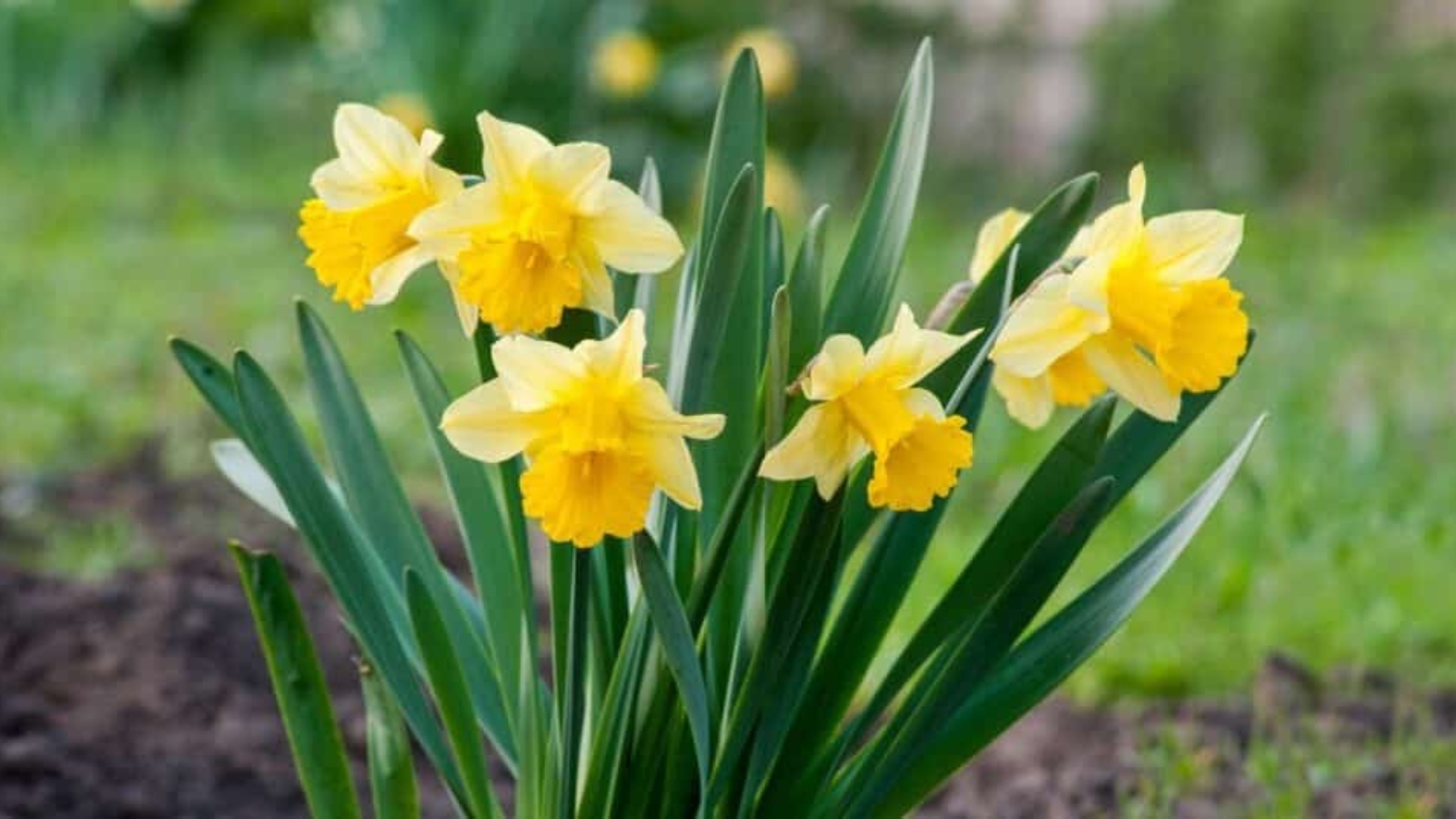
Daffodils are famous for their happy yellow flowers, but there are so many different varieties available now. Daffodils come in whites and peaches, single and double flowers. Plant your bulbs in the fall about four inches deep and four inches apart; this size may differ depending on what variety you purchase.
Sit back, relax and wait for the show. Be sure to leave the foliage until it browns in order to give the bulb all the nutrients it needs for a strong bloom the next spring.
Dianthus
|
|
botanical name Dianthus spp. |
|---|---|
|
|
sun requirements Full Sun |
|
|
height 6-36 inches, species and variety dependent |
|
|
hardiness zones 3-9 |
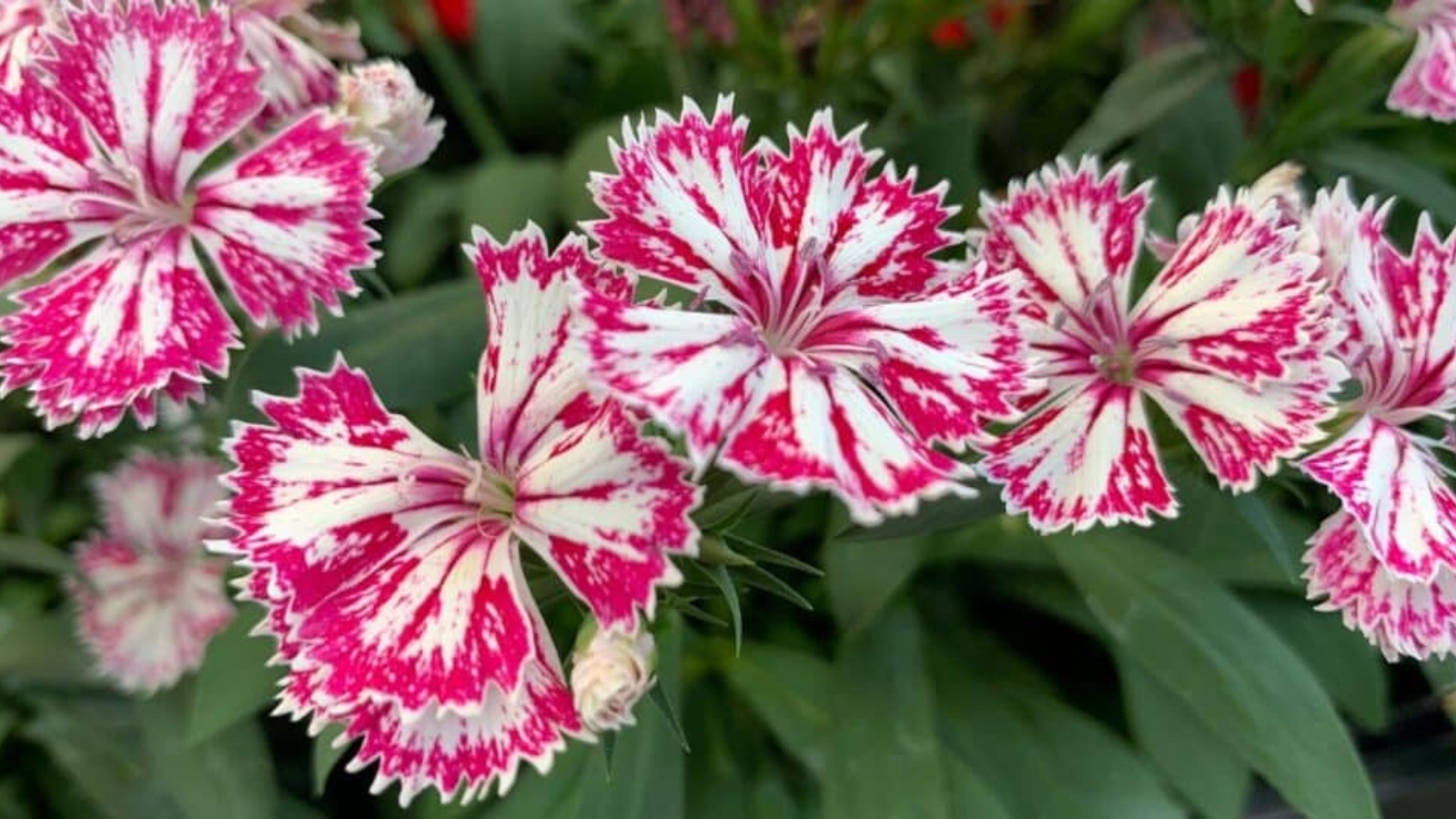
These perennials are a member of the carnation family and they actually look like mini carnation plants. The flowers come in a variety of colors, and are always nestled on top of grass like foliage.
This foliage is attractive even without the blossoms. Deadhead these flowers after their spring bloom and you will be blessed with a late summer or fall bloom. There are annual, biennial and perennial versions of dianthus, so be careful when you are purchasing your seeds or plants!
Foamflower
|
|
botanical name Tiarella spp. |
|---|---|
|
|
sun requirements Full to partial shade |
|
|
height 1 foot |
|
|
hardiness zones 3-8 |
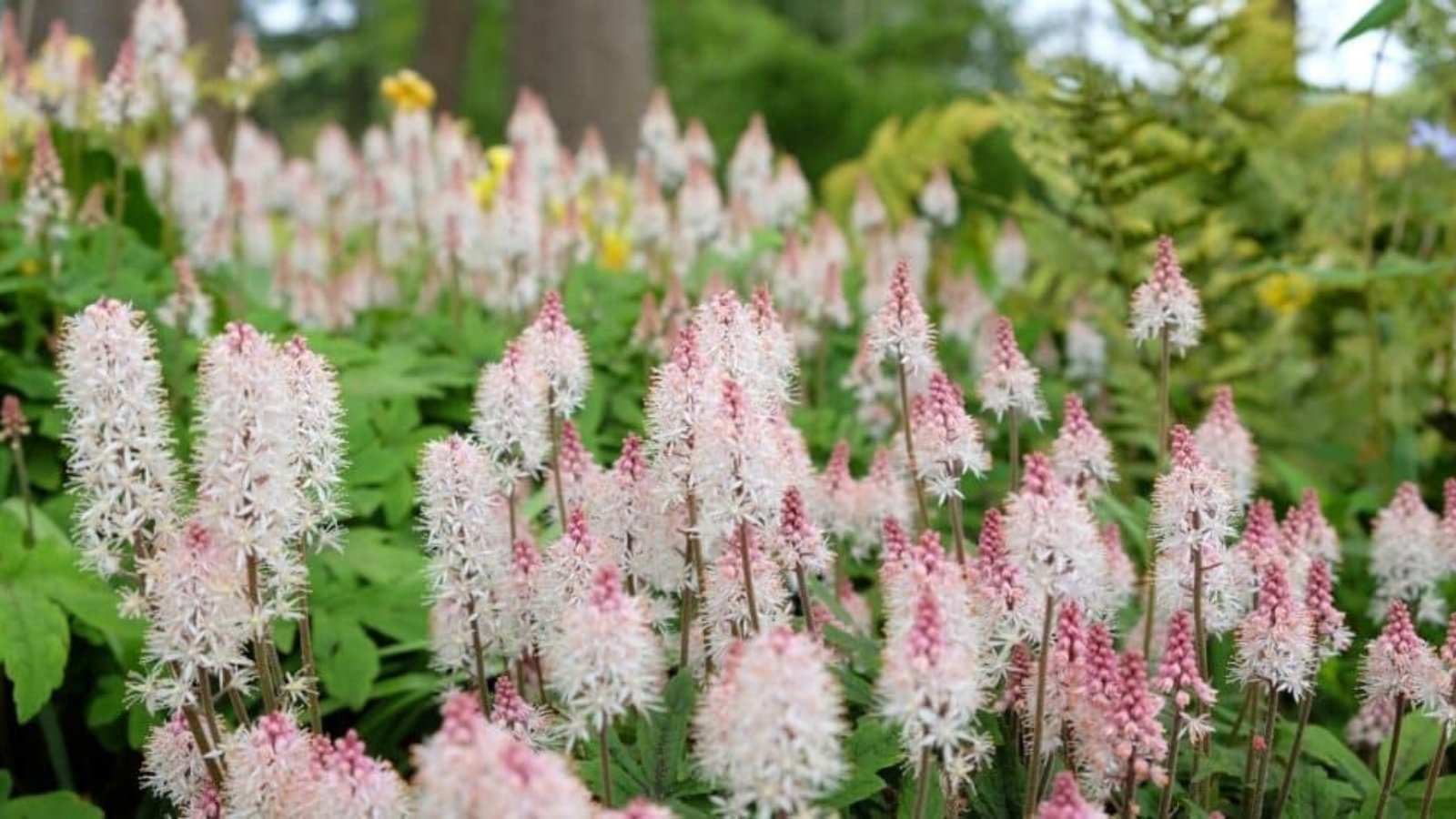
If you are looking for a shady ground cover, this is a great option. Foamflower spreads quickly through runners. The best part about this plant is the plentiful flowers which are white and foamy in appearance.and yes.
These foamy flowers bloom in the late springtime surrounded by mounds of green foliage that will last into or through the fall depending on where you live. In warmer climates the foliage is evergreen and will age into bronze to spruce up your fall gardens.
Lady’s Mantle
|
|
botanical name Alchemilla mollis |
|---|---|
|
|
sun requirements Partial shade |
|
|
height 6-12 inches |
|
|
hardiness zones 3-7 |
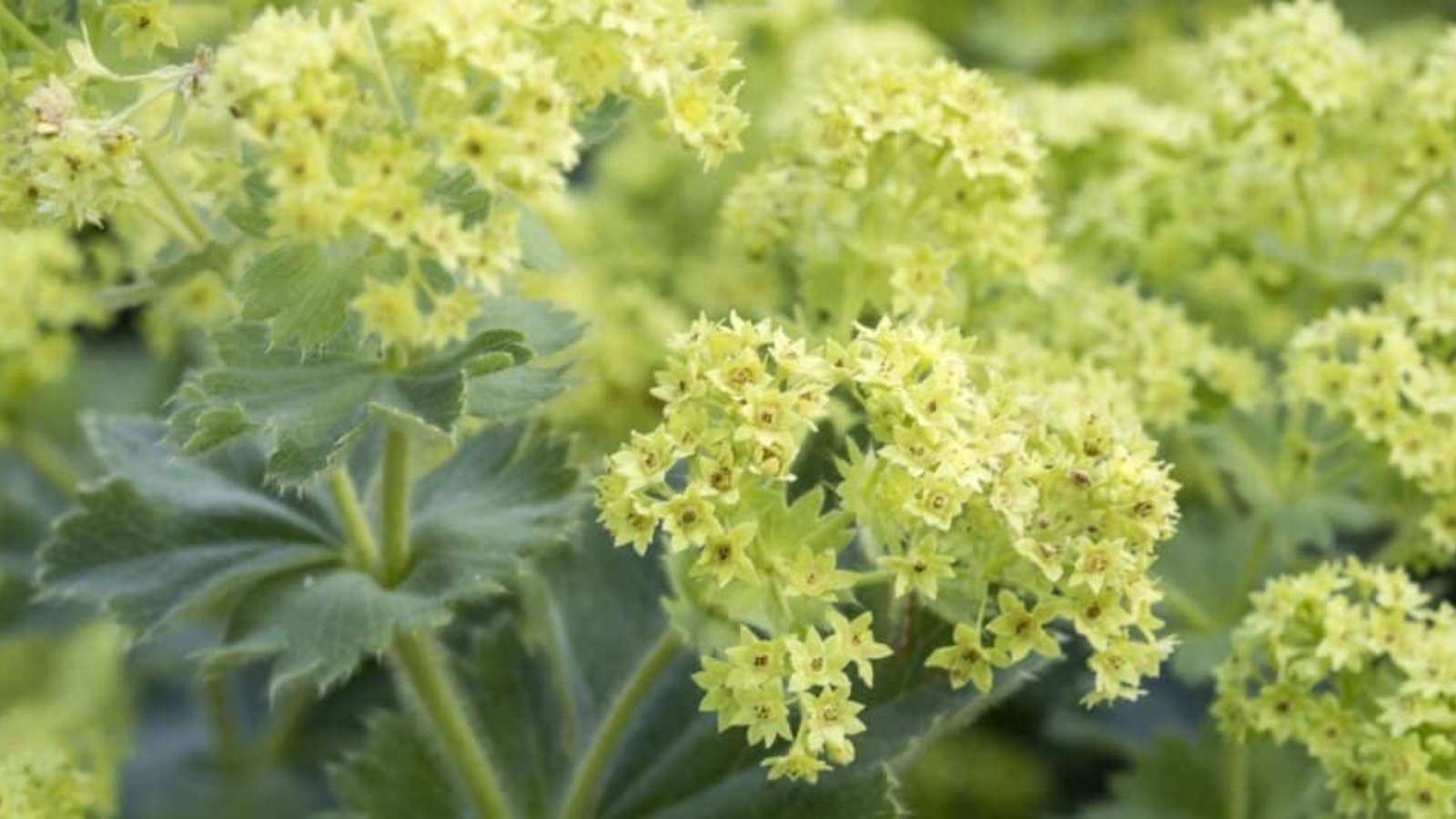
Lady’s mantle is primarily grown for its lush green leaves, however in the late spring it will send up some yellow flowers that add a nice pop of color to the plant. Lady’s mantle is great planted as a border plant, and it is tolerant of many different growing conditions.
Plant lady’s mantle as a mass planting for maximum impact. The leaves and flowers can be cut and used in arrangements as well.
Lenten Rose
|
|
botanical name Helleborus x hybridus |
|---|---|
|
|
sun requirements Partial sun |
|
|
height 12-18 inches |
|
|
hardiness zones 4-9 |
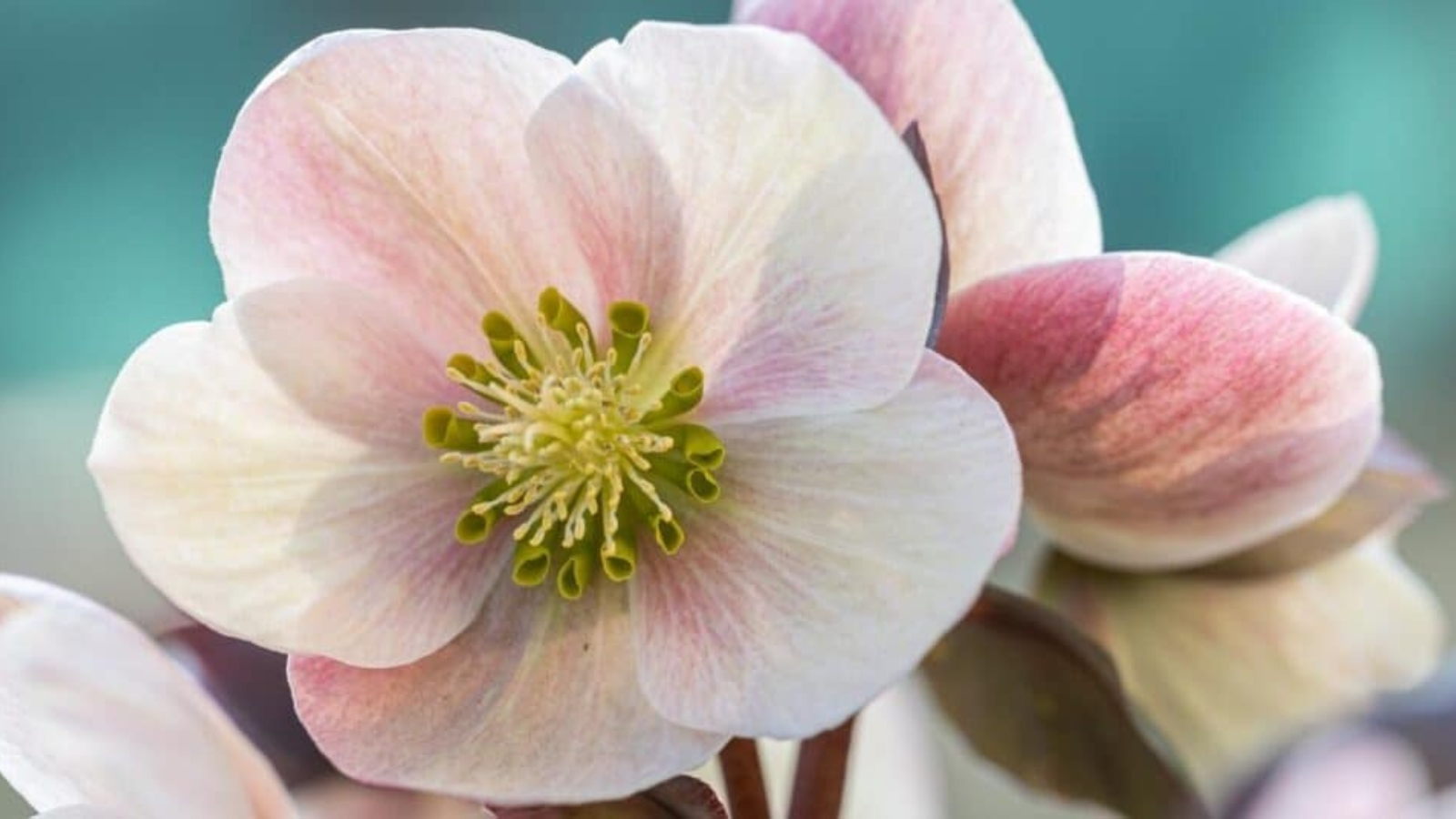
Lenten rose is a really pretty bloomer for late winter into spring depending on where you live. These interesting flowers come in a variety of colors from white, pink, all the way to a deep purple which is almost black.
The lenten rose isn’t just about the flowers though. Its foliage is an attractive deep green, and sometimes there is a hint of silver to the leaves. Lenten rose is evergreen, so you don’t need to cut these plants back in the fall unless you want to.
Lungwort
|
|
botanical name Pulmonaria spp. |
|---|---|
|
|
sun requirements Partial Shade |
|
|
height 6-12 inches |
|
|
hardiness zones 3-8 |
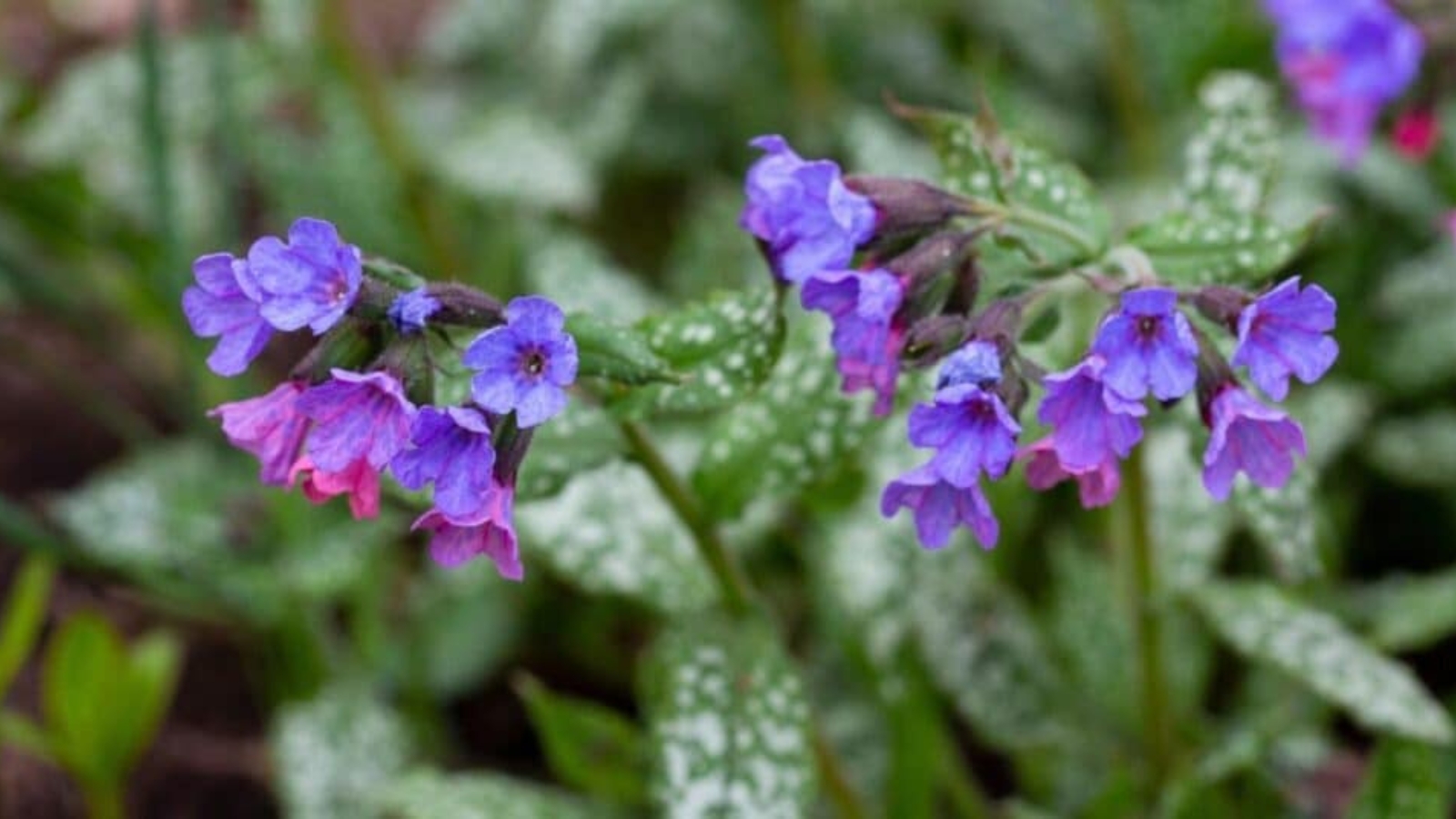
Lungwort is another plant that is primarily grown for its foliage. The leaves on this perennial are green with white speckles. However, every spring these plants will be covered in pink or violet trumpet shaped flowers that grow on stems that reach up to 18 inches in height.
Plant lungwort in a shady area of your garden where it does not have to compete with trees too much. The flowers on lungwort will bloom when there isn’t much else blooming in your garden, but they are not long lasting and this plant should be chosen for its attractive foliage.
Marsh Marigold
|
|
botanical name Caltha palustris |
|---|---|
|
|
sun requirements Partial sun- Partial shade |
|
|
height 1-3 feet |
|
|
hardiness zones 3-7 |
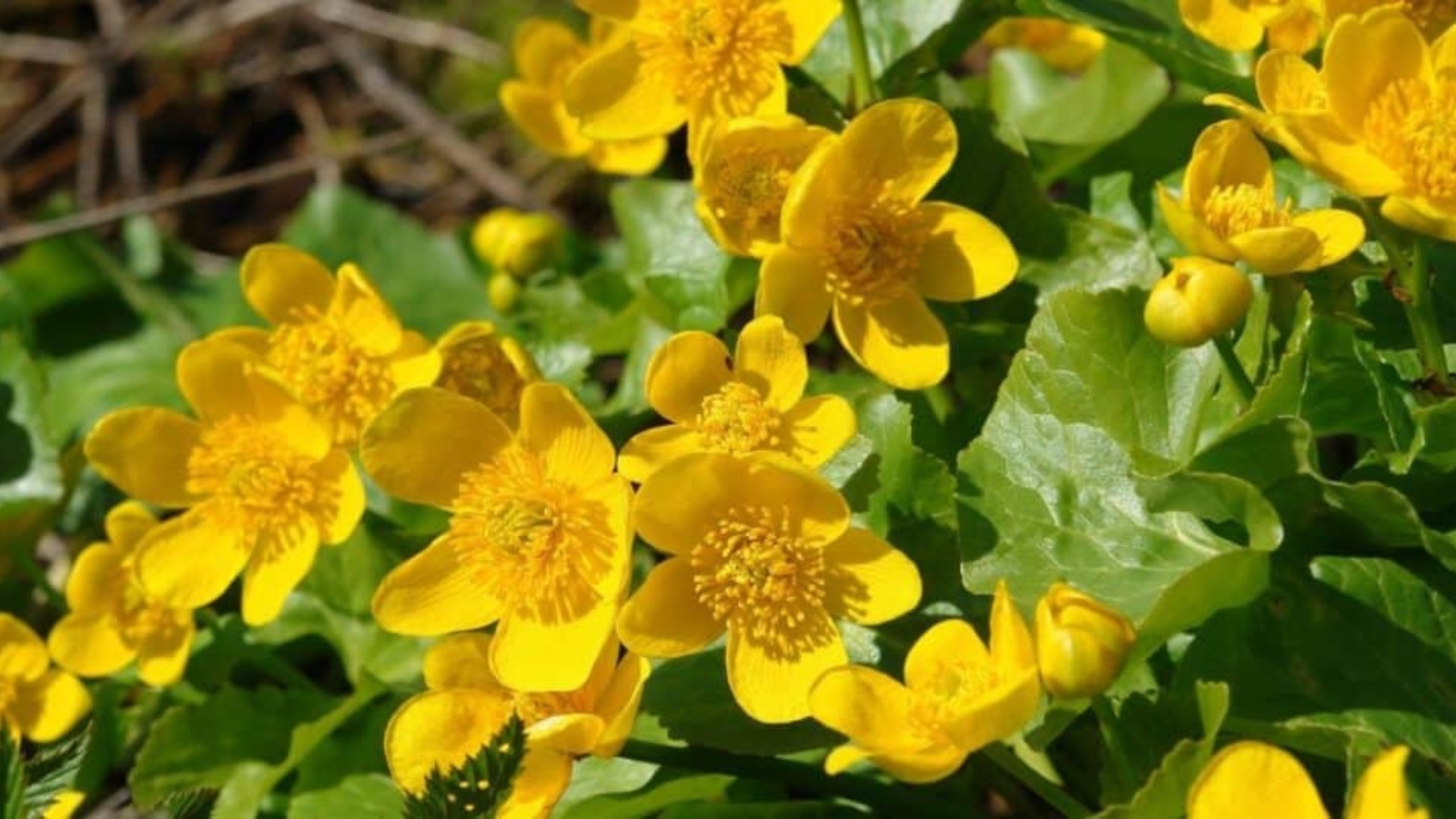
If you have a wet spot in your yard, or a stream this is a great perennial choice for you. Marsh marigold is not actually a marigold, and it does not technically have flower petals either.
The yellow flowers that you see are made up of sepals which are leaves that resemble petals. These sepals surround stamens and pistils creating a buttercup type flower. The leaves are heart shaped and waxy. Marsh marigold is a very fast growing perennial that also attracts pollinators of all kinds.
Oriental Poppy
|
|
botanical name Papaver orientale |
|---|---|
|
|
sun requirements Full Sun |
|
|
height 1-3 feet |
|
|
hardiness zones 3-9 |
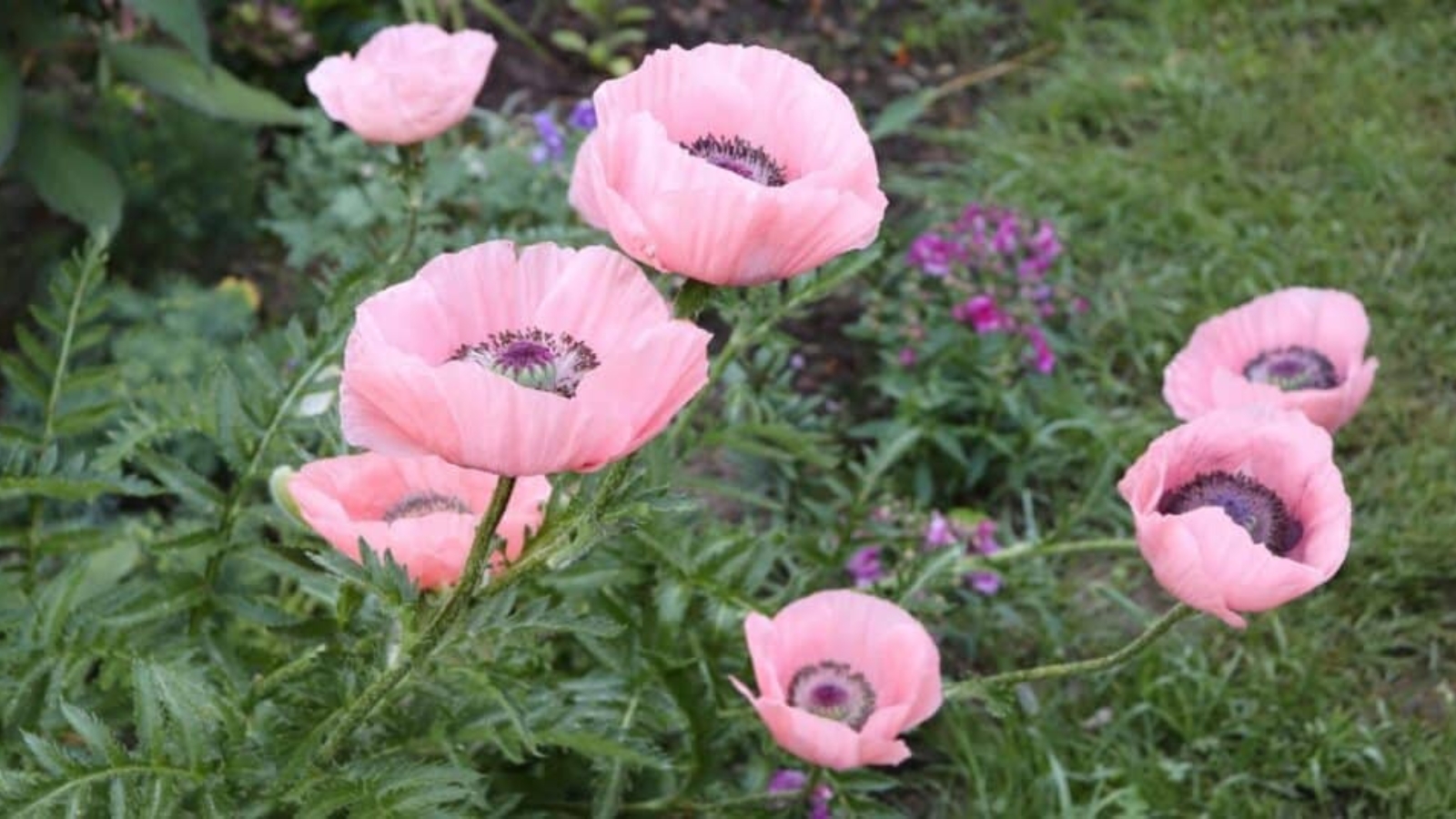
Poppies are known for their large bright beautiful flowers that come in shades of red, orange, pink, purple and more. Poppies will begin to bloom in mid spring and the flowers will last through the summer. The foliage of the poppy is frilly and just as pretty as the flowers.
Poppies will grow well in poor to average soil, and love the full and direct sun. Poppies are low maintenance plants once they get established. They only need to be watered minimally, and deadheaded.
Peony
|
|
botanical name Paeonia lactiflora |
|---|---|
|
|
sun requirements Full- Partial sun |
|
|
height 2-3 feet |
|
|
hardiness zones 3-8 |
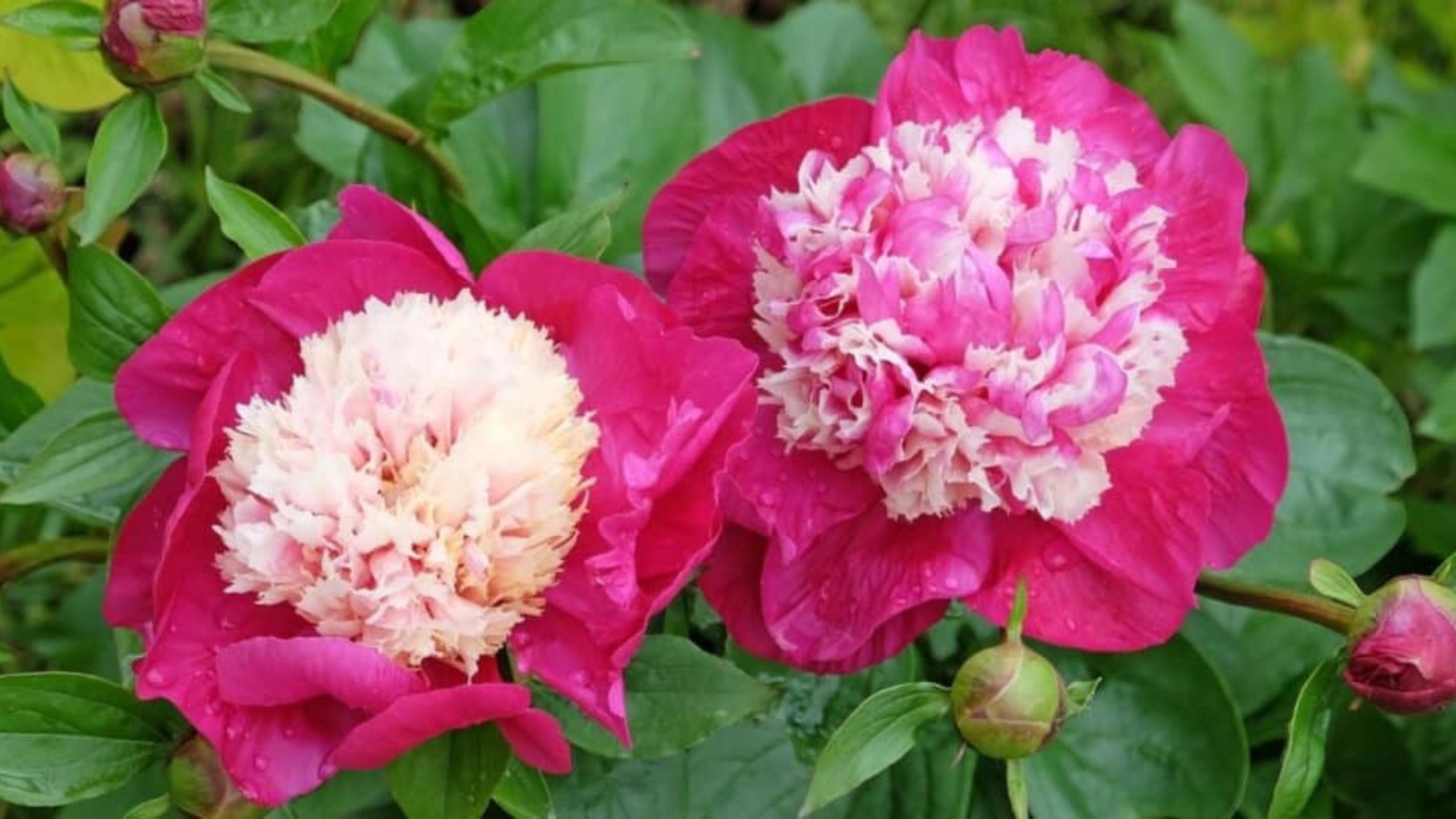
Peonies have been well loved for a very long time. These clump forming perennials have very pretty cut leaves, and large, gorgeous flowers. These flowers are fragrant and are available in a rainbow of colors.
Don’t forget to use a plant ring to support the weight of the flowers and keep the blooms fresh for longer periods of time. Add peonies to cutting gardens, or sunny perennial gardens for a big springtime impact.
Primrose
|
|
botanical name Primula spp. |
|---|---|
|
|
sun requirements Partial shade |
|
|
height 6-20 inches |
|
|
hardiness zones 3-8 |
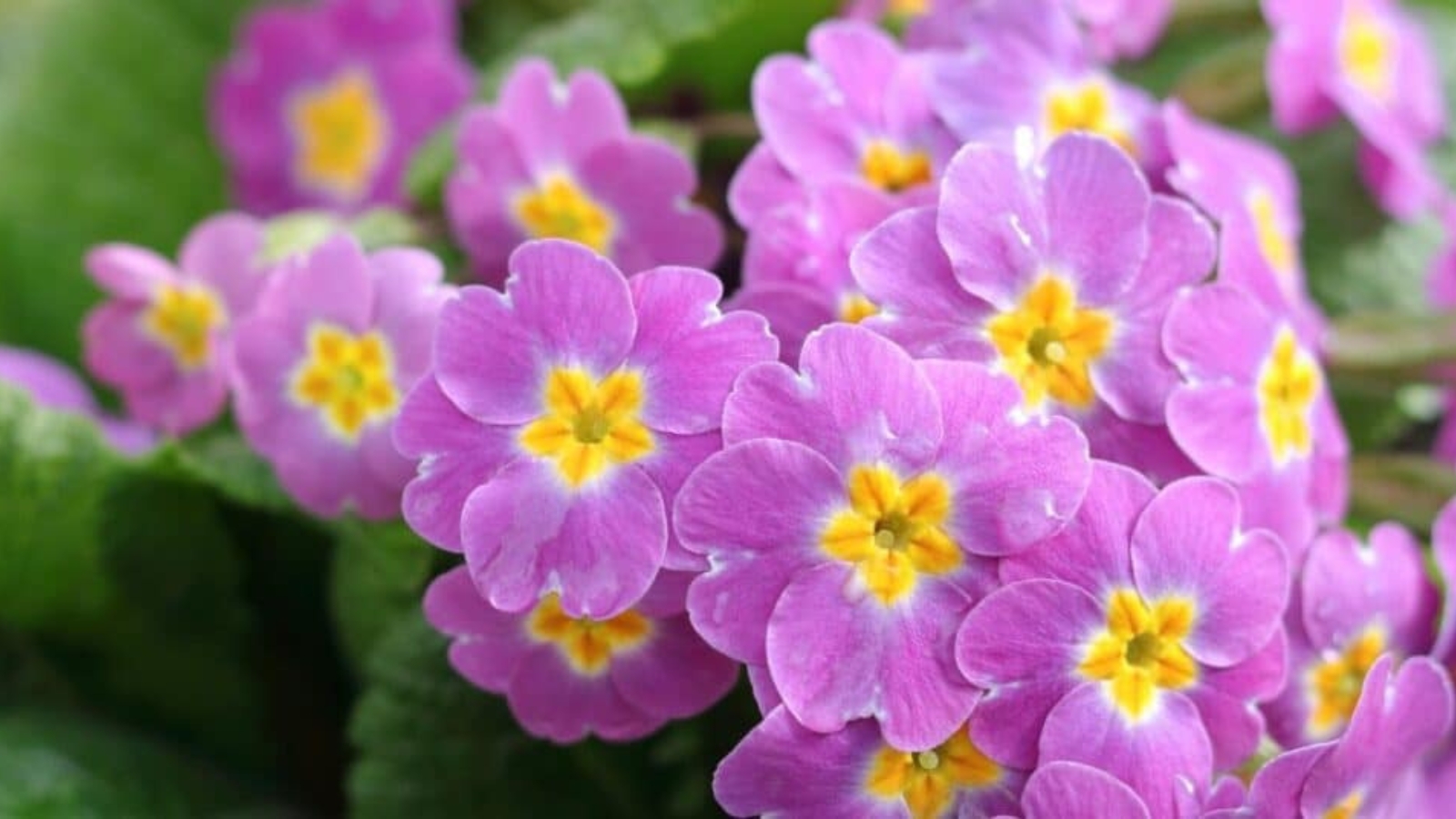
Primrose are very low maintenance perennials that I think are underused in landscapes.You can find a primrose in just about any color that you wish. It can be helpful to purchase these plants while they are in bloom to ensure you have purchased the color you want, or just wing it and see what you end up with!
Plant these pretty plants in swaths in the shade amongst your hostas and water them regularly to reap the benefits of primrose.
Russian Sage
|
|
botanical name Perovskia atriplicifolia |
|---|---|
|
|
sun requirements Full Sun |
|
|
height 3-5 feet |
|
|
hardiness zones 3-9 |
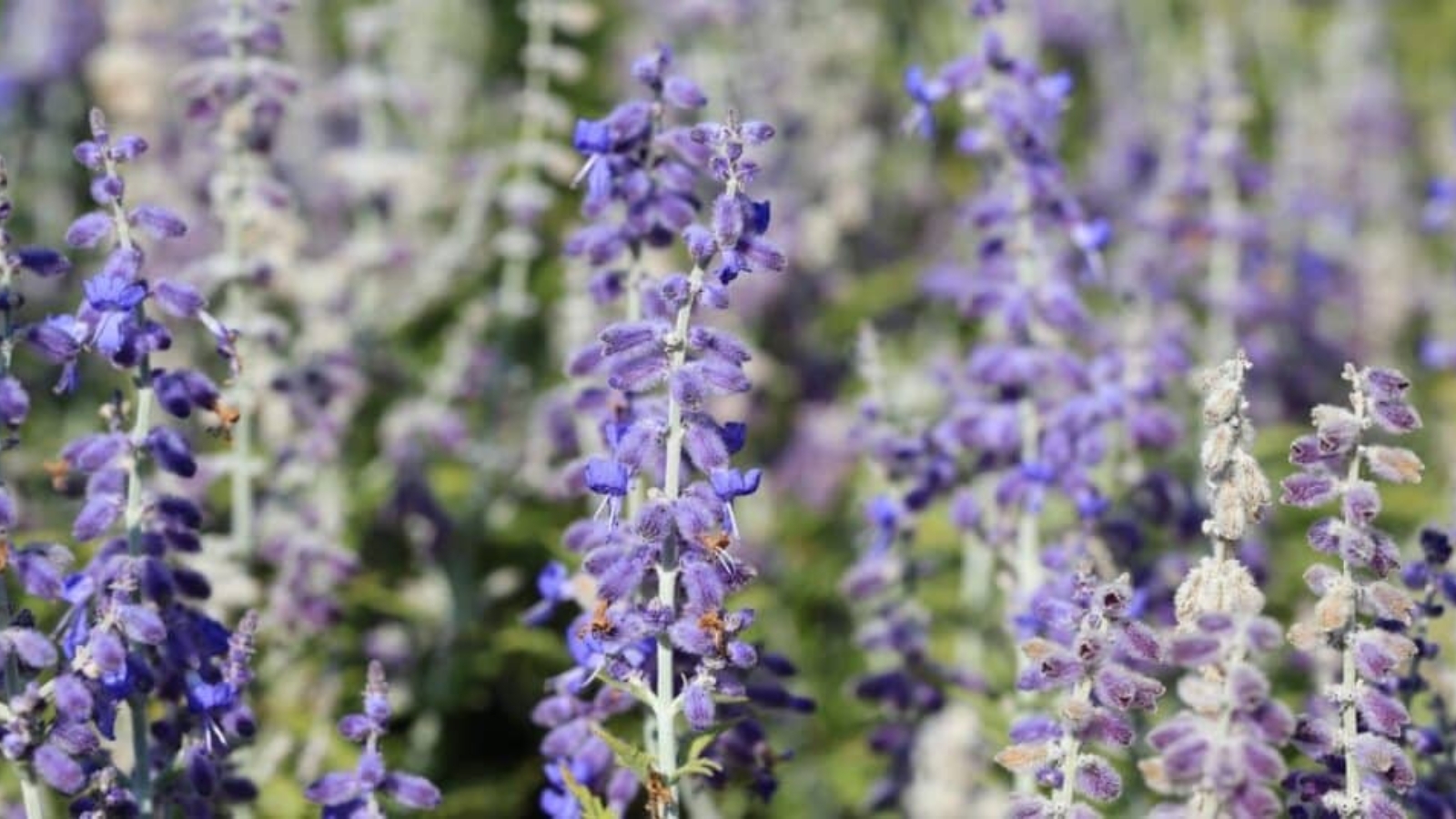
Russian sage is a dependable perennial that produces tons of flowers. These purple spiked flowers have a very long bloom period that will last from late spring through the fall. This fast grower produces purple flowers that are almost blue.
The foliage of Russian sage is a beautiful silver green that reminds me a lot of catmint. Use this plant in areas of your garden that receive full sun, it is drought tolerant after establishment in your garden. In the fall of the spring prune these plants back to about one foot.
Sea Pink
|
|
botanical name Armeria maritima |
|---|---|
|
|
sun requirements Full- partial sun |
|
|
height 6-12 inches |
|
|
hardiness zones 4-8 |
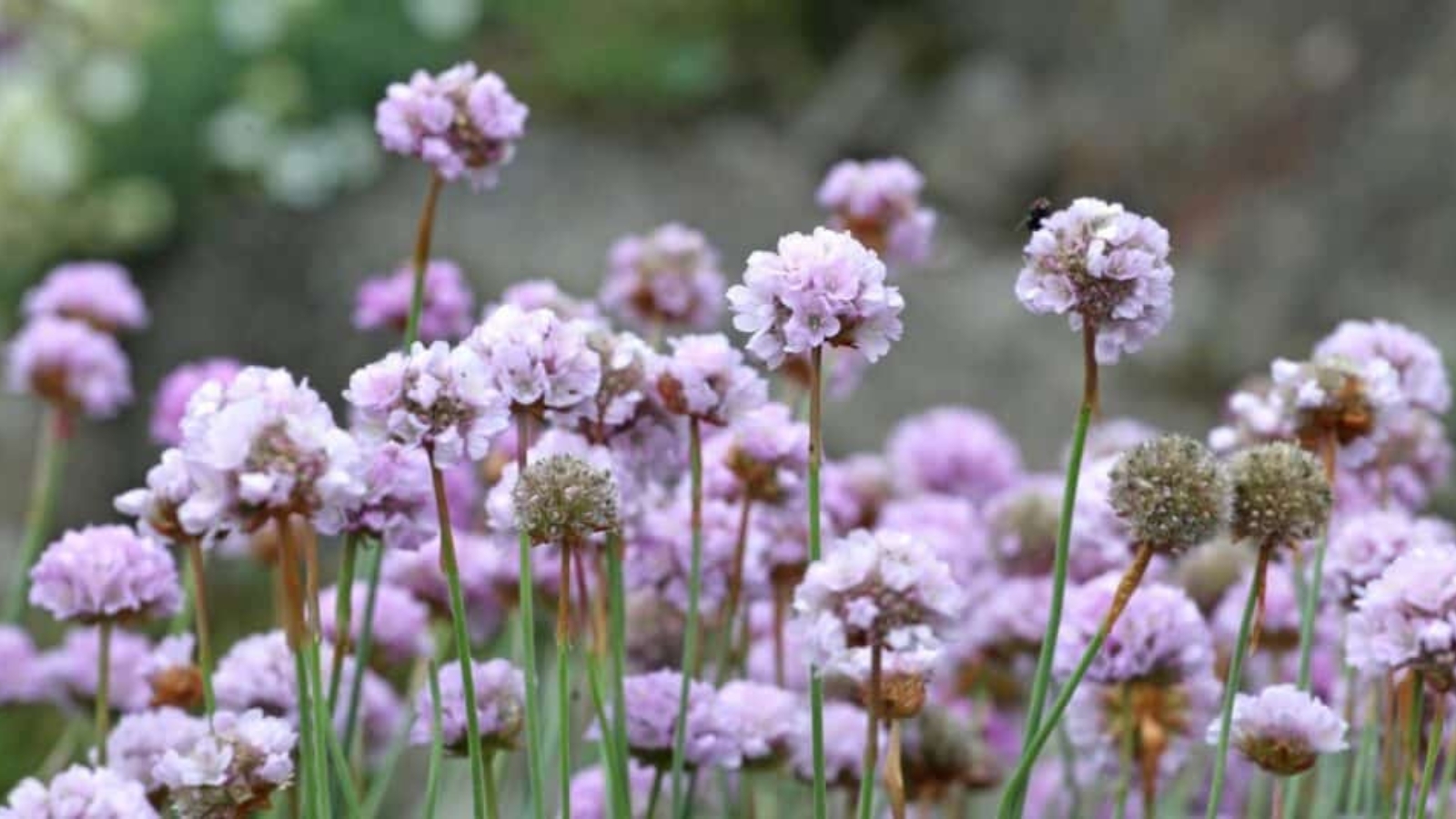
You may know Sea Pink by the name Sea Thrift. Either way, this slow growing perennial is a must add to a spring time garden. The foliage is mounded and looks like grass, and it will last all summer.
In the spring the plant will have pink,red, purple or white ball-like flowers that sit well above the foliage. Sea pink is very tolerant of sandy soils and salty air making it a great coastal plant. It is equally happy living in a rock garden or on the edge of a perennial garden that gets lots of sun.
Siberian Iris
|
|
botanical name Iris sibirica |
|---|---|
|
|
sun requirements Full- partial sun |
|
|
height 3-4 feet |
|
|
hardiness zones 3-8 |
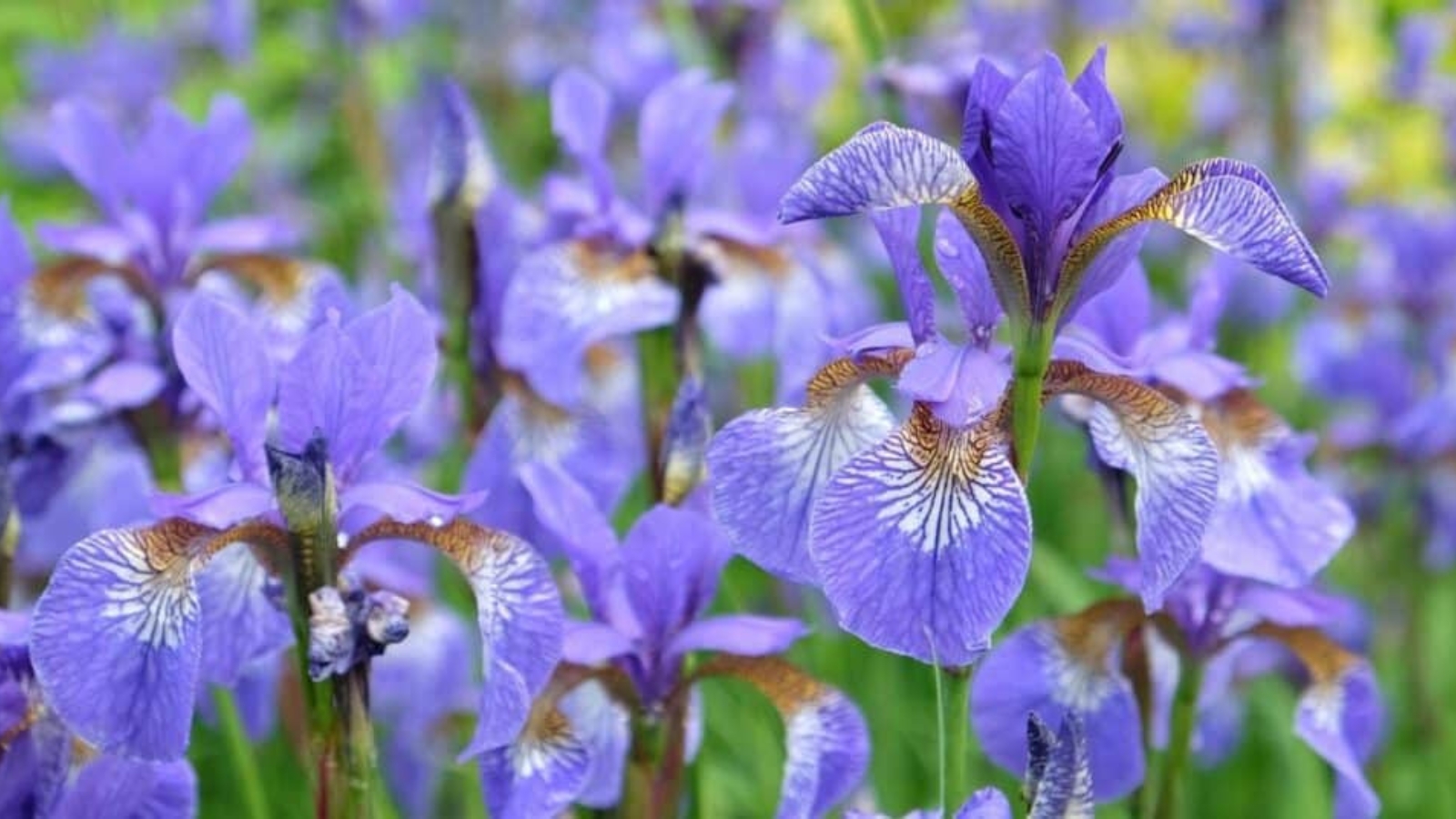
If you are a bearded iris lover, but have not planted siberian iris I urge you to do so. This species of iris has the same attractive leaves as the rest of the iris group, but the siberian iris has smaller flowers.
This iris keeps its attractive leaves a bit longer than the rest, and it is also more resistant to root borers that can fatally damage your irises. Planting irises is usually recommended in the springtime, however you can plant in the fall as well. The fall is also the time to divide and replant your older irises.
Spotted Dead Nettle
|
|
botanical name Lamium maculatum |
|---|---|
|
|
sun requirements Shade-Partial shade |
|
|
height 6-9 inches |
|
|
hardiness zones 4-8 |
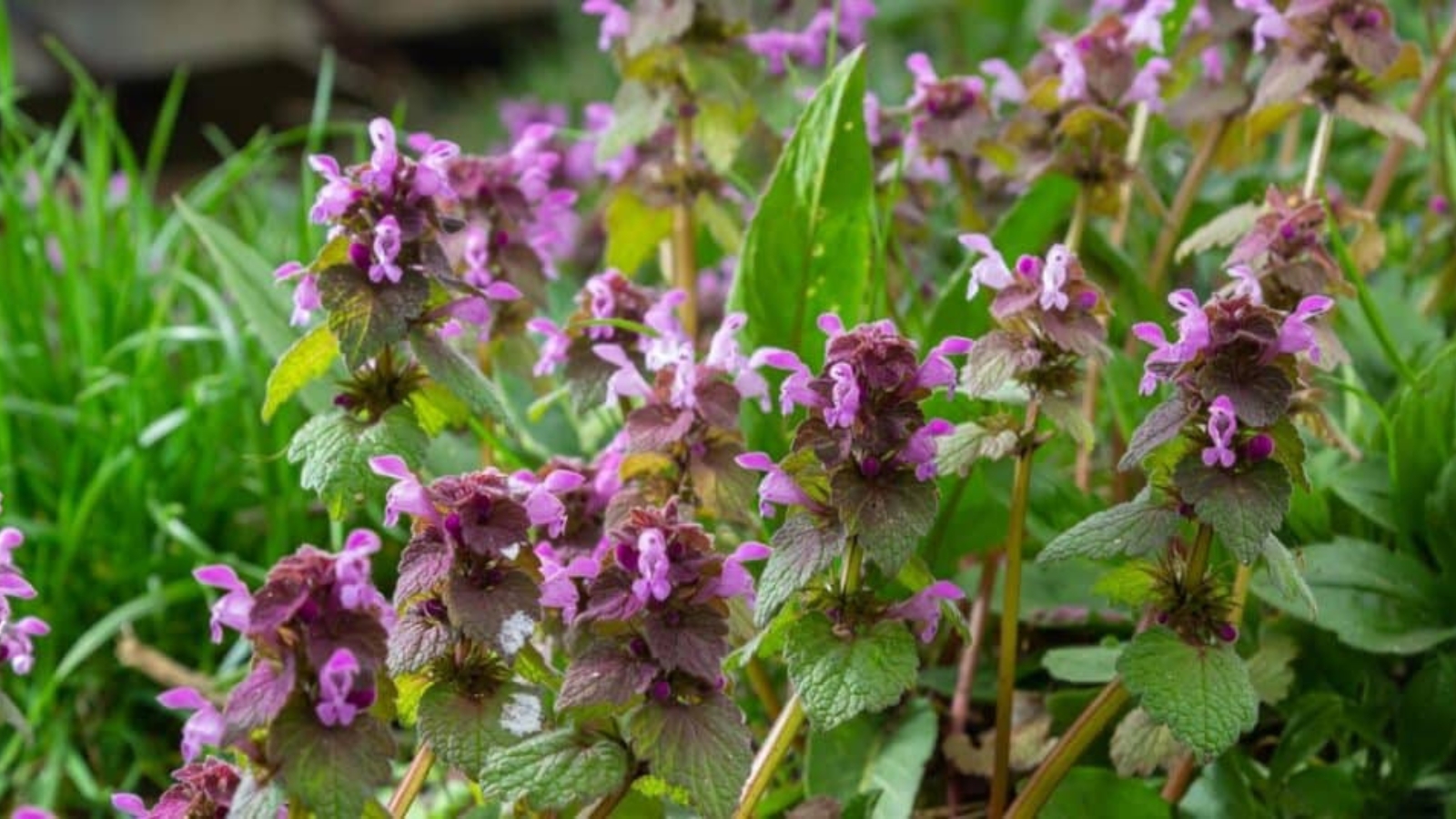
Spotted dead nettle is a classic perennial for a good reason. This plant will grow in deep shade where little else can take hold. The leaves are a soft green with white spots all over them, and their flowers are reminiscent of a light purple snapdragon.
This perennial is a creeper and will spread easily, making it a great choice for those large unmanageable shady areas. Plant with hostas or other shade loving plants.
Trillium
|
|
botanical name Trillium spp. |
|---|---|
|
|
sun requirements Partial- Full Shade |
|
|
height 1-2 feet |
|
|
hardiness zones 4-9 |
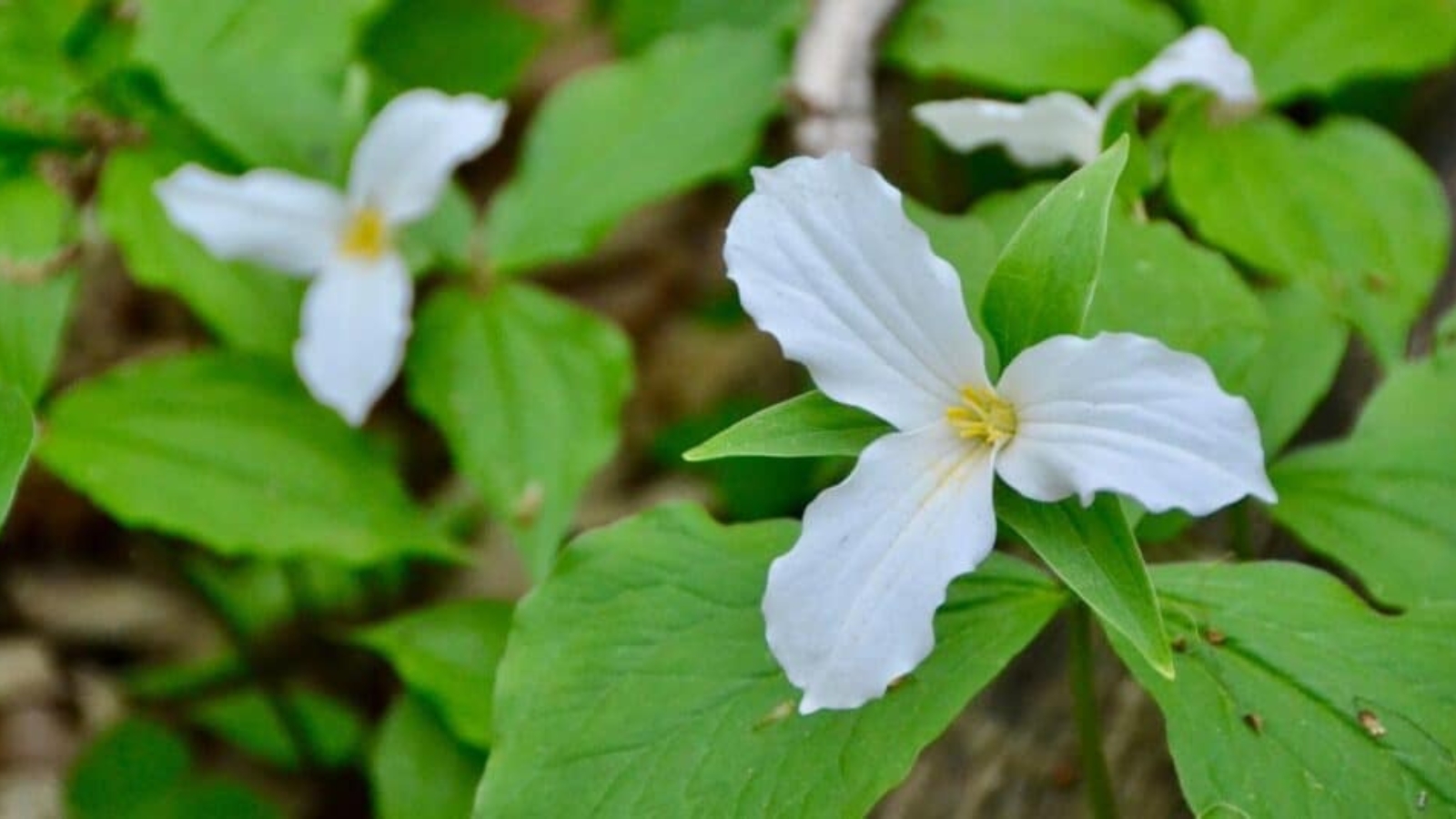
Trillium is a gorgeous spring blooming perennial that really loves to be divided and planted in the fall. This plant comes in groups of threes: three leaves, three petals, and three sepals.
These plants can be found growing in masses in woodland areas, and would be pretty planted in this same way at your home. You will typically find trillium with white or deep red flowers.
Twinleaf
|
|
botanical name Jeffersonia diphylla |
|---|---|
|
|
sun requirements Part Shade |
|
|
height 8-36 inches |
|
|
hardiness zones 5-7 |
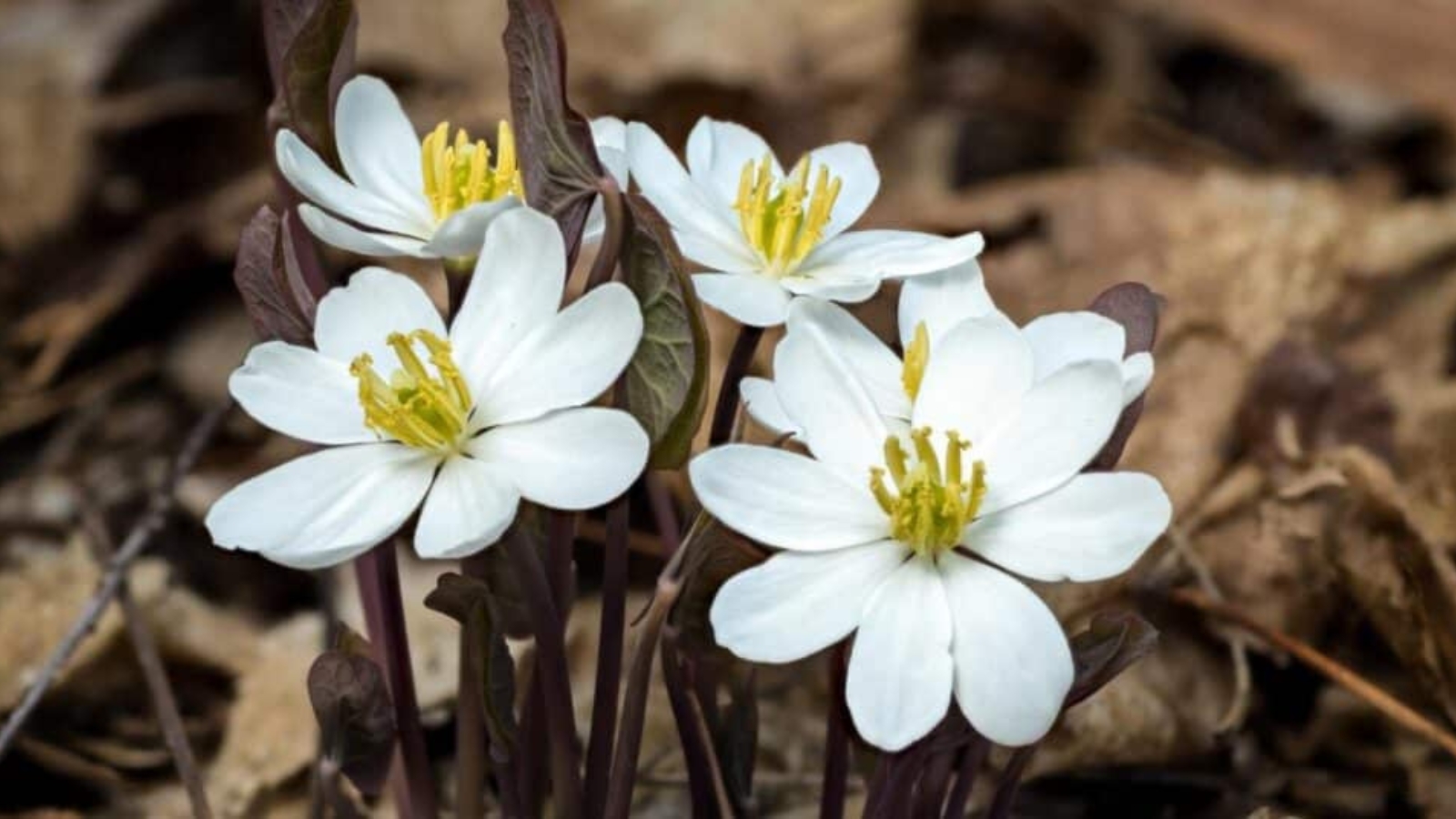
Twinleaf is a plant that is native to the United States. It is known as a woodland plant that grows with a wildflower’s habit.
Twinleaf has clumps of heart shaped leaves that are low to the ground, with white star shaped flowers.This plant is very similar in appearance to bloodroot. Plant this amongst your shade perennials for an unexpected pop of early spring flowers.
Viola
|
|
botanical name Viola spp. |
|---|---|
|
|
sun requirements Full sun to partial shade |
|
|
height 4-10 inches |
|
|
hardiness zones 3-8 |
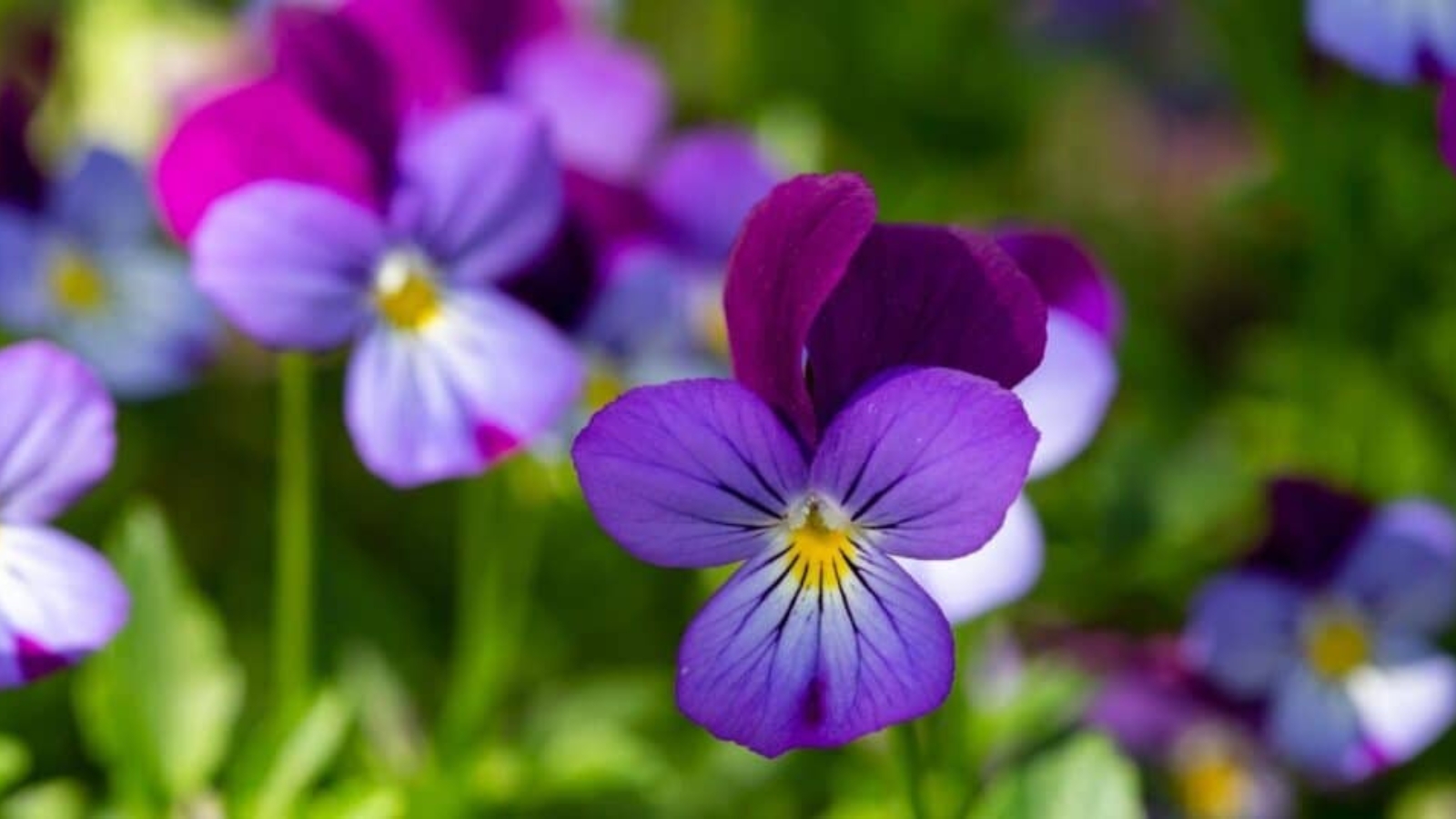
Many of us know and love pansies in the spring, but did you know that pansies or viola are actually perennials? Viola is a relative of the well known annual pansy, but it looks identical and only a bit smaller.
If you plant these pretty violas in partial shade, and deadhead them you will be blessed with a fall bloom when the temperatures begin to drop. Viola are perennials, but they are short lived only lasting a few years, so be prepared to add more to your garden!
Yellow Corydalis

|
|
botanical name Corydalis lutea |
|---|---|
|
|
sun requirements Part Shade |
|
|
height 15 inches |
|
|
hardiness zones 5-7 |
This pretty perennial is a perfect fit for your shady garden borders. Yellow corydalis has clumps of yellow trumpeted flowers on top of fern like leaves. This perennial will spread nicely and fill out your gardens very nicely. The best part of this plant is the very lengthy bloom time.
These flowers will appear in the spring and will continue blooming through the fall, lasting until the first frost in some areas.
Wrap Up
If you decide to add any of these plants to your garden this fall, they will beautify your garden come springtime. Make sure to follow best planting practices in order to keep them healthy and maximize their bloom times. Give them plenty of water, and be ready to care for them when they emerge in the spring!


