13 Easy Care Perennials to Plant in September
September planting gives perennials the right conditions to establish before winter, giving you plenty to look forward to in spring. These low-maintenance varieties settle in easily and reward you with years of blooms and beauty with minimal fuss.

Contents
When you’re planting perennials, you generally have two timing options. You can plant in spring after frost, or you can get ahead and plant in fall. Although it seems like a lot of effort to plant in fall when you won’t see progress for a while, this is actually the best time to establish most perennials, and especially low-maintenance ones.
Cool temperatures and reliable fall moisture provide plants with ideal conditions to develop strong roots before winter arrives. That means that when spring arrives, your perennials won’t have to focus on settling in. They can just perform. To make your life even easier, here we’re talking about varieties specifically chosen for easy care and reliable performance. You won’t find high-maintenance divas on this list. These are the dependable September perennials that come back year after year, looking better with age.
‘Incrediball’ Hydrangea
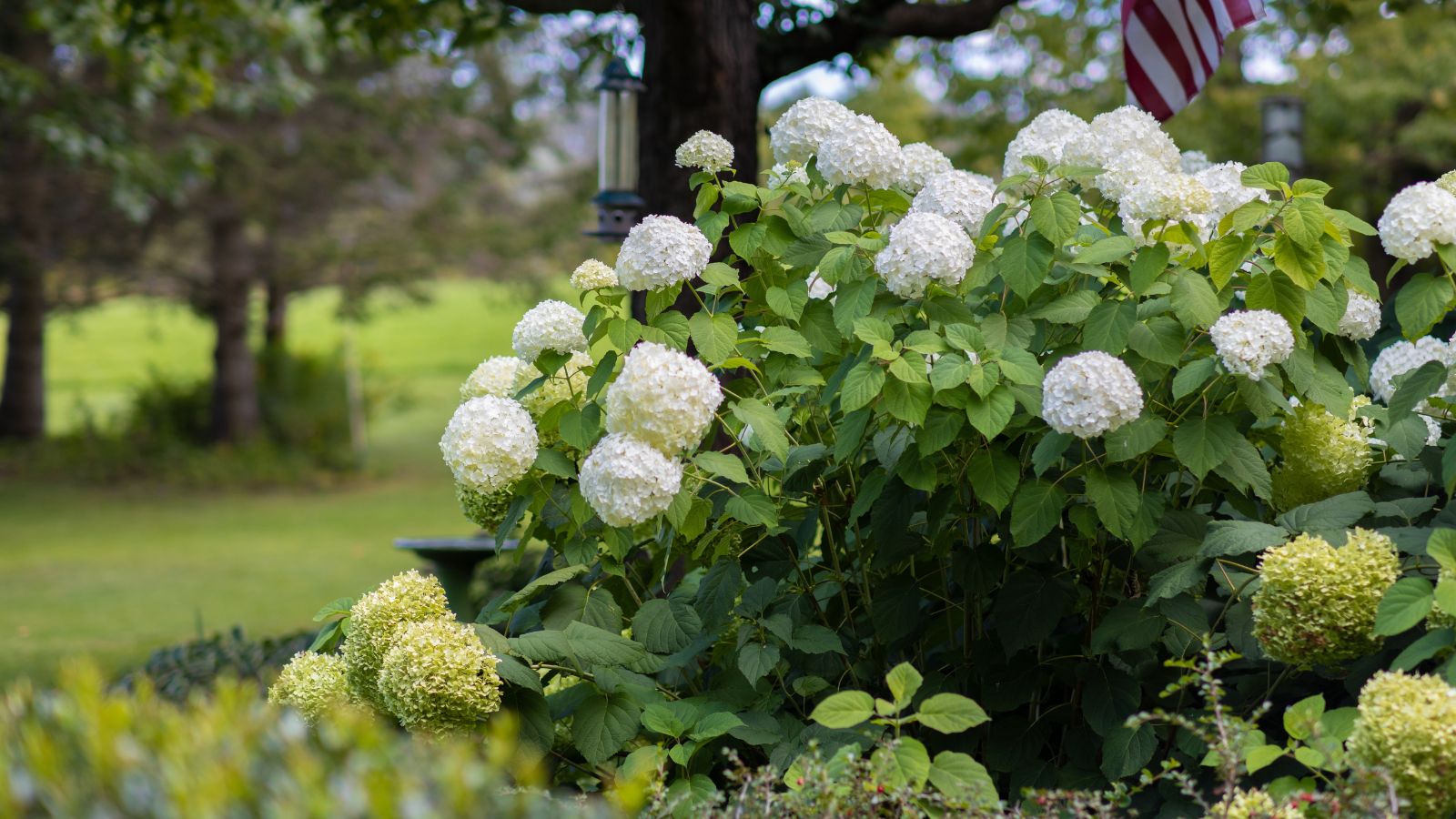
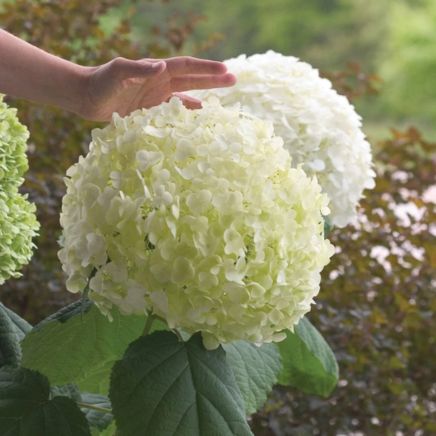
When it comes to foolproof hydrangeas, ‘Incrediball’ tops the list. The massive blooms start out white and age to a gorgeous green, providing a full color show from one plant. They do so with very little attention, especially if you plant these perennials in September.
The flowers work perfectly for cutting gardens or as statement plants where you want guaranteed impact. ‘Incrediball’ performs consistently regardless of soil conditions, but a little compost at planting time goes a long way.
‘Vanilla Strawberry’ Hydrangea
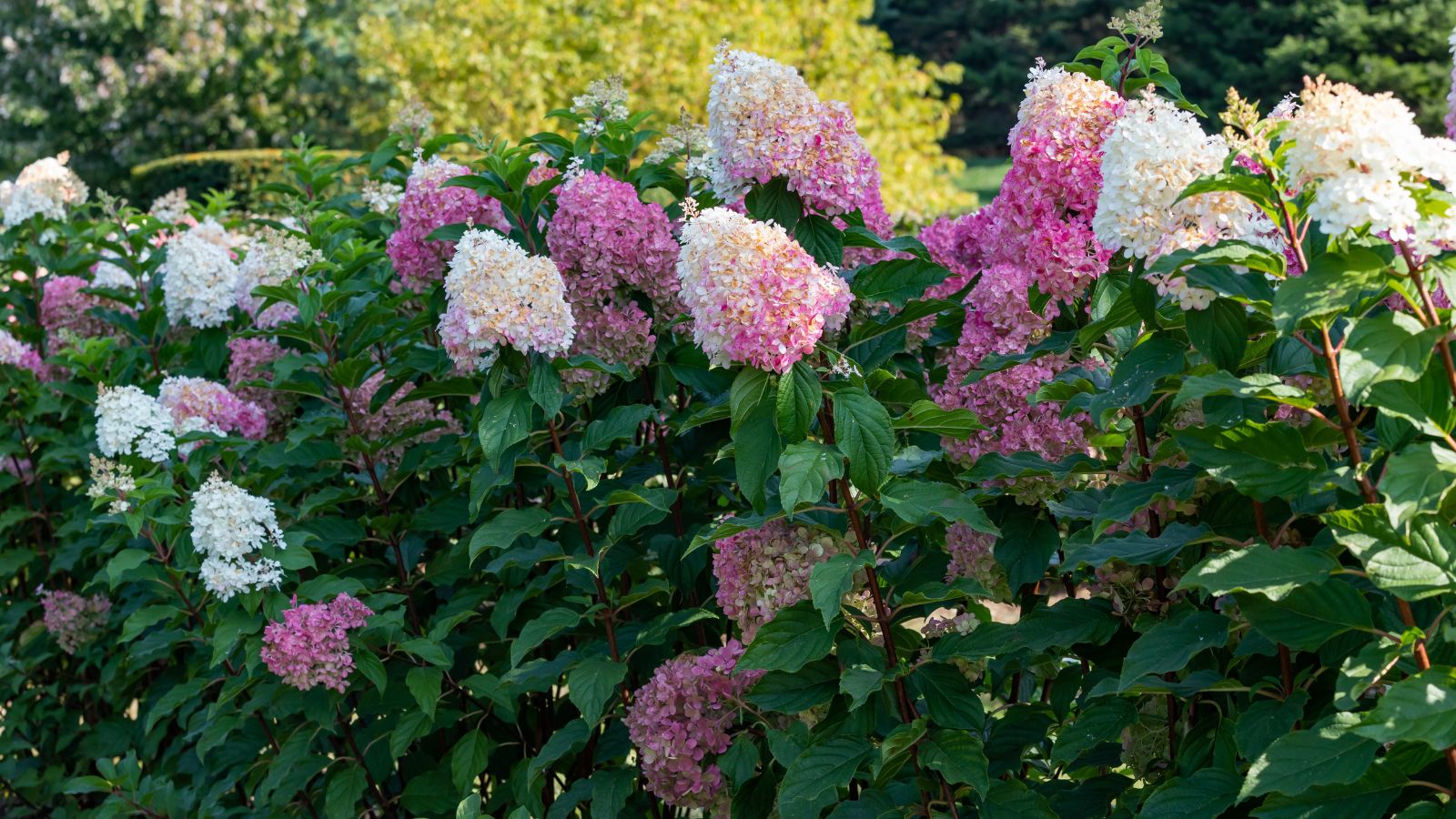
Speaking of reliable bloomers, ‘Vanilla Strawberry‘ produces cone-shaped flowers that start white and gradually turn pink, then deep rose. The color progression happens naturally over several weeks, creating an effect that’s tough to achieve with annual flowers.
These September perennials handle full sun better than most hydrangeas, making them perfect for areas where other shade lovers struggle. Zones 4-8 can plant in September for established plants by spring. The sturdy stems rarely need staking, even when loaded with the large flower heads that make this variety so popular.
Use it anywhere you need late-season color that doesn’t require deadheading or special care to keep blooming.
‘Amethyst Falls’ Wisteria
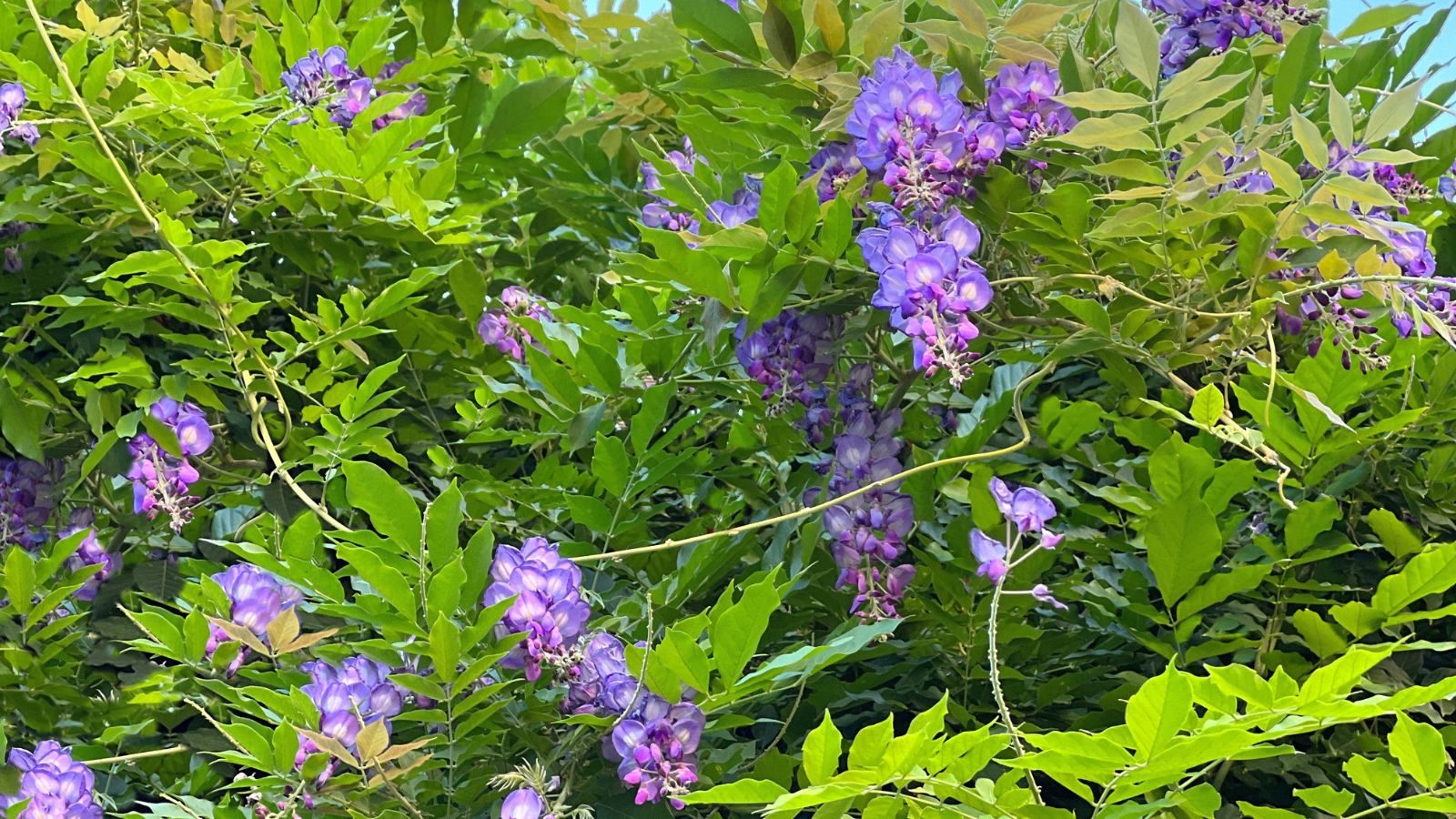
Some wisteria can take over your entire yard (and your neighbor’s), but ‘Amethyst Falls’ stays reasonably contained while still providing that classic wisteria look. The purple flower clusters appear in late spring and often rebloom sporadically through summer.
What makes this climbing perennial easy care is its manageable growth habit with the occasional trim. Zones 5-9 can plant in September, though northern areas should mulch well for winter protection the first year.
These September perennials are perfect for pergolas, fences, or anywhere you want vertical interest. The fragrant flowers attract butterflies and hummingbirds, too.
‘Peggy Martin’ Climbing Rose
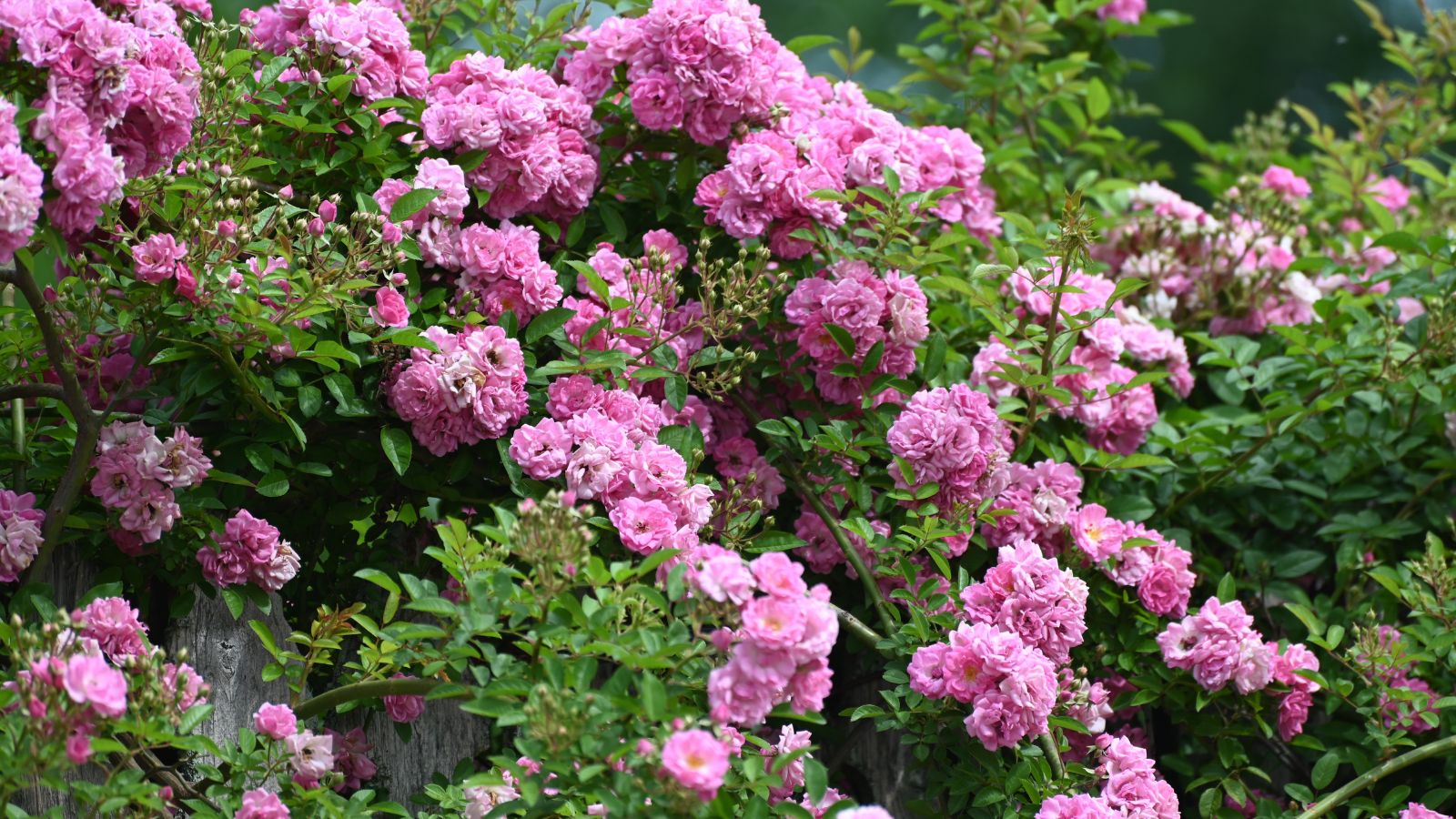
Another climber ideal for pergolas, this rose is surprisingly tough. ‘Peggy Martin‘ produces clusters of small pink flowers from spring through fall with virtually no care required. For a rose, I know that’s hard to believe.
This rose is most appreciated for its disease resistance. It’s also incredibly drought-tolerant once established. Zones 6-10 can plant in September, though zone 6 gardeners should choose a protected location or plant a little earlier.
‘Double Knock Out’ Rose

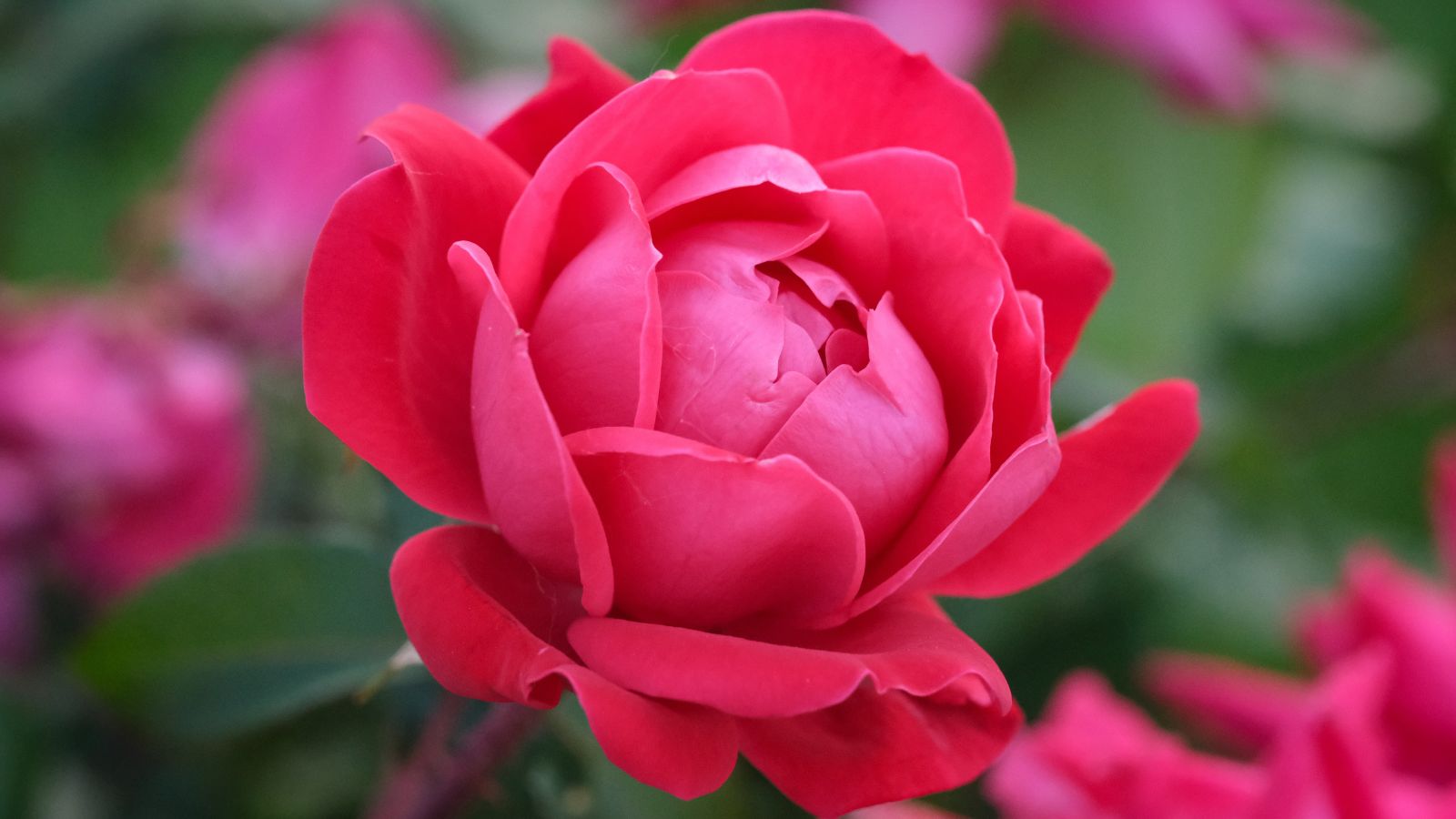
If you want roses without the maintenance drama (but plenty of visual drama), ‘Double Knock Out‘ delivers. These roses are designed for ease, requiring minimal pruning and care.
The double blooms appear continuously on compact, disease-resistant plants that handle heat, humidity, and less-than-perfect soil. Plant these September perennials now, and they’ll be ready to bloom heavily next spring.
Use them in mass plantings for maximum impact, or as single plants where you need guaranteed color all season. The size makes them perfect for smaller gardens where climbing roses would overwhelm the space, or for planting in containers.
‘Purple Haze’ Camellia
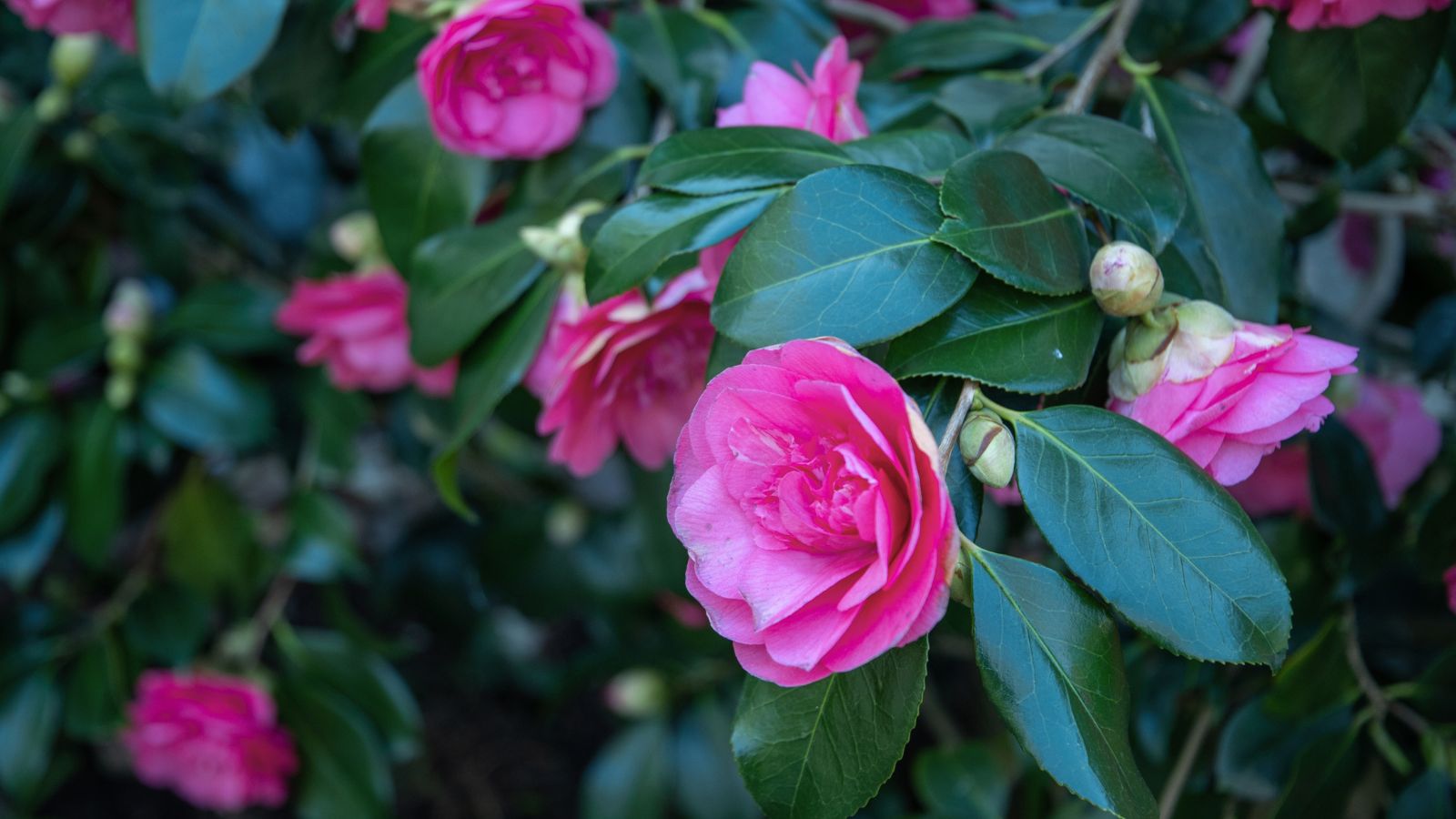
The buds of this unique camellia open to reveal soft flowers in a pinkish-red. That doesn’t quite match the name of this cultivar, but you’ll see the blooms slowly mature to a color much more fitting of the name ‘Purple Haze’. It’s a color combination you won’t really find in spring bulbs or other early bloomers.
Camellias prefer acidic soil and partial shade, but once established, they’re remarkably low-maintenance. This variety handles cold better than many camellias, surviving in zone 6 with protection (zones 7-9 are ideal for September planting). The evergreen foliage provides year-round structure.
‘Sea Foam’ Camellia
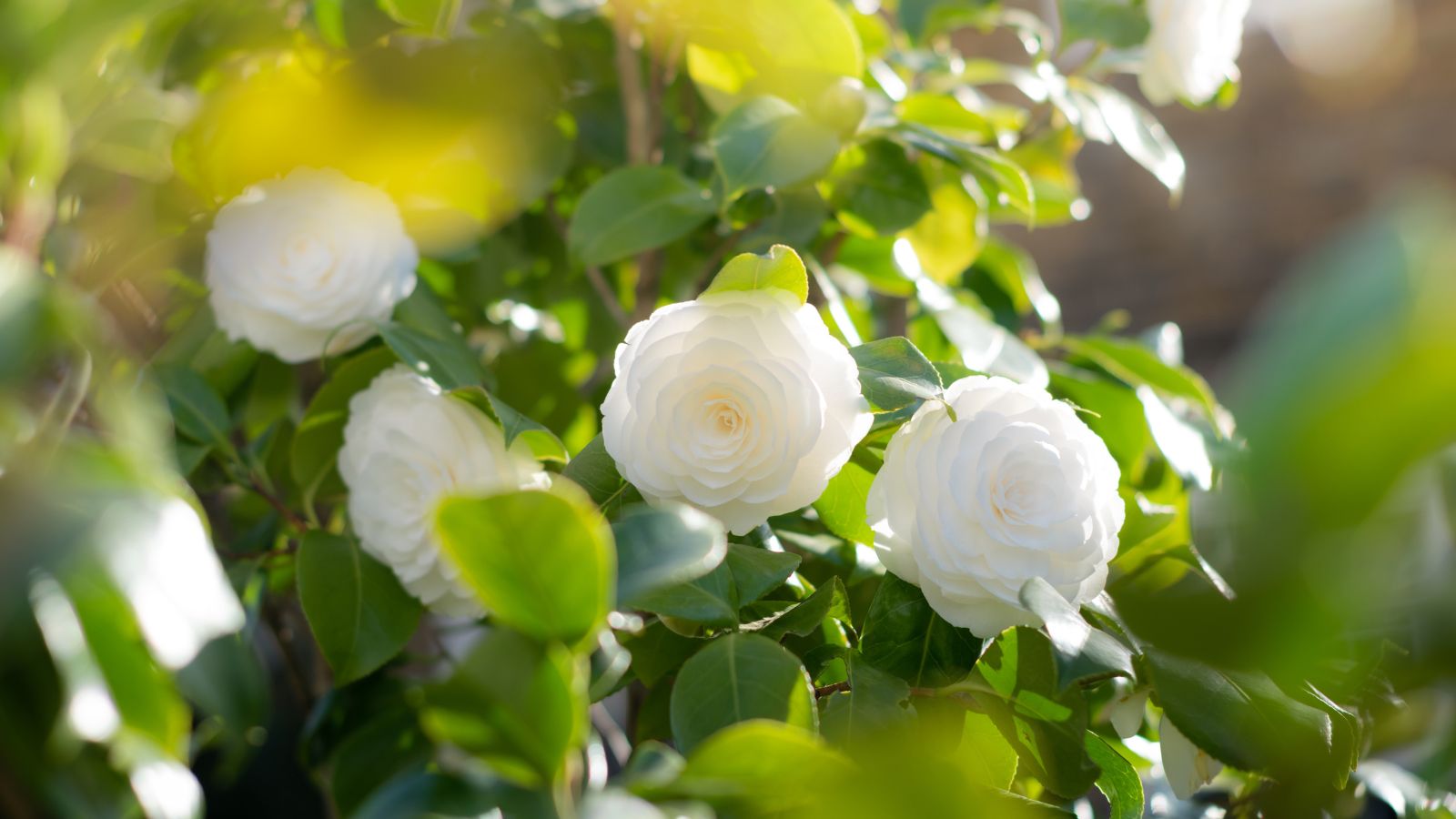
If you want something a little more neutral, ‘Sea Foam‘ is the perfect September perennial. The flowers bloom over several weeks and have an intricate structure that really catches the eye.
Like other camellias, this variety thrives with minimal intervention once properly established. The glossy evergreen leaves look good year-round, and the plant slowly develops into an attractive shrub that needs little pruning.
Zones 7-9 can plant in September for the best establishment. Use it in foundation plantings or anywhere you need reliable neutral color in partial shade.
‘Nova Zembla’ Rhododendron

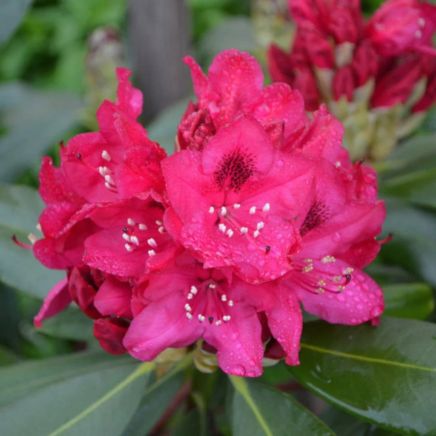
For a cold-hardy rhododendron that blooms reliably, ‘Nova Zembla’ delivers. It survives zone 4 winters without protection and produces the most stunning flowers season after season.
This variety tolerates more sun than most rhododendrons while still preferring the acidic, well-draining soil that they all need. The evergreen foliage provides winter interest, while the spring flowers create dramatic color in woodland gardens or foundation plantings where other shrubs might look too formal.
‘Juiced’ Orange Jessamine
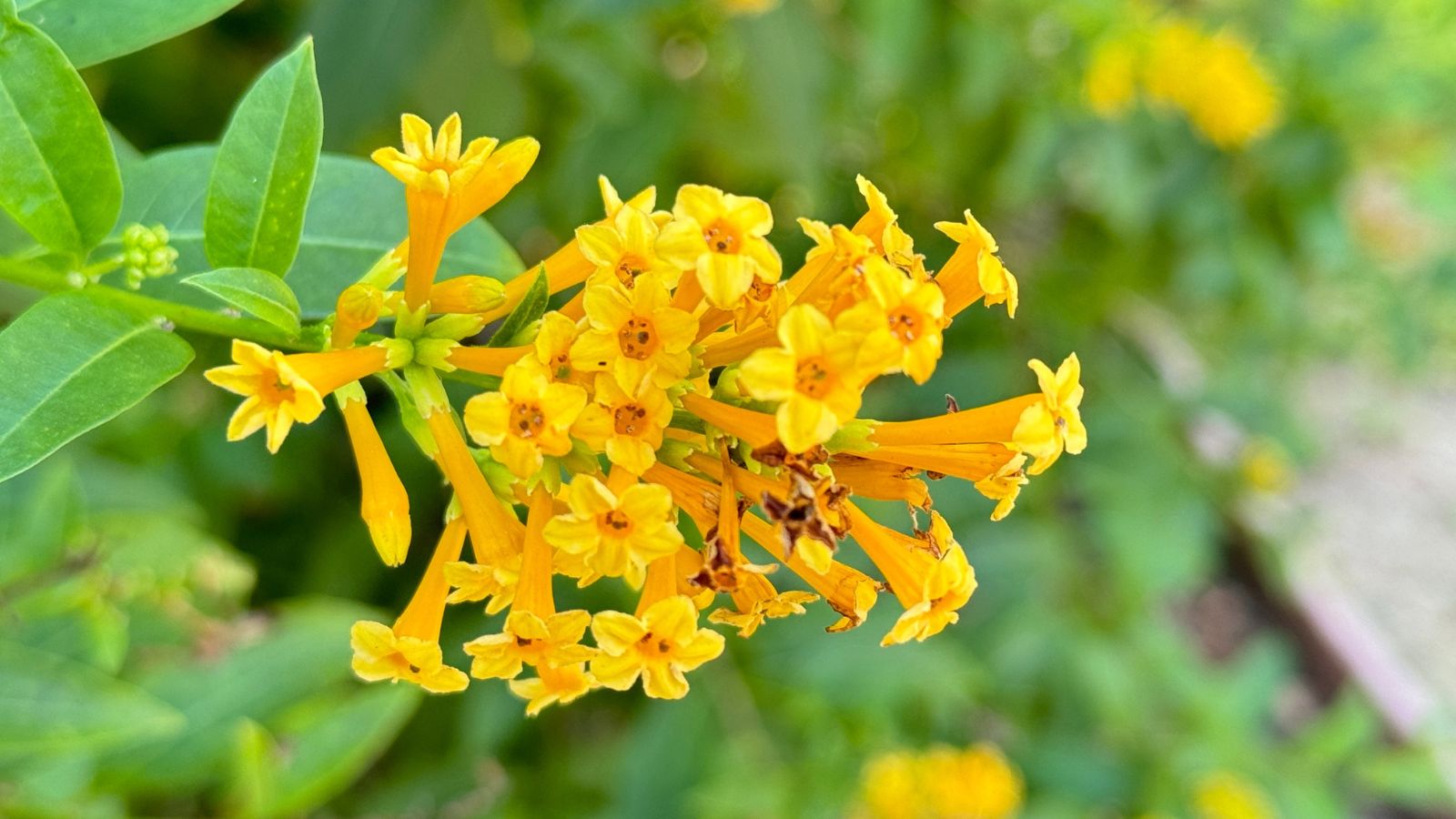
While rhododendrons are better suited to cold climates, jessamine is the ideal September perennial for warmer ones. ‘Juiced‘ produces waves of intensely fragrant blooms from spring through fall, with the strongest flowering in mild weather.
This easy-care perennial thrives in zones 8-11, where September planting takes advantage of cooler temperatures for establishment. It’s great for containers or small gardens where larger shrubs might overwhelm the space, especially if you manage size with regular pruning. Use it near patios or windows where you can enjoy the evening fragrance.
‘Frost Proof’ Gardenia

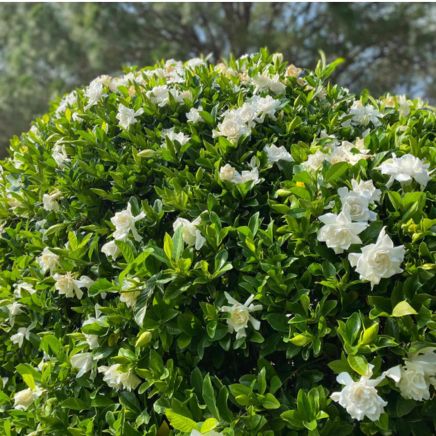
Gardenias are known for being finicky, but ‘Frost Proof’ doesn’t fit that reputation. This variety handles temperature swings while still producing the intensely fragrant white flowers that make gardenias so beloved in the garden.
The name isn’t entirely accurate. It does survive cold snaps that would damage other varieties, and frost won’t instantly damage the buds, but they can look pretty sad if heavy frosts are common. Zones 7-10 can plant in September, though zone 7 gardeners should choose protected locations.
The glossy evergreen foliage looks good year-round, even when the plant isn’t blooming. Don’t forget to trim the flowers to bring them indoors for fragrant bouquets.
‘Black Knight’ Butterfly Bush
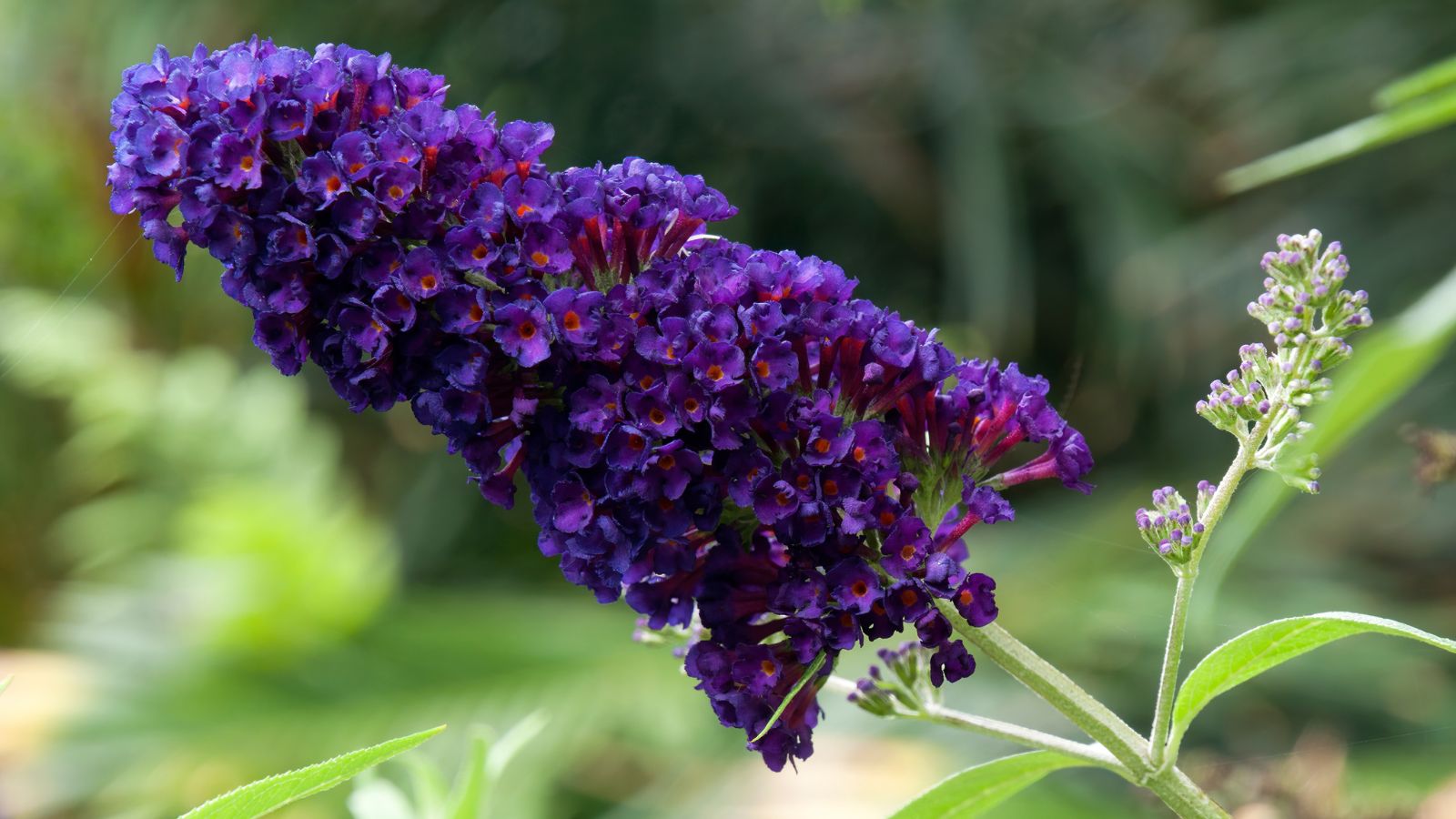
‘Black Knight‘ is one of the better September perennials for smaller gardens, thanks to its more compact growth habit (although it’s still big enough to make a statement). The dramatic and moody flower spikes appear from summer through fall, attracting bees, hummingbirds, and, of course, butterflies.
Cultivars like ‘Black Knight’ are much better behaved than some other butterfly bushes. Please check with your local extension office before planting, as they can still be invasive in some regions. Zones 5-9 can plant in September, and the plants will be ready to bloom heavily next summer.
Cut back hard in late winter to maintain compact size and encourage maximum flowering. Drought tolerance makes this variety perfect for waterwise gardens.
‘Birthday Cake’ Butterfly Bush
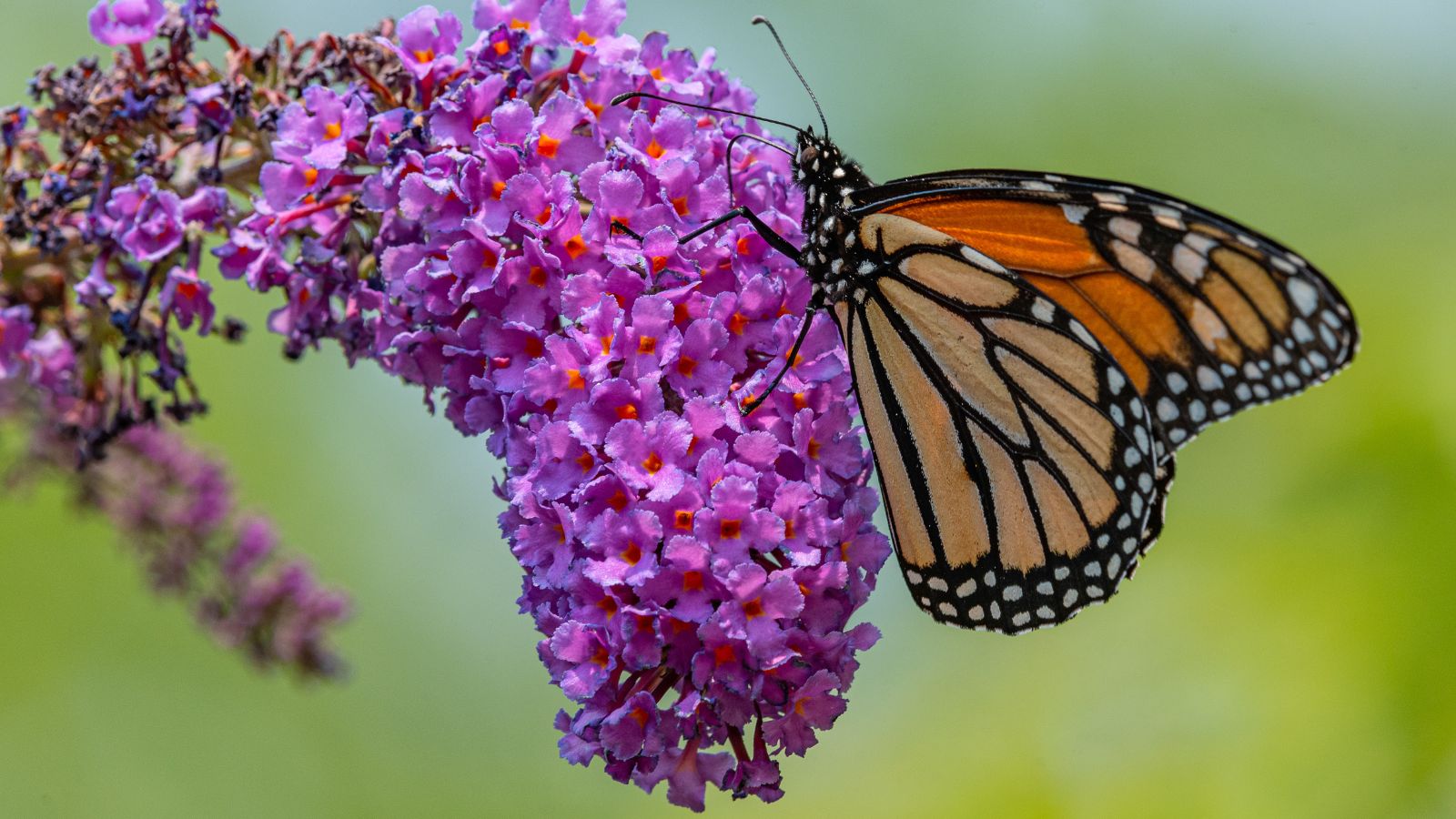
‘Birthday Cake‘ butterfly bush looks exactly like its name suggests. The bright coloring attracts attention from both gardeners and pollinators, while the compact size keeps it manageable in smaller spaces.
This variety shares the same easy-care characteristics as other modern butterfly bushes: drought tolerance, reliable blooming, and minimal pest problems. Use it in pollinator gardens, cutting gardens, or anywhere you want stunning flower colors that photograph beautifully. The long-lasting blooms make excellent cut flowers, too.
Carolina Jasmine
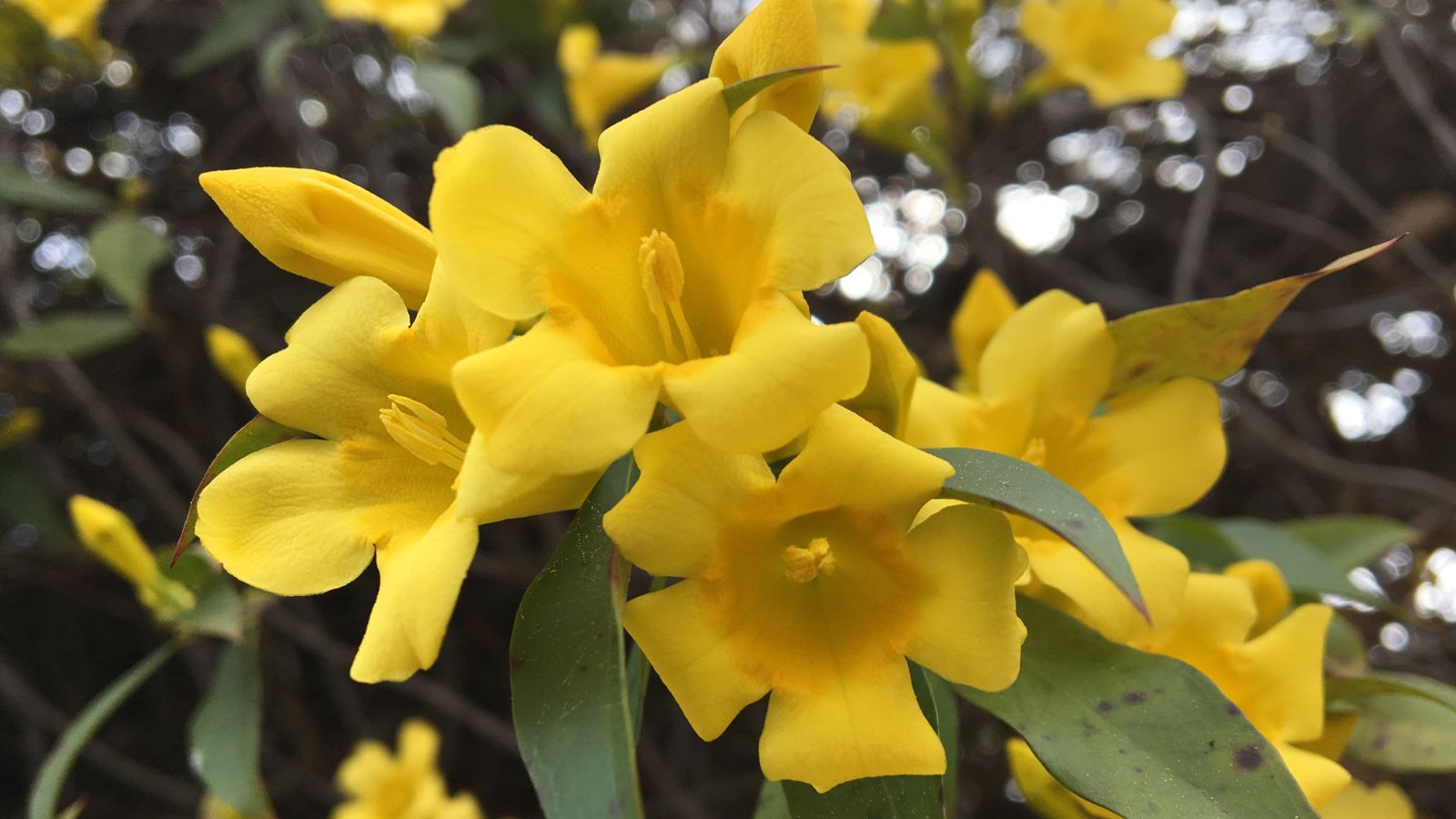
For southern gardens, Carolina jasmine is a wonderful September perennial to plant now. This native vine climbs nearby structures, making it perfect for fences, trellises, or arbors to add a bit more greenery to hardscapes.
The early flowers provide nectar for emerging pollinators, adding buzz to your garden in spring. Zones 7-10 can plant in September, but they do tend to perform better in slightly warmer regions.
Be aware that all parts of this plant are toxic if ingested, so avoid it in areas where children or pets might nibble on the attractive flowers.


