31 Perennials That Thrive in Full Sun Conditions
Looking for perennial flowers that can handle sunny conditions in your garden this season? Check out some of our favorite perennials that grow exceptionally well in full-sun conditions!

Contents
If you have a sunny patch in your yard, you may have struggled with finding plants that enjoy a lot of sun. Luckily, there are several beautiful options if you want to design a lovely sunny garden full of perennials. Read on to learn about all of the beautiful sun-loving plants you may want in your garden.
Perennials are an excellent choice for a sunny garden because they are often hardy enough to develop the space year after year. This makes it easy for gardeners that find a plant they love, and expect to see them come back each and every growing season.
Some perennial plants are known for their flowers, while others are known as an herb or a ground cover. Several flowering plants are ideal if you want to cultivate a pollinator-friendly garden. So, are you ready to learn a bit more about which perennials grow extremely well in full sun conditions? Let’s dig a little deeper and look at some of our favorite plants that we’ve hand-picked!
Asiatic Lily


|
botanical name Lilium asiatica |
|---|---|

|
plant type Perennial Flower |

|
sun requirements Full Sun |

|
height 4’ |

|
hardiness zones 4 to 9 |
Asiatic lilies are a beautiful addition to your garden if you need an early-bloomer that thrives in the sun. They bloom around June or July with red, orange, yellow, purple, pink, and white flowers. Some varieties even have multiple colors simultaneously.
Plant the bulbs for these lilies in well-draining, somewhat acidic soil during the autumn. Ensure that you give these flowers plenty of water, especially when there is a drought.
Bee Balm

|
|
botanical name Monarda spp. |
|---|---|
|
|
plant type Herbaceous Perennial |
|
|
sun requirements Full or Partial Sun |
|
|
height 2’ to 4’ |
|
|
hardiness zones 4 to 9 |
There are several species of bee balm in the Mondara genus. Some of these varieties include hybrids of a few species. These plants tend to be red, purple, or pink. Many like this plant for its unique flowers and appeal to pollinators.
It is also an excellent option for those who want a fast-growing and interesting-looking perennial that can spread through the yard quickly. However, if you are worried about excessive spreading, you may want to watch this plant.
Bellflowers
|
|
botanical name Campanula spp. |
|---|---|
|
|
plant type Herbaceous Perennial |
|
|
sun requirements Full Sun to Part Sun |
|
|
height 3” to 5’ |
|
|
hardiness zones 2 to 9 |
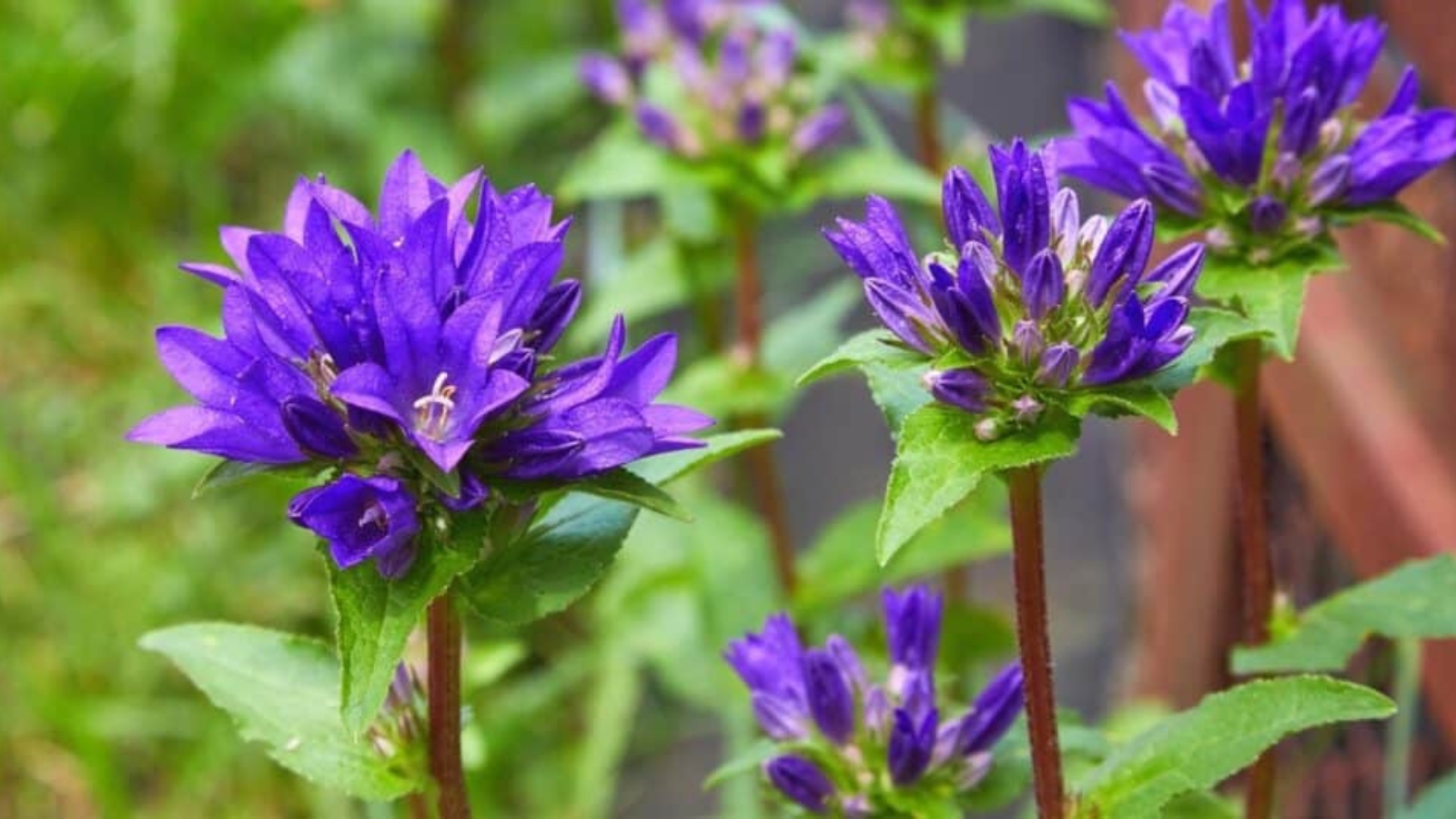
There are several different Bellflower varieties, and they come in several shapes, colors, and sizes. Varieties can be blue, pink, purple, or white. The blooms always consist of five petals shaped like cups, bells, or stars. Bellflowers grow in a range of sizes. So they can make a great groundcover or border plant.
Bellflowers are very low-maintenance. In some cases, these flowers can spread aggressively and may need some maintenance.
Black-Eyed Susan
|
|
botanical name Rudbeckia hirta |
|---|---|
|
|
plant type Perennial, Biennial |
|
|
sun requirements Full |
|
|
height 2’ to 3’ |
|
|
hardiness zones 3 to 7 |
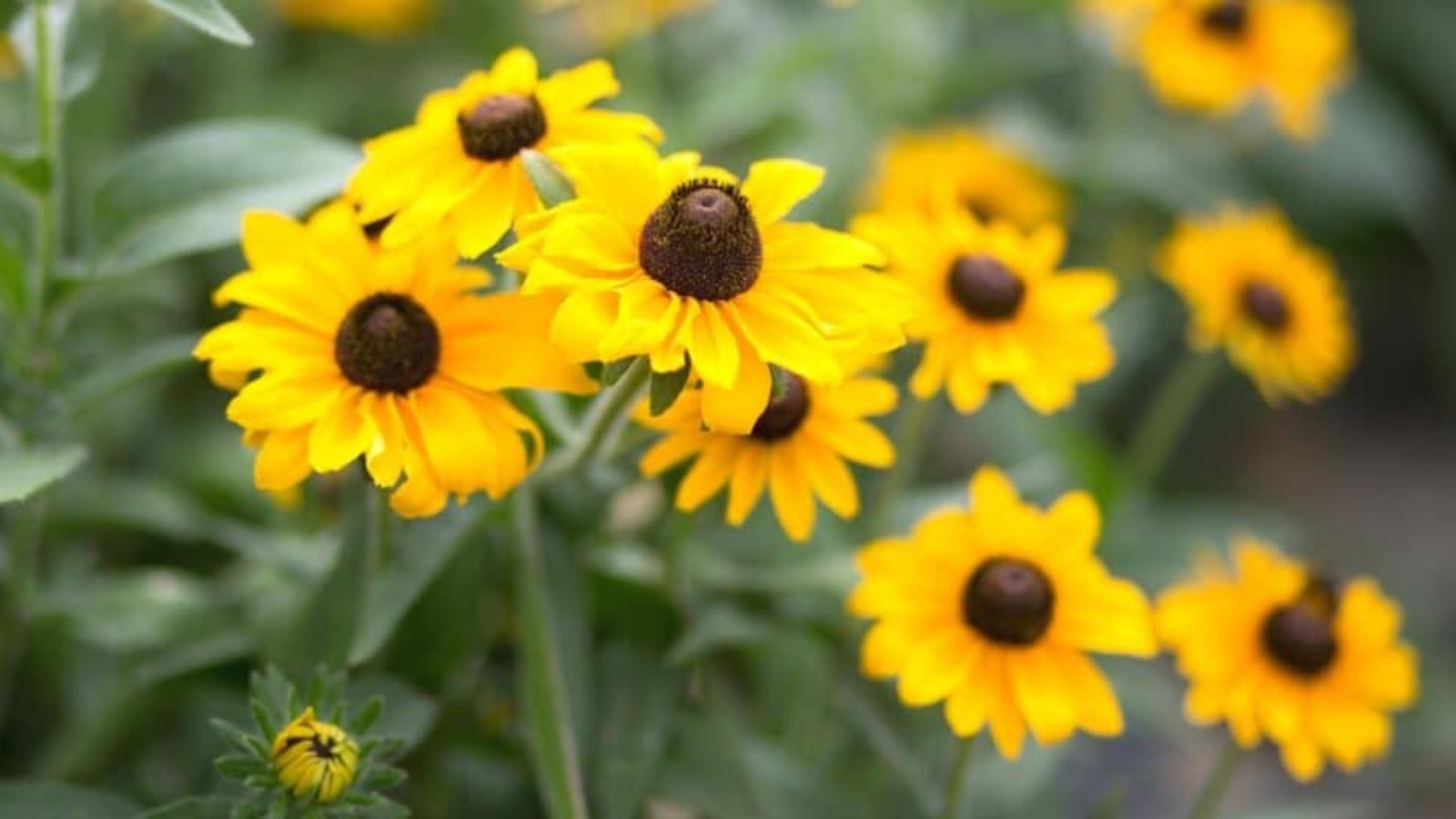
The Black-Eyed Susan is a popular pollinator-friendly flower that does well in the sun. They are known for their cheerful yellow petals and their dark black centers.
These plants are relatively easy to seed for and establish in a garden. They self-seed frequently, making them a beautiful addition if you want to fill space in a sunny garden. However, you may have to wait a few years before it reaches full size. Some Black-Eyed Susans are biennial or perennial.
Blanket Flower
|
|
botanical name Gaillardia spp |
|---|---|
|
|
plant type Herbaceous Perennial |
|
|
sun requirements Full Sun |
|
|
height 2’ to 3’ |
|
|
hardiness zones 3 to 10 |
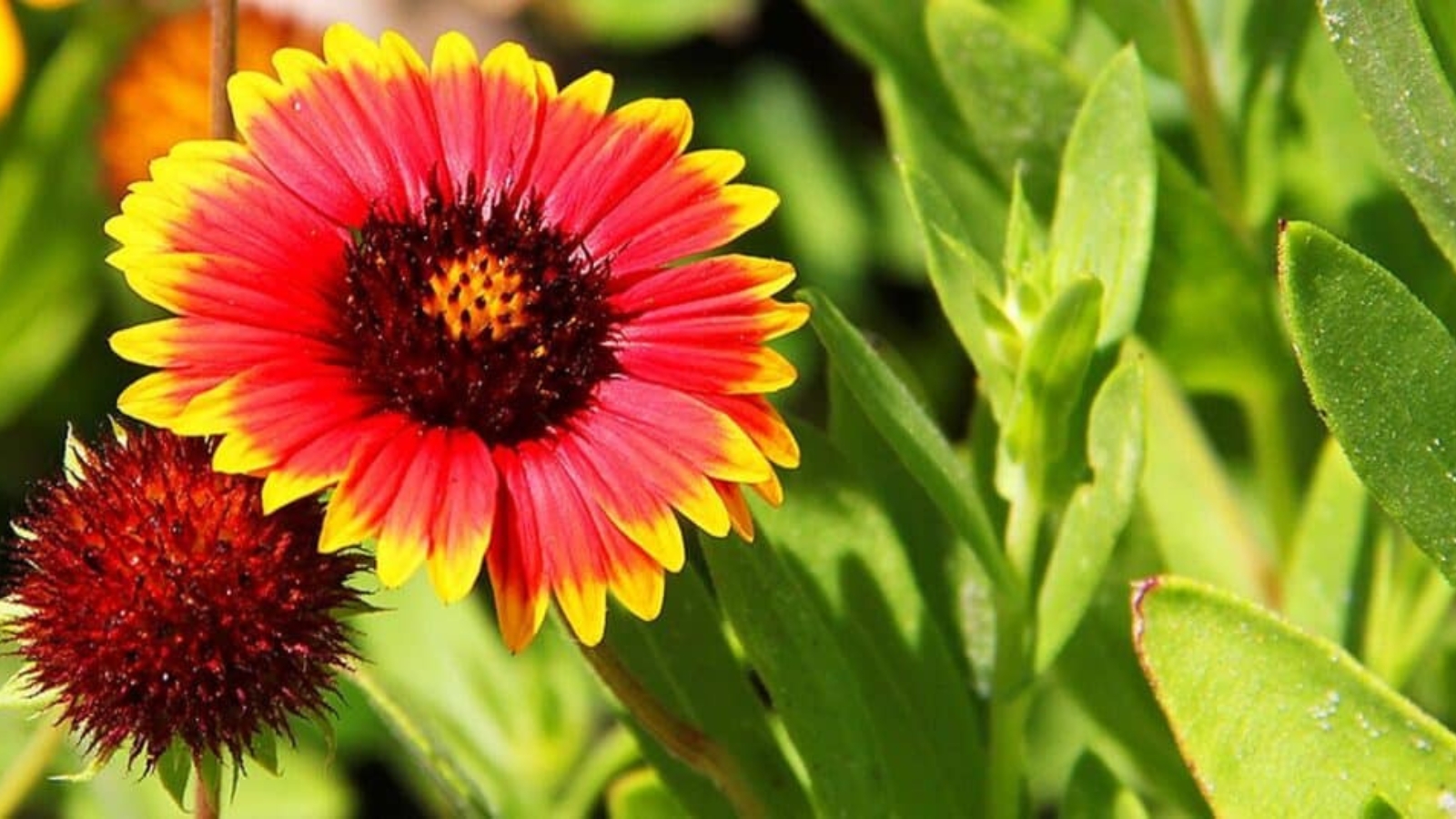
These striking tiny flowers grow quickly and boldly. You can find varieties of this plant in warm shades of red, orange, and yellow. Many hybrids of this plant are specifically designed to work well in several climates. When selecting a suitable variety, make sure the one you choose will work well in your zone.
A great thing about this plant is it loves poor soil. So, if you are struggling to find a good option for your tired yard, this is a great choice. This plant blooms for a long time throughout the warm months. Keep in mind that this flower is very toxic to humans.
Butterfly Bush

|
|
botanical name Buddleia davidii |
|---|---|
|
|
plant type Deciduous Perennial Shrub |
|
|
sun requirements Full Sun |
|
|
height 3’ to 12’ |
|
|
hardiness zones 5 to 9 |
These large bushes get their name due to the way that they attract butterflies and other pollinators. Because Butterfly Bush ranges from very small to very tall, you can pick a perfectly sized bush for your garden.
While this bush originally had purple flowers, it now has yellow, blue, pink, and white varieties. Butterfly Bushes grow enthusiastically and can reach their full size within a year.
Canna Lily
|
|
botanical name Canna Spp. |
|---|---|
|
|
plant type Perennial or Annual in colder areas |
|
|
sun requirements Full Sun |
|
|
height 1’ to 8’ |
|
|
hardiness zones 7 to 10 |
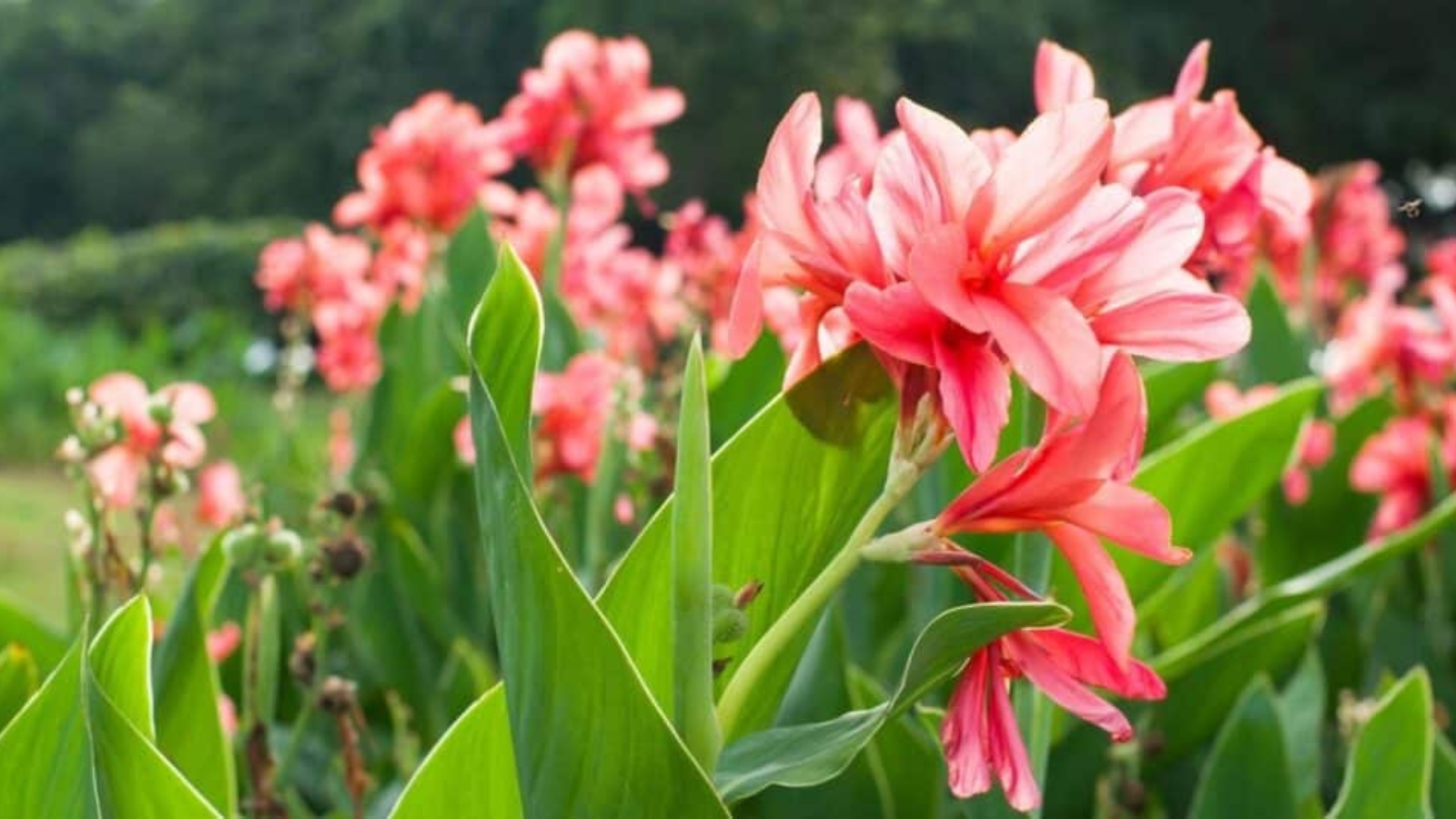
If you are looking for the perfect showstopper for your sunny garden, the canna lily may be just what you want. It comes in several warm colors, including red, orange, yellow, and pink. Not only are they beautiful garden additions, but they may even attract hummingbirds to your garden.
Because these plants grow from rhizomatic roots, they can spread. You should also divide the roots every few years to prevent crowding.
Catmint

|
|
botanical name Nepeta spp. |
|---|---|
|
|
plant type Herbaceous Perennial |
|
|
sun requirements Full to Partial Sun |
|
|
height 1’ to 2’ |
|
|
hardiness zones 4 to 8 |
This aromatic genus of herbs has delicate gray-green leaves and a fragrant, herbaceous scent. The plant also gets spikes of delicate flowers that can be lavender, white, or pink. Depending on the variety, this plant may be tall or sprawling.
You will not need to attend too closely to your plant. However, if you get a self-seeding variety, you may need to prepare for some spreading. These plants do well with several soil types. Catmint is also the only mint variety that is safe for cats.
Chrysanthemum
|
|
botanical name Chrysanthemum spp. |
|---|---|
|
|
plant type Herbaceous Perennials |
|
|
sun requirements Full Sun |
|
|
height 4” to 3’ |
|
|
hardiness zones 5 to 9 |
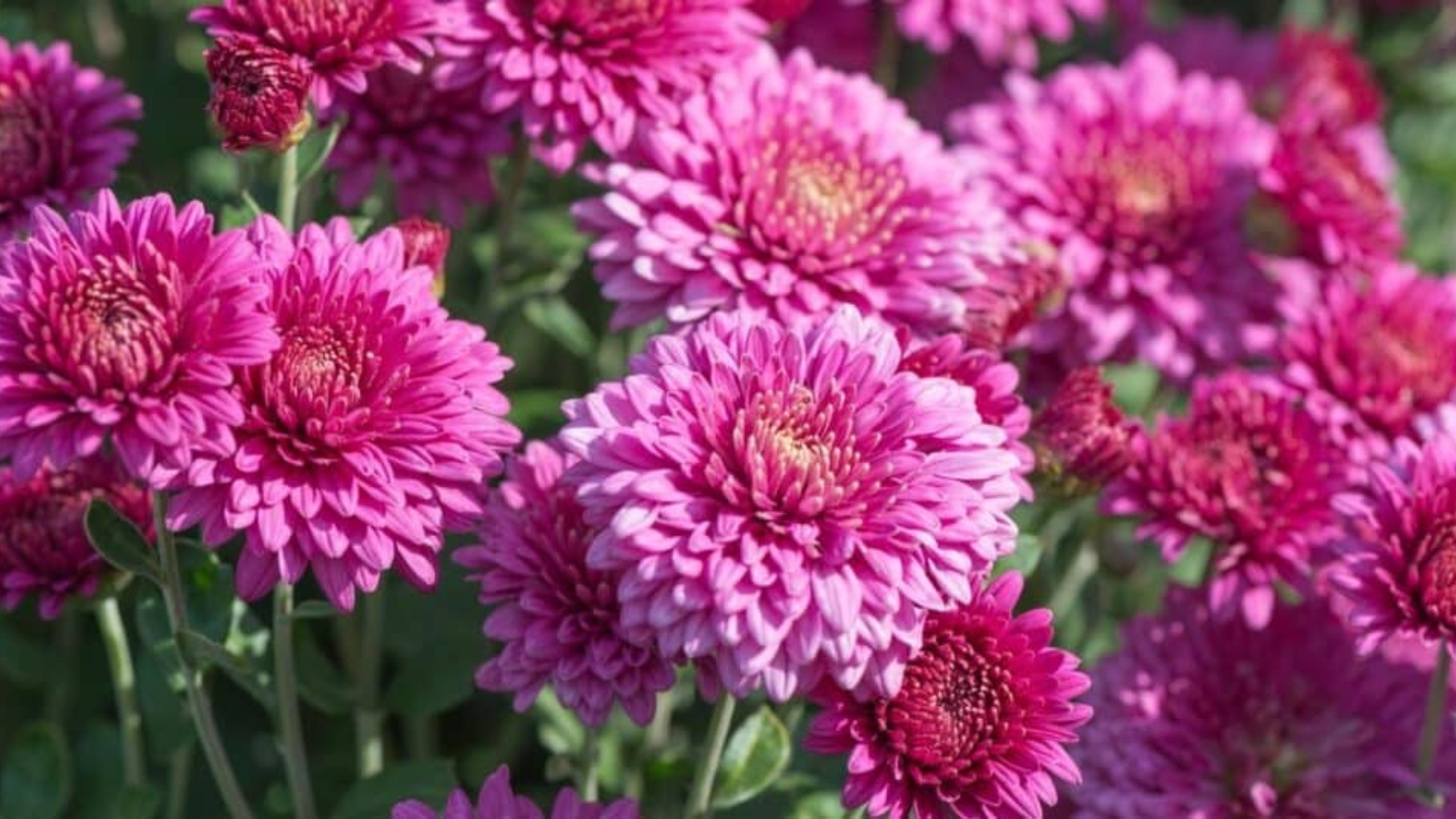
Chrysanthemums are a classic hallmark of any autumnal garden. They grow fast, and they come in numerous beautiful colors and shapes. You can find varieties of these flowers in red, orange, yellow, green, purple, and white.
These flowers do not require a significant amount of care. However, you should fertilize them regularly to get the most booms. You will also get the best results if you prune down the plants and cover them with mulch after they bloom and before winter appears.
Columbine
|
|
botanical name Aquilegia spp. |
|---|---|
|
|
plant type Herbaceous Perennial |
|
|
sun requirements Full Sun to Part Sun |
|
|
height 1’ to 3’ |
|
|
hardiness zones 3 to 8 |
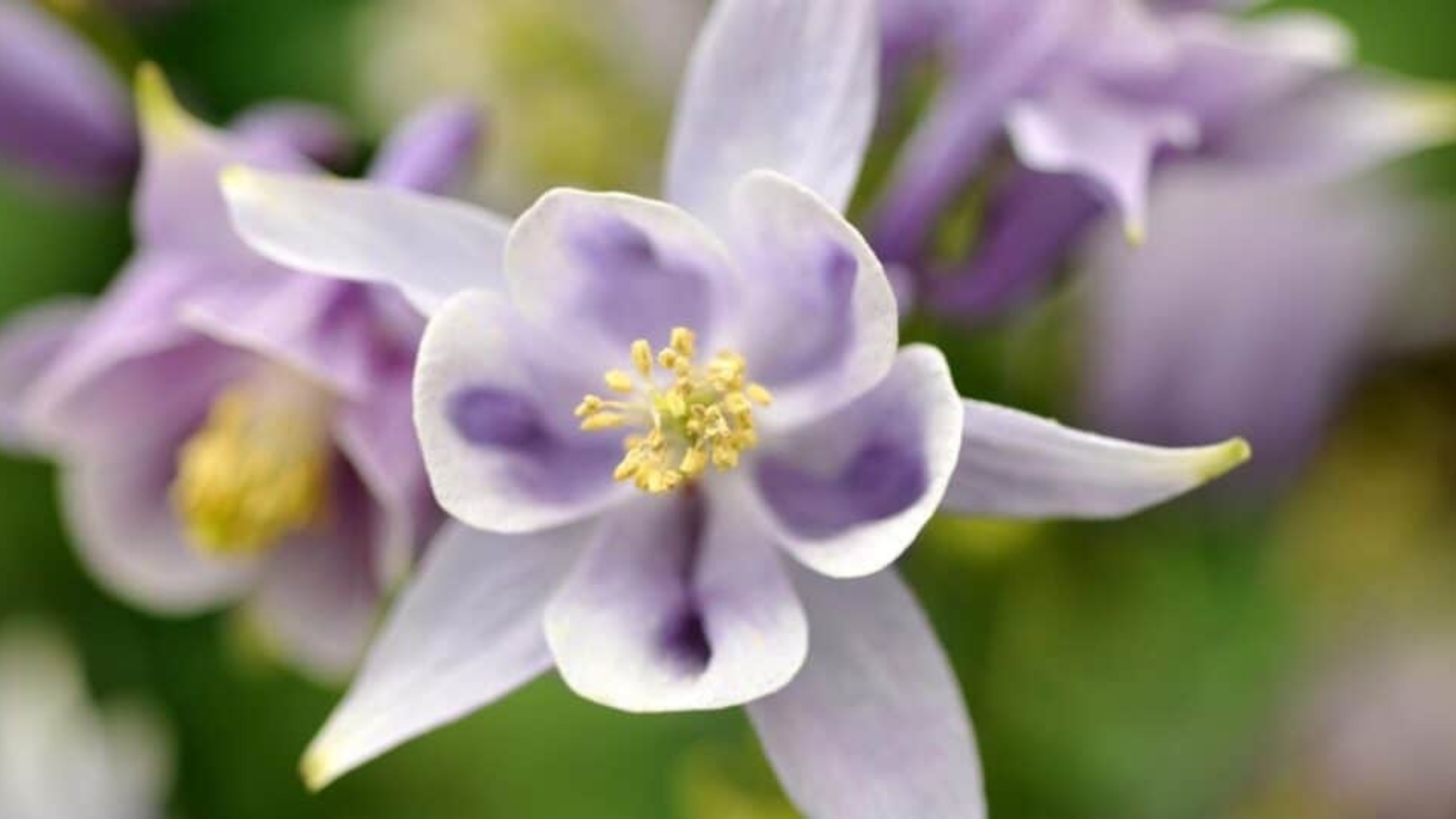
Recognize Columbine for its unique flower shape and fun color combinations. They make a beautiful addition to a sunny garden, and hummingbirds agree. The butterfly-like blooms drift delicately above uniquely lobed foliage. Unfortunately, these plants do not bloom for very long, but they reseed if you do not deadhead them.
While these plants like the sun, they may do better with only partial sun in hot climates. However, they do not need much watering, and they are fine with drought.
Coneflower
|
|
botanical name Echinacea spp. |
|---|---|
|
|
plant type Herbaceous perennial |
|
|
sun requirements Full to partial sun |
|
|
height 2’ to 5’ |
|
|
hardiness zones 3 to 8 |
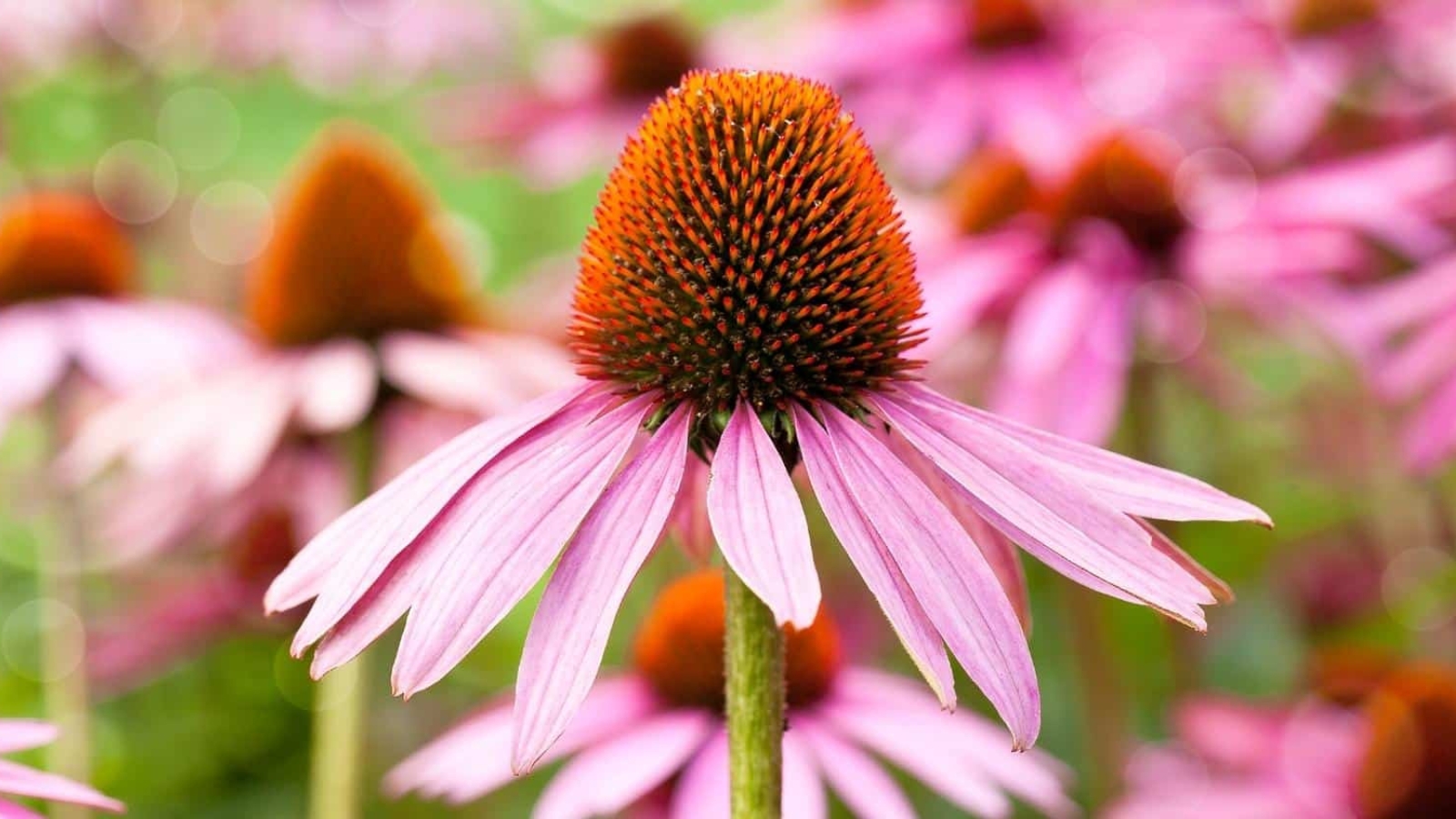
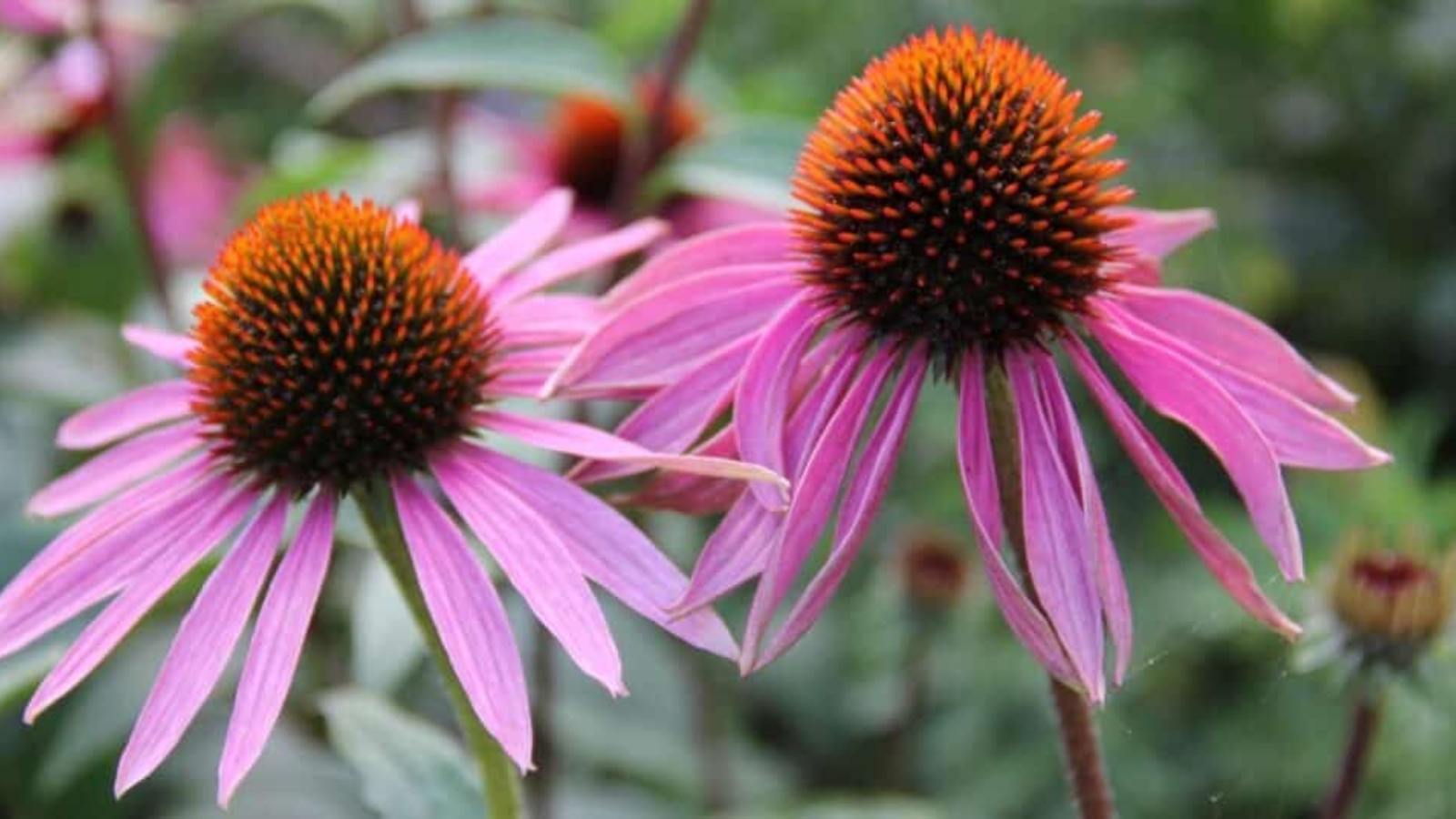
Coneflowers are a popular flower for any pollinator garden. While the flowers of this plant are often lavender, they can also be white, red, pink, yellow, and orange. The overall shape of the bloom is similar to a daisy, but some varieties have different bloom shapes.
Besides being beautiful and great for pollinators, these plants are also easy to care for. They do not need too much water and bloom for a long time.
Coreopsis

|
|
botanical name Coreopsis spp. |
|---|---|
|
|
plant type Perennial or Annual |
|
|
sun requirements Full Sun |
|
|
height 2’ to 4’ |
|
|
hardiness zones 2 to 11 |
There are more than 80 different varieties of coreopsis. The shape of the foliage and the color of the blooms cover a wide range. The blooms are usually very similar in shape to tiny daisies. All varieties of this plant are appealing to birds and other pollinators. Most varieties are perennials, while others are annuals.
The main priority with coreopsis is making sure it is in well-draining soil. If you want more blooms, keep up with deadheading the flowers.
Dahlia
|
|
botanical name Dahlia spp. |
|---|---|
|
|
plant type Perennial |
|
|
sun requirements Full Sun |
|
|
height 1’ to 6′ |
|
|
hardiness zones 8 to 10 |
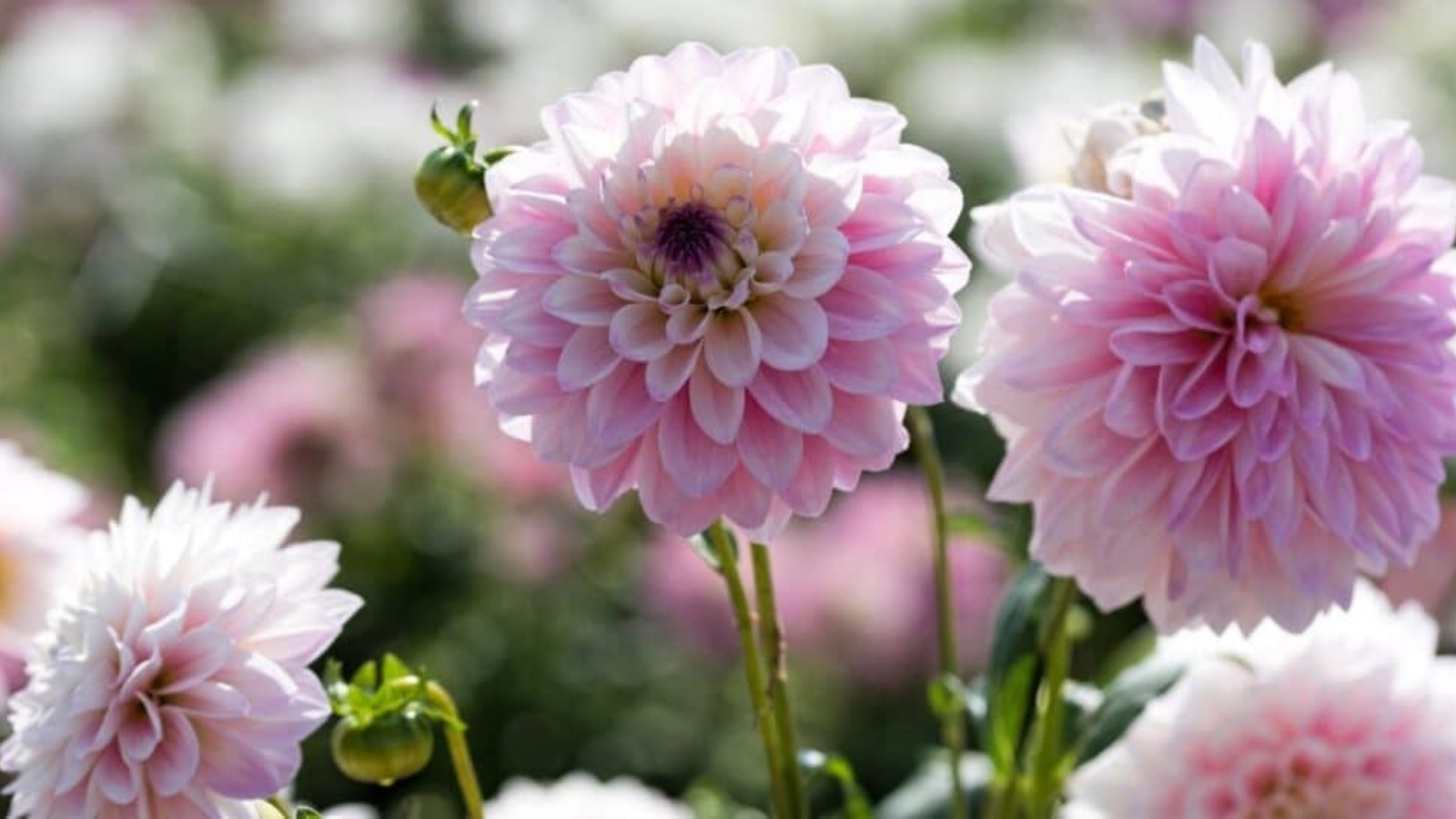
Dahlias are another beautiful way to get late-season color. The color can range in many shades, including red, orange, yellow, purple, white, and pink. Thanks to their size range, these plants can make a lovely addition to a border or as a tall component to an autumnal garden.
While these flowers can easily do well in warmer zones, they can often only be grown as annuals in colder areas. You can easily dig up the dahlia tubers every year to protect them from cold before planting them again next year.
Daylily
|
|
botanical name Hemerocallis fulva |
|---|---|
|
|
plant type Perennial |
|
|
sun requirements Full Sun |
|
|
height 2’ |
|
|
hardiness zones 3 to 9 |
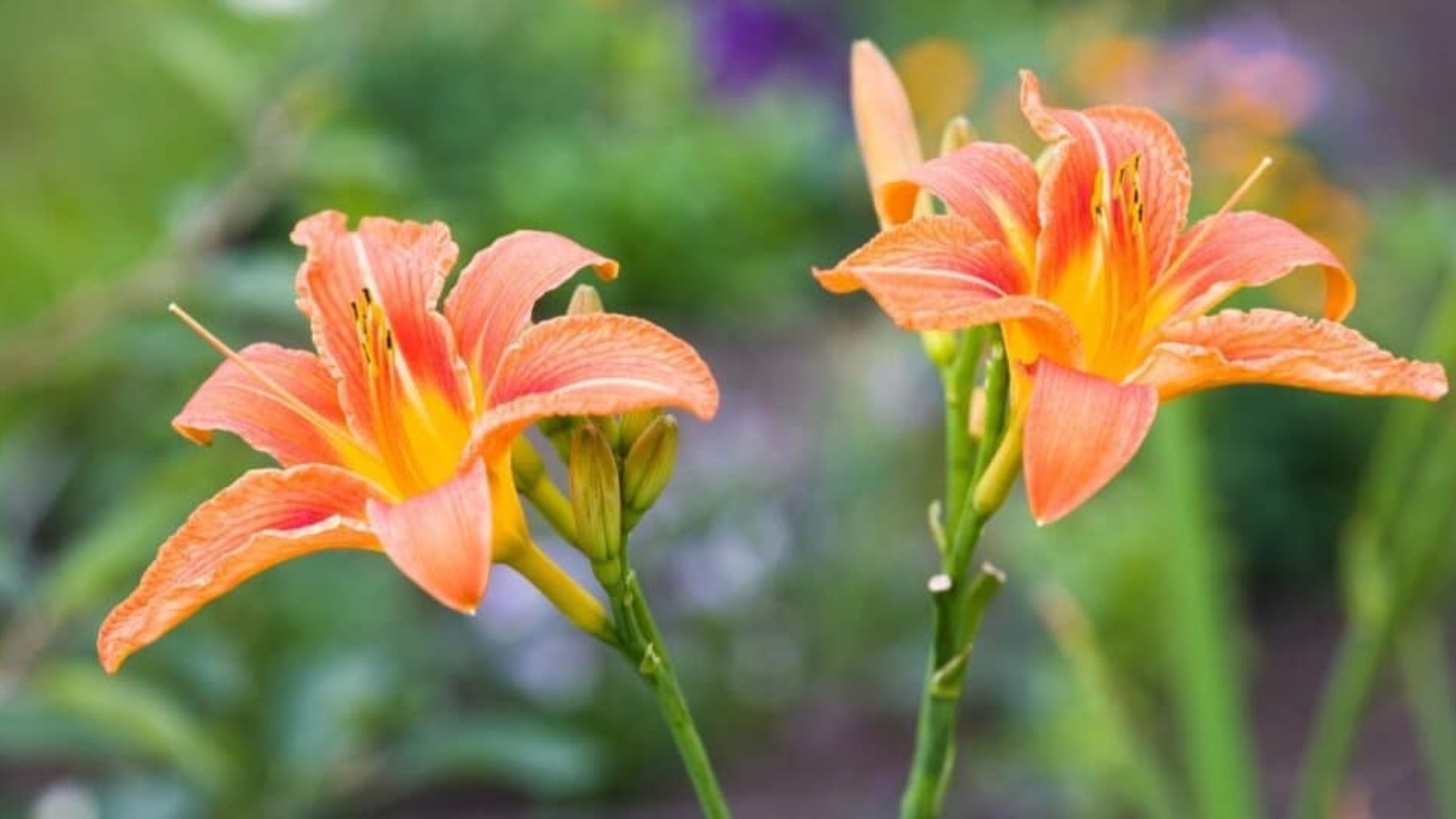
The daylily is a hardy and colorful addition to any garden. Not only are the bold, orange blooms striking, but the long and slender foliage adds a lot of texture and bulk to your yard. This plant gets its name from the way that its blooms only last for a single day.
These plants are very low-maintenance. They will grow in many different soil types but try to plant them in moist, well-draining soil if you can. The only time you should be slightly attentive is when the lily is first getting established.
Delphinium
|
|
botanical name Delphinium spp. |
|---|---|
|
|
plant type Perennial Flower; Some Varieties are Biennials and Annuals |
|
|
sun requirements Full to Partial Sun |
|
|
height 3’ to 4’ ft tall |
|
|
hardiness zones 3 to 7 |
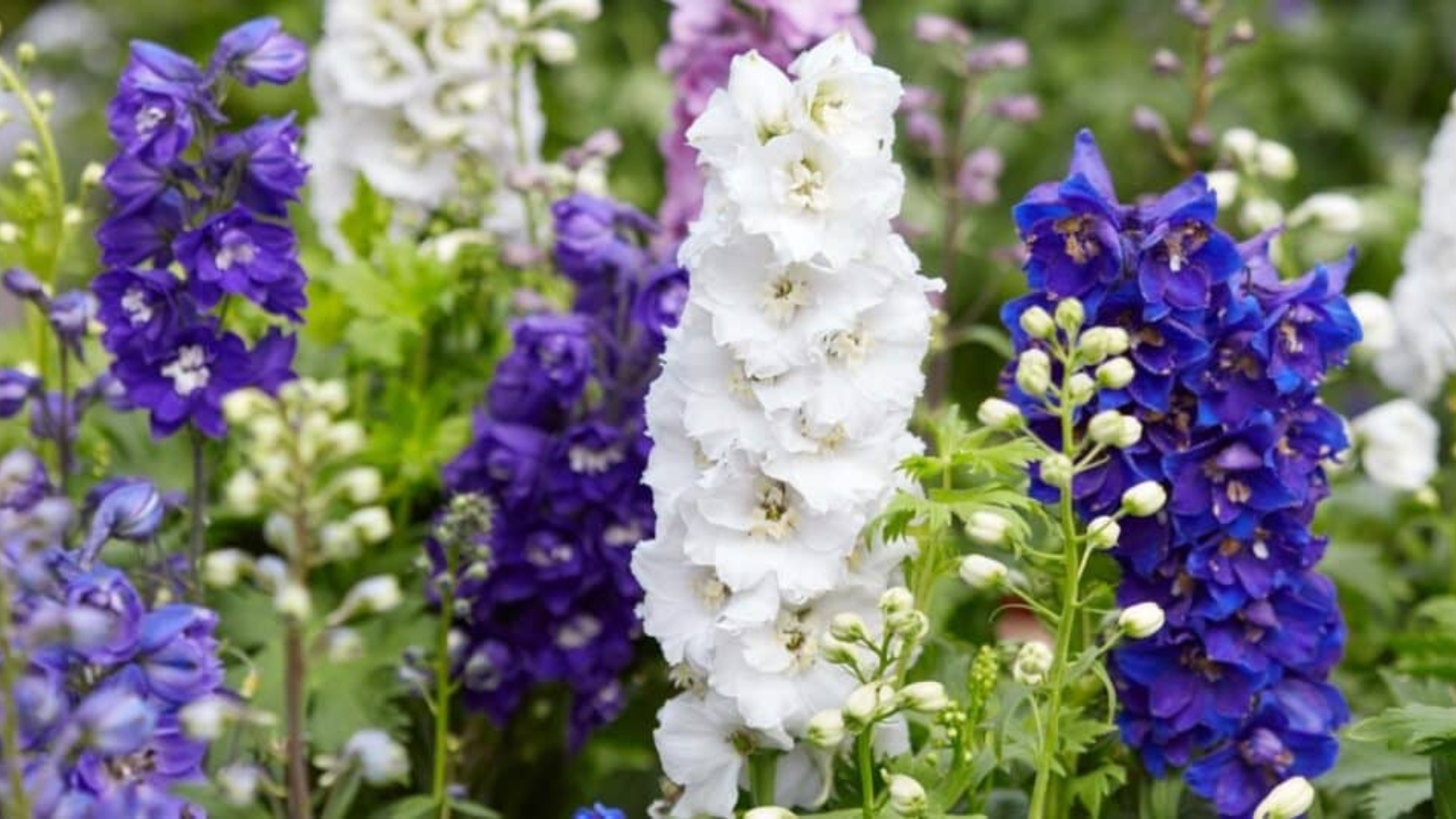
Delphiniums come in blue, purple, pink, and white. They also come in several sizes, including dwarf and very tall varieties. The taller varieties will need some staking to keep them from falling over.
As long as you plant these in a good location, they should do well. They enjoy moist yet cool weather and do not do well in hot or dry weather. Delphinium is very poisonous to humans and animals. So, be sure to wear gloves when handling them.
Dianthus
|
|
botanical name Dianthus spp. |
|---|---|
|
|
plant type Perennial, Biennial, Annual |
|
|
sun requirements Full Sun |
|
|
height 6” to 3’ |
|
|
hardiness zones 3 to 9 |
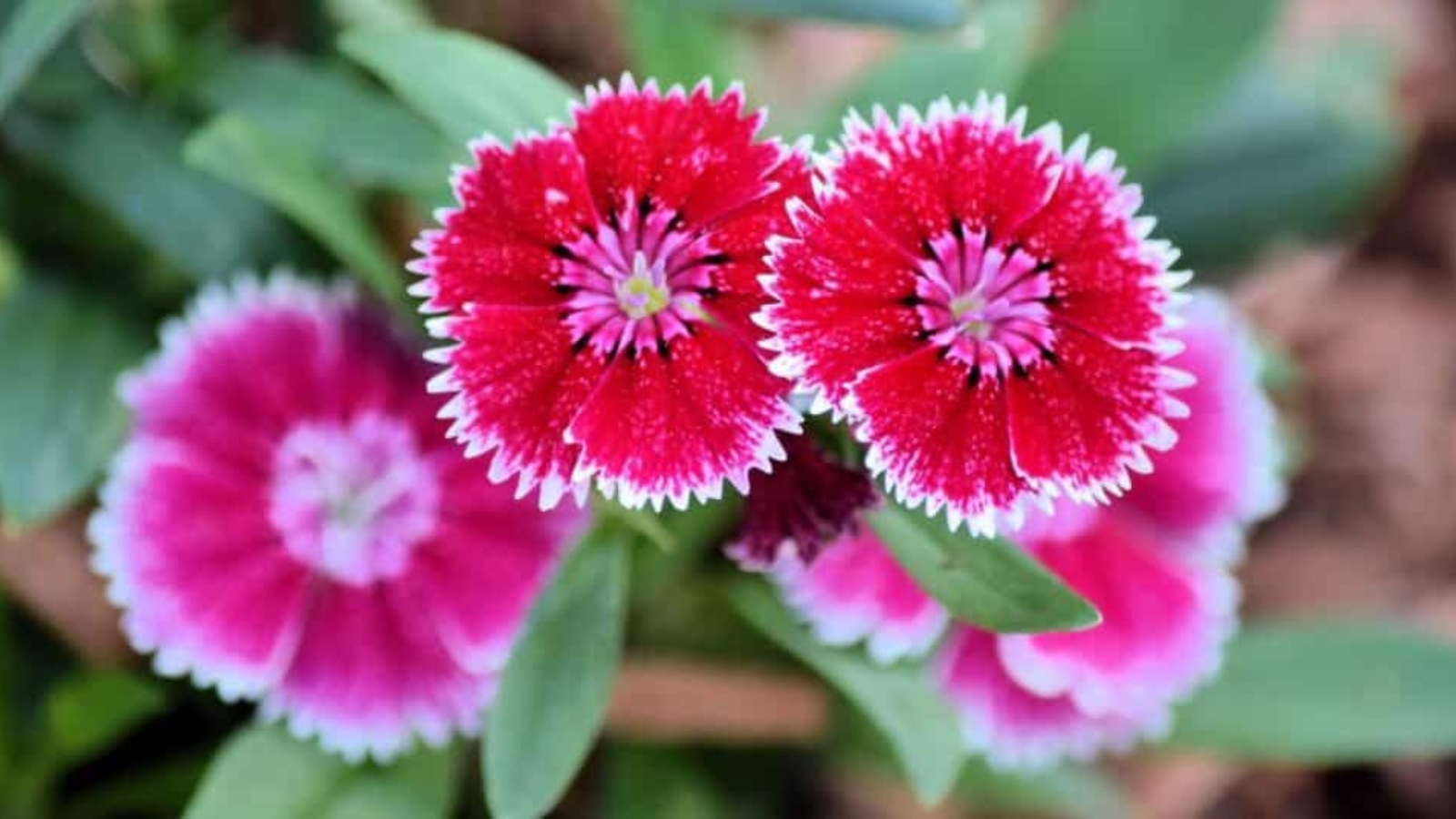
Plants can be perennials within the dianthus genus, but they can also be annuals or biennials. When purchasing, pay special attention to ensure that you get the type you want. In general, these plants have beautiful thin bluish foliage. The blooms are notable due to the unique jagged edge of their petals. They can be pink, red, purple, or white.
Dianthus flowers are pretty easy to grow no matter what environment you grow them in. It is mostly just important that they have well-draining soil. If you want to encourage blooming, you want to give them plenty of sun and deadhead them regularly.
Hardy Geranium
|
|
botanical name Geranium spp. |
|---|---|
|
|
plant type Perennial Flower |
|
|
sun requirements Full to Partial Sun |
|
|
height 6” to 2’ |
|
|
hardiness zones 3 to 9 |
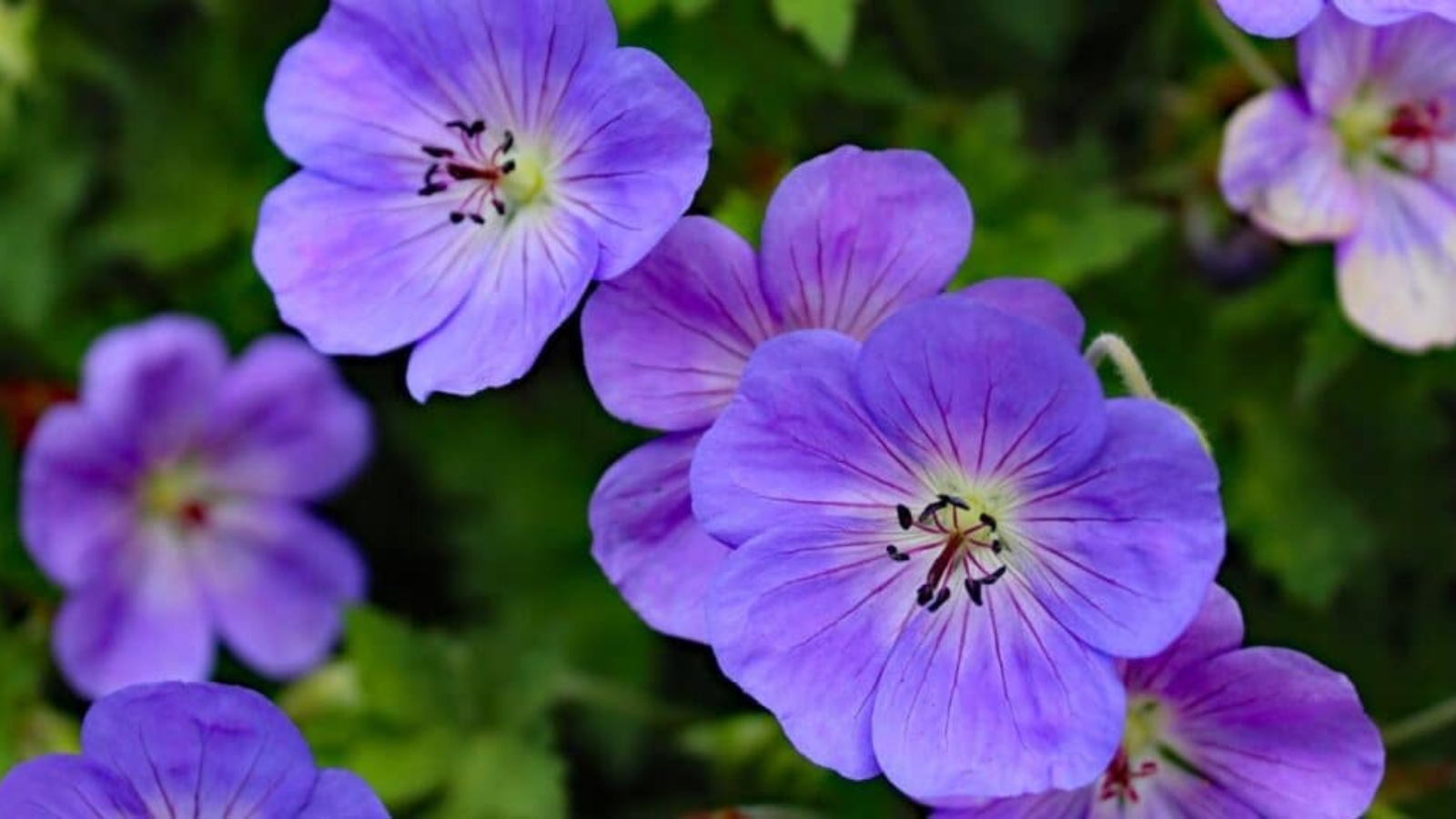
Hardy Geraniums are another group of flowers that can come in several shapes, sizes, and colors. Often they grow low and spread wide. The flowers grow above the carpet-like foliage of the plant. Those blooms are blue, pink, purple, or white. Depending on the variety, you may see a single bloom, multiple blooms, or consistent blooms.
These plants generally like rich, well-draining soil and a relatively dry environment. However, depending on the variety you get, they may require different needs.
Hollyhock
|
|
botanical name Alcea spp. |
|---|---|
|
|
plant type Perennial, Biennial |
|
|
sun requirements Full to Partial Sun |
|
|
height 8’ |
|
|
hardiness zones 2 to 10 |
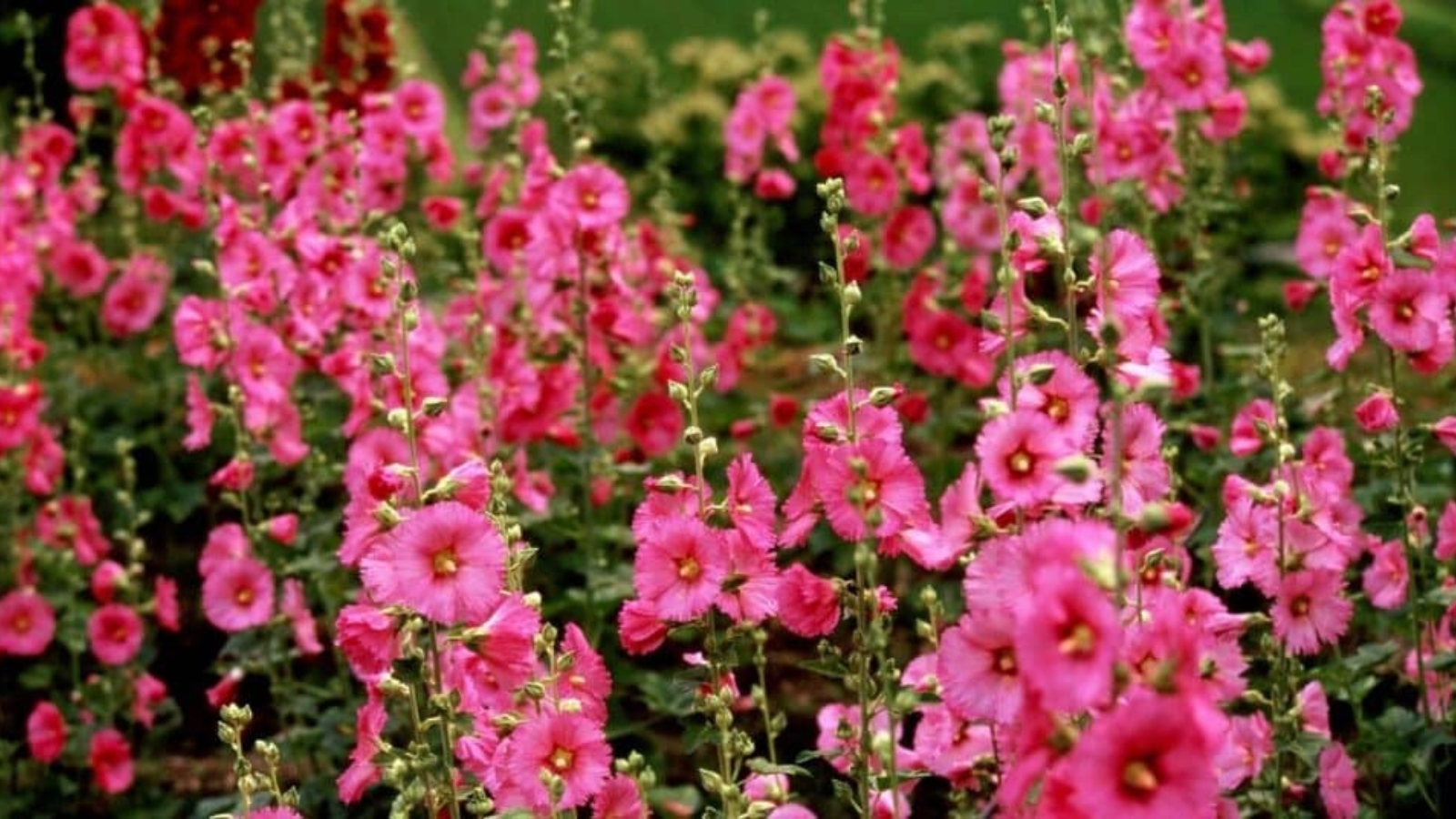
Hollyhocks come in several shapes and sizes. You can recognize these tall plants by their height and their large blooms. As a result of their height, hollyhocks are a lovely plant to place along a fence. These flowers also self-seed. These plants may produce double or single-layered blooms in red, yellow, pink, white, and purple.
The hollyhock is relatively hardy and adaptable. The only factor that needs special attention with the hollyhock is placement. Due to their height, poor placement can make them vulnerable to getting blown over. It is also vital to give the plants plenty of well-draining soil.
Ice Plant
|
|
botanical name Delosperma spp., Lampranthus spp. |
|---|---|
|
|
plant type Perennial |
|
|
sun requirements Full Sun |
|
|
height 3” to 6” |
|
|
hardiness zones 6 to 10 |
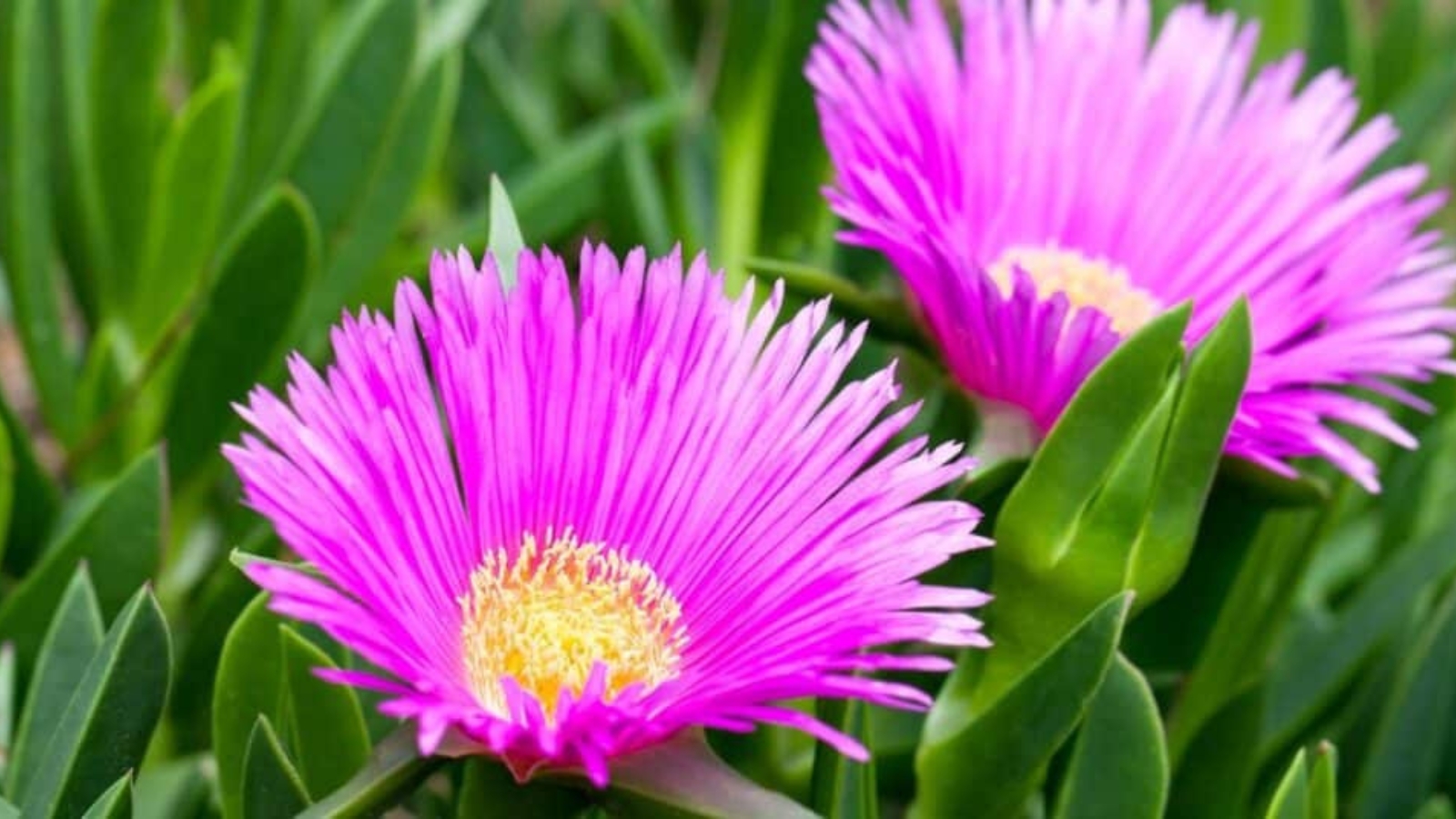
A few different plants are referred to as Ice Plants. The name comes from the small hairs on the plant that make the plants look a bit like they are ice. Depending on your zone, you may find this plant to be an evergreen. The tiny blooms can be red, orange, yellow, purple, pink, or two or three colors.
These plants do well with plenty of sun and well-draining soil. Ice plants enjoy being dry, and they do not need many nutrients in their soil.
Iris

|
|
botanical name Iris spp. |
|---|---|
|
|
plant type Herbaceous Perennials |
|
|
sun requirements Full Sun |
|
|
height 1’ to 4’ |
|
|
hardiness zones 3 to 9 |
Iris plants can cover a wide range of flowers. You can generally recognize this plant by its long, thin foliage and its unique, six-lobed blooms. These plants can be grown from rhizomes or bulbs. The blooms may be bearded, crested, or neither and they come in red, orange, yellow, blue, purple, white, pink, or a mixture of a few colors.
Some irises are easier to grow than others. In general, they like the sun and well-draining soil. Keep the area around them clear to prevent root rot.
Lambs Ear
|
|
botanical name Stachys byzantina |
|---|---|
|
|
plant type Herbaceous perennial |
|
|
sun requirements Full to Partial Sun |
|
|
height 12” to 18” |
|
|
hardiness zones 4 to 9 |
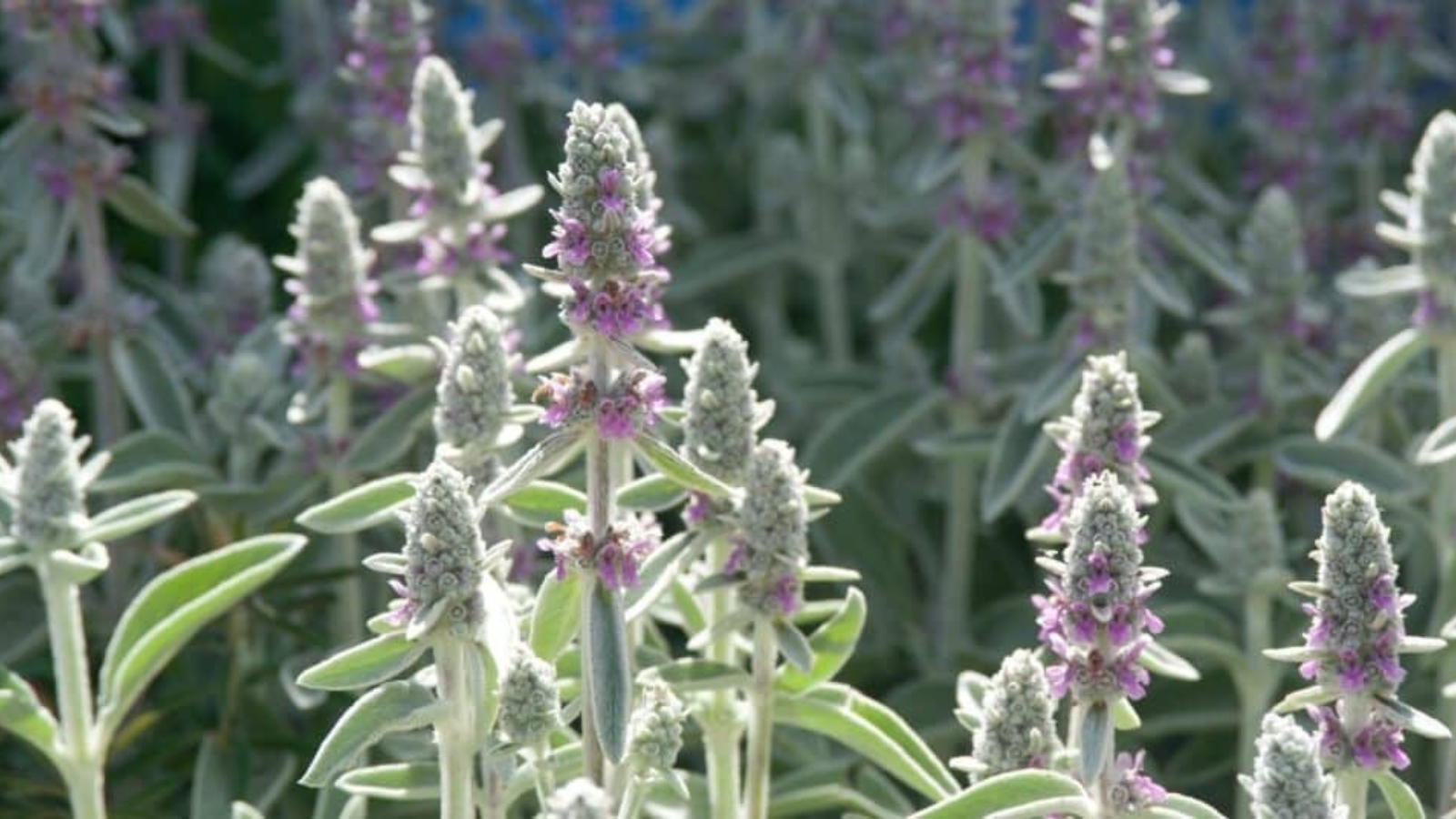
Thanks to its thick and fuzzy silvery green leaves, lambs ear is a beautiful addition to any sunny garden. While these plants produce some small spikes of purple flowers, they are prized for their foliage.
Be aware that lambs’ ears can spread quickly. So, you should plant it somewhere where you do not mind some spread. This plant enjoys a slightly acidic pH, and they do not need much water.
Lavender
|
|
botanical name Lavandula spp. |
|---|---|
|
|
plant type Herbaceous perennial |
|
|
sun requirements Full Sun |
|
|
height 2’ to 3’ |
|
|
hardiness zones 5 to 9 |
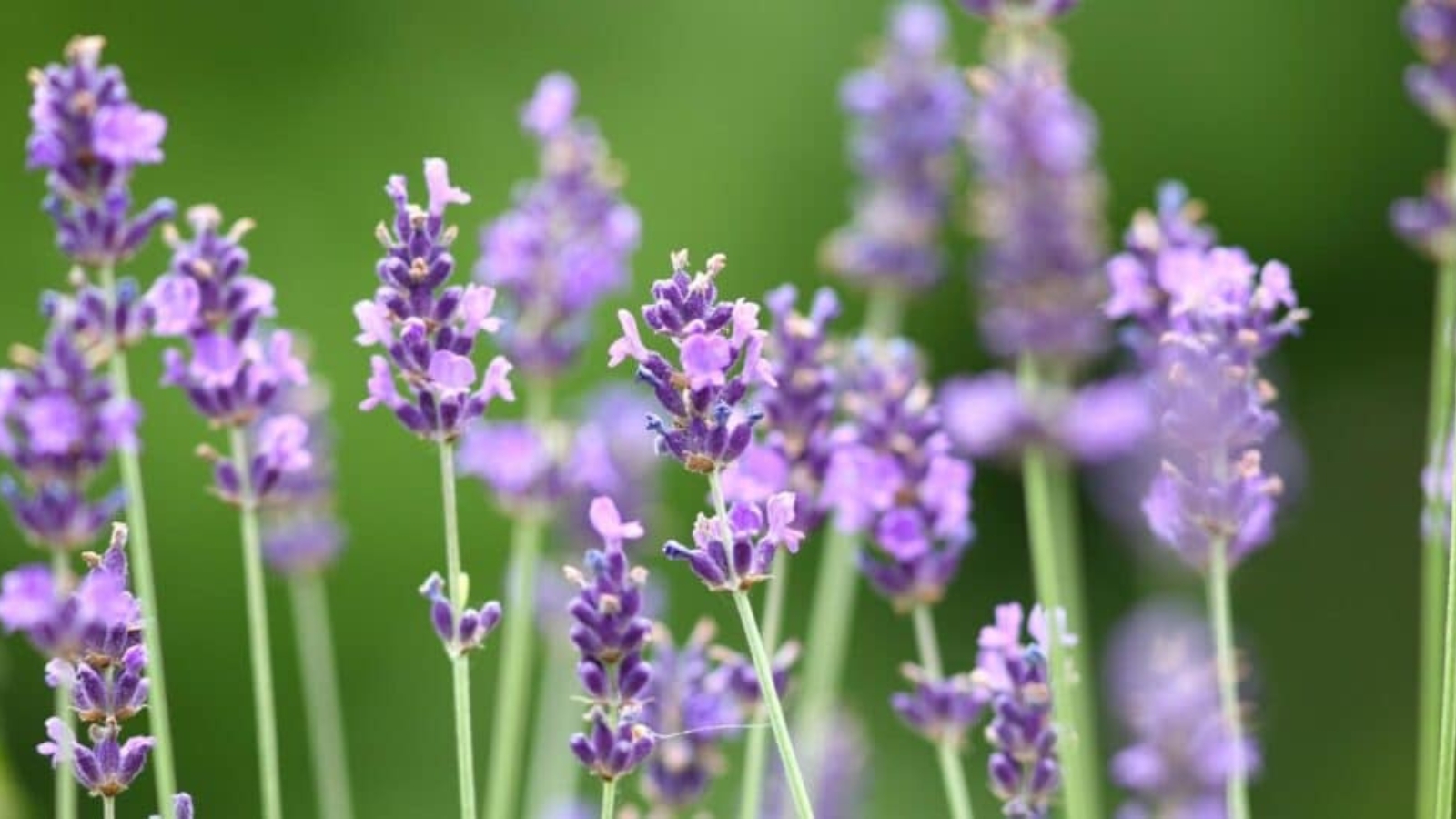
Lavender provides a beautiful visual to a garden, and it also gives your garden a lovely scent. The foliage is a spangly gray-green while the delicate purple flowers speckle along with long spikes.
In general, varieties of lavender are very agreeable to different conditions. If you can, provide these plants with well-draining soil and full sun. If they are going to suffer, it will likely be from excessive moisture.
Oriental Poppy

|
|
botanical name Papaver orientale |
|---|---|
|
|
plant type Herbaceous Perennial |
|
|
sun requirements Full Sun |
|
|
height 1’ to 3’ |
|
|
hardiness zones 3 to 9 |
While other varieties of poppy are annuals, the oriental poppy is a perennial. They are known for their delicate yet striking blooms and their unique foliage. While the red poppy is the most well-known variety, this poppy can also come in orange and shades of pink. Many people also enjoy the aesthetic value offered by dried poppy pods.
While these flowers are striking when they bloom, they do die back in the warmer months of summer. As a result, it’s a good idea to be mindful of planting other flowers in the same area.
Peony
|
|
botanical name Paeonia officinalis |
|---|---|
|
|
plant type Herbaceous Perennials or Woody Shrubs |
|
|
sun requirements Full Sun |
|
|
height 3’ to 4’ |
|
|
hardiness zones 3 to 9 |
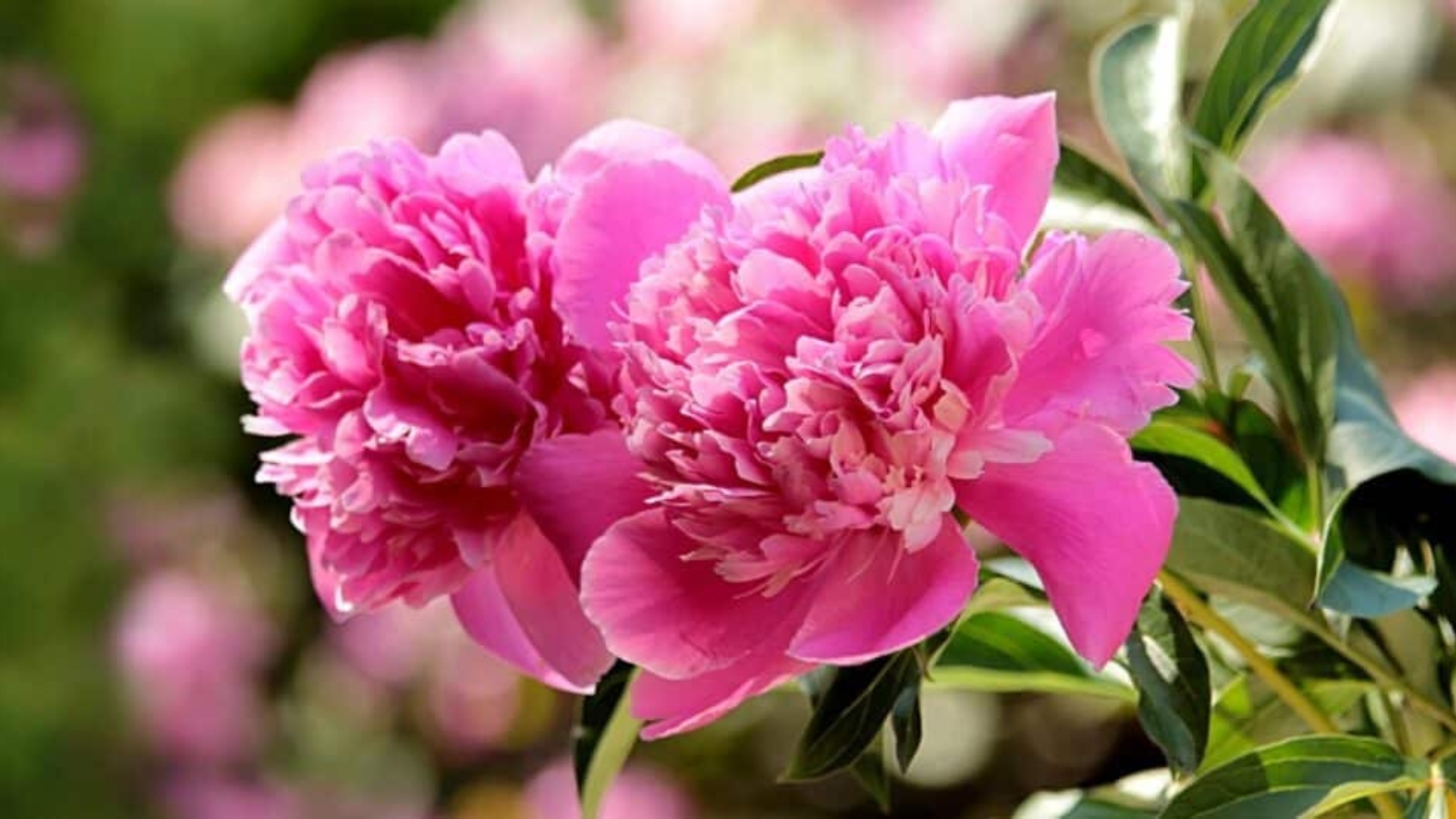
If you want a strong, floral fragrance in your garden, peonies may be the plant you want. That gorgeous scent emanates from the large puffy blooms that spring from the plants. Depending on your variety, these blooms may appear anywhere from late spring to late summer. Those flowers may also be red, coral, pink, purple, and white.
The key to success with peonies is a well-timed planting. It is best to plant bare roots in the fall so that the plants have a bit of time to establish themselves before the winter.
Rose
|
|
botanical name Rosa spp. |
|---|---|
|
|
plant type Deciduous Perennial Shrub |
|
|
sun requirements Full Sun |
|
|
height 6” to 20’ |
|
|
hardiness zones 2 to 11 |
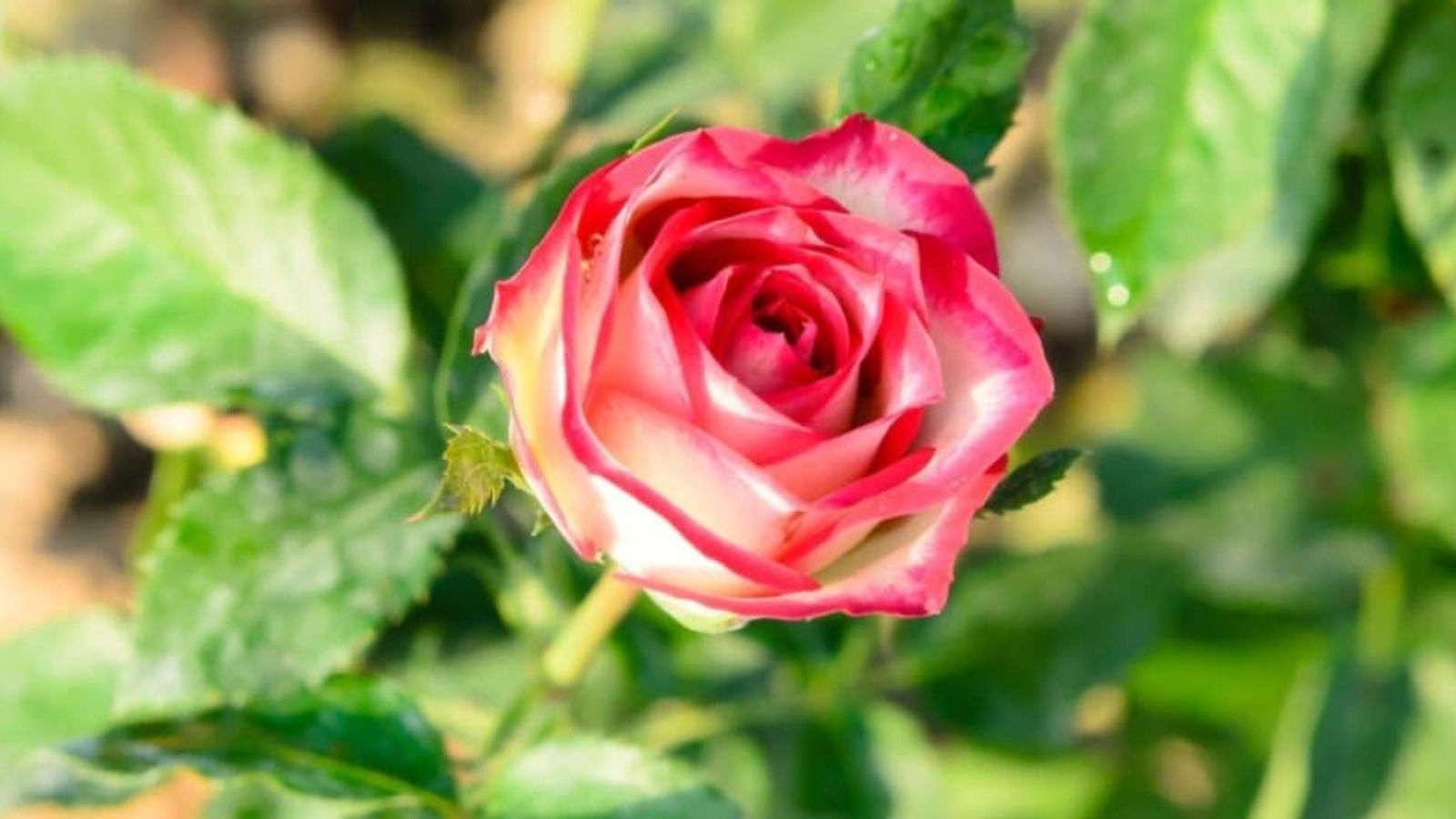
Roses may be tougher than you think. While avid rose growers will fret over the bushes, this is not strictly necessary, and the plants can thrive with very little attention. Some roses are small shrubs, while others can grow into large, climbing arrangements. The blooms of the rose can be red, orange, yellow, purple, pink, or white. Roses do well with a bit of fertilizing and without too much moisture.
Sage
|
|
botanical name Salvia officinalis |
|---|---|
|
|
plant type Perennial Herb |
|
|
sun requirements Full Sun |
|
|
height 2’ |
|
|
hardiness zones 4 to 10 |
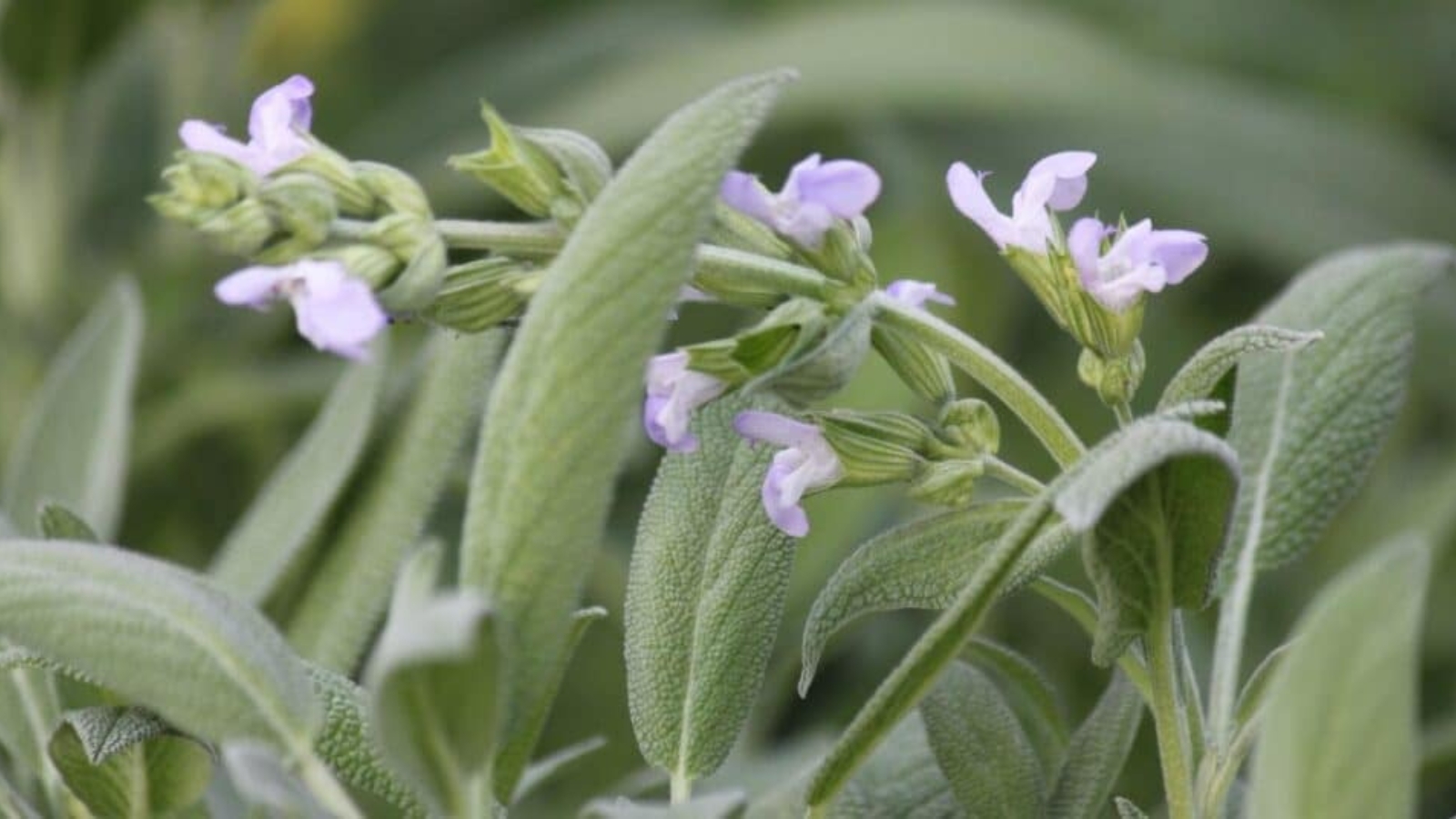
Sage is the perfect plant if you want something to tickle all of your senses. It has a sweet, herbaceous scent and a beautiful appearance. Also used in cooking, it’s a delicious addition to many dishes. Once established, the sage plant is a robust grower.
While this plant prefers full sun, it’s a good idea to give it a bit of shade if you live in a hot area. Sage does best with slightly dryer conditions, and it does not do well when over-watered.
Sedum
|
|
botanical name Sedum spp. |
|---|---|
|
|
plant type Perennial |
|
|
sun requirements Full to Partial Sun |
|
|
height 6” to 2’ |
|
|
hardiness zones 3 to 10 |
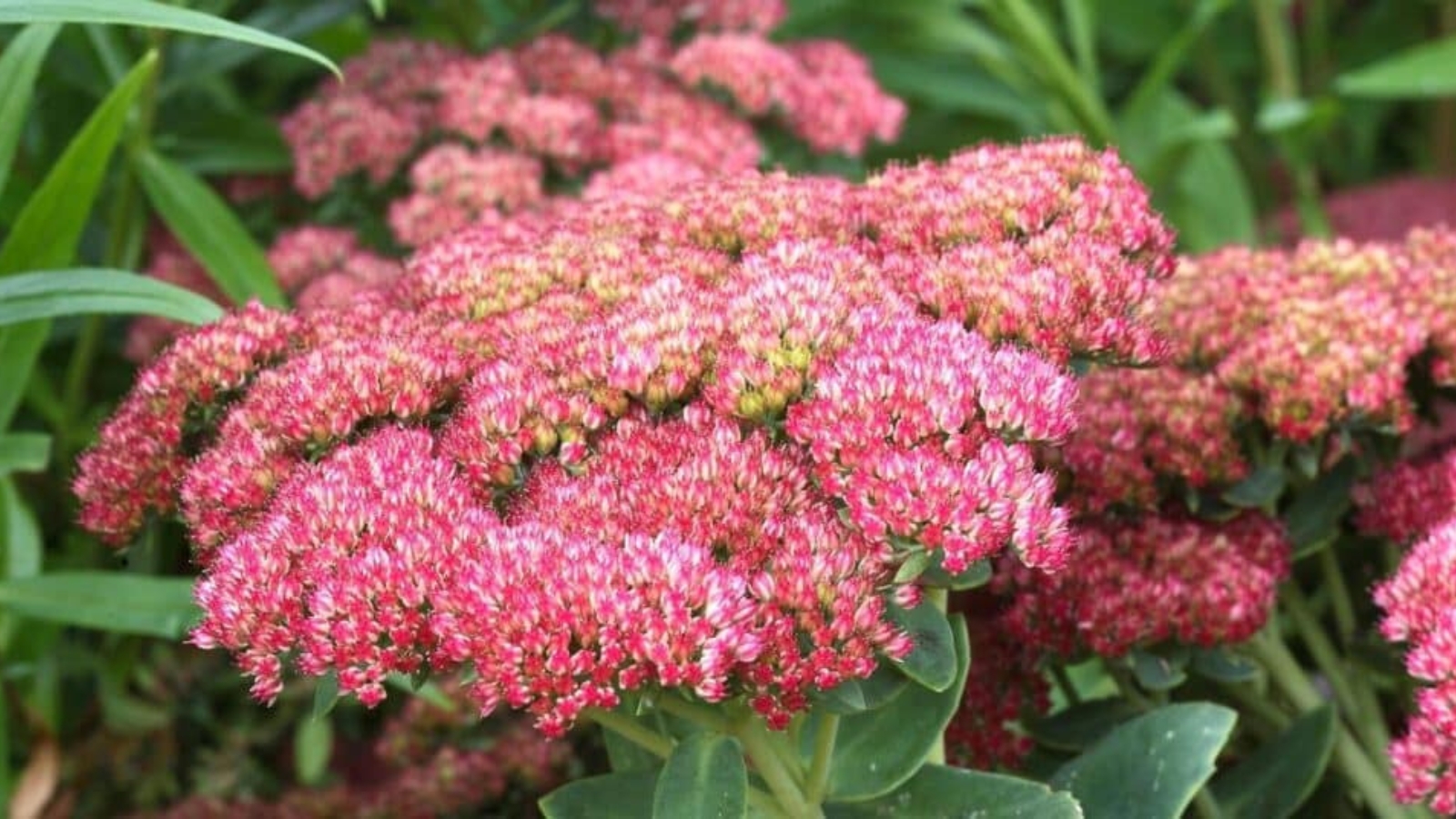
This succulent little plant is an excellent complement to any sunny and dry garden. They are hardy and fine with drought. Sedum comes in several colors, and it can be low-growing or upright. The small blooms can be pink, yellow, red, or white. Sedum is a beautiful choice for several areas in the garden, including borders, ground cover, and containers.
Shasta Daisy

|
|
botanical name Leucanthemum x superbum |
|---|---|
|
|
plant type Perennial |
|
|
sun requirements Full to Partial Sun |
|
|
height 1’ to 3’ |
|
|
hardiness zones 5 to 9 |
The Shasta Daisy varieties result from crossing an oxeye daisy with other types of daisies. You can recognize these flowers by their white petals and yellow centers and the foliage by their dark green color. The Shasta Daisy is very popular among pollinators. Thanks to their rhizomatous roots, these flowers can spread quickly.
Verbena
|
|
botanical name Verbena x hybrida |
|---|---|
|
|
plant type Perennial, Annual |
|
|
sun requirements Full Sun |
|
|
height 1’ |
|
|
hardiness zones 9 to 10 |
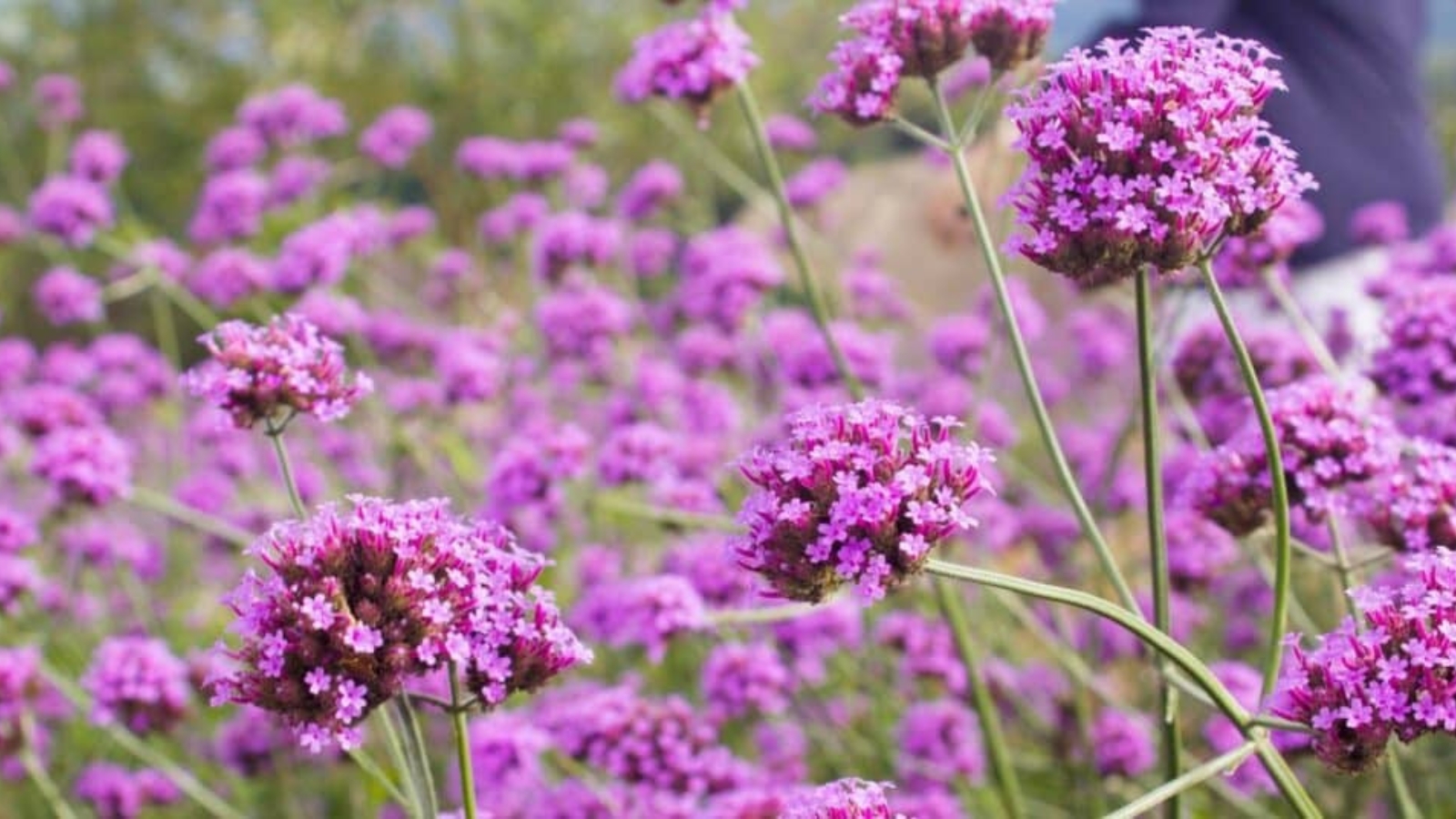
There are hundreds of varieties of Verbena, some of which are hybrids. Verbena can be annuals or perennials, depending on the particular variety and the zone in which they are grown. The flowers on Verbena can be red, purple, white, or shades of pink. Verbena grows well as long as it is not too crowded and as long as they have well-draining soil.
Veronica

|
|
botanical name Veronica spp. |
|---|---|
|
|
plant type Perennial, Annual |
|
|
sun requirements Full to Partial Sun |
|
|
height 6” to 4’ |
|
|
hardiness zones 3 to 9 |
There are at least 500 species of Veronica that range in height from groundcover to quite tall. The little flowers on the plant can be blue, purple, pink, and white. These plants are very popular with pollinators. You likely will not need to put too much work into this plant. However, Veronica can be invasive, depending on your location.
Yarrow
|
|
botanical name Achillea millefolium |
|---|---|
|
|
plant type Flowering Perennial |
|
|
sun requirements Full |
|
|
height 2’ to 3’ |
|
|
hardiness zones 3 to 9 |
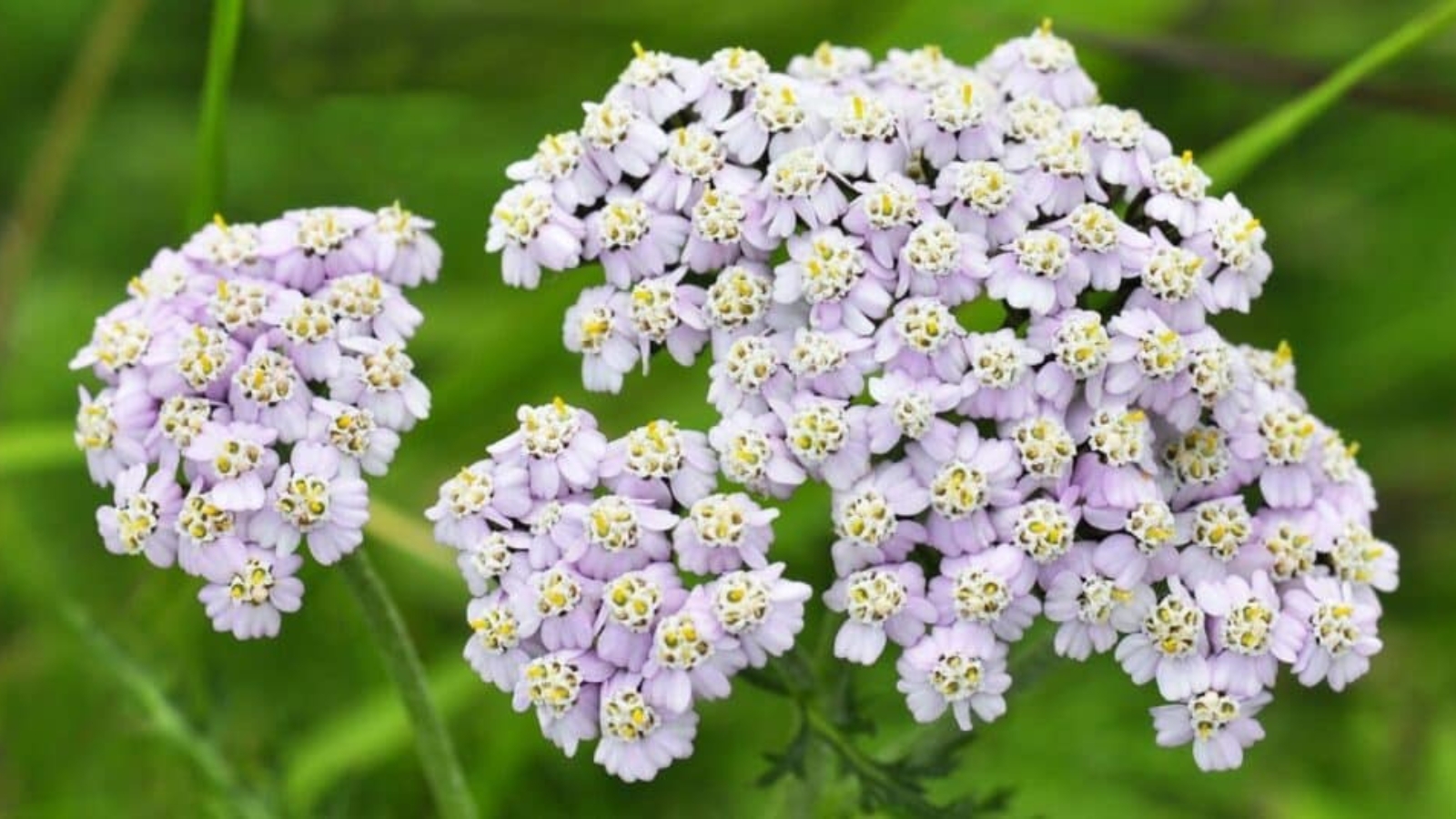
This plant boasts lacy foliage to go with its lacy flowers. The tiny blooms can be red, orange, yellow, white, pink, and purple. Yarrow does well in arid areas, making it a great choice if you live in an area vulnerable to drought.
Besides making sure that your plant has well-draining soil, Yarrow does not need much more attention. Unfortunately, this plant can spread so quickly that it is considered invasive in some areas.
Wrap Up
From beautiful flowers to sun-loving herbs, there are several beautiful ways that you can fill the sunny spots in your yard. Select a few of these plants and combine them in complementary ways. With the right selections, you can attract humans and pollinators alike to your sunny oasis.


