13 Easy-to-Maintain Lawn Alternatives to Plant in Fall
Fall is the perfect time to ditch high-maintenance grass for ground covers that practically take care of themselves. These fall lawn alternatives establish better in cool weather and give you a head start on next year's growing season.

Contents
Although I know gardeners can be lawn-obsessed, I have to be honest. Traditional lawns are basically green carpets that demand constant attention. Mowing, fertilizing, watering, overseeding, pulling weeds. The list never ends. There’s got to be a better way to cover ground (and thankfully, there is).
Fall planting gives lawn alternatives the entire cool season to establish strong root systems. Many of these options outperform grass in challenging areas where turf struggles. As long as you choose options that match your specific conditions, you won’t have to worry about complex garden maintenance anymore.
Not every lawn alternative works in every situation (and not all are best for planting in fall, which is why they’re not on this list), but there are options for almost any spot where grass is giving you trouble. Here are some low-maintenance lawn alternatives for fall, no matter where you live.
White Clover Alternative Lawn Seed Shaker
White Clover Alternative Lawn Seed Shaker
EcoEase Flowering Mix Alternative Lawn Seed Shaker

EcoEase Flowering Mix Alternative Lawn Seed Shaker
EcoEase Microclover and Fescue Mix Alternative Lawn Seed Shaker
EcoEase Microclover and Fescue Mix Alternative Lawn Seed Shaker
Creeping Phlox
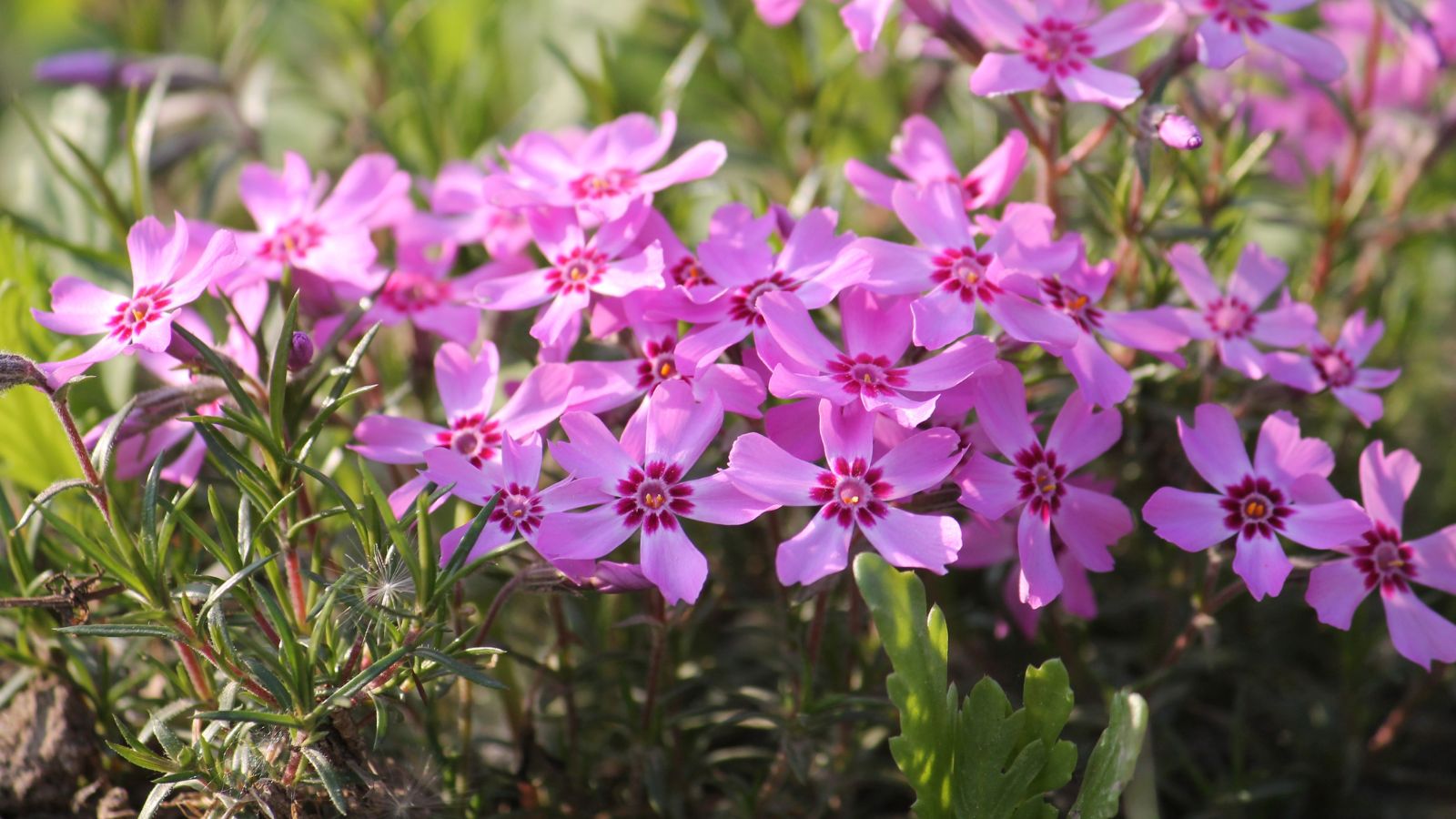
If you love adorable flowers, spring wouldn’t be complete without the carpet of blooms that creeping phlox provides. This spreading perennial transforms bare areas into masses of flowers for about a month in early spring. It will quickly become the display you look forward to most after a long winter season.
Beyond flowers, the foliage stays attractive year-round, creating a dense mat that crowds out weeds naturally. Once established in fall, this lawn alternative handles drought better than most lawn grasses and thrives in full sun.
Fall planting lets the roots establish before the spring show begins. The main trade-off is the relatively short bloom period, but many gardeners find the spectacular spring display worth having mostly foliage the rest of the year.
Sweet Woodruff
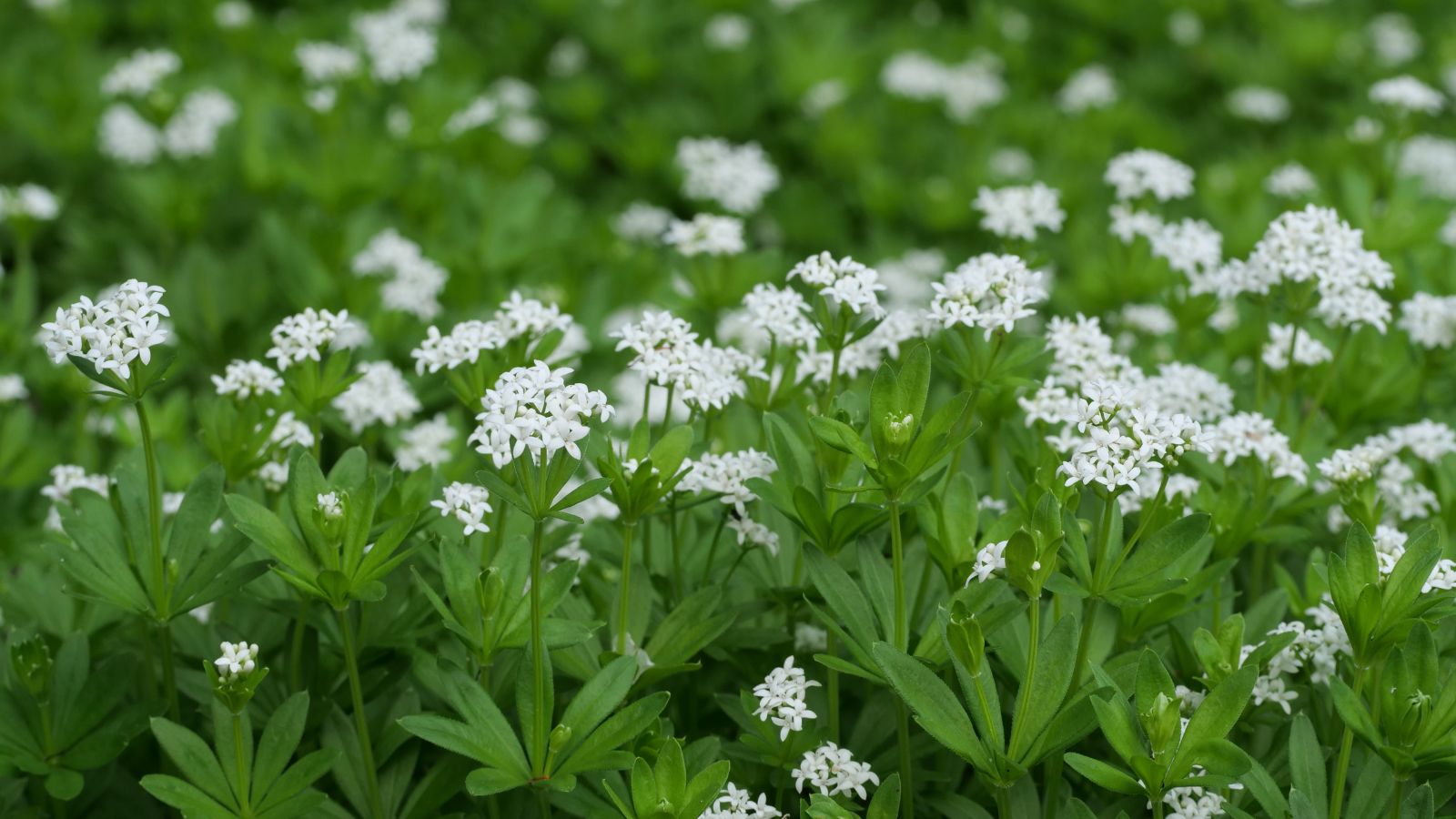
Forget about trying to grow grass in deep shade (an almost impossible endeavor for many, myself included). Sweet woodruff prefers dark corners where turf turns yellow and thin. The star-shaped leaves create an almost magical woodland carpet topped with tiny white flowers in late spring.
This European lawn alternative spreads steadily but not aggressively, making it perfect for areas where you want consistent coverage without constant maintenance. The leaves release a pleasant scent when crushed, too.
Sweet woodruff needs consistent moisture to look its best, so it works well in areas with natural drainage issues. The foliage stays attractive from spring through fall in most climates.
Dwarf Mondo Grass
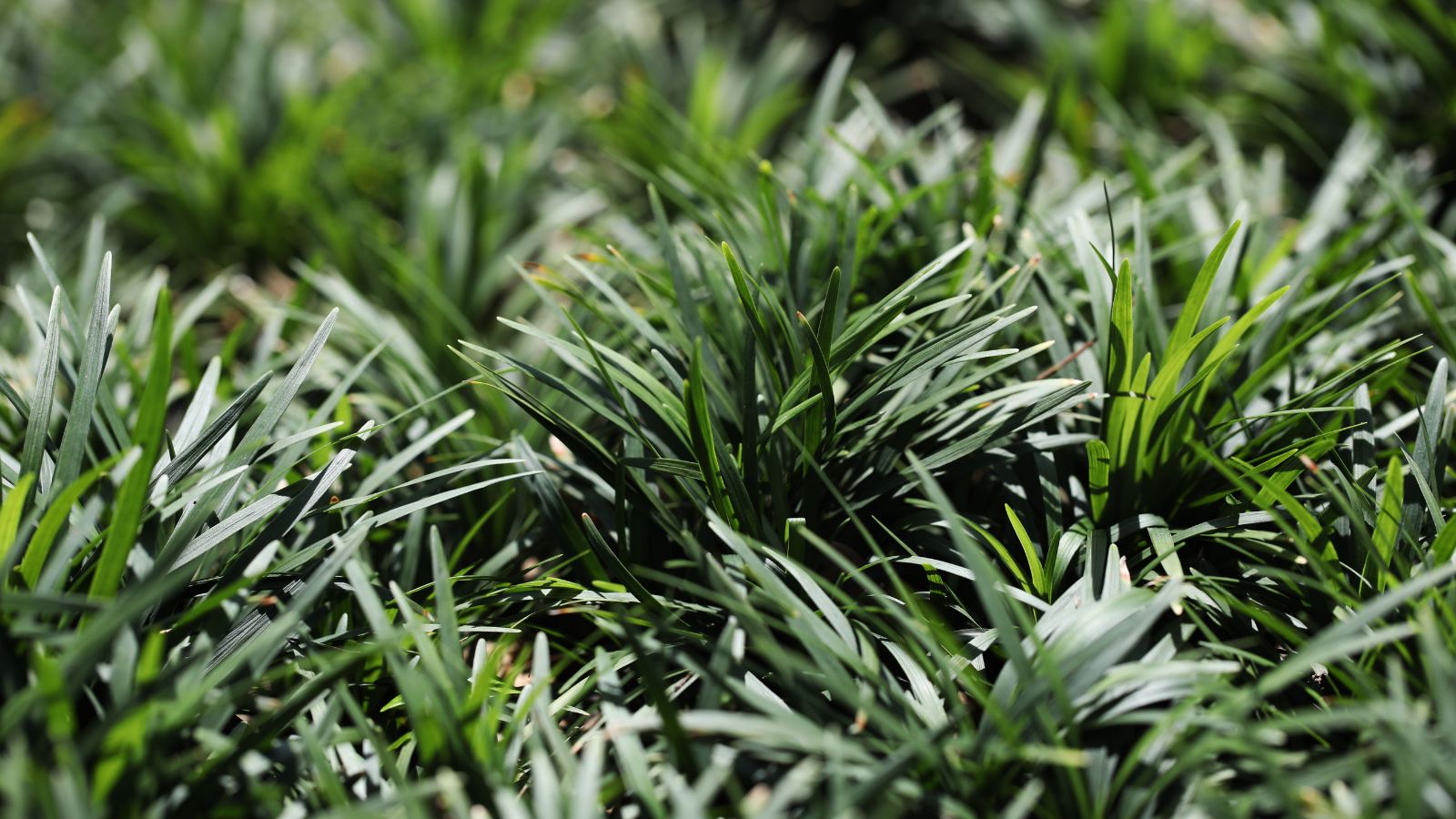
If you want something that looks like grass without acting like grass, dwarf mondo grass is an ideal lawn alternative for fall. These neat tufts of grass-like foliage form dense groups that require virtually no maintenance once established.
The plants are incredibly tough, handling foot traffic better than many alternatives while staying green year-round in most climates (or black, or whichever color you purchase). They’re also more drought-tolerant than their appearance suggests, though they’ll look better with occasional watering during dry spells.
Installation requires patience, but slow growth means you won’t be constantly battling aggressive spread as you might with more aggressive lawn alternatives. Plant plugs about 6 inches apart for full coverage in two to three years.
Blue Star Creeper
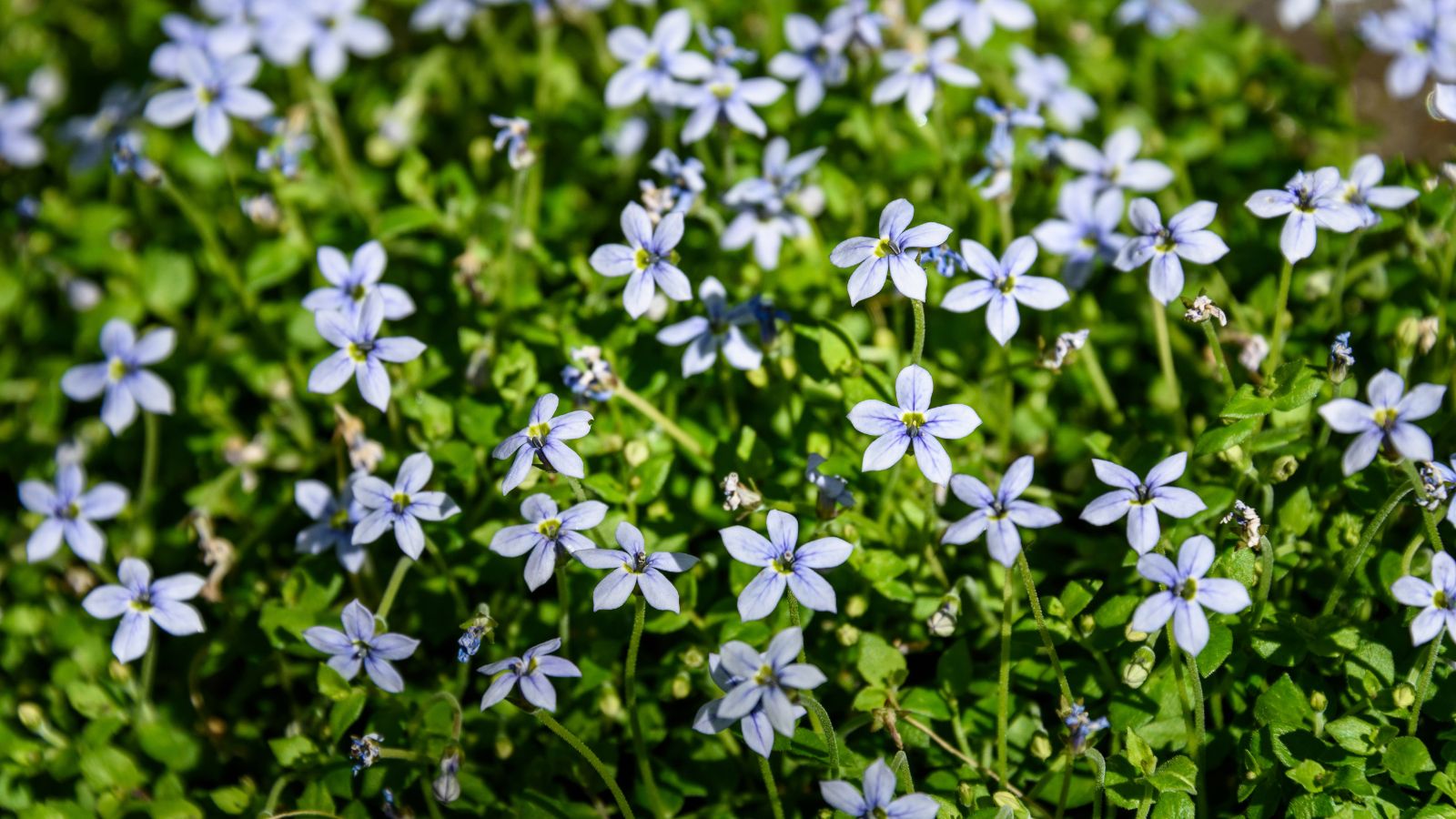
Despite its ominous name, blue star creeper is actually quite well-behaved for a spreading groundcover. The tiny blue flowers appear sporadically throughout the growing season, creating subtle color against the fine-textured green foliage.
This fall lawn alternative works particularly well between stepping stones or in areas with light foot traffic. They form a dense, low mat that stays under two inches tall and can handle some abuse without looking damaged.
Blue star creeper prefers consistent moisture and can struggle in very hot, dry conditions. But in areas with adequate water, it creates one of the most lawn-like appearances of any ground cover without requiring weekly mowing.
Green and Gold
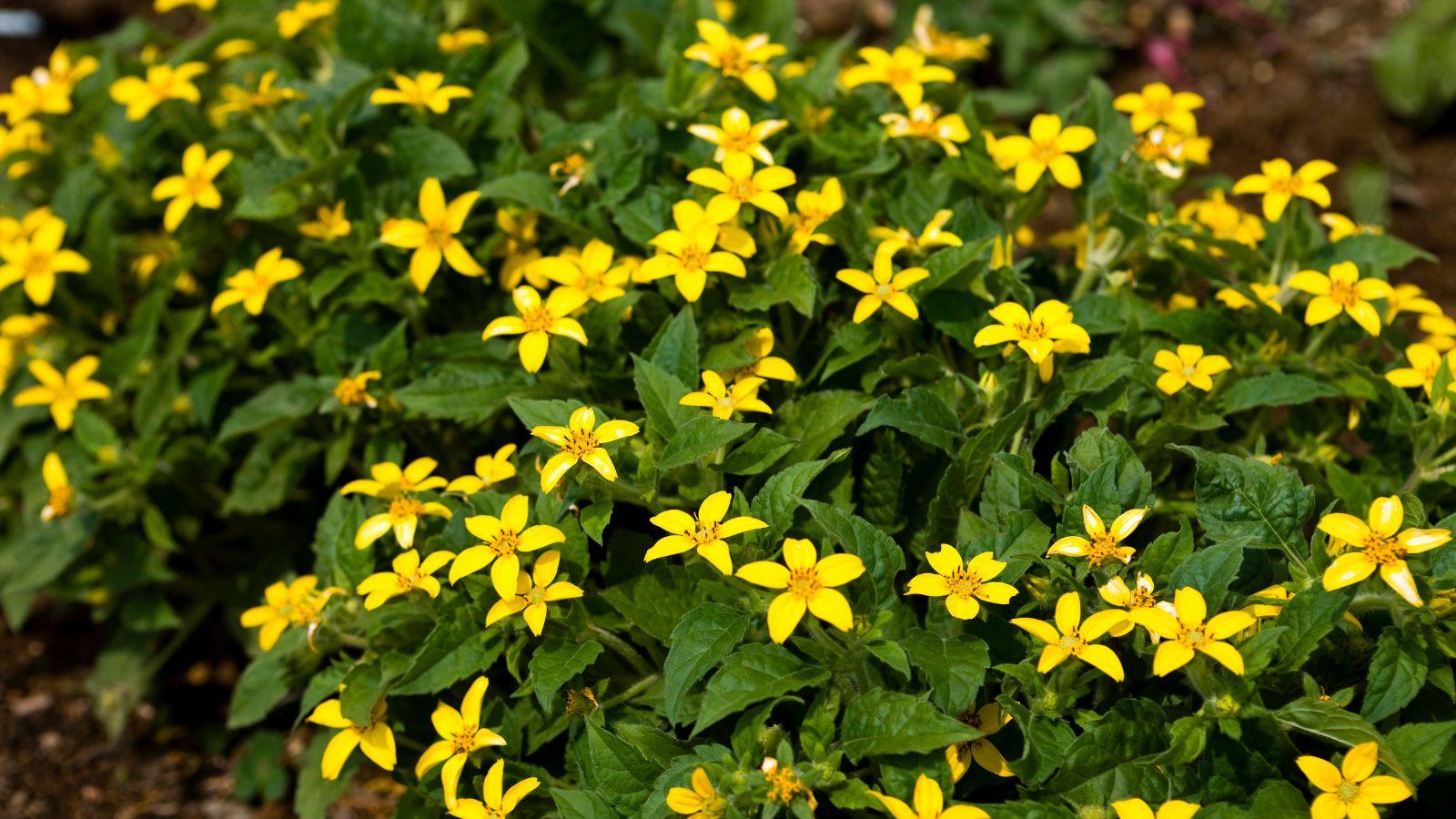
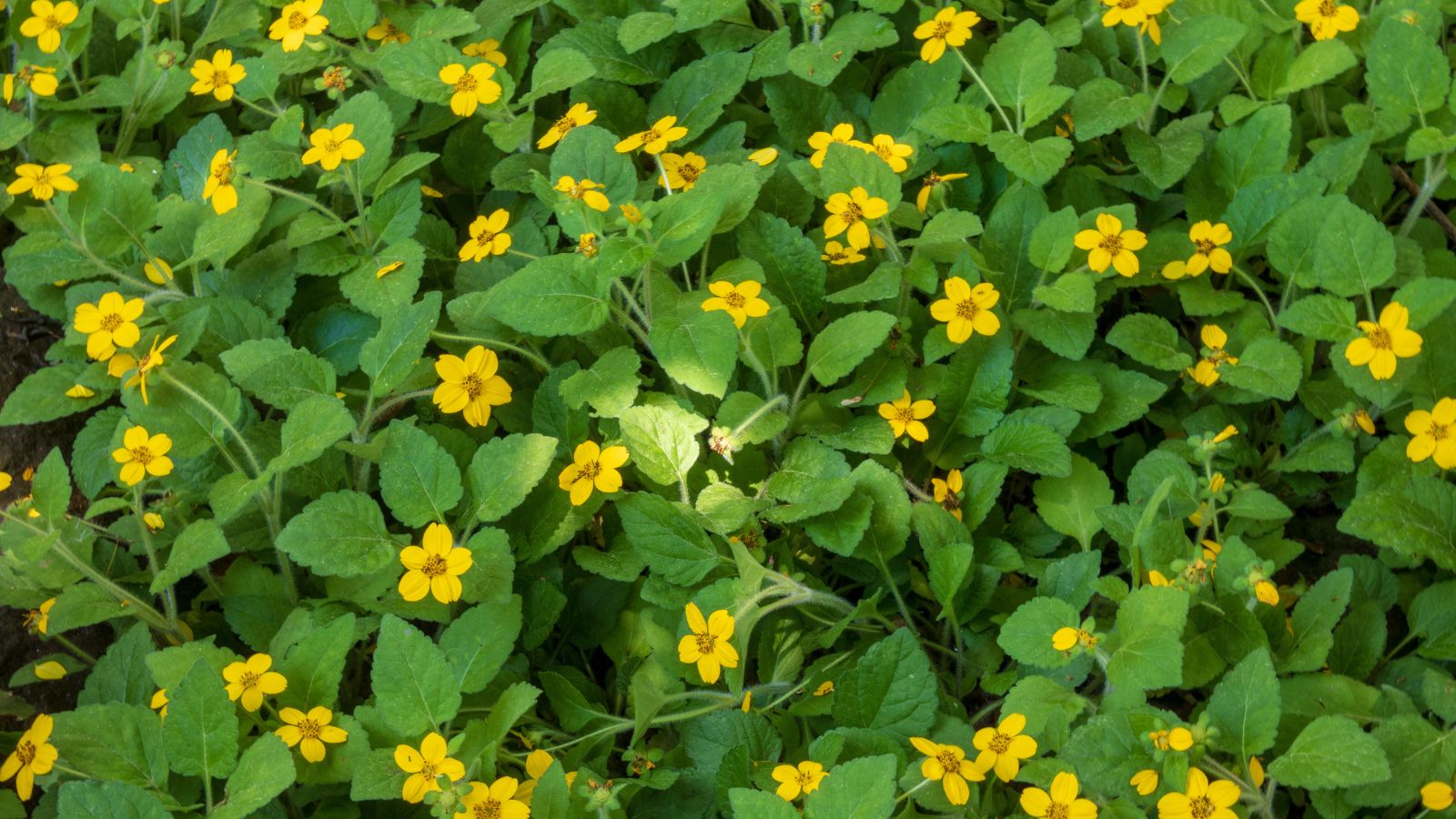
Native to the eastern United States, green and gold proves that you don’t need exotic plants to create an interesting lawn alternative. The heart-shaped leaves are attractive on their own, but the bright yellow flowers in early spring make this plant really shine.
This spreading perennial adapts to a wide range of conditions, from full sun to partial shade, though it performs best with morning sun and afternoon protection in hot climates. The foliage often develops attractive bronze tints in fall and winter.
Green and gold spreads through underground rhizomes, filling in areas without becoming invasive. It’s particularly valuable in naturalized areas where you want something that looks intentional but not overly cultivated.
Irish Moss
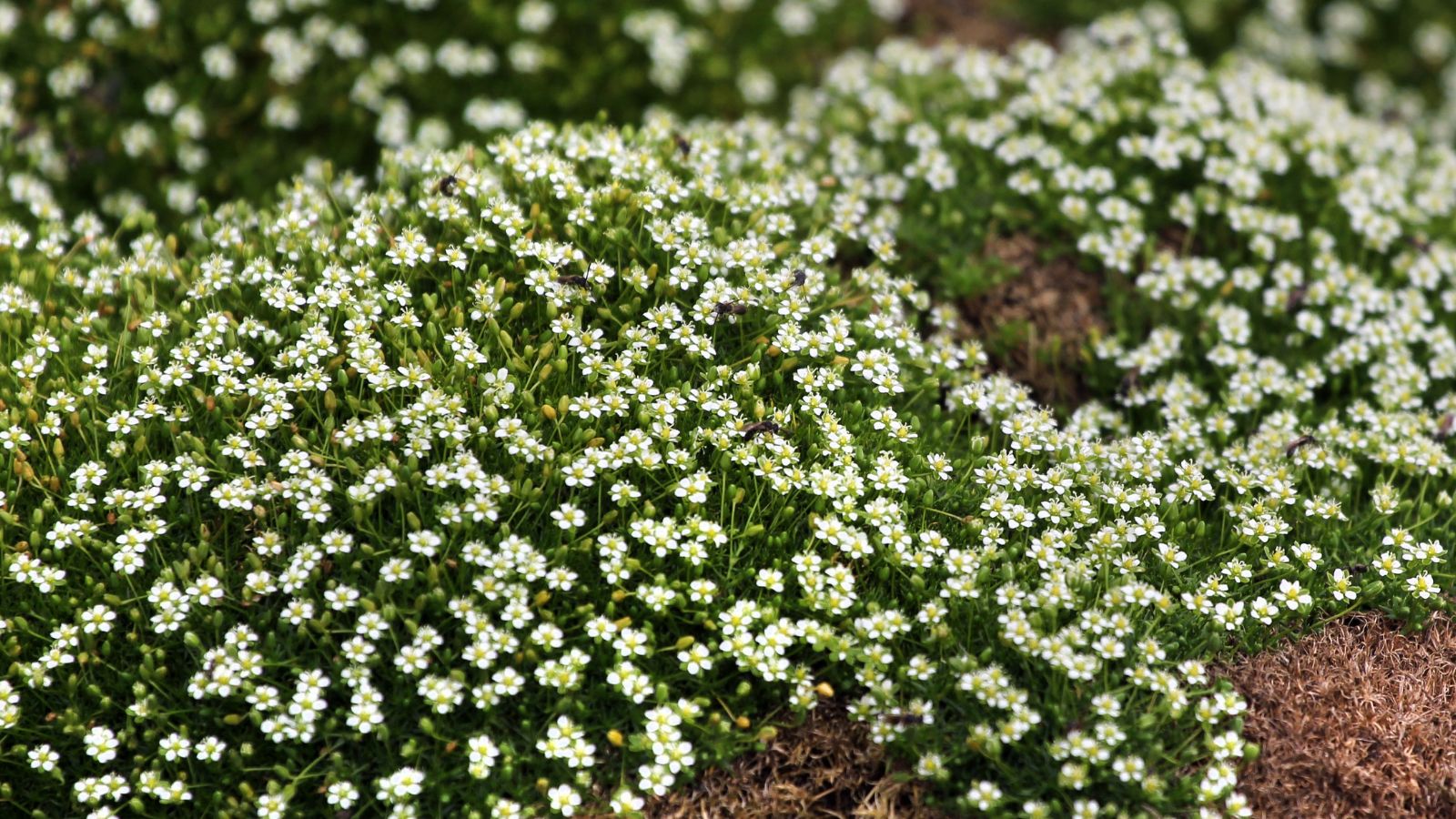
Don’t let the name fool you. Irish moss isn’t actually moss at all, but a perennial that creates a moss-like appearance. The tiny leaves form dense cushions that can handle moderate foot traffic while staying consistently green.
Small white flowers appear in summer, but the main attraction is the fine texture that works beautifully as a grass substitute in small areas. However, Irish moss thrives in cool, moist conditions and can struggle in areas with hot, dry summers.
This lawn alternative for fall works particularly well in rock gardens, between pavers, or in areas where you want a very formal, manicured look without constant trimming. The plants prefer well-drained soil and may rot in areas with poor drainage.
Hosta
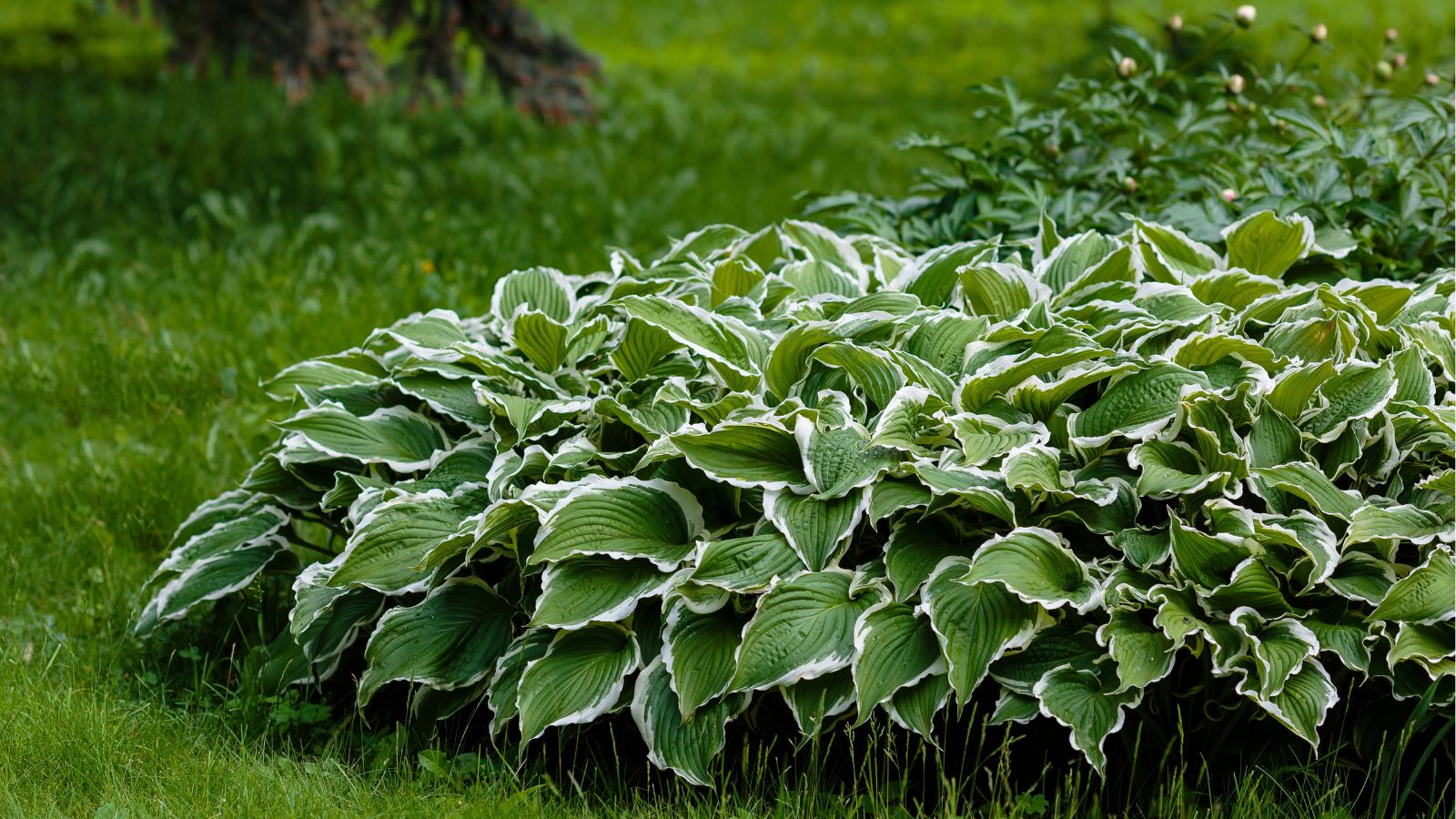
When it comes to covering large shady areas where grass won’t grow, hostas are hard to beat. These shade lovers come in an incredible range of sizes, colors, and leaf patterns, letting you create interesting designs while solving coverage problems. Stick to low-growing types for a more traditional lawn alternative, or a selection of sizes for more interest in the garden.
Large hostas can function almost like shrubs, covering significant ground with minimal planting, while smaller varieties work well for intricate patterns. Many produce flowers as a bonus, though the foliage is really the main attraction.
The main downside is seasonal dormancy. This makes them less suitable as complete lawn replacements but perfect for creating seasonal interest in problem shade areas.
Japanese Forest Grass
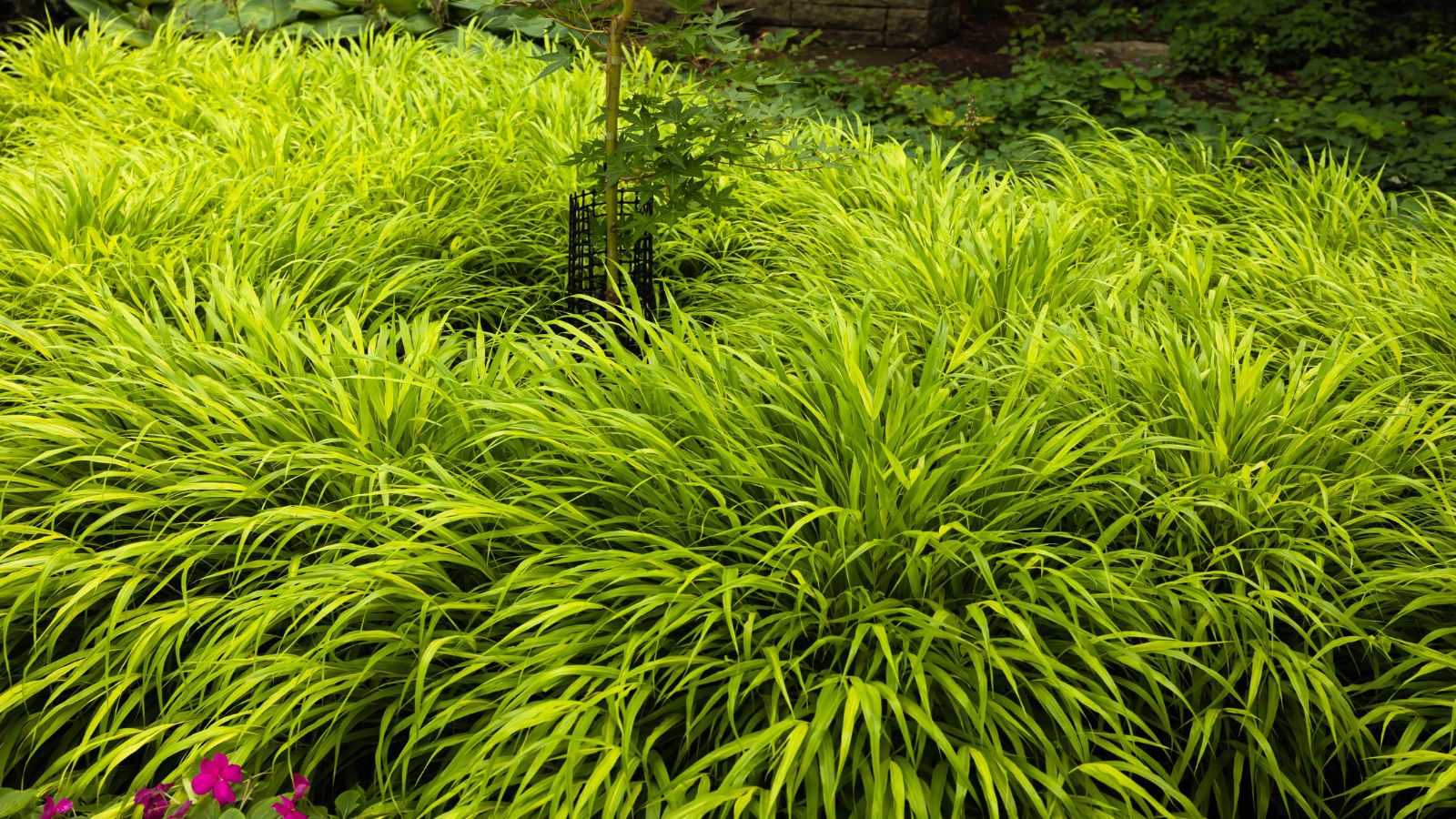
Back to more traditional fall lawn alternatives, ornamental grasses add a movement and texture that other ground covers can’t match. Japanese forest grass forms elegant arching clumps that sway gracefully in the breeze while providing dense ground coverage.
The bright foliage lights up shady areas where most plants look dull, and the grass maintains its color throughout the growing season. Unlike many ornamental grasses, this species prefers shade and consistent moisture.
Fall planting gives the roots time to establish before the spring growth surge. The plants are clumping rather than spreading, so you’ll need multiple plants for full coverage, but they won’t take over areas where you don’t want them.
Bunchberry
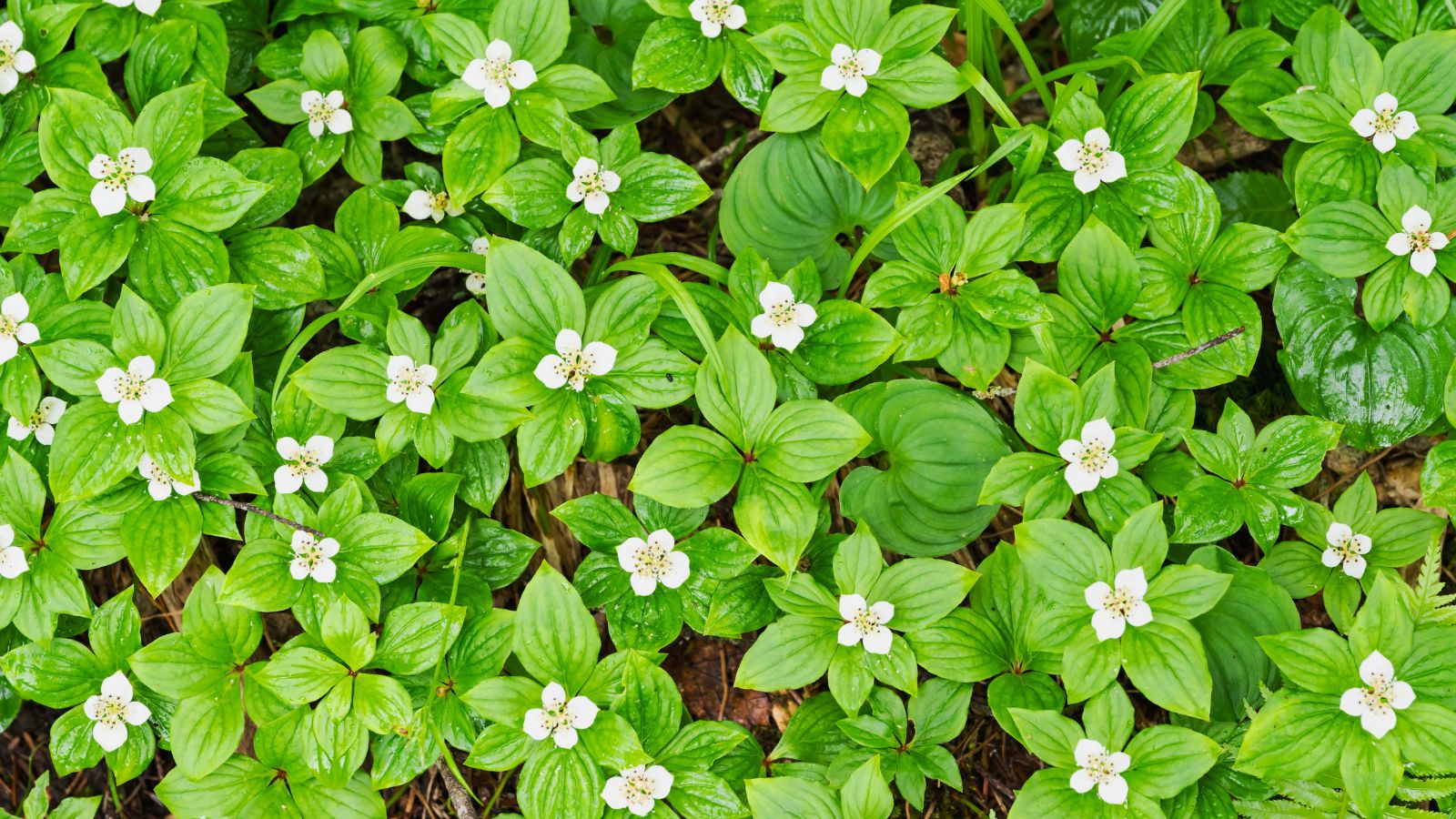
This low-growing dogwood relative deserves more attention. The distinctive four-petaled white flowers appear in late spring, followed by bright red berries that attract birds. If you want to support wildlife in your garden, planting this lawn alternative in fall is a great way to do it.
The plants spread through underground runners, but they’re typically not aggressive enough to become problematic. Bunchberry requires acidic soil and consistent moisture, making it perfect for areas under evergreen trees where grass struggles.
This alternative really thrives in naturalized settings where you want something that looks completely at home in the landscape. The fall color can be quite attractive, with leaves turning various shades of red and purple.
Partridgeberry
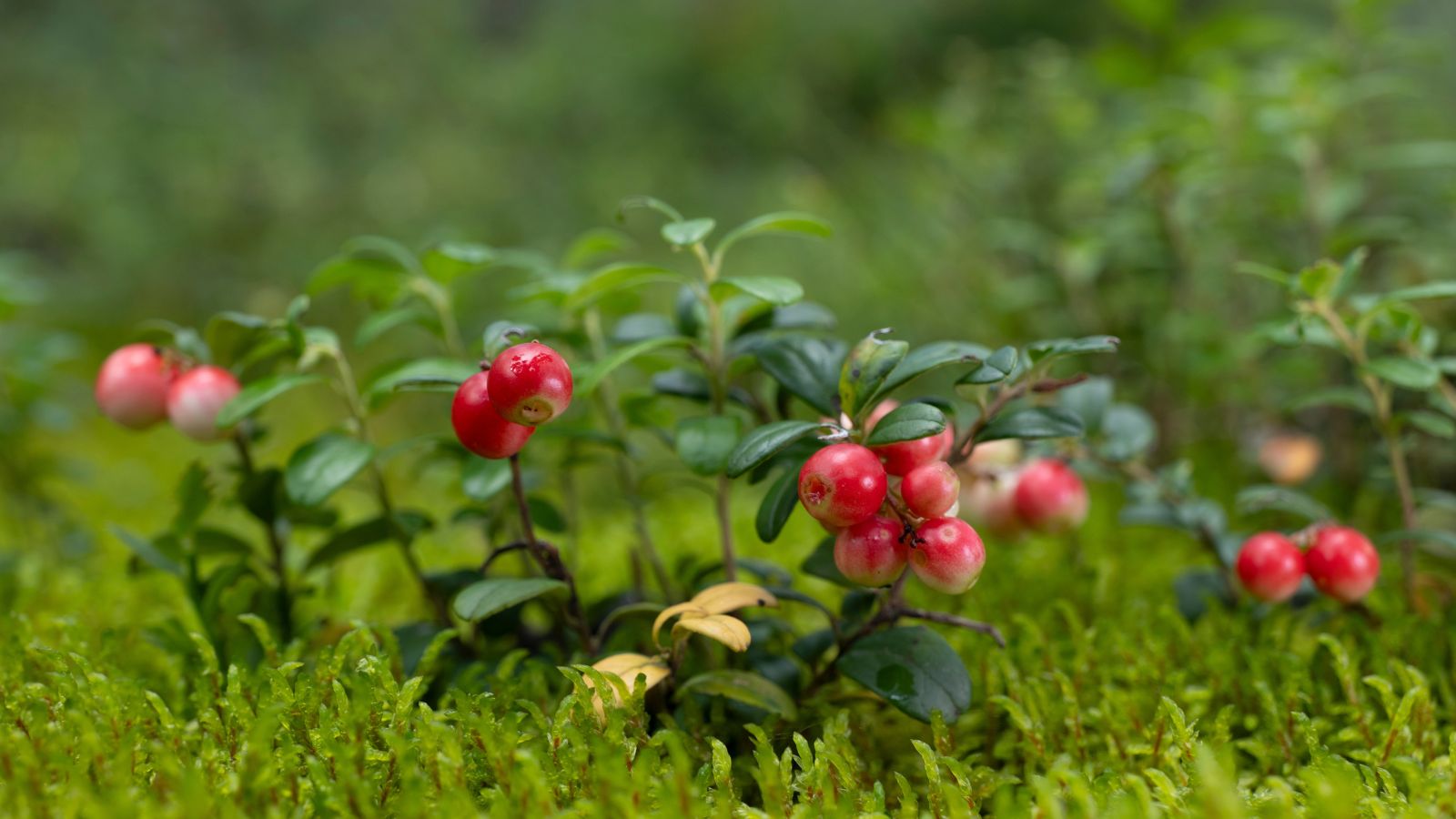
Another native option, partridgeberry creates dense mats of small, glossy leaves that stay green year-round. The tiny white flowers in summer are followed by bright red berries that persist through winter.
This trailing plant works well on slopes where erosion is a concern and grass has trouble establishing. Partridgeberry prefers acidic, well-drained soil and partial to full shade, ideal for areas under conifers.
The berries are technically edible (but considered mostly tasteless). Their main value is ornamental and as wildlife food. The plants spread slowly but steadily, eventually forming dense carpets that suppress weeds effectively.
Bearberry
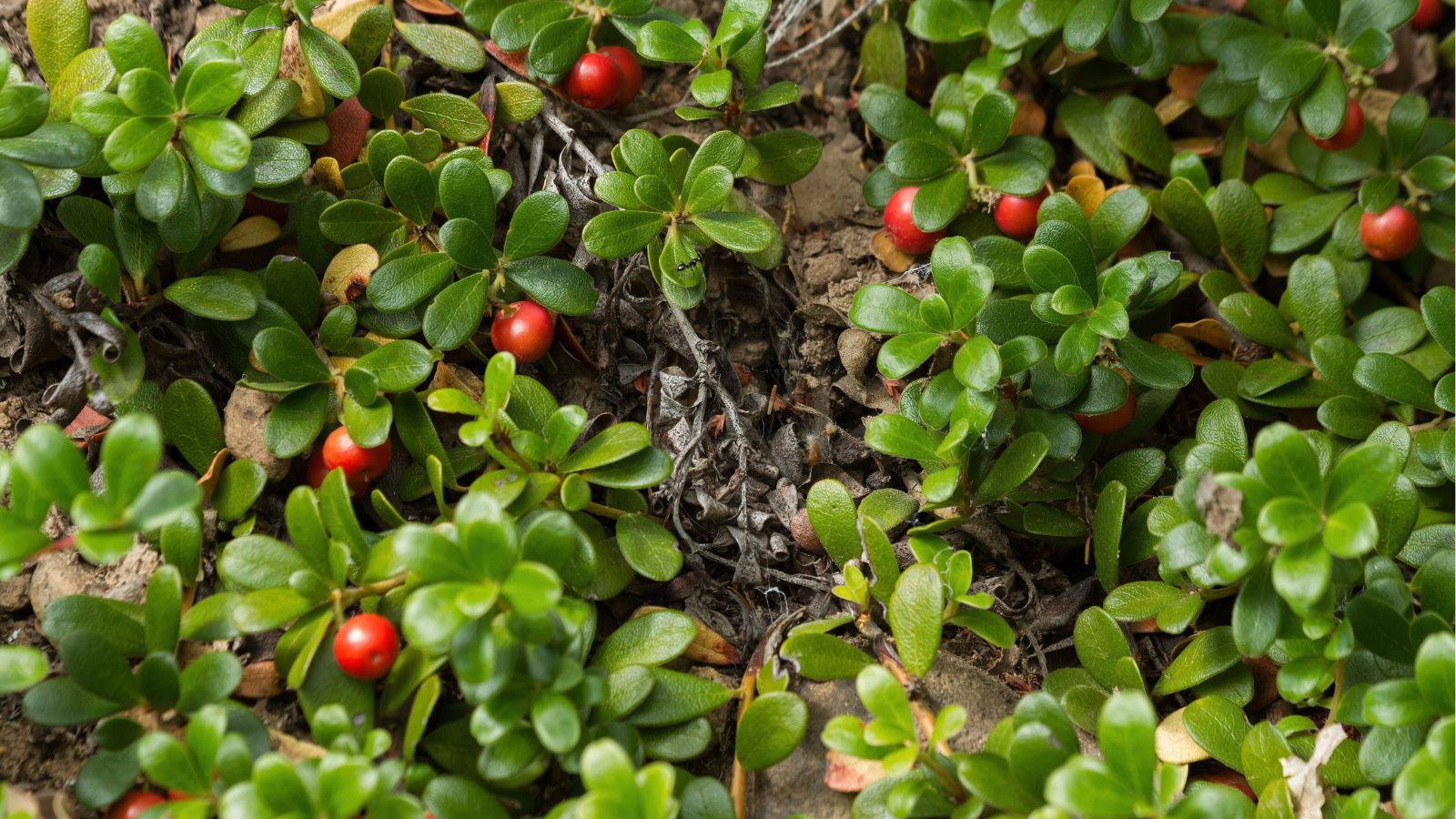
Tough conditions call for tough plants, and bearberry is a lawn alternative that delivers. This native shrub forms dense, spreading mats that can handle sandy soil and other challenging conditions where most plants (including fussy grasses) fail.
The small, leathery leaves turn attractive shades of red and purple in fall, while tiny pink or white flowers in spring are followed by bright red berries. Bearberry is extremely drought-tolerant once established and prefers poor soil.
This alternative works particularly well in coastal areas or anywhere you need coverage on difficult sites. The plants spread slowly at first but eventually form dense colonies that require virtually no maintenance.
Pennsylvania Sedge
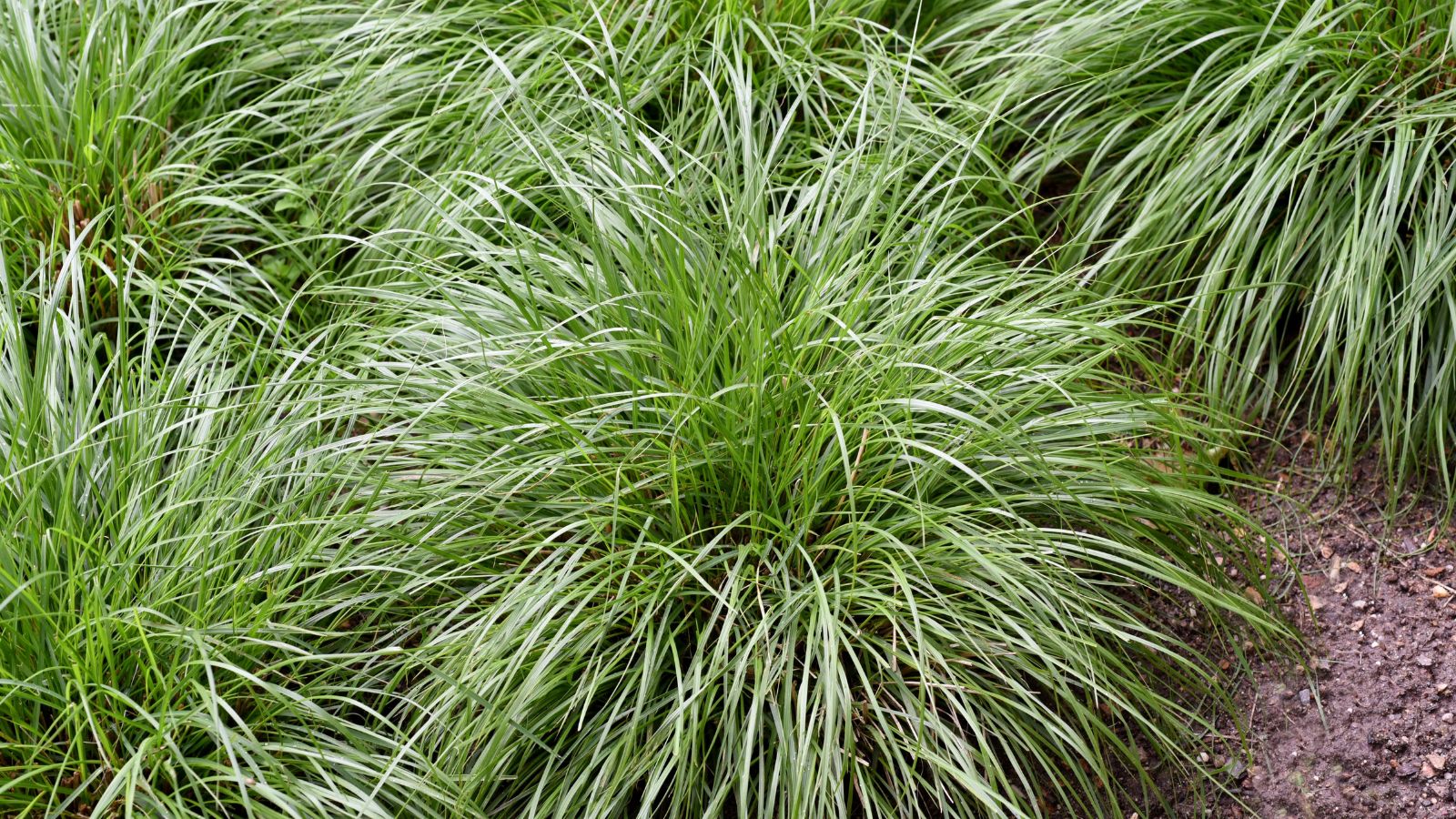
Native sedges offer the look of grass with far less maintenance, and Pennsylvania sedge is one of the most adaptable options. This clumping grass forms neat tufts that work well as a lawn alternative in both formal and naturalized settings.
Unlike lawn grass, Pennsylvania sedge doesn’t require regular mowing to look good. You can cut it back once a year in late winter if you want a tidy appearance, or leave it completely alone for a more natural look.
This sedge adapts to a wide range of conditions, from full sun to partial shade and wet to moderately dry soils. It’s particularly valuable in rain gardens or other areas with fluctuating moisture levels where regular grass would struggle.
Wintergreen
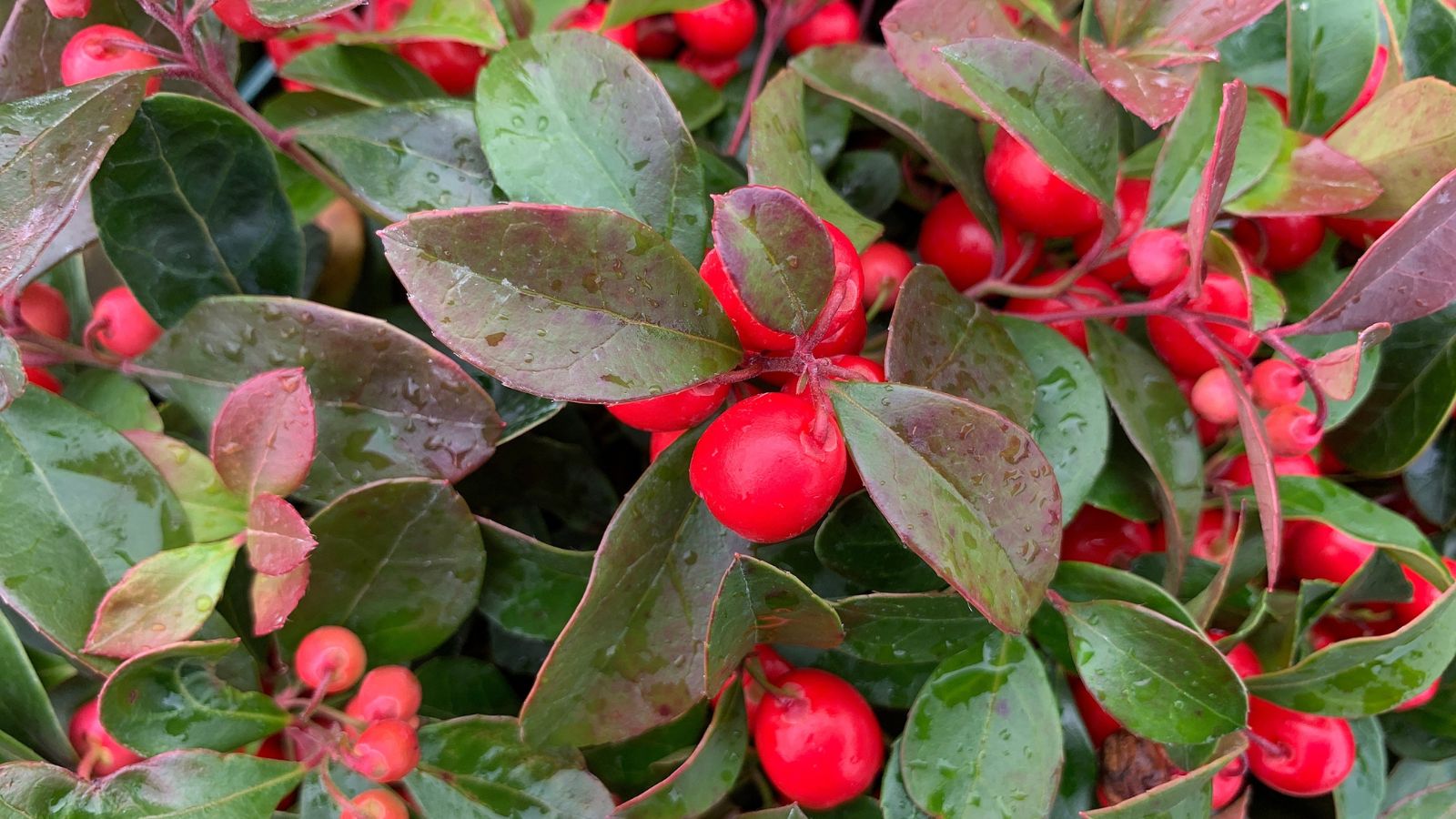
For areas that need year-round interest, wintergreen provides glossy evergreen leaves, small white flowers, and bright red berries that last through winter. The leaves release a pleasant minty fragrance when crushed, and they’re the source of natural wintergreen flavoring.
Wintergreen spreads gradually through underground runners. These lawn alternatives for fall prefer partial shade but can handle more sun with adequate moisture.
The berries and leaves are both edible, making this lawn alternative both ornamental and functional. Birds also appreciate the berries, though they usually stay around well into winter before being consumed.


