It’s Not Too Late to Plant These 9 Summer Perennials
It may be getting late in the planting season, but definitely not too late to fill your garden with beautiful perennials. Summer planting can even give some perennials a better start, especially in regions with harsh springs or early winters. Gardening expert Madison Moulton lists 9 gorgeous perennials you should consider planting now.


Contents
We all know spring is prime time for planting, but that doesn’t mean you can’t plant at other times of the year.
It may not be ideal, but summer planting comes with certain advantages, especially for gardeners in icy climates. The soil is warm, seeds germinate quickly, and there is better root protection once fall arrives to help your perennials withstand tough conditions.
These nine options are perfect if you’re looking to plant summer perennials now. They’ll generally perform best as transplants, but can also be planted from seed if your summers aren’t too harsh. Each one is tough enough to handle summer establishment.


Bee Balm

This native pollinator magnet doesn’t mind summer planting and maintains its tough characteristics throughout the year. The blooms are magnets for hummingbirds and bees, bringing activity to your garden in summer and into fall.
To plant these summer perennials, pick an area with morning sun with afternoon shade if you’re in a hot climate. They appreciate the break from intense afternoon heat while establishing. If you don’t have the ideal spot, you can always sow in containers to take advantage of portability.
The trick with summer-planted bee balm is keeping the soil evenly moist. They need plenty of water to establish well, but don’t want to be drowning either. Their square stems can quickly develop crown rot in soggy conditions.
Gaillardia

If you’re gardening in one of the lower USDA zones, gaillardia actually prefers being planted when the soil is warm in early summer. They establish incredibly fast and are one of the flowers that will bloom the first season if conditions are right.
Choose reliable varieties like ‘Goblin’ for the best performance and continuous blooming. Plant these summer perennials in full sun with well-draining soil and don’t worry too much about feeding.
These perennials will bloom nonstop until frost, giving you instant gratification. All you need to do is deadhead regularly to keep them tidy, and these tough-as-nails perennials will look good when everything else has given up.
Catmint

Catmint is known for being practically indestructible, making it an ideal summer perennial plant. These beautiful plants create stunning purple-blue clouds of flowers once established that pollinators adore.
If you live in an area with wet and cold springs, summer planting is preferred (although they take a while to settle in, so don’t wait too long). Plant in full sun to light shade with space to expand. They’ll look small at first, but they’ll fill in quickly once established.
After the first set of blooms starts to die back, cut the plant back to keep it tidy. In the right conditions, it may bloom again before frost.
Coneflower

Echinacea is one of the easiest summer perennials to plant. They don’t mind establishing in mild summers and will bloom beautifully later in the season, providing wonderful food for pollinators into fall.
Purple coneflowers are a classic choice for good reason, but there are so many other colors to choose from. With ‘White Swan’ or the colorful ‘Paradiso Blend’, you can create stunning combinations guaranteed to catch the eye.
Plant coneflowers in full sun positions to maximize blooms, or lightly shaded spots if you don’t mind fewer flowers. Space according to the information on the seed packet for good air circulation, an important step to avoid common diseases. The deep taproots that make coneflowers so drought-tolerant once established also help them handle summer planting stress.
Water deeply but infrequently once they are settled in. Skip the fertilizer too, as coneflowers bloom better in average soil. Your summer-planted coneflowers might not bloom heavily this year, but they’ll build root systems that will support years of flowers.
Salvia

The salvia family is huge, but ornamental beauties like ‘Violet Queen’ are great for perennial summer planting. These spikey flowers keep blooming for months with minimal fuss and don’t mind a little more heat than some other perennials.
Salvias come from dry Mediterranean climates with wet winters (not summers), so don’t overwater them this season. They are highly susceptible to root rot, especially during establishment. Space according to variety to fill out beds without overcrowding.
Cut spent flower spikes back and new ones will appear within weeks, filling your summer garden with color each year. Don’t be afraid to trim them heavily to revive stems and keep the plant looking tidy.
Black-Eyed Susan

Black-eyed Susan is a perennial staple in summer gardens. Early summer planting suits these cheerful flowers perfectly, and they’ll often bloom the same year when planted in warm soil.
Try ‘Indian Summer’ for classic yellow blooms or ‘Cherokee Sunset’ for warm red and orange tones. Plant in full sun where they can get all the light they need to flower prolifically. Black-eyed Susans tolerate a wide range of soils, ideal for those tough areas where other plants may struggle to grow.
These enthusiastic self-seeders will naturalize if you let some flowers go to seed. Birds love the seedheads in winter, so summer planting gives you flowers now and a wildlife habitat later.
Yarrow
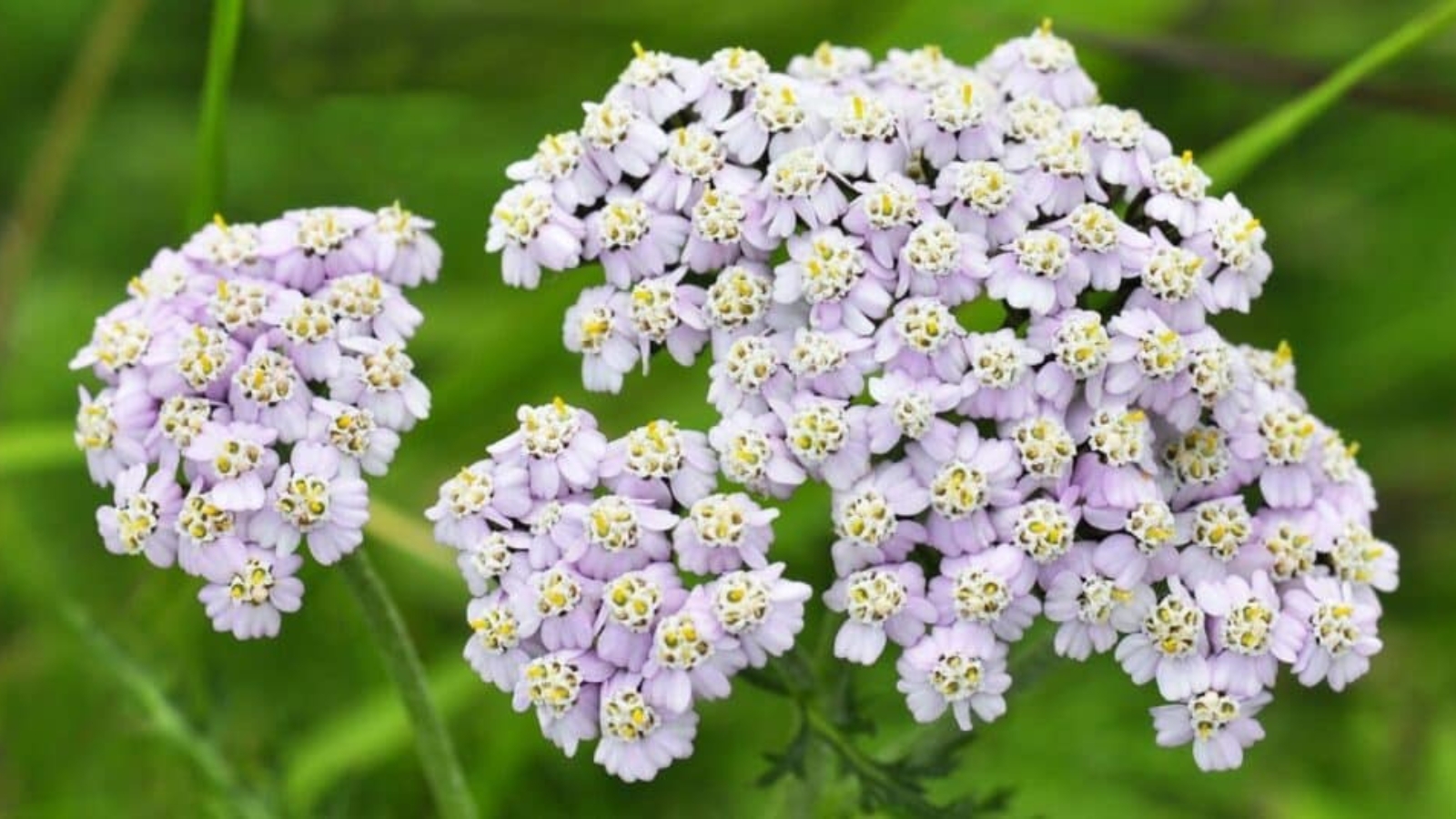
Yarrow thrives in hot, dry conditions, making it another great perennial for summer planting. These bright flowers are great for filling empty spots in the garden, especially for beginners or gardeners who don’t have much time for finicky maintenance. With mixes like ‘Colorado Blend’, you can take care of all your color needs with one seed packet.
Plant yarrow in full sun for maximum blooms. Pick a spot with poor soil where you can’t grow heavy feeders, as soil that is too rich causes yarrow to become floppy. That extends to feeding too. These perennials don’t need much attention to thrive and actually prefer to be left alone.
Water regularly until established. After that, they won’t need much water. Yarrow’s ferny foliage looks delicate, but handles drought once rooted. For a fun project, let some flowers mature for dried arrangements.
Penstemon

These perennials deserve more popularity in the garden. Penstemons attract pollinators, flower all season long, and are wonderfully easy to grow. With beautiful varieties like ‘Rocky Mountain Blue’ and ‘Dazzler’, you’re bound to fall in love.
The most important condition to consider is drainage. Most penstemons are mountain or prairie natives that can’t handle soggy soil. Add sand, gravel, and compost to soil if needed to provide the right conditions.
Summer planting gives penstemons time to establish their deep root systems before winter. Many varieties bloom from summer into fall, so you might get flowers while they establish. Hummingbirds love the tubular flowers, making late summer plantings especially valuable as food sources.
Chocolate Flower

This beauty is on the list for a fun reason: chocolate flower (Berlandiera lyrata) really does smell like chocolate. If you line your paths with these sunny flowers or grow in pots on your patio, your garden will be full of the sweet smell of chocolate all summer.
This perennial doesn’t mind summer planting and will bloom from early summer through fall year after year. It prefers poor soil over rich conditions. These plants stay relatively compact but need air circulation in humid climates, so make sure you follow the spacing instructions on your seed packet closely.
The yellow daisy-like flowers close in afternoon heat, concentrating that chocolate scent in the morning. Summer planting means you’ll enjoy this unique fragrance the same year. Plus, the papery seed heads add winter interest long after blooming stops.


