How to Prepare Raised Garden Beds for Winter
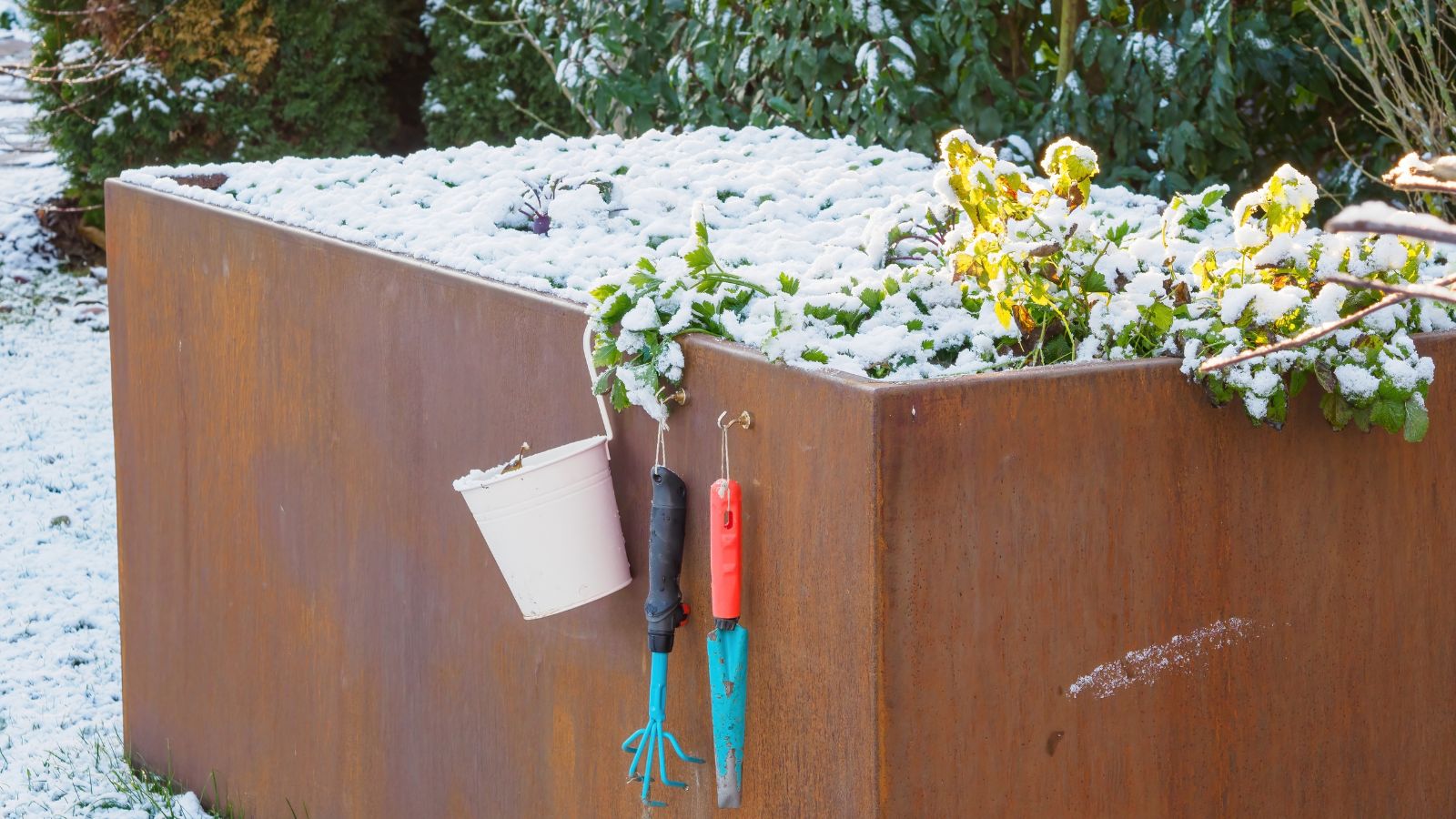
Raised bed winter prep protects your investment in soil and materials while setting up beds for easier spring planting. These steps take advantage of winter weather to improve soil structure and reduce early-season workload (with some time for more gardening, too).

Contents
Raised beds require slightly different winter prep than in-ground gardens. The elevated soil drains faster and experiences more temperature fluctuation, which affects what survives winter and how quickly beds are ready for spring planting.
The good news is that raised beds are easier to manage in the fall. Everything is contained and accessible, so you’re not dealing with sprawling garden areas. The defined space makes it simple to apply amendments, covers, or protection exactly where needed.
When you prepare raised beds for winter, focus on keeping the soil and plants healthy and productive through the dormant months. Some beds can even keep producing food all winter if you plan accordingly.


Check the Weather
Your local frost dates determine timing for everything else on this list. Preparing beds too early wastes effort on plants that could keep producing. You shouldn’t wait too long either, but that’s why it’s helpful to know when freezes are incoming.
Look up average first frost dates for your specific area, not just your general zone. It also helps to keep track of trends yourself throughout the years so you can have a better understanding of how the weather impacts your specific garden. But if you’re starting now, a quick Google will do.
Watch extended forecasts in the fall for sudden cold snaps that arrive earlier than average. A surprise freeze can damage crops that normally have weeks left to grow. It’s far better to harvest a bit early than lose everything to unexpected cold.
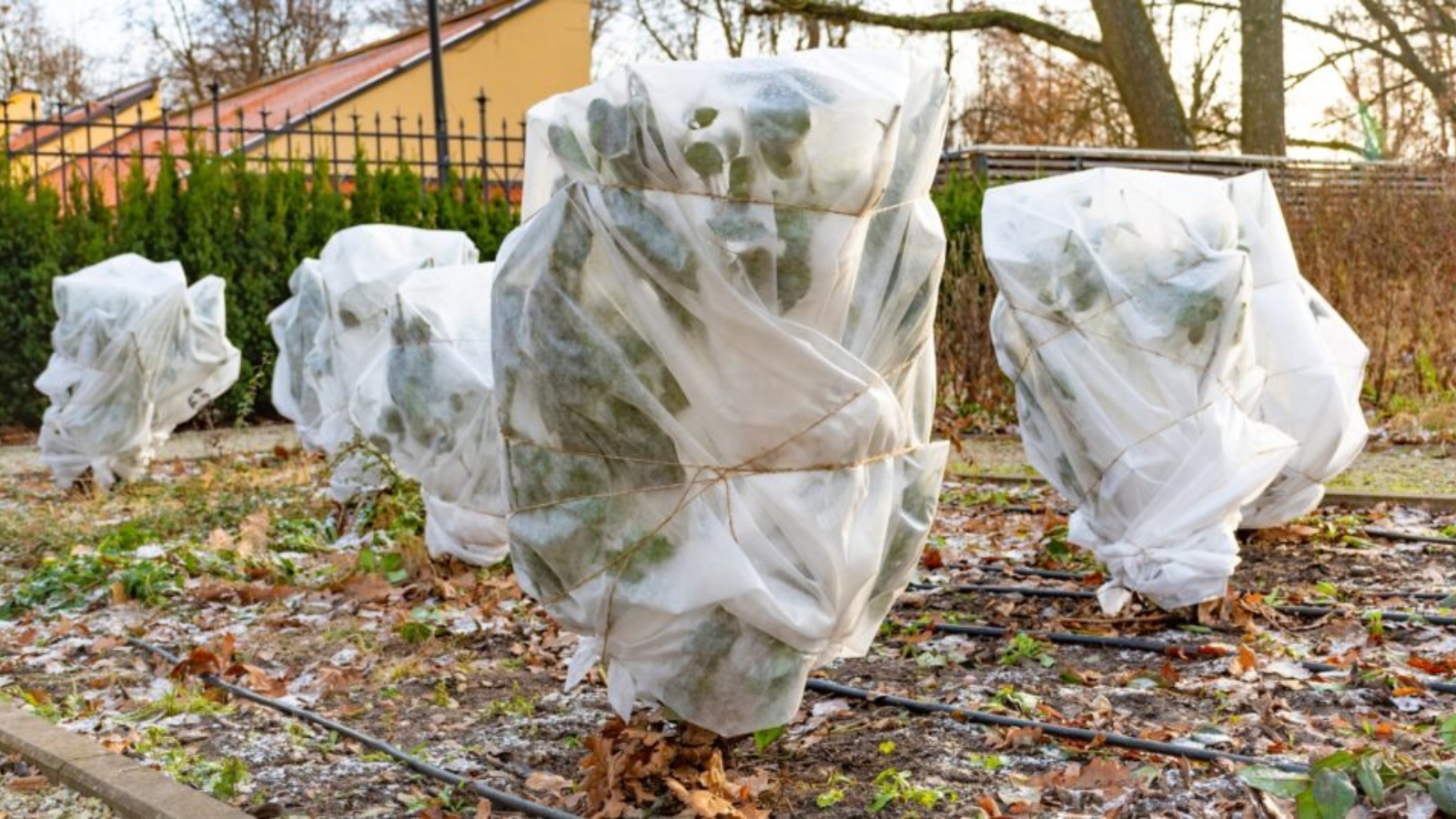
Keep frost blankets or row covers handy once nighttime temperatures start dipping into the 40s. Having protection ready means you can cover beds quickly when forecasts change.
Harvest the Last Crops
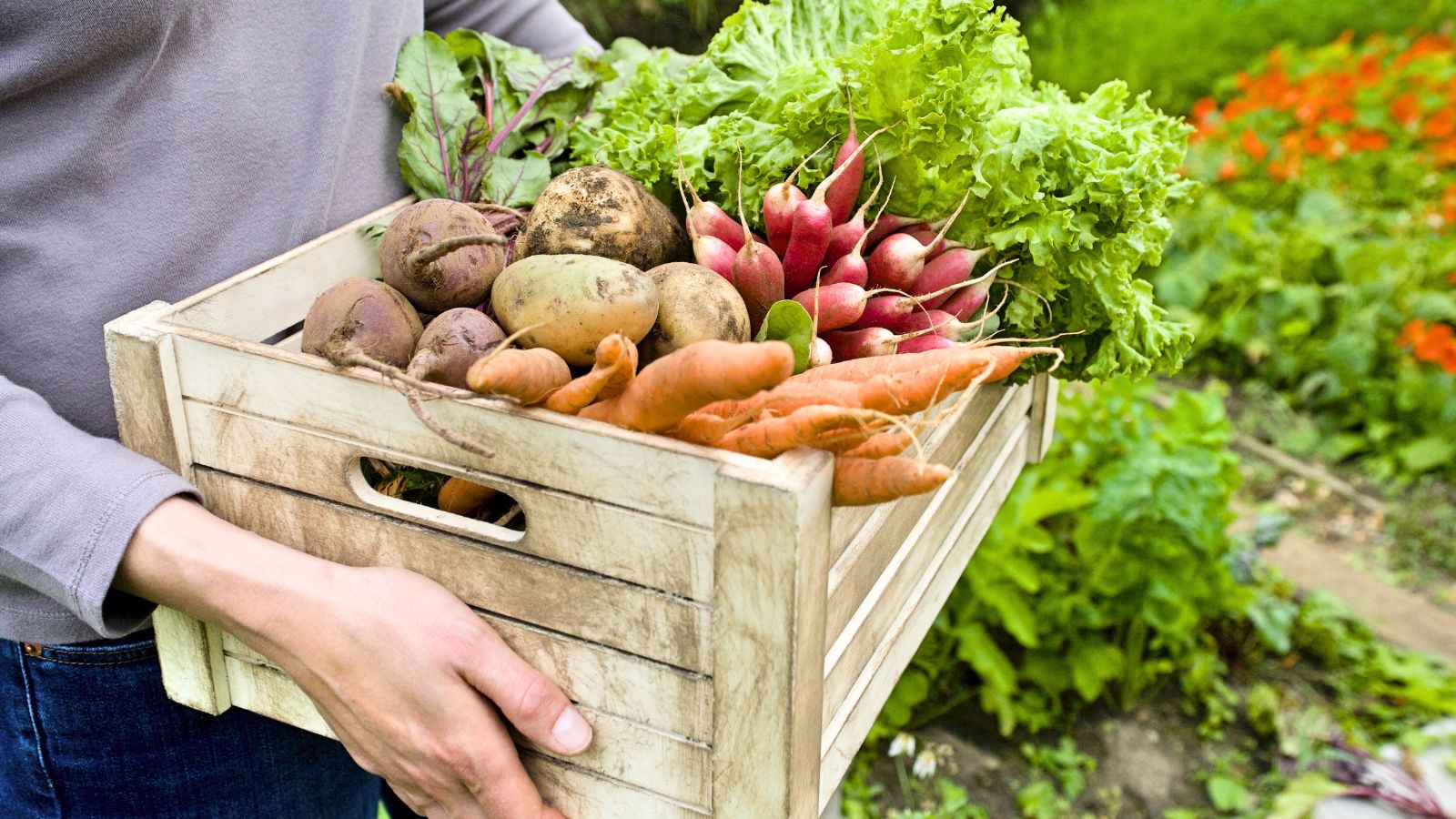
Summer and frost-tender fall vegetables won’t survive frost. Rather than letting them go to waste, harvest everything before temperatures drop below 30°F, even if the fruits aren’t fully ripe. Some crops will continue to ripen indoors, while others may still be edible if they haven’t exactly hit that ripe stage just yet.
Pull entire plants after harvest, or cut them down to the ground if you’re not planning on planting anything else there until spring. Decaying summer annuals can harbor diseases that overwinter in the soil and infect next year’s crops. This is especially important for crops prone to fungal issues.
Root vegetables are less urgent. Many can handle light frosts and get a boost in flavor after cold weather. Leave them in the bed with heavy mulch (which we’ll look at next) for extended harvest into winter.
Use Mulch

Whether you’re still planning on growing in winter or you’re taking a break, mulch is always a great idea. A thick layer of organic mulch protects soil structure through winter while suppressing weeds that might pop up in late winter or early spring.
Shredded leaves or straw work best for raised beds in winter and are easily accessible. Apply a layer about four inches thick across empty beds after removing spent plants, or around existing cold-hardy crops to regulate soil temperature. This might look excessive, but it will compact and decompose over winter.
Mulch applied now breaks down slowly, adding organic matter to beds without any extra effort. You can plant right through decomposed mulch in spring or work remaining material into the top few inches of soil.
Protect Sensitive Plants

Perennials that might not be as cold-hardy as your growing zone requires may need extra protection in raised beds in winter, since roots are more exposed to cold than in-ground plantings. Elevated soil experiences wider temperature swings without cover.
Mound additional soil or mulch around the base of borderline-hardy perennials after the ground freezes. This insulates roots from the worst temperature extremes. Consider moving very tender perennials in containers to protected locations. Smaller raised beds that double as container gardens make this easy, letting you overwinter plants indoors while leaving cold-hardy crops outside.
Wrap the exterior of raised beds with burlap or bubble wrap if you’re growing marginally hardy plants. This insulates the bed itself, moderating temperature swings that can damage roots more than cold alone.
Cover the Entire Bed
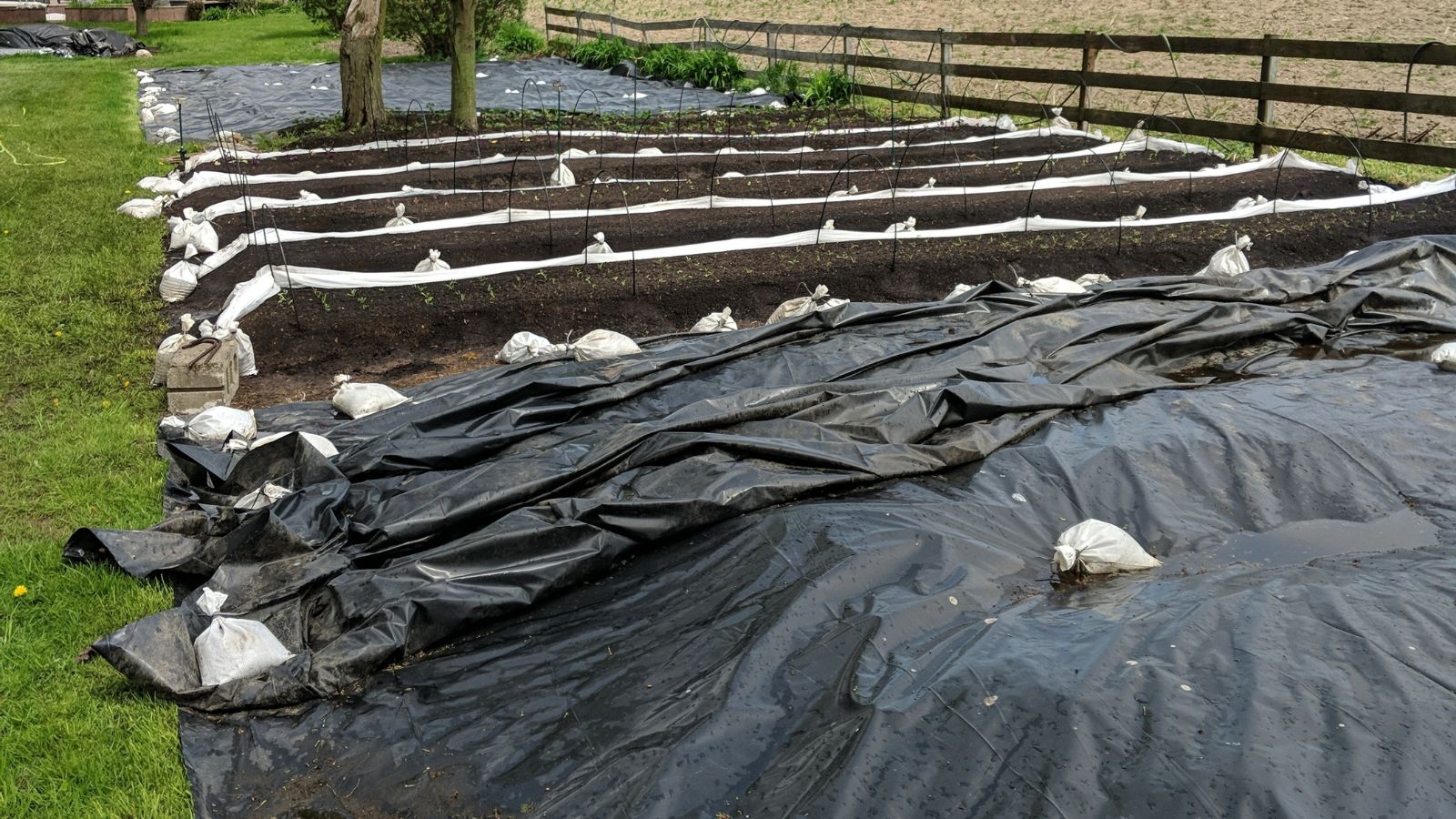
Covering empty beds with tarps or frost protection prevents erosion and weed growth while keeping soil warmer and more biologically active through winter. This is particularly useful if you’re growing winter vegetables or planning early spring planting.
Secure covers with rocks, bricks, or landscape staples so the wind doesn’t take them away. Check periodically throughout the winter to ensure covers haven’t shifted or collected water that could freeze into ice sheets (depending on the materials you’ve chosen).
Clear plastic creates a greenhouse effect that warms the soil more than other materials. This works well if you want to plant cold-hardy crops in early spring, as covered soil will be workable weeks earlier than exposed beds. Remove covers on mild winter days to allow air circulation. Soil needs some gas exchange, even during dormancy.
Amend the Soil

Fall is ideal for adding compost or other organic amendments to raised beds. Soil organisms remain active during mild periods, breaking down amendments so nutrients are available when spring growth begins. You don’t want to get to the spring season and have to come up with ways to rapidly improve soil health.
Spread several inches of finished compost across beds and let it sit on the surface. There’s no need to dig it in, as earthworms and microorganisms will incorporate it naturally over winter. Tilling or digging in the fall can damage soil structure when conditions aren’t ideal.
This is also the time to adjust pH if needed. Lime takes months to alter soil chemistry, so applying it in fall means a balanced pH by spring. Soil test results from fall testing tell you exactly what amendments your beds need.
Grow Winter Vegetables

When you’re preparing raised beds for winter, don’t assume the growing season is completely over. Raised beds are perfect for winter vegetable production since they drain well and warm up quickly during sunny winter days. Many cold-hardy crops will grow slowly through winter even in fairly cold climates.
Plant cold-tolerant varieties of spinach, kale, and Asian greens in late summer or early fall. These establish before hard freezes and continue producing through winter with minimal protection. Time plantings so crops are mature before winter arrives.
Row covers or low tunnels over raised beds can extend the growing season, too. The combination of raised bed drainage and cover protection creates ideal conditions for winter greens.


