The Ultimate Guide: 13 Tricks for Deliciously Sweet Tomatoes
Growing delicious tomatoes doesn’t always involve just popping seeds in the ground and hoping for the best. There are proven techniques that can help you boost flavor and make the most out of your crop. Gardening expert Madison Moulton shares the tricks you can use for the sweetest tomatoes possible.


Contents
The benefit of growing tomatoes at home is superior flavor to store-bought fruits, or so they say. That’s not always the case, depending on how they were grown. You may bite into the fruits after a long season of preparation, only to discover your tomatoes are watery, bland, or worse, completely flavorless.
Sweet tomatoes don’t always happen by accident. They’re the result of specific growing techniques that boost flavor in the fruits. The good news is that most of these methods are surprisingly simple once you understand what affects tomato sweetness.
Some of these tricks are more reliable than others, but they’re worth a try in your garden. Ultimately, keep your tomato plants productive and healthy, and they’ll do most of the work for you.


Choose Smaller Varieties Bred for Flavor

Many large-fruited tomato varieties have been bred for size and shelf life rather than taste, resulting in tomatoes that look impressive but disappoint in flavor. Smaller varieties typically concentrate more flavor and sugar into each fruit.
Cherry tomatoes like ‘Sun Gold’ are renowned for their intense sweetness. Mid-size varieties such as ‘Cherokee Purple’ also offer a balance of size and flavor if you are looking for something a little bigger. Look for types that specifically mention flavor, rather than characteristics like size or growth speed, if that’s what you’re after.
For really sweet tomatoes, consider growing paste tomatoes like ‘San Marzano’. These varieties naturally have higher sugar content and more concentrated flavor than many slicing types.
Control Water Intake

When it gets close to harvesting time, holding back on watering can actually give you sweeter tomatoes over time. Controlled water stress is one of the most effective ways to concentrate sugars and intensify tomato flavor. Plants that receive just enough water to survive produce smaller but sweeter fruits.
This doesn’t mean letting plants wilt constantly. You do need to maintain steady, moderate moisture throughout the growing season if you want to get to the point of harvesting in the first place. But reduce watering frequency once fruits begin forming, allowing soil to dry out more between sessions while still preventing severe wilting.
Container-grown tomatoes are easier to manage for controlled stress because you have complete control over water availability. Pot-grown plants often produce more flavorful fruit than ground-planted ones due to natural root restriction and easier moisture management.
Reduce Nitrogen

Excessive nitrogen creates lush, green plants with bland tomatoes. High nitrogen levels encourage rapid vegetative growth and leaf production at the expense of fruit development and sugar concentration.
Stop feeding nitrogen-heavy fertilizers once plants begin flowering. Switch to phosphorus and potassium-rich fertilizers that support fruit development without pushing excessive leaf growth. Compost-rich soil provides steady, moderate nutrition without the nitrogen spikes that come from synthetic fertilizers. This balanced nutrition profile supports consistent fruit development and sweet tomatoes.
Watch for signs of nitrogen excess. Dark green foliage, delayed flowering, and excessive stem growth all indicate too much nitrogen. You can also test your soil to get a better idea of what you’re working with.
Maximize Sun Exposure

Tomatoes develop peak sweetness when they receive intense sunlight and warm temperatures during the ripening process. Insufficient light results in lower sugar development and poor flavor.
Plant tomatoes in the sunniest location available, with around 8 hours of direct sunlight daily (6 hours minimum). More sun means more photosynthesis, which translates directly into sugar production in developing fruits.
Prune lower branches and excess foliage to improve light penetration to developing fruits without scalding. Also remove suckers and thin overcrowded areas to ensure maximum sun exposure reaches the fruit clusters.
Heat also plays a crucial role in sweet tomatoes. Tomatoes that ripen during warm weather (75-85°F) develop higher sugar content than those ripening in cool conditions. This is why late-season tomatoes often taste better than early ones.
Time Your Harvest
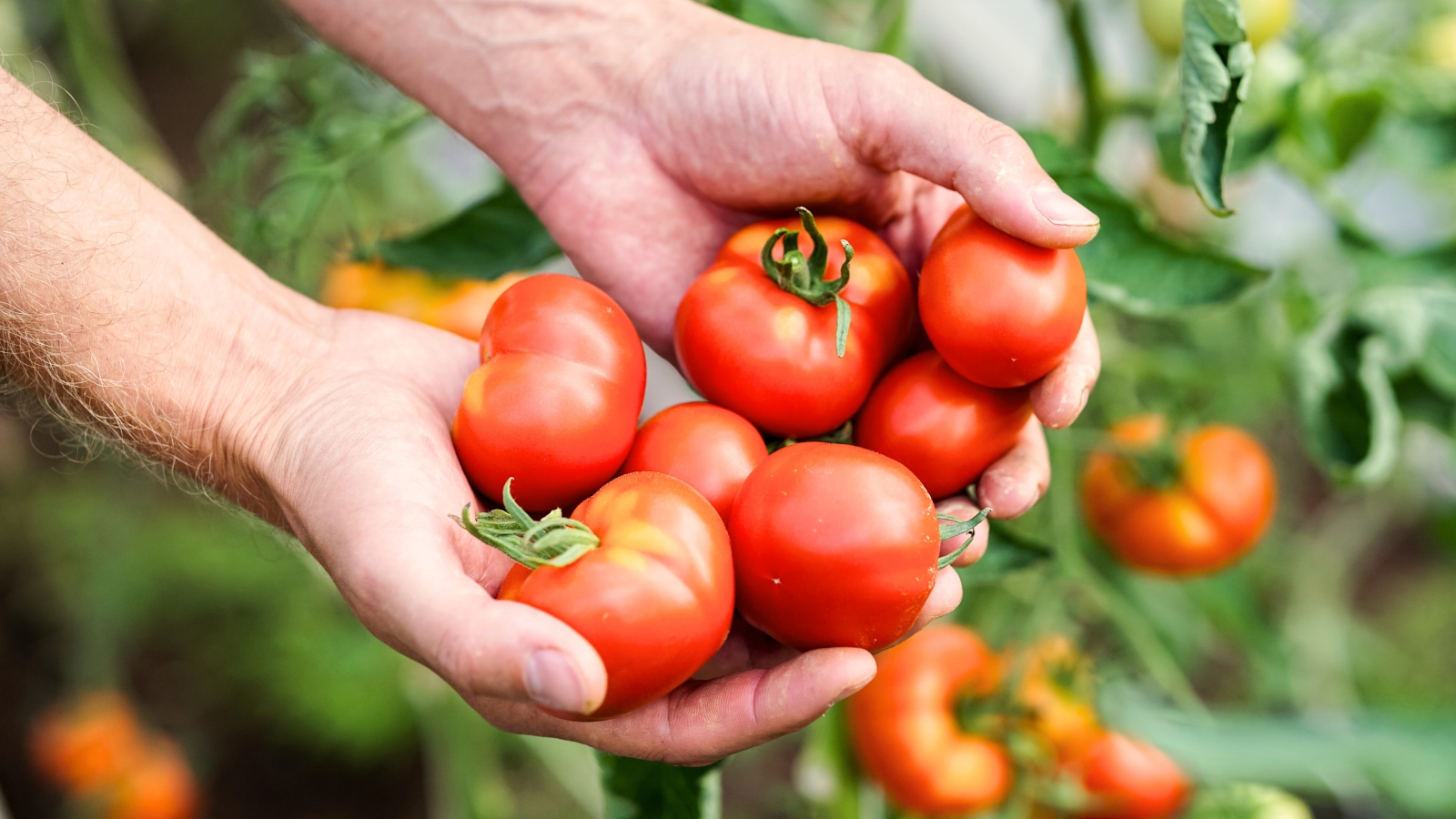
Harvesting at the perfect moment dramatically affects flavor and sweetness. Tomatoes picked too early may not develop their full sugar potential, while overripe fruits lose sweetness and develop strange flavors.
Wait until tomatoes are fully colored but still firm before picking. The fruit should give slightly to gentle pressure but not feel soft or squishy. Make sure you know what mature fruits should look like to pick at the perfect time.
Harvest during the warmest part of the day when sugar content is high. Morning-picked tomatoes often taste less sweet than those harvested in late afternoon, although the difference is minimal.
Also don’t store freshly picked tomatoes in the refrigerator immediately. Room temperature storage for a few days after harvest allows sugars to continue developing and flavors to concentrate.
Restrict Root Growth

Although it may not seem like a good idea, plants with restricted root systems often produce sweeter tomatoes because they concentrate energy into fewer fruits rather than extensive vegetative growth. If you’re willing to sacrifice quantity for flavor quality, this is a good way to do it.
Choose containers that are adequate but not overly large. In-ground plantings are tougher to manage, but you can create root barriers with landscape fabric or sheeting around the planting area. This prevents roots from spreading too widely and forces the plant to concentrate its energy into fruits.
Raised beds also naturally restrict root spread while providing excellent drainage and soil warming (both beneficial for flavor development). You may get fewer fruits if growth is restricted, but the harvest you get will have better flavor.
Focus on Calcium

Calcium is an essential component of sweet tomatoes. It helps concentrate flavors and sugars while preventing textural problems that affect taste. Calcium deficiency leads to watery, bland tomatoes with poor texture.
Most soil has enough calcium in it for healthy tomatoes. The problem is actually calcium uptake by the plant. Calcium moves through plants with water, so irregular watering can create a calcium deficiency even when soil levels are adequate. Again, a soil test will tell you which is most likely.
Mulching helps maintain consistent soil moisture and temperature, which improves calcium availability and uptake throughout the growing season, improving flavor in your tomatoes.
Control Soil pH

Tomatoes absorb nutrients most efficiently when soil pH is slightly acidic. Outside this range, even adequate soil nutrition becomes unavailable to plants, affecting fruit development and flavor.
Test soil pH before planting and adjust if necessary. Adding organic matter can naturally adjust pH while improving overall soil structure. Sulfur lowers pH in alkaline soils, while lime raises pH in acidic conditions. Make pH adjustments in fall or early spring to allow time for changes to stabilize before planting.
Remove Smaller Fruits and Suckers

Plants with fewer fruits concentrate more energy and sugars into each remaining tomato. Strategic fruit removal dramatically improves the quality of remaining fruits.
As the harvesting season starts, remove the bottom fruit cluster on indeterminate varieties to encourage strong plant establishment. This results in better overall plant health and sweet tomatoes.
Later on, thin clusters to 3 or 4 fruits. This allows remaining fruits to reach full size and develop maximum sweetness rather than producing many small tomatoes.
Remove suckers that grow between main stems and branches, especially early in the season. These non-productive shoots drain energy that could otherwise go into fruit development and sweetening.
Improve Soil Drainage

Well-draining warm soil creates ideal conditions for root health and nutrient uptake, both essential for developing sweet tomatoes. Waterlogged or cold soil stresses plants and reduces fruit quality.
Raised beds warm up faster in spring and drain better than ground-level plantings. Even a 6-inch raised bed makes a significant difference in soil temperature and drainage. Add coarse organic matter, like aged manure or compost to improve drainage in heavy soils. Avoid fresh manure that’s high in nitrogen and can negatively affect fruit flavor.
To make dramatic changes, black plastic mulch warms soil effectively but needs careful moisture management. Organic mulches like straw or grass clippings provide good insulation once soil temperatures are established.
Adjust Watering Based on Growth Stage

Water needs change as tomato plants progress from seed to harvest. Adjusting your watering strategy at each stage results in sweet tomatoes once you pick them.
Germinating seeds and newly transplanted seedlings need consistent moisture to establish strong root systems. Maintain steady soil moisture for the first few weeks after transplanting, without overwatering and causing soggy soil.
Then, during flowering and early fruit set, reduce watering frequency slightly to encourage fruit development over vegetative growth. The soil should dry out partially between watering sessions.
As fruits begin sizing up, maintain moderate water stress to concentrate flavors while preventing fruit cracking from irregular moisture, as mentioned earlier. Consistent but limited watering produces the best results.
Plant Companion Herbs

Certain aromatic herbs planted near tomatoes are said to improve fruit flavor. Basil is the classic tomato companion that many gardeners swear enhances tomato sweetness. Plant basil throughout the tomato bed for maximum benefit (and a delicious sauce base).
Oregano and thyme provide similar benefits while also helping repel certain pests that can stress plants and reduce fruit quality. Stick with Mediterranean herbs that have traditional associations with sweet tomato growing for maximum use in the kitchen.


