What to Plant With Carrots: 12 Recommended Companion Plants
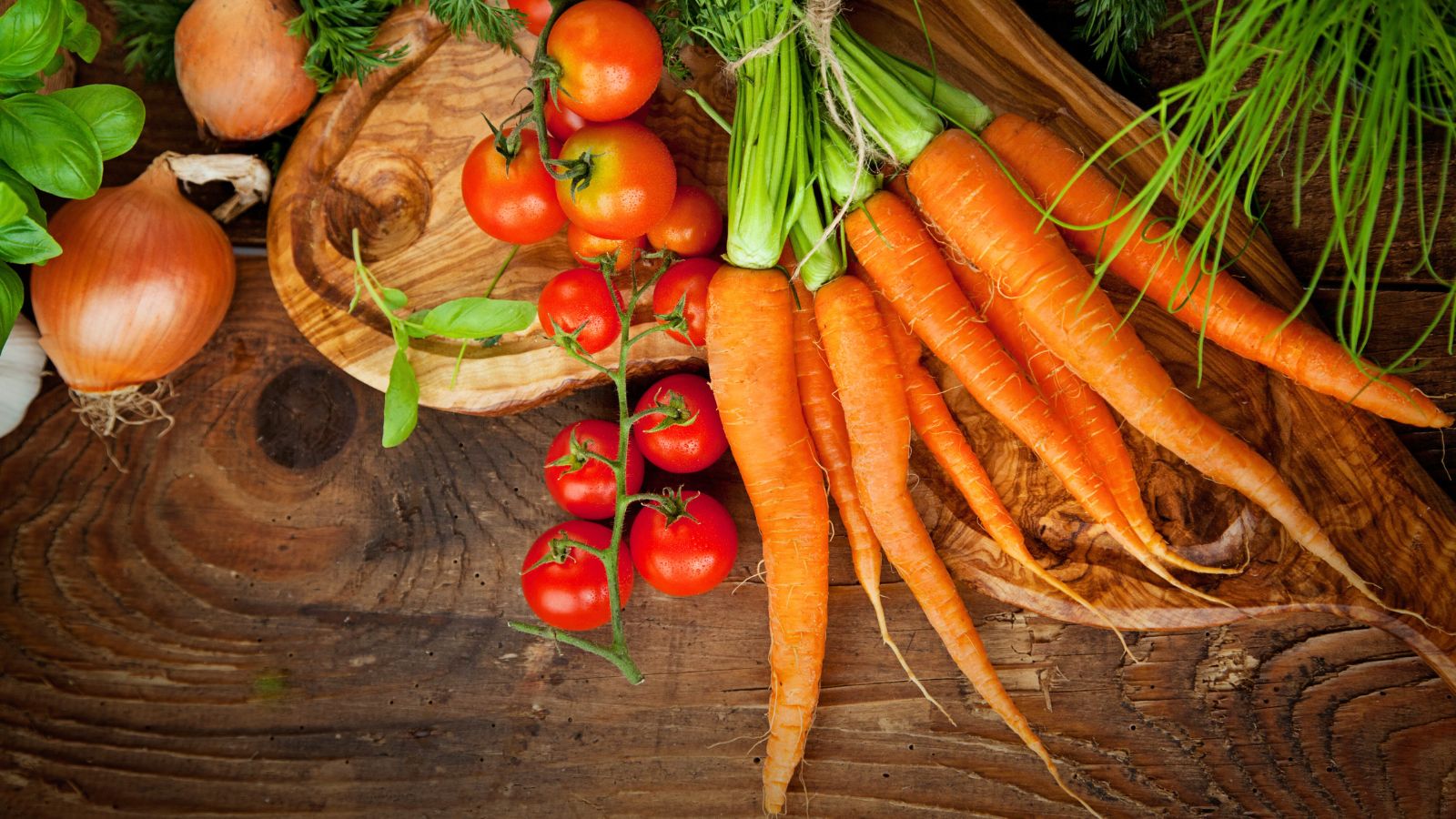
To maximize yield and make the most of your garden space, you need companion plants. Gardening expert Madison Moulton lists 12 plants you should consider pairing with your carrot crops.

Contents
When you start a vegetable garden, you’re probably not planning on growing one crop alone. Since you’ll be combining a range of crops in your backyard, it’s important to know which ones pair well together. These are called companion plants.
There are many claims surrounding companion plants, some of which are true, and some of which are not quite proven. However, there is always a benefit to pairing plants you know will grow well for certain reasons. These could include improved growth, lack of competition, or pest and disease control.
If you’re planning on planting carrots this season, pair them with one of these 12 recommended companion plants.

Tomato

Tomatoes are first on this list for a reason. Carrots and tomatoes are a classic companion planting combination that always works well together.
As root crops, the most important part of the carrot we want is below the ground, while tomatoes grow above the ground, limiting competition for space. Tomatoes can take up the center of a bed, while carrots grow around the edges. This is also helpful in summer when tomatoes provide some afternoon shade for the foliage on hot days.
The benefits work the other way too. When it comes to pest control, carrots attract parasitic wasps that control tomato hornworms and caterpillars—two common and damaging pests in tomato gardens.
When growing these crops together, direct seed your carrots at the same time you transplant tomatoes. Space them around 10 to 12 inches from the tomatoes to avoid any root disturbance. Because both require plenty of moisture, make sure you keep up with watering when pairing these two together.
Onion
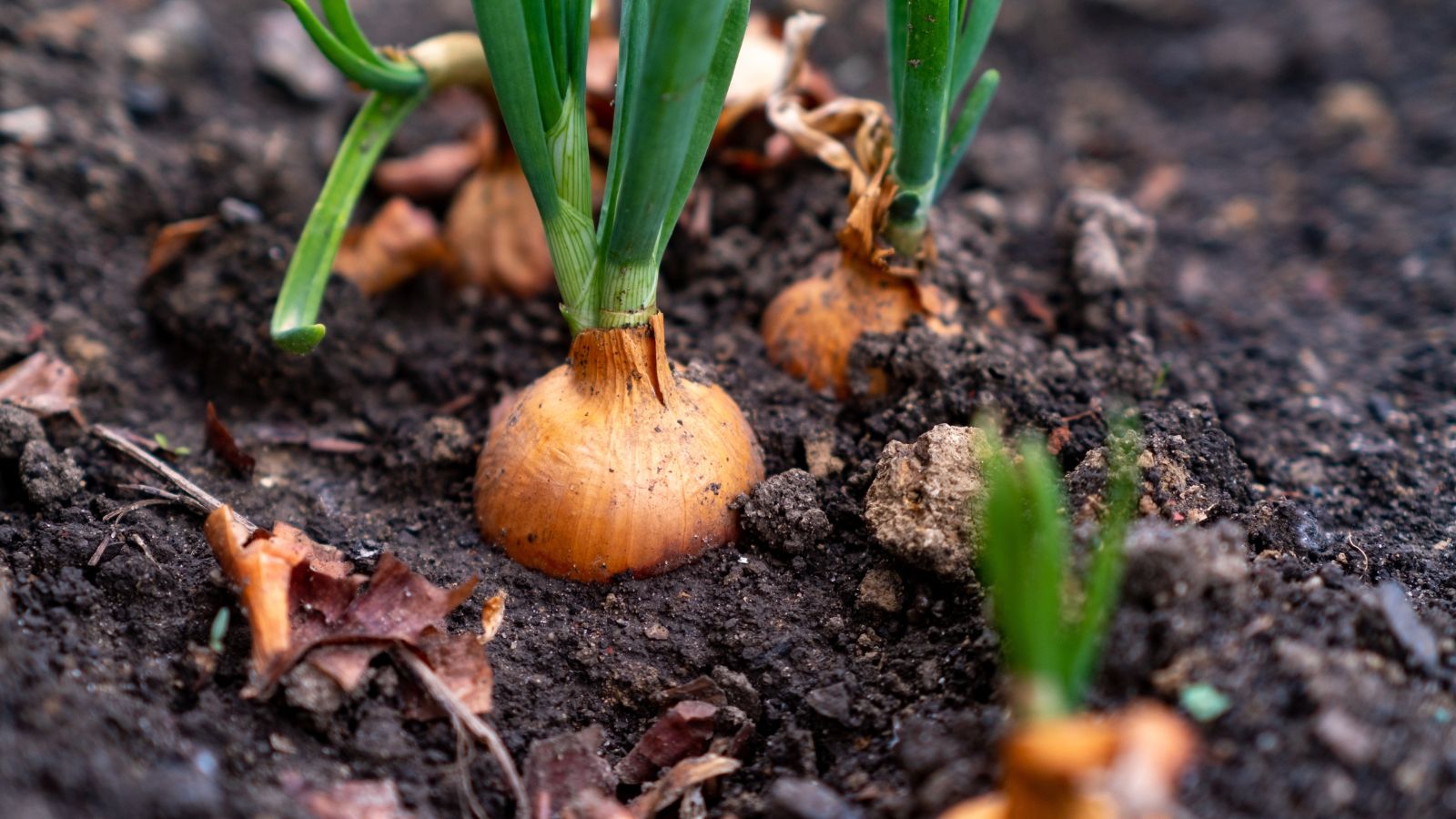
Onions are great carrot companion plants for pest control. The pungent smell of onions (and other members of the Allium family) repels a few pests in the vegetable garden, namely carrot flies, one of the main carrot pests.
Although they both grow underground, onion bulbs grow shallowly, so they don’t interfere with your carrots too much (as long as you space them correctly).
Onions take a long time to mature. Plant them first and then plant your carrot seeds a few weeks after, or sow the seeds directly in the ground at the same time. Make sure your onions are at least 6 inches away from the rows to avoid any disturbance.
Radish

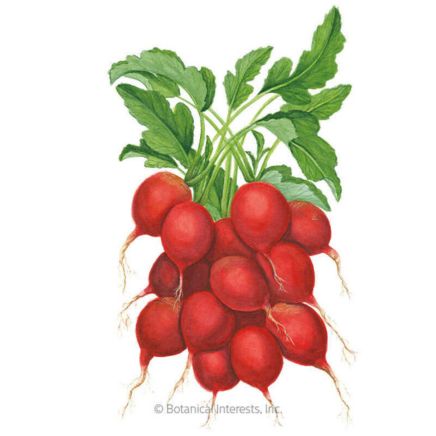
Radishes are an ideal companion plant for nearly any crop because they germinate and mature incredibly quickly, in and out of the garden within a month or two.
Like onions, radishes are relatively shallow, so they won’t compete for space. Plus, the tops of both crops are about the same size. If you’re looking to maximize space in your vegetable garden, these carrot companion plants are a great way to do it.
Sow your radishes around 6 inches away from your carrots after planting. Continue succession sowing to ensure a continuous supply of radishes while you wait for your harvest. Check your spacing and be careful not to disturb the roots when you sow or harvest your radishes.
Beets

This pairing is similar to the radish pairing for maximizing yields. Beets won’t take up much space and have the added benefit of loosening the soil with their bulbs and tap roots to improve drainage.
Along with maximizing yields and improving drainage, carrots and beets also taste great together in the kitchen, especially when paired with sweet vegetables like summer squash.
Sow your beet seeds at the same time as you sow your carrot seeds. Beet greens are quite large and can shade them, so plant them around 12 inches apart.
Turnips

Sticking with root crops, the last on this carrot companion plants list is turnips. They’re a great pairing in the kitchen and the garden as they love the same conditions.
Carrots and turnips both grow best in cool weather and require consistent moisture, so you don’t have to worry about incompatible watering requirements. Turnips have shallow round roots that won’t interfere much as long as they are spaced correctly. It’s a great way to maximize your root crop yields and increase variety in your garden.
Like beets, you can sow turnips and carrots at the same time, around 6 inches apart. Be careful when you’re harvesting so you don’t disturb the roots. Also, choose your varieties carefully, picking smaller options like the ‘White Lady’ turnip, as some varieties can grow larger and compete.
Cabbage

Cabbages are amazing carrot companion plants for the variety they bring to vegetable gardens (and your dinners). Plant biodiversity is always important, making this pairing a great option.
Since cabbage grows above ground and carrots below, you won’t have to worry about any competition for space. They both like plenty of moisture and nutrients, meaning their maintenance and care needs will be similar.
Cabbage plants grow surprisingly wide, especially if you’re choosing a larger variety. Make sure you leave plenty of space between these two crops to prevent crowding. Aim for a spacing of around 12 inches.
Leeks

Another member of the Allium family, leeks are appreciated as carrot companion plants for their ability to control pests. Planting leeks next to carrots will mask the smell of the carrots, meaning pests that love these root crops will struggle to find them.
This is especially effective at repelling carrot flies, one of the major pests of carrots. If you often have issues with carrot flies in your garden, make sure you plant alliums next to them as companions.
Like onions, leeks take a long time to mature, allowing you to sow two rounds of carrots next to your leeks—depending on your climate. Sow your seeds at the same time as you transplant leeks and again after you harvest your first round of carrots. Plant with a spacing of around 12 inches for the best results.
Lettuce

Like radish, the main benefit of planting lettuce with other crops is saving space. Sowing lettuce seeds amongst other crops in your vegetable garden allows you to take advantage of gaps where other crops will struggle to grow. The foliage will also provide some gentle shade to lettuce as the temperatures warm.
You don’t have to worry about root competition either, as lettuce has quite shallow roots and won’t interfere with your developing carrots underground. Because of this lack of interference, you can plant them relatively close, around 3 to 6 inches apart.
If you’re growing head lettuce and plan on pulling the entire plant once it’s developed, just make sure you don’t disturb the carrot roots while harvesting.
Spinach

Spinach works as a carrot companion plant for the same reason as lettuce. This compact crop has a shallow root system that won’t interfere with your plants.
They also appreciate the same conditions, particularly cool temperatures, and are happiest in well-draining soil with regular watering. To make the most of your space and increase biodiversity, this is a great pairing.
Like lettuce, sow spinach close as they won’t compete much for space. Aim for a spacing of around 6 inches, depending on the variety. You can continue to harvest spinach leaves as you need them without disturbing the root systems, limiting any risk to your carrots.
Marigolds

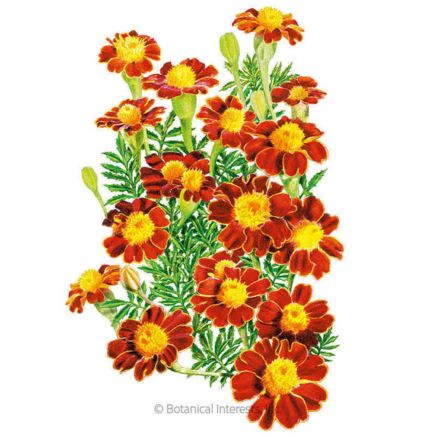
Marigolds are one of the most famous carrot companion plants, growing well with almost any vegetable you can think of. This is due to their strong fragrance, which many pests dislike. They also attract a range of beneficial insects that can help with pest control in your garden.
Mixing them amongst your vegetable garden, not only with carrots but with a variety of other crops, will greatly reduce your need for pest control. As a bonus, their wonderful warm flowers add great ornamental value while deterring common pests like rust flies and aphids.
Sow your marigold seeds at the same time as you plant your carrots or start your marigolds beforehand and slot in your carrots later on. They work well planted at the end of a bed to stop pests in their tracks. Plant them around 8 to 12 inches from your carrot crops.
Cilantro

You may not think cilantro and carrots pair well together as they come from the same family, which typically causes problems with pests. However, this herb is an exception.
Cilantro pairs well due to its similar seasonality, size, and days to maturity, reducing maintenance in the garden. Even better, the flowers attract beneficial insects that can control pests like whiteflies, rust flies, aphids, and nematodes.
Unfortunately, you have to wait for cilantro to flower to get these benefits. If you want to use it mostly for the leaves, make sure you plant extra and allow the ones nearest to your carrots to flower. After it goes to seed, you can always collect them for your spice collection.
Oregano
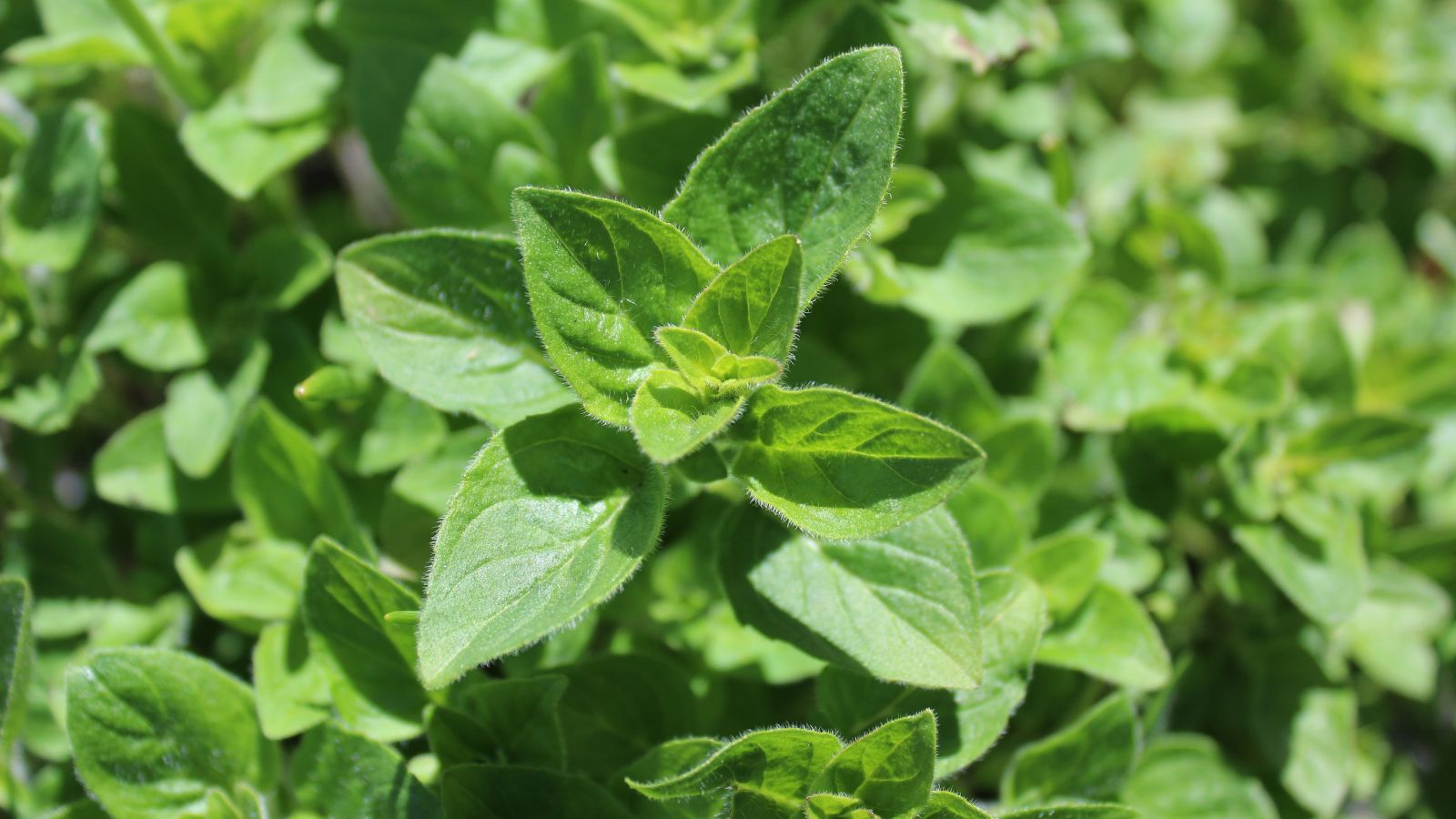
Oregano has a strong scent, which is one of the reasons it is an essential culinary herb. Its scent is also useful in the garden, deterring pests like nematodes and rust flies that love carrots.
This is thanks to the essential oils in the leaves, like thymol and carvacrol. They not only make a good combination in the garden but also pair well in the kitchen, particularly in roast dishes.
Due to their similar requirements, you can plant oregano and carrot seeds in the garden at the same time. Keep them around 10 inches apart and make sure the oregano is close by for easy harvesting of the leaves throughout the season.


