13 Pollinator Plants You Can Direct Sow in October
October is the ideal time for direct sowing native wildflowers and perennials that need cold stratification. These pollinator favorites will establish strong root systems over winter and reward you with blooms and busy bees come spring and summer (or even earlier).


Contents
With pollinator habitat numbers declining around the world, gardeners can play a huge role in helping these beneficial insects survive. We want to fill our gardens with beautiful plants anyway, so why not pick a few that have ecological benefits as well?
Many of the best October pollinator plants are native and benefit from seeding in fall. They often need a period of cold to break seed dormancy, something that happens naturally when you sow in October, but that has to be artificially created with indoor seed starting.
Most importantly, these October pollinator plants evolved to self-seed in fall. You’re basically working with their natural lifecycle instead of fighting it. Scatter the seeds, rake them in lightly, and let winter do the work for you.
Common Milkweed / Butterfly Flower

Common Milkweed / Butterfly Flower Seeds


Milkweed

The monarch butterfly’s survival depends on milkweed, making this one of the most important pollinator plants you can grow in October. Common milkweed and swamp milkweed both germinate reliably from seeds sown in the fall, requiring cold stratification to break dormancy.
Milkweed develops deep roots that don’t appreciate being moved once established. While it’s not impossible to sow in trays, you’ll have the best luck scattering seeds directly where you want them to grow rather than trying to transplant seedlings later.
The seeds have fluffy white tails that blow around easily, so rake them into the soil surface, or they’ll end up scattered by the wind before they can germinate. Each pod contains dozens of seeds, so a little goes a long way. You’ll have butterflies and other pollinators flocking to your garden in no time.
Gaillardia

Although more associated with summer, gaillardia flowers bloom until frost, providing nectar when many other flowers have finished for the season. The red and yellow blooms are particularly attractive to native bees and butterflies.
Gaillardia establishes quickly from direct-sown seed and often blooms the first year if you live in a warm enough region. For most, October planting will be a little late. The plants self-seed readily, too, so you’ll likely have new plants appearing in subsequent years without any effort from you.
Fall sowing works well even if you are in a cold region, as the seedlings will simply pop up in spring when temperatures rise.
Cardinal Flower

This native October pollinator plant produces spikes of red tubular flowers that hummingbirds absolutely love. It’s incredibly valuable for hummingbird gardens, but it packs in tons of ornamental value, making it worth planting anywhere in your garden.
The tiny seeds need light to germinate, so don’t bury them deeply. You can just scatter them on prepared soil and press them in lightly with your hand. They’ll work their way into the soil naturally over winter.
Cardinal flower prefers moist soil, making it perfect for areas that stay consistently wet or for rain gardens where other wildflowers might struggle with too much moisture.
Columbine

Columbine produces delicate flowers that early bees find irresistible. The complex flower shape has evolved with specific pollinators, particularly valuable for native bee species.
These plants prefer partial shade and cool conditions, unlike most other flowers on this list, perfect for woodland edges or areas under deciduous trees. The seeds need cold stratification, and fall sowing provides this naturally without any intervention from you.
Heliopsis

Sometimes called false sunflower, heliopsis produces bright yellow sunflower-like blooms from mid-summer through fall. The flowers are smaller than true sunflowers but appear in much greater numbers, creating masses of color.
This tough October pollinator plant handles drought, poor soil, and blazing sun without complaint. It’s particularly valuable for difficult sites where other wildflowers struggle to establish or thrive.
The seeds don’t need special treatment. Just scatter them on prepared soil in the fall and rake lightly. Plants often self-seed, giving you additional plants in future years.
Lupine

Wild lupine is the only host plant for endangered Karner blue butterflies, but it supports many other pollinators, too. The tall spikes of pea-like flowers are followed by interesting seed pods.
Supporting pollinators is not the only benefit of growing these flowers. Lupine develops deep roots and fixes nitrogen in the soil. It’s useful for improving poor or sandy soils in tougher areas, while supporting pollinators in the process.
Penstemon

Penstemons are often overlooked in the garden, but these natives are excellent pollinator plants for October. Penstemons produce tubular flowers perfect for certain bees and hummingbirds. Different species bloom at different times, so you can extend the nectar season by growing several varieties.
The seeds are tiny and need light to germinate properly. Surface sowing works best. Don’t cover them with soil or mulch until germination.
Most penstemons prefer well-drained soil and full sun. These flowers are tough and reliable, ideal for dry areas or slopes where other flowers might not establish well.
Joe Pye Weed

Despite its unappealing name, Joe Pye weed is one of the most valuable October pollinator plants. The large clusters of pinkish-purple flowers appear in late summer when many other nectar sources are declining.
This tall native can reach six feet or more, so plan accordingly when choosing planting sites. It prefers moist soil but tolerates average garden conditions once established from seed.
Butterflies, bees, and beneficial insects flock to the flowers, making Joe Pye weed essential for supporting pollinators through the critical late-summer period when they’re building up reserves for winter.
Coneflower
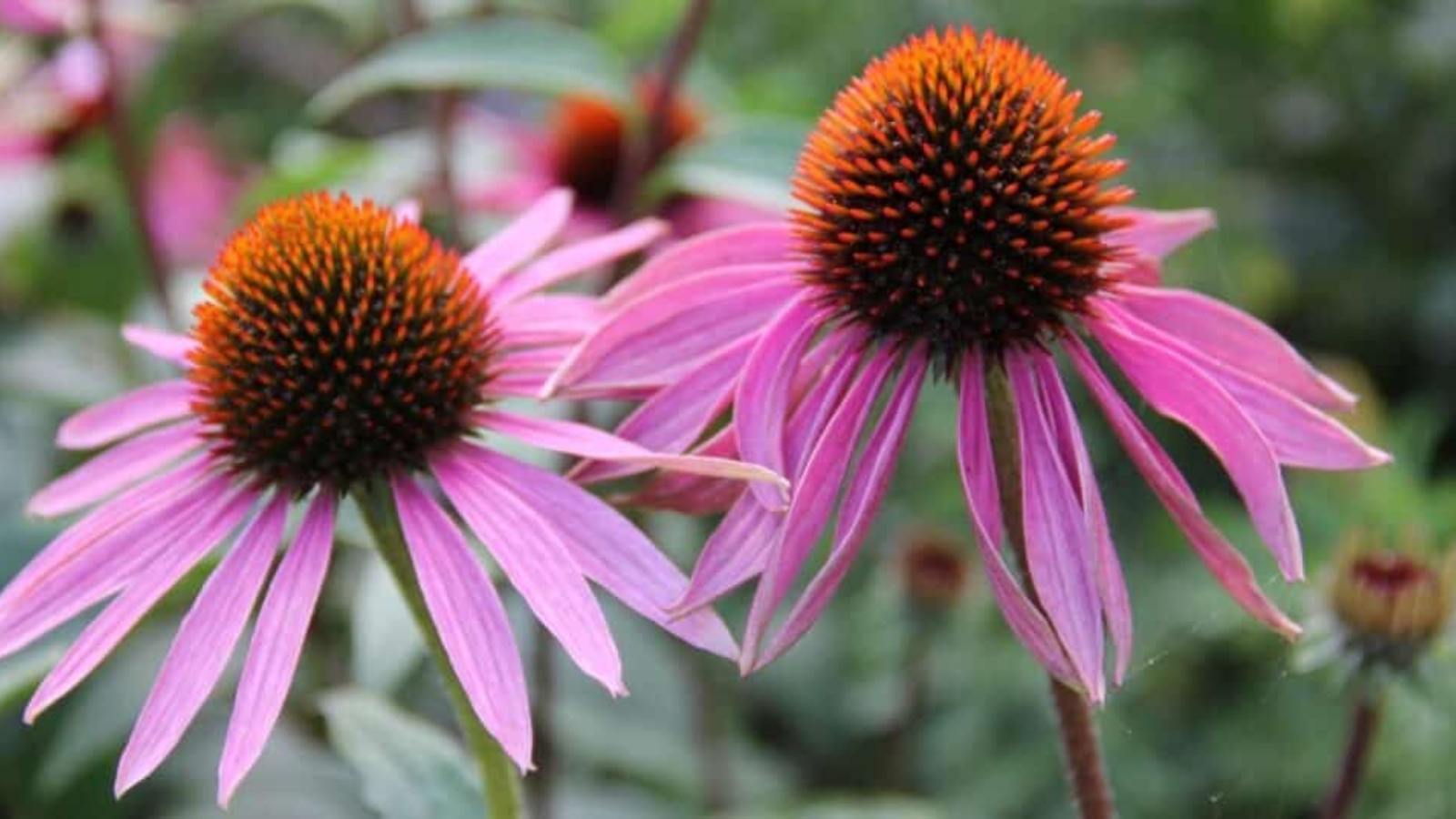
Purple coneflower is a great pollinator plant for beginners. The large flowers bloom for months, and the seeds establish easily from fall direct sowing.
I like to leave the spent flower heads through winter. Seed-eating birds love them, and they look better than an empty gap in beds. The dried seed heads also add winter interest to the garden.
Coneflowers self-seed moderately, gradually creating larger colonies over time. They’re drought-tolerant once established and handle poor soil without problems.
Yarrow

Yarrow provides help to small beneficial insects that can’t access deeper flowers. Bees, wasps, flies, and tiny butterflies all visit yarrow regularly. This October pollinator plant also grows quickly and quite aggressively, so you’ll never be short of flowers to help out your local pollinators.
This tough perennial tolerates drought, poor soil, and hot sun. It’s a great low-maintenance choice for beginners who want reliable pollinator support.
Wild yarrow has white flowers, but there are also pink, yellow, and colorful blends available. All are equally attractive to pollinators and establish easily from fall-sown seed.
Liatris
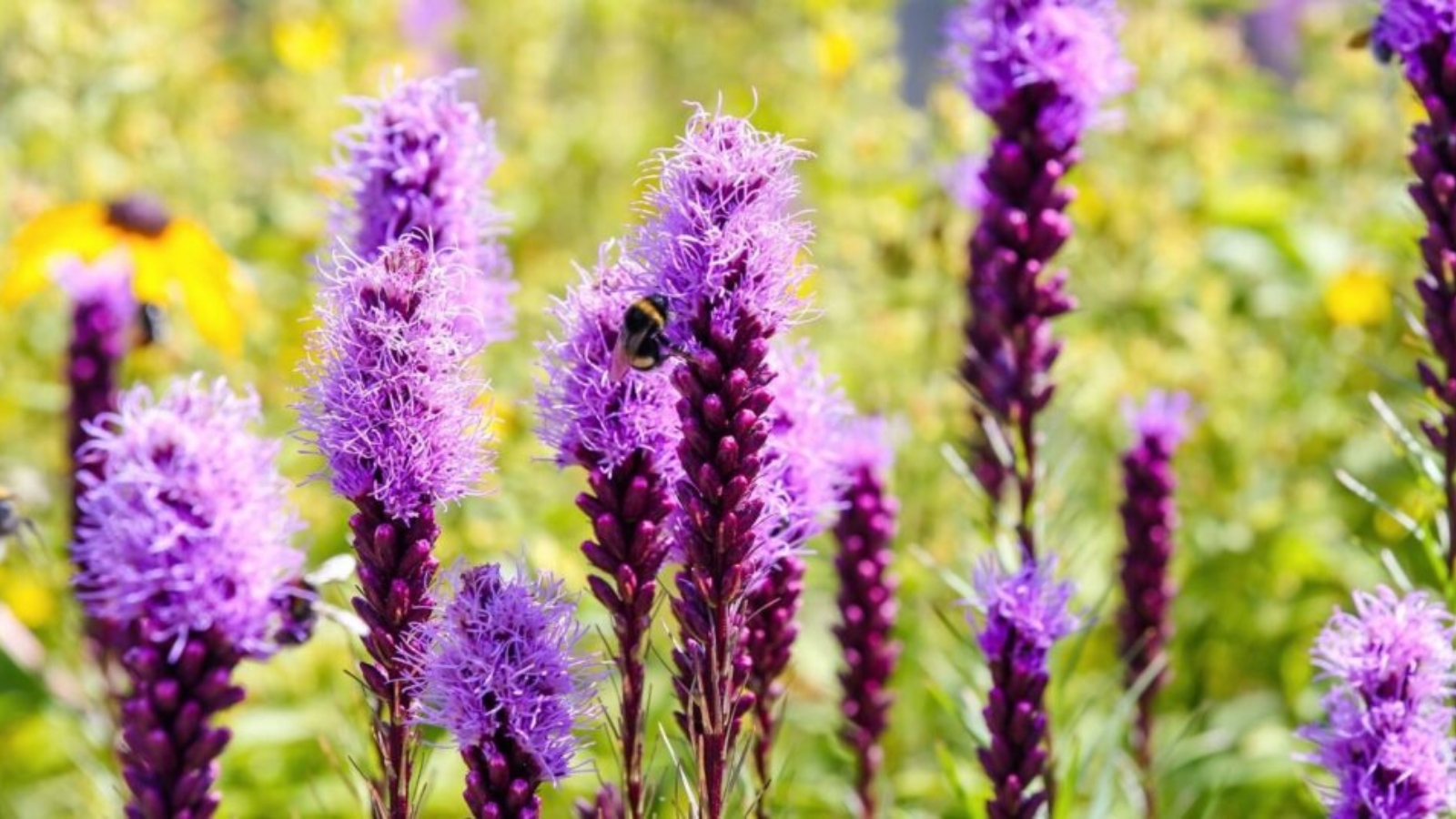
Also called blazing star, liatris produces tall spikes of flowers that are magnets for butterflies. These spikes don’t open from bottom to top. Instead, liatris flowers from the top down. The flowering pattern extends the blooming period since different sections of each spike open over several weeks, providing consistent nectar sources.
Fall sowing works well for liatris, though germination can be somewhat erratic. Plant more seeds than you think you’ll need since not all will germinate the first spring.
Rudbeckia
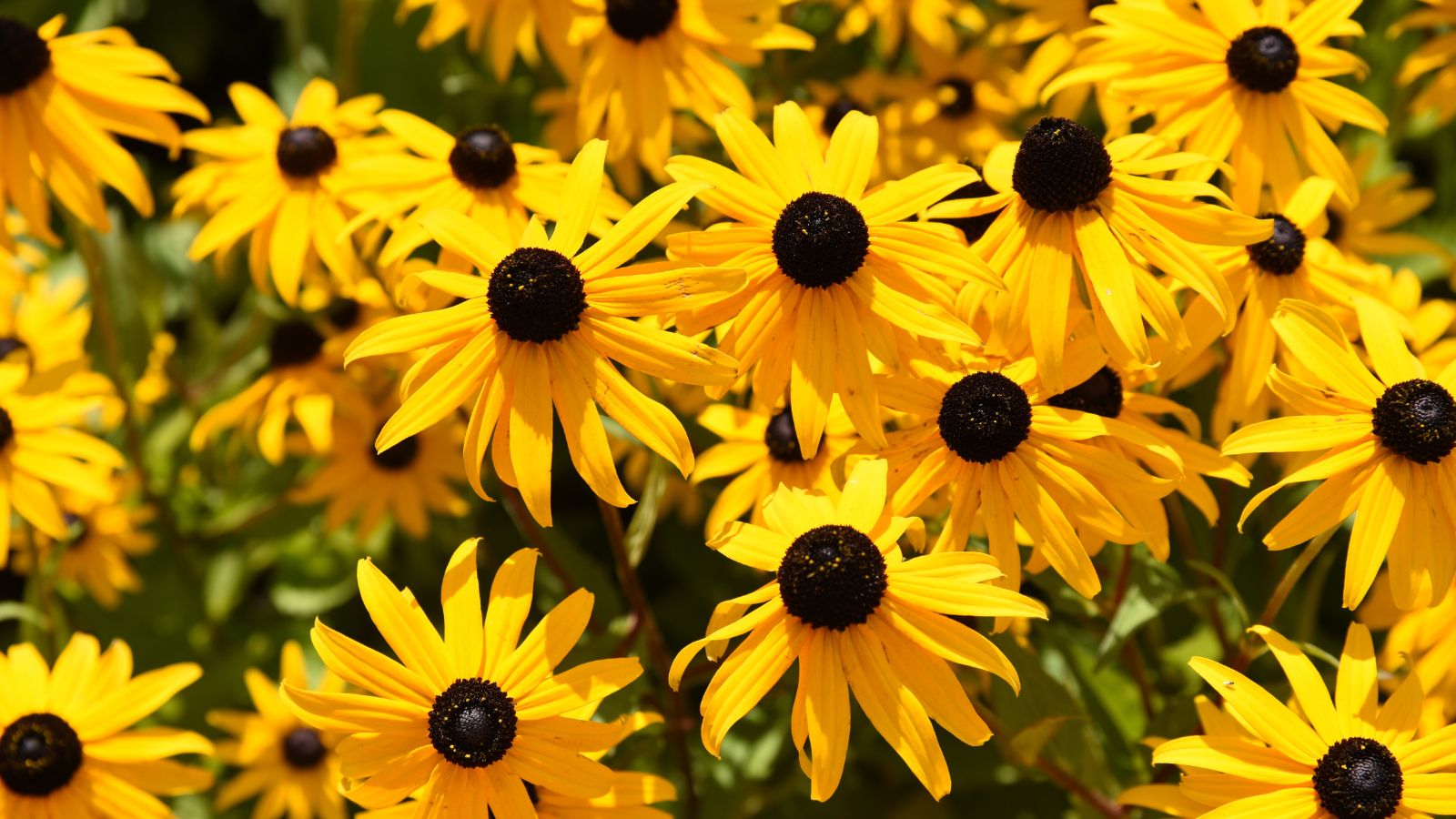
Black-eyed Susan (and other rudbeckias) are staples in the pollinator garden. They bloom for months, handle tough conditions, and support both nectar-seeking insects and seed-eating birds.
These plants establish quickly from seed and often bloom the first year from fall sowing. They self-seed readily, too, so you’ll have new plants appearing naturally in subsequent seasons.
The bright yellow flowers with dark centers are particularly attractive to native bees, butterflies, and beneficial insects. Birds love the seeds, so leave some flower heads standing through winter.
Anise Hyssop

The dense flower spikes of anise hyssop are covered with tiny purple blooms that bees find irresistible. A single plant can support dozens of pollinators at once during peak bloom.
This native mint relative has aromatic foliage that adds fragrance to the garden. The leaves can be used for tea, though the real value is supporting pollinators from summer through fall. Like other mints, they’re also incredibly easy to grow and great for beginners.


