15 Native Plants You Can Start From Seed in Fall
Fall seeding mimics nature's timing for native plants, with many species requiring cold stratification that winter naturally provides. These 15 natives are perfect candidates for fall sowing, establishing strong root systems over winter for vigorous spring growth.


Contents
Although many native plants only emerge in spring, fall is the time to start thinking about planting them. While it’s usually not the end of the world if you don’t plan ahead, it does make gardening a whole lot easier.
Many native species drop seeds in the fall, overwinter in the soil, and germinate when conditions are right in the spring. That’s why many of them require cold stratification to germinate.
Plant them at the right time, and you won’t have to worry about any of those requirements. Instead of trying to simulate winter conditions in your refrigerator, you can let actual winter do the work for you.
Fall-sown natives also develop stronger root systems than spring-started plants since they have more time to establish before facing summer heat. The result is tougher, more drought-tolerant plants that perform better long-term.
To fill your garden with pollinator-attracting beauties, choose one of these native plants for fall.
Common Milkweed / Butterfly Flower

Common Milkweed / Butterfly Flower Seeds


Milkweed

This essential pollinator-attracting species needs cold stratification to germinate reliably, which makes fall planting ideal. The seeds will overwinter naturally and ‘spring’ to life (excuse the pun) when soil temperatures warm.
Give milkweed full sun and good drainage, but don’t expect instant gratification. It can take several years to reach flowering size from seed. Trust me, the wait is worth it. Once established, this fall native plant becomes a crucial habitat for monarch butterflies and countless other pollinators.
Anise Hyssop

This mint family member is designed for autumn seeding (just look at how readily it self-seeds in gardens). The purple flower spikes are bee and butterfly magnets, plus you’ll love the licorice-scented leaves.
The seeds are tiny, so just scatter them on the soil surface rather than burying them. Winter chill ensures excellent germination rates in spring, making anise hyssop one of the most reliable native plants for fall sowing.
Lupine

Wild lupine has some seriously tough seed coats that benefit from winter’s cold cycles. You’ll typically have much better luck letting nature crack them open than trying to scarify them yourself indoors.
Lupine develops deep taproots that make established plants incredibly drought-tolerant but tough to transplant. Instead, seed directly where you want permanent plants. In late spring to early summer, you’ll be rewarded with stunning blue flower spikes that native bees adore, and several butterfly species use them as host plants. It’s one of those fall native plants that really pays off with patience.
Rudbeckia
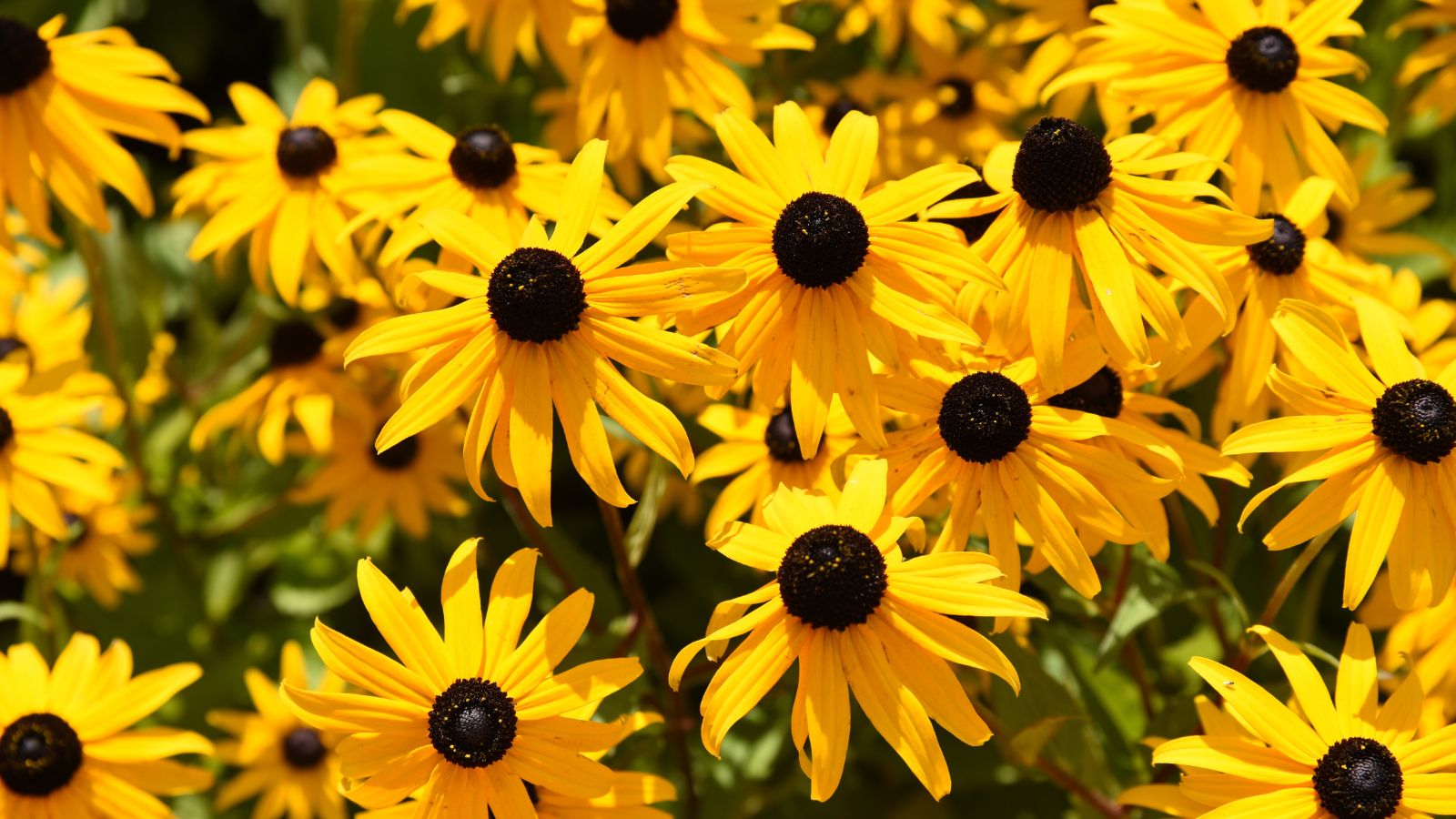
These yellow flowers germinate quickly in early fall and can even produce flowers their first year in mild climates. They naturalize beautifully and bloom for ages, making rudbeckia among the most rewarding native plants to grow in fall.
Different species vary dramatically in height and bloom timing, so pick ones that fit your space. Some stay compact while others tower over other plants. Leave those seed heads standing through winter, and the birds will thank you for the feast.
Prairie Violet

Gardeners often overlook these small woodland gems, but we really shouldn’t. They produce heart-shaped leaves and delicate purple flowers in early spring, often blooming before anything else wakes up. Prairie violets are excellent native plants to start in fall since they require cold treatment to germinate.
Prairie violets love partial shade and consistent moisture, thriving under trees where other flowers struggle. They spread both by seed and underground runners, gradually forming colonies that provide early spring nectar for native bees and serve as host plants for fritillary butterflies.
Marsh Marigold
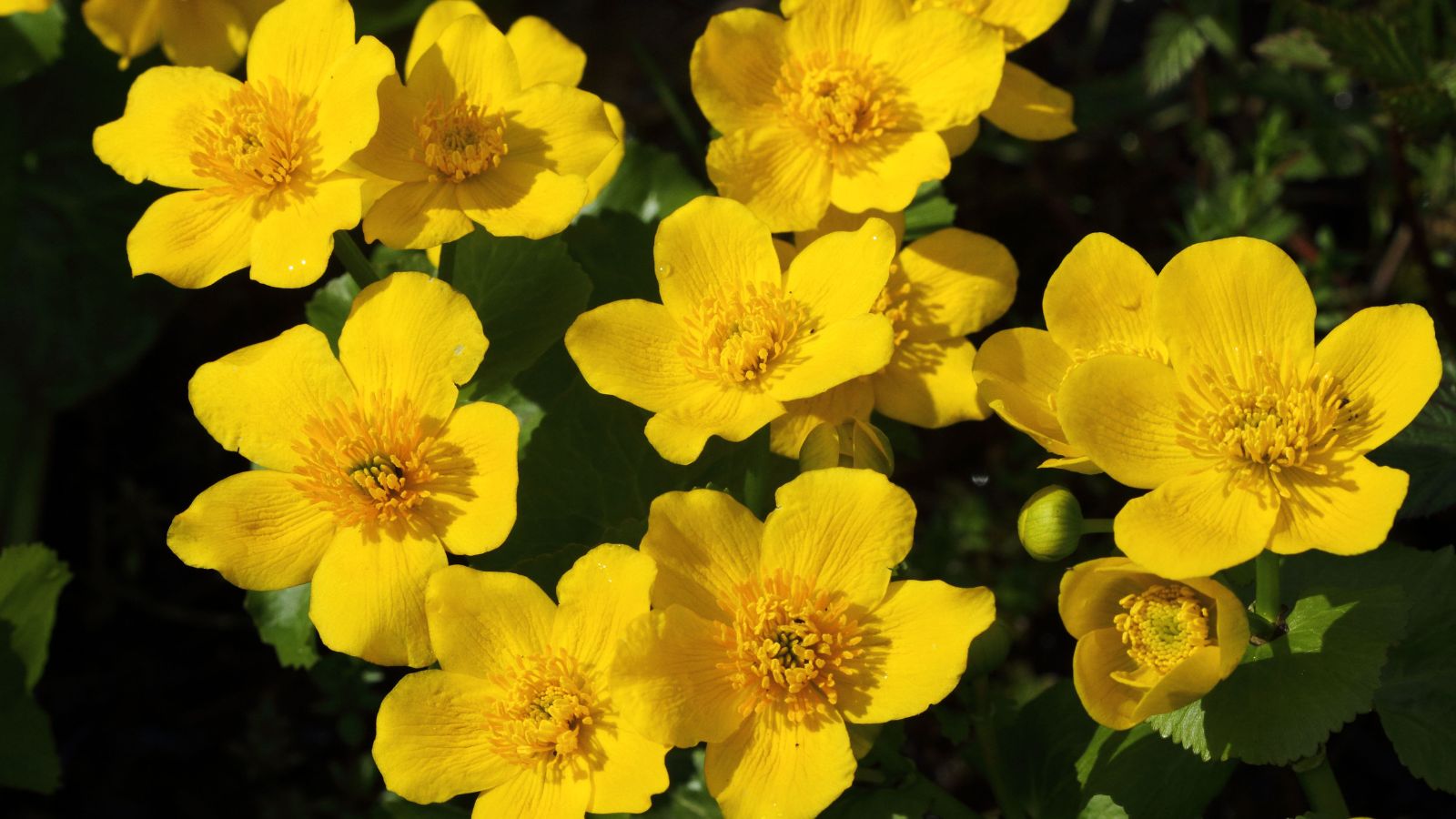
Don’t let the name fool you. These bright yellow beauties aren’t your usual garden marigolds. They’re buttercup family members that absolutely love wet feet, thriving in spots too soggy for most plants.
These native plants need both cold stratification and consistent moisture, making fall the perfect time to plant. Plant them in low areas or near water features. Those glossy yellow flowers appear before the leaves fully develop, creating absolutely stunning early spring displays.
Shooting Star
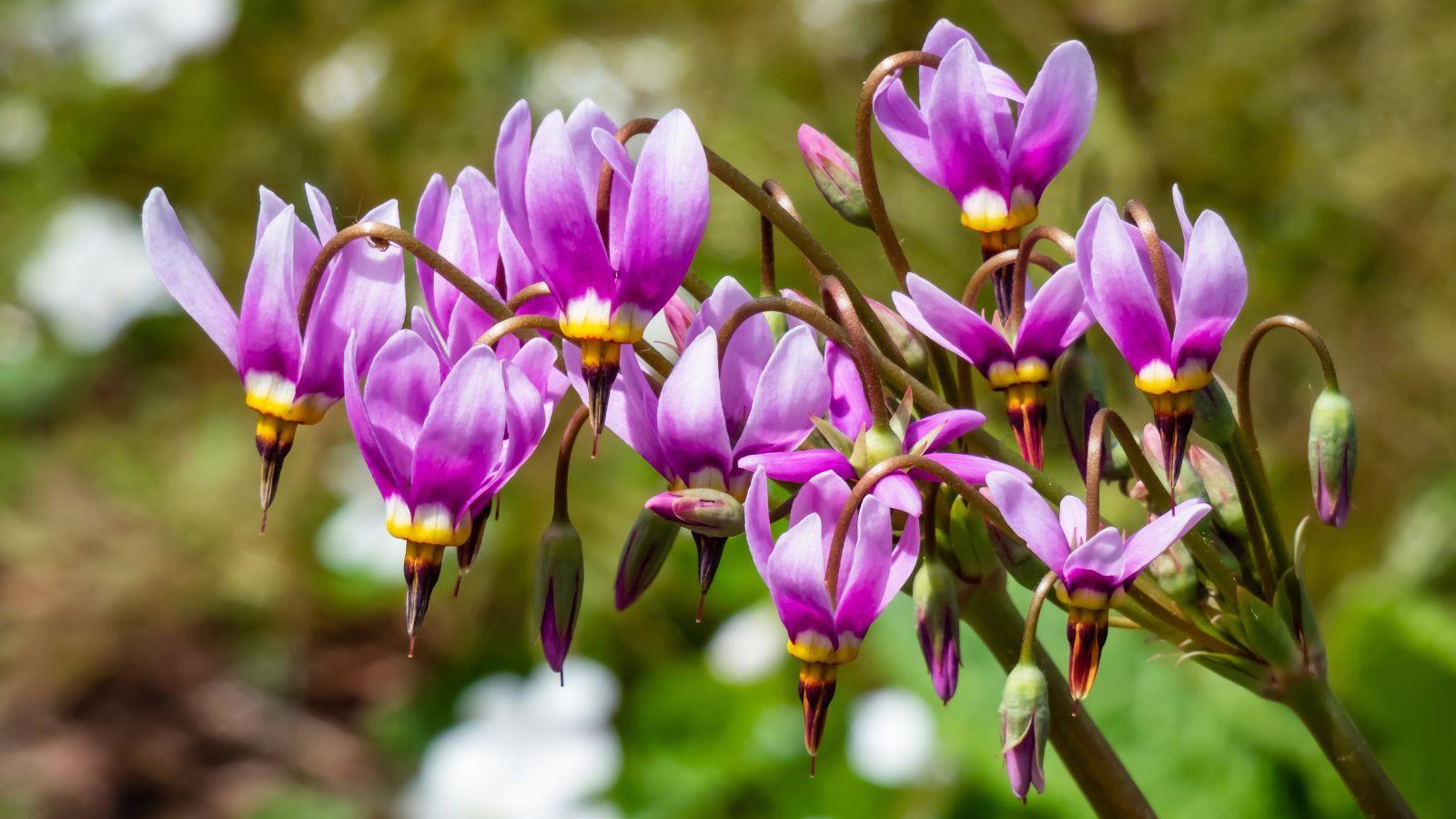
These wildflowers are conversation starters. Swept-back petals and prominent stamens create an unmistakable shape in the garden and one you’re bound to look forward to each year. Like marsh marigolds, they appreciate consistently moist woodland conditions.
Fair warning: they go completely dormant after flowering and may vanish by midsummer. Mark their spots to avoid accidentally disturbing them during summer garden work. Scatter seeds on the surface and press gently, as they need light to germinate.
Ironweed
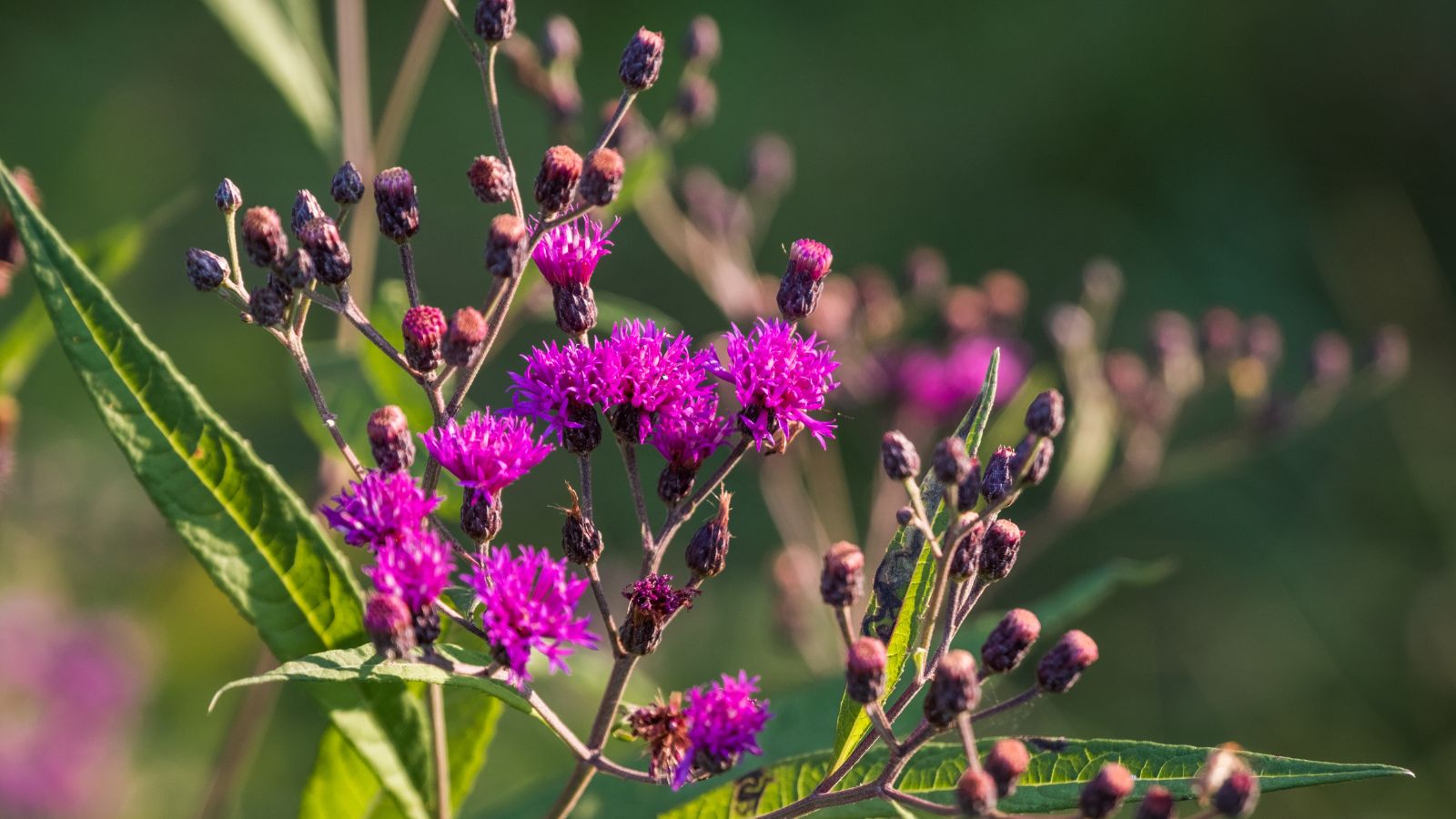
Ironweed produces magnificent purple flower clusters in late summer and fall, providing crucial nectar when most other flowers have stopped blooming. These plants can reach 6 to 8 feet tall, so position them where their impressive height enhances rather than overwhelms.
They’re surprisingly tolerant of wet soil and even periodic flooding, making them perfect for problem areas with poor drainage. The deep purple flowers create show-stopping combinations with ornamental grasses.
Heliopsis

These sturdy native plants produce bright yellow daisy-like blooms from midsummer through fall. Seeds respond well to winter’s cold treatment, making heliopsis one of the most reliable native plants for fall sowing.
Once established, heliopsis handles heat and drought, perfect for challenging sites. They typically reach around 4 feet with strong stems that rarely need staking. Butterflies and beneficial insects love them, birds appreciate the seeds, and they often self-seed to create naturalized colonies.
Coneflower

These popular natives are garden superstars for good reason. The distinctive flowers with their prominent centers bloom from midsummer through fall, providing nectar for butterflies. Always leave those seed heads standing through winter, as they provide food for birds and interesting texture too.
Coneflowers adapt to various soil types but prefer well-drained, sunny spots. They’re extremely drought-tolerant once established and need virtually no maintenance. Among native plants, fall sowing of coneflowers beats spring attempts almost every time thanks to that crucial cold stratification.
Wild Geranium
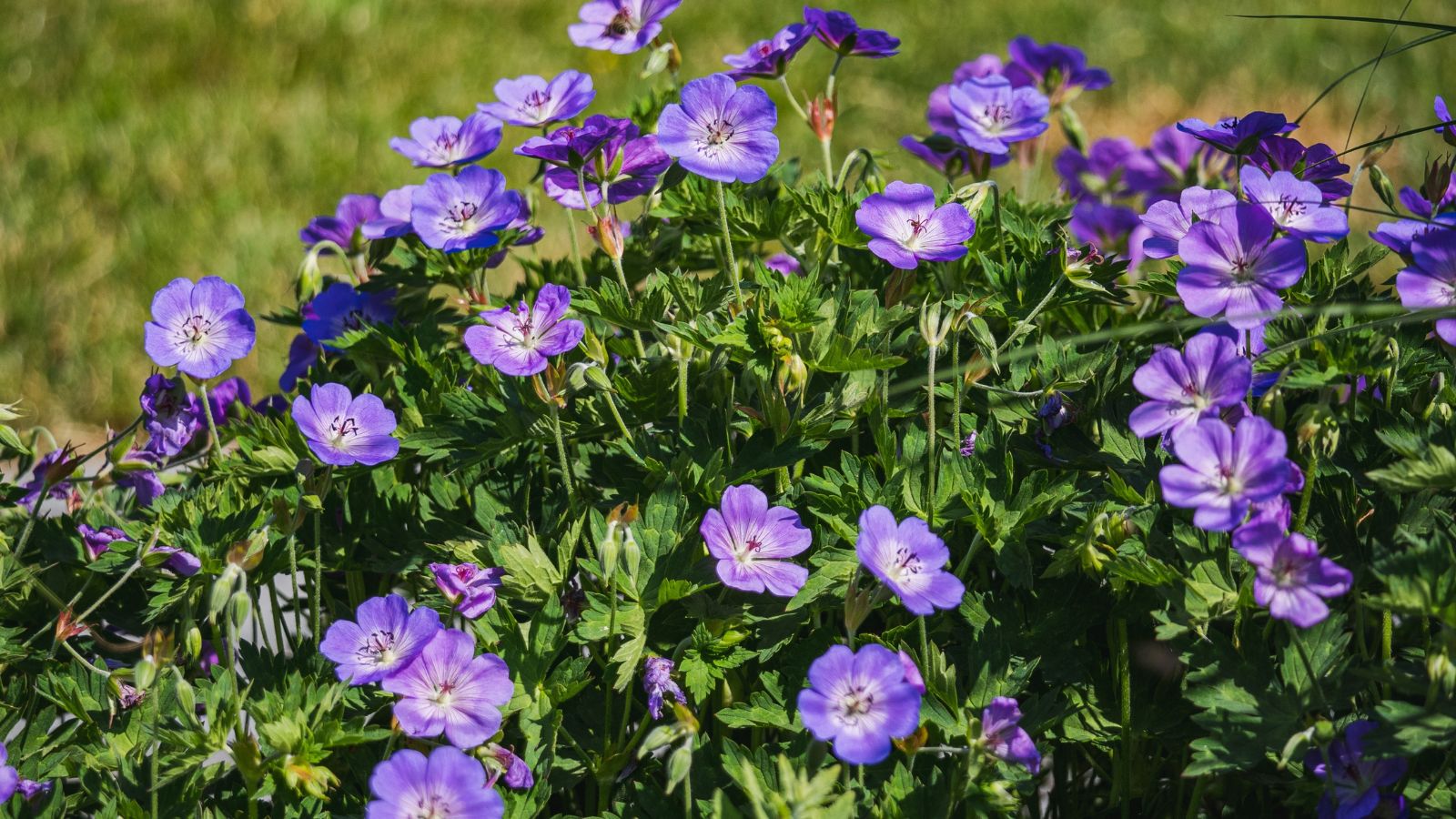
These woodland natives are spring staples, producing delicate pink to violet flowers in late spring before tree canopies fill in. Their seeds have explosive mechanisms that literally shoot them away when ripe. If you want to collect seeds, grab them just before they’re fully mature to avoid losing them.
Wild geraniums prefer the dappled light and rich, moist soil of woodland environments. They’re perfect under trees and in naturalized woodland gardens.
Spotted Bee Balm
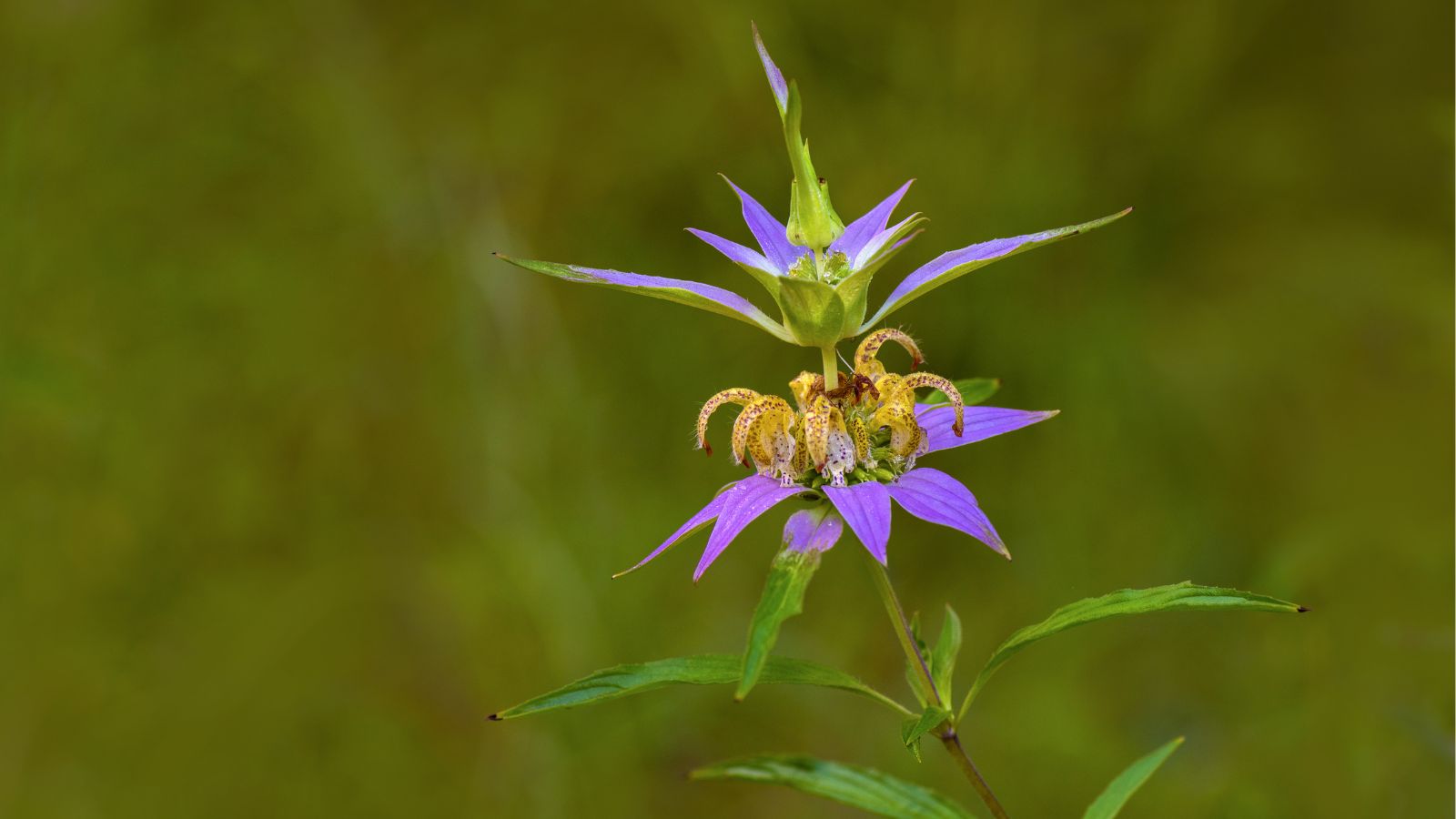
This native monarda (Monarda punctata) offers a more subtle beauty than its flashy red garden cousin. The pale pink or white flowers with purple spots create an understated elegance. Like many fall native plants, the cold treatment from autumn planting ensures reliable spring germination.
Spotted bee balm appreciates partial shade and moist soil, thriving where many sun-lovers struggle. It spreads gradually by underground runners, forming attractive colonies. Hummingbirds, butterflies, and native bees adore the flowers, while the aromatic foliage naturally deters deer and rabbits.
Blanket flower

Native gaillardia delivers non-stop color from early summer through fall. These drought-tolerant plants thrive in sandy, well-drained soils and are naturals for prairie gardens and xeriscaping.
Blanket flower often blooms the first year from seed, giving you relatively quick results compared to slower-developing species. Once established, it self-seeds readily, creating impressive displays.
Yarrow

Native yarrow produces distinctive flat-topped flower clusters in white, pink, or yellow, depending on the species. These aromatic perennials are incredibly tough, tolerating drought and poor soil once they’re established.
Yarrow can be aggressive in the right conditions. Choose planting locations thoughtfully since established plants can be tricky to remove completely. Still, it’s worth including in your fall native plant garden for the flowers that are magnets for beneficial insects and provide excellent butterfly nectar.
Wild Bergamot
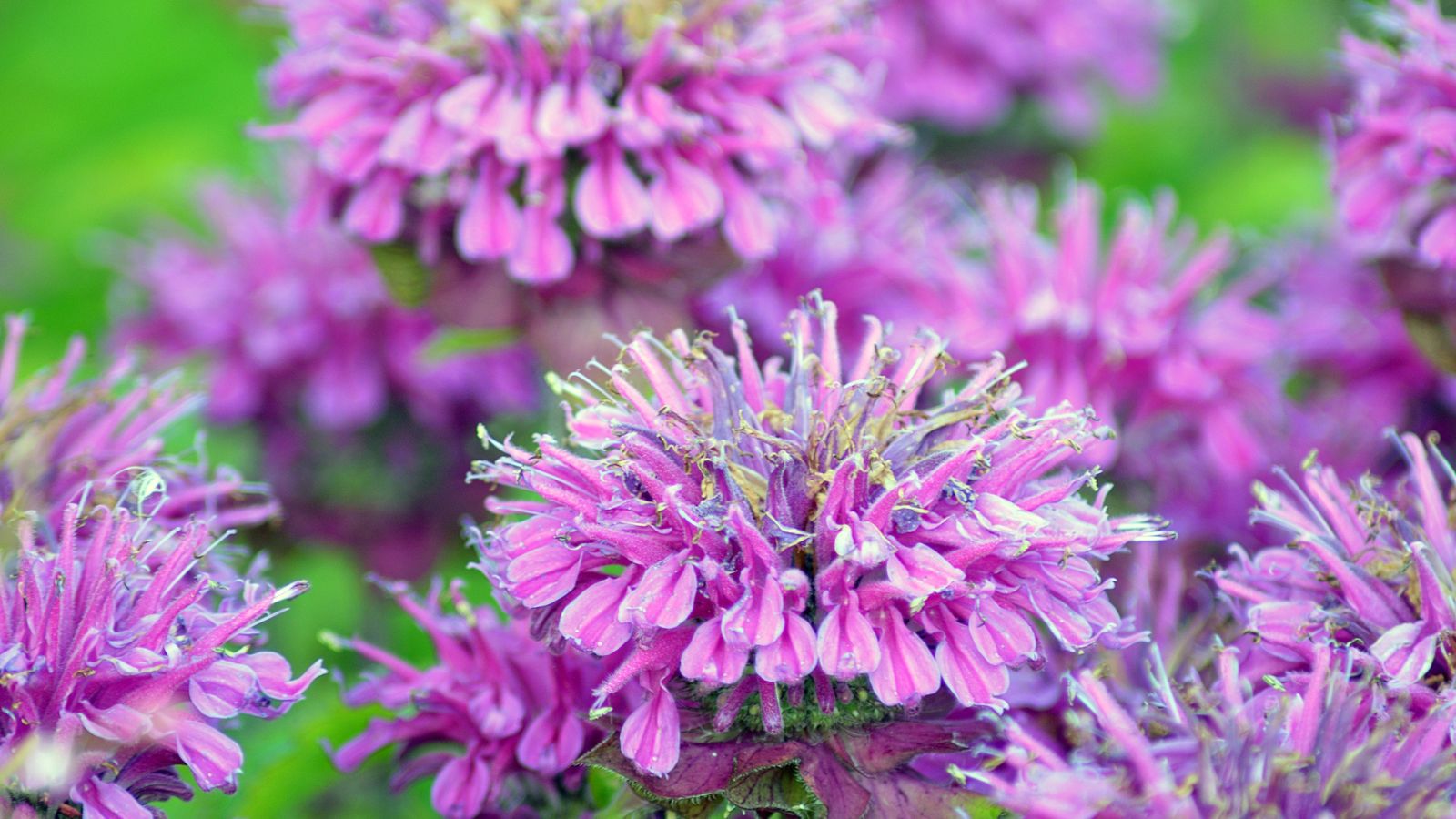
Wild bergamot (Monarda fistulosa) tolerates drier conditions beautifully, making it ideal for prairie plantings and areas with minimal irrigation. Crush the foliage and you’ll smell something remarkably like oregano.
Plants typically reach 2 to 3 feet and spread gradually by underground runners, perfect for naturalized areas where their wandering habit is welcome. Gardeners love them primarily for their wildlife value and virtually maintenance-free requirements.