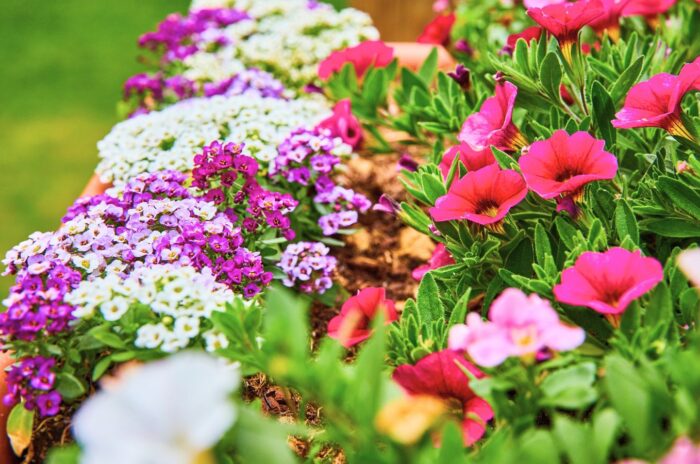
12 Flowers to Plant in May for a Stunning Summer Garden
Wondering what you can plant in May for a beautifully blooming summer garden? Join horticulturist Lorin Nielsen to explore our top picks for flowers you can plant right now for tons of summer color.


Contents
As spring transitions into early summer, May offers the perfect opportunity to get those flower seeds and seedlings into the ground. The soil has warmed, and frost threats have diminished in most regions. There’s plenty of growing season ahead to enjoy beautiful blooms.
Whether you’re an experienced gardener or just starting out, these 12 flowers are ideal candidates for May planting. Each offers something special, from extended blooming periods to pollinator appeal, and all will reward your efforts with gorgeous displays throughout the summer months.
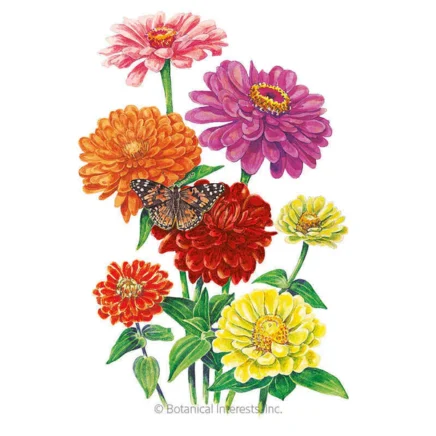


Zinnia


|
botanical name Zinnia elegans |
|---|---|

|
sun requirements Full sun |

|
height 1-3′ |

|
hardiness zones 2-11 |
Few flowers offer as much bang for your buck as zinnias. These colorful annuals are among the easiest flowers to grow from seed directly in May soil. Available in nearly every color except true blue, zinnias bloom abundantly from early summer until frost. Their daisy-like flowers range from button-sized pom-poms to dinner-plate dimensions depending on the variety.
Butterflies and pollinators adore them, and they make excellent cut flowers that can last over a week in arrangements. For continuous blooms, consider succession planting every few weeks through early summer.
Sunflower
|
|
botanical name Helianthus annuus |
|---|---|
|
|
sun requirements Full sun |
|
|
height 2-12″ (variety dependent) |
|
|
hardiness zones Annual in all zones |
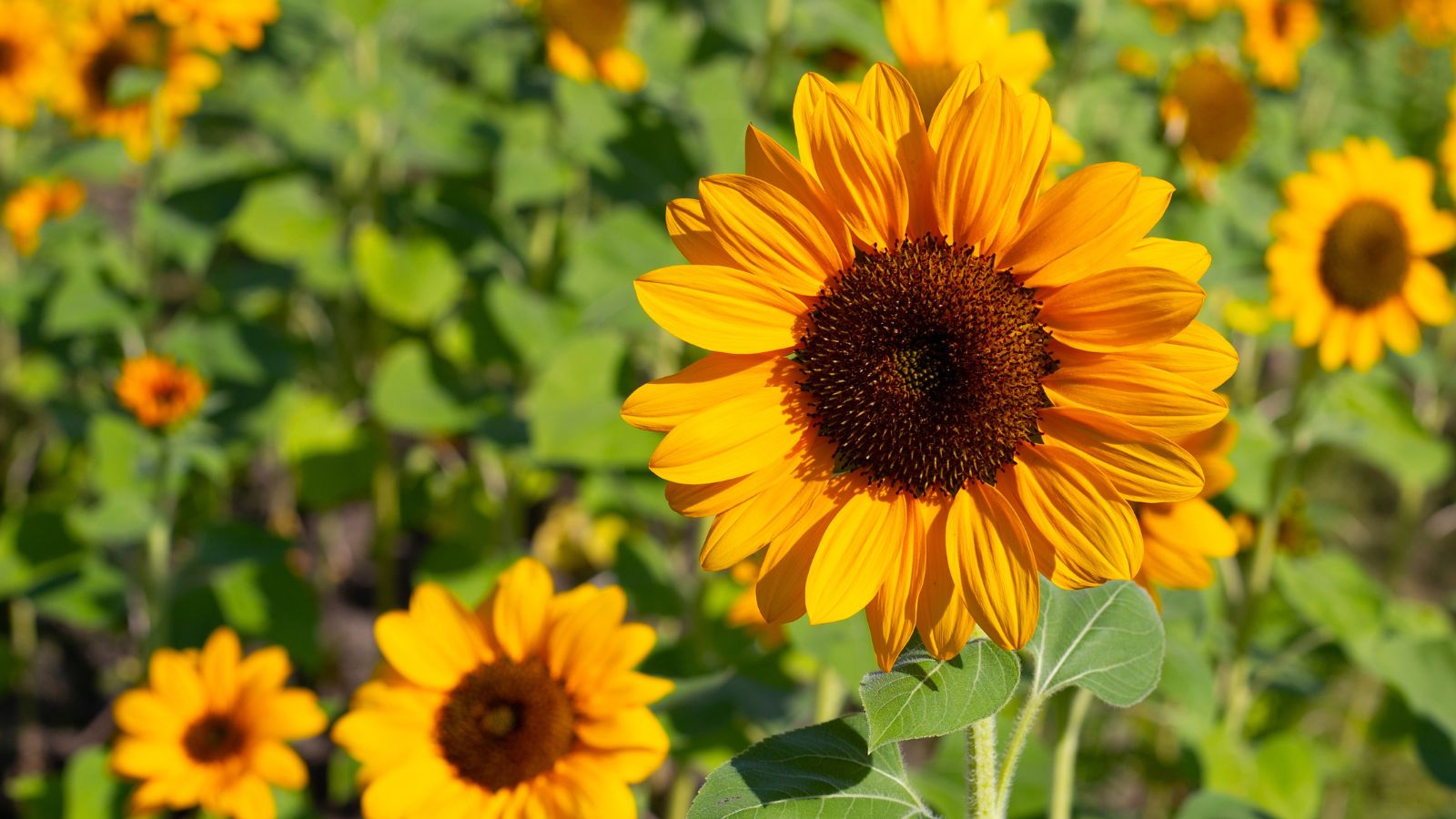
May is the perfect time to sow these sunshine-loving annuals directly into garden soil. From dwarf varieties perfect for containers to towering 12-foot giants, there’s a sunflower for every garden space. Beyond the classic golden yellow, today’s varieties offer burgundy, bronze, cream, and bicolor options.
Sunflowers are virtually foolproof to grow, making them perfect for gardeners of all skill levels. Plant them along fences, in the back of borders, or create a magical children’s garden with a sunflower “house.” Birds will thank you in late summer when the seed heads mature.
Marigold

|
|
botanical name Tagetes spp. |
|---|---|
|
|
sun requirements Full sun |
|
|
height 6″-4″ (variety dependent) |
|
|
hardiness zones Annual in all zones |
These cheerful annuals deserve their popularity for May planting. Marigolds establish quickly in warm soil and provide non-stop blooms in gold, orange, yellow, and mahogany tones until frost. Beyond their ornamental appeal, they serve as excellent companion plants for vegetable gardens, helping to deter certain pests.
The French varieties (Tagetes patula) tend to be smaller and more refined, while African marigolds (Tagetes erecta) produce larger, showier blooms. Their earthy scent may be an acquired taste for some gardeners, but it’s part of what makes them naturally pest-resistant.
Cosmos
|
|
botanical name Cosmos bipinnatus |
|---|---|
|
|
sun requirements Full sun |
|
|
height 2-4′ |
|
|
hardiness zones Annual in all zones |
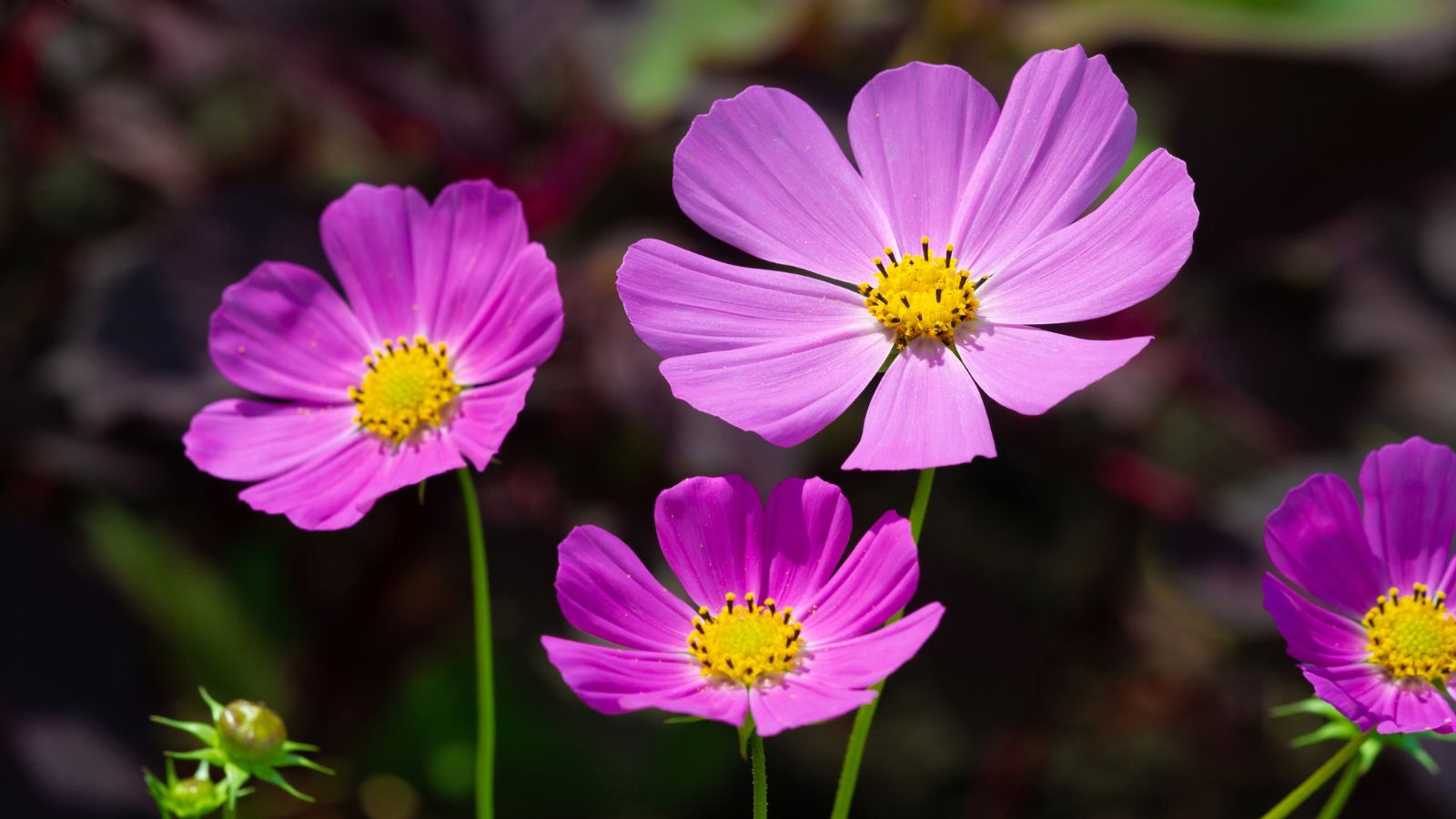
For carefree, dancing blooms that thrive on neglect, cosmos should top your May planting list. These daisy-like flowers on delicate ferny foliage practically grow themselves once direct-sown into garden soil. Traditional varieties offer pink, white, and magenta blooms, while newer cultivars add chocolate browns, oranges, and rich reds to the palette.
Their airy growth habit makes them perfect for meadow-style plantings or filling gaps in the middle of flower borders. Cosmos produce abundant blooms without deadheading, though removing spent flowers will encourage even more production.
Sweet Alyssum
|
|
botanical name Lobularia maritima |
|---|---|
|
|
sun requirements Full sun to partial shade |
|
|
height 2-6″ |
|
|
hardiness zones Annual in most zones, perennial in zones 9-11 |
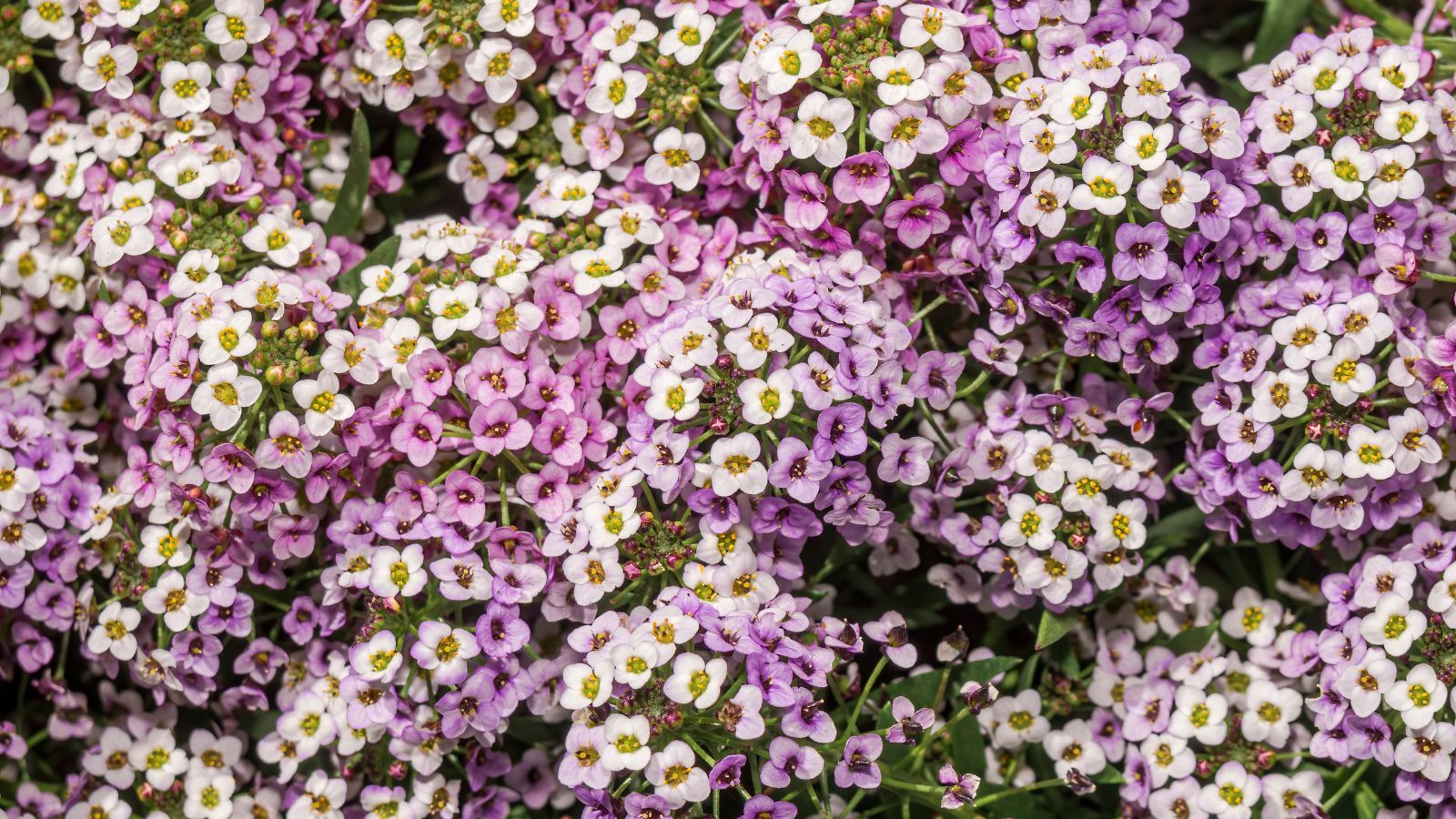
This low-growing annual forms a fragrant carpet of tiny blooms that works beautifully as an edging plant or spilling from containers. May planting allows sweet alyssum to establish before summer heat arrives.
Traditional white varieties offer the strongest honey scent, but modern hybrids come in purple, pink, and rose tones. While older varieties may slow down in peak summer heat, newer selections like the ‘Stream’ series bloom continuously regardless of temperature. Beyond their ornamental appeal, sweet alyssum flowers attract beneficial insects that help control garden pests.
Nasturtium

|
|
botanical name Tropaeolum majus |
|---|---|
|
|
sun requirements Full sun to partial shade |
|
|
height 12-18″ (bush types); 3-8′ (climbing types) |
|
|
hardiness zones Annual in all zones |
With their distinctive round leaves and bright, spurred flowers, nasturtiums bring a touch of old-fashioned charm to modern gardens. Direct-sow these easy-grow annual flowers in May for summer-long color in shades of red, orange, yellow, and cream. Beyond their ornamental appeal, both the flowers and peppery leaves are edible—perfect for adding color and zip to summer salads.
Bushy varieties make excellent border plants or container specimens, while climbing types can be trained up trellises or allowed to cascade down walls. Nasturtiums actually prefer poor soil; excessive fertility produces lush foliage at the expense of flowers.
Dahlia
|
|
botanical name Dahlia spp. |
|---|---|
|
|
sun requirements Full sun |
|
|
height 1-6′ (variety dependent) |
|
|
hardiness zones 8-11 (grown as annuals in colder zones) |
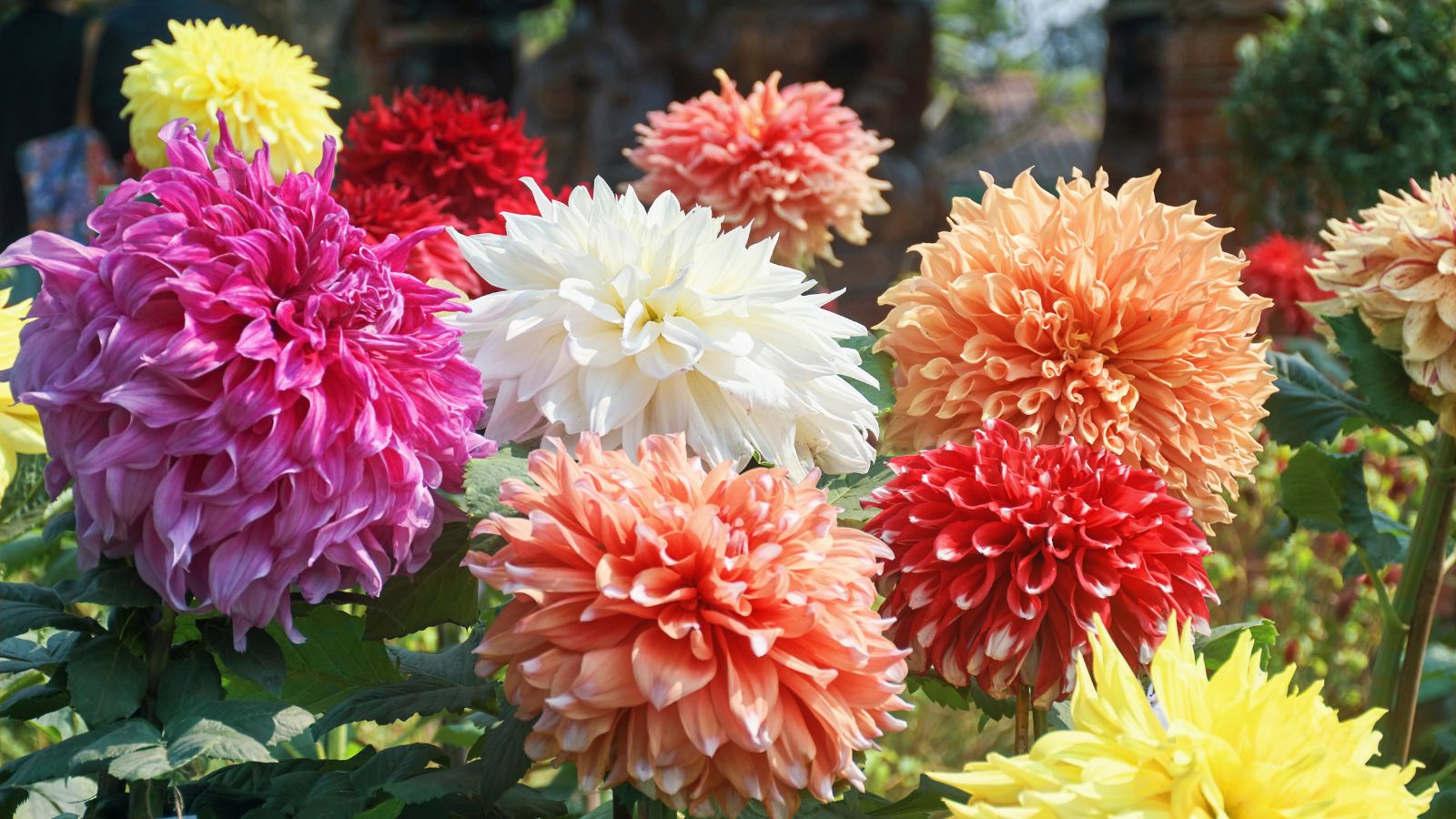
May is ideal for planting dahlia tubers in most regions, as the soil has warmed sufficiently for these Mexican natives. Available in virtually every color except true blue, dahlias offer unmatched diversity in flower form—from tiny pom-poms to dinner-plate blooms nearly a foot across.
Their long blooming period extends from midsummer until frost, making them garden workhorses. In zones 8-11, dahlias can remain in the ground year-round; in colder areas, dig and store the tubers once frost blackens the foliage. Each year, one tuber multiplies into several, giving you more plants to enjoy or share with friends.
Morning Glory
|
|
botanical name Ipomoea purpurea |
|---|---|
|
|
sun requirements Full sun |
|
|
height 6-10′ (climbing) |
|
|
hardiness zones Annual in all zones |
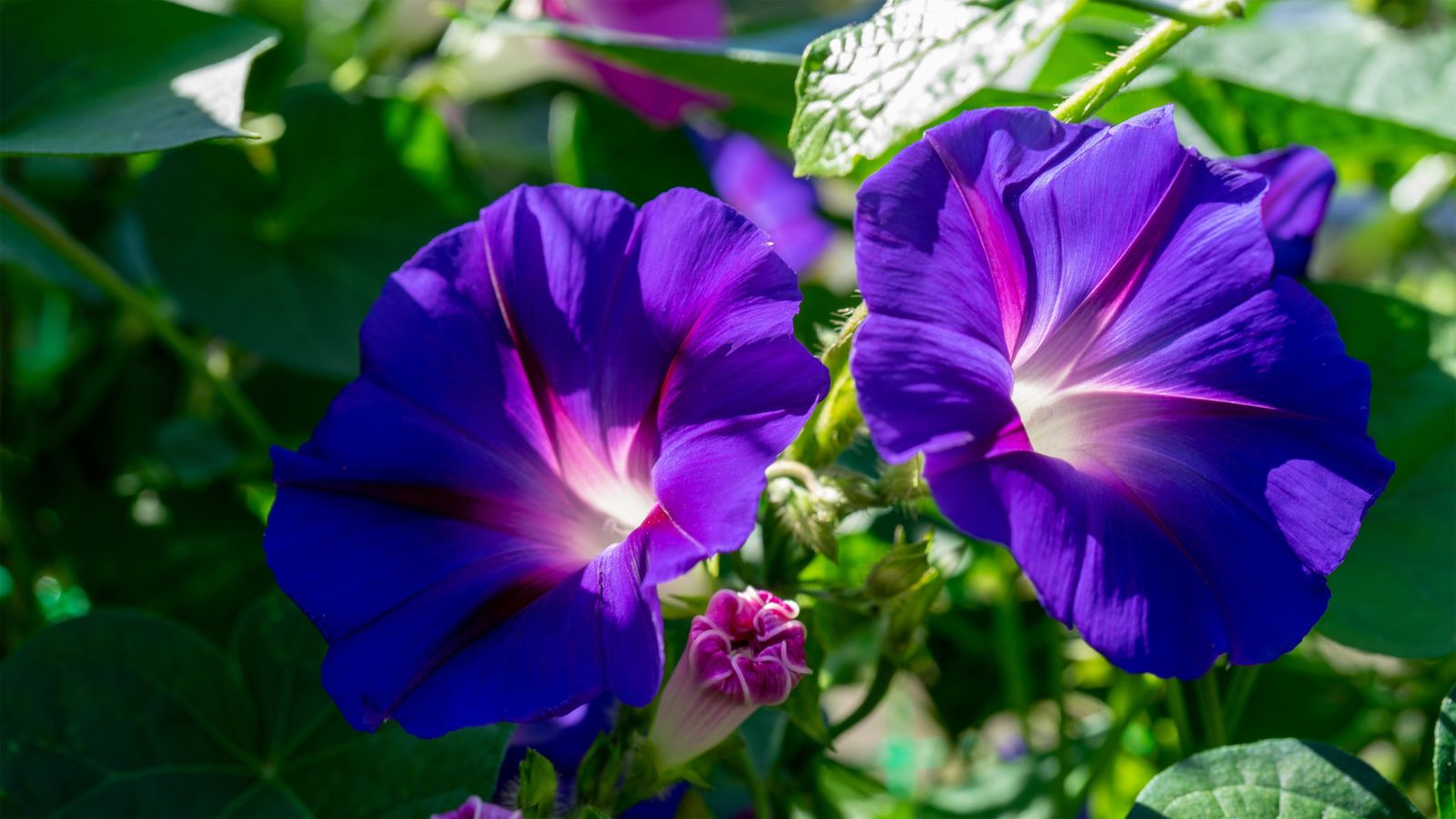
For vertical interest without much effort, plant morning glory seeds directly in the garden in May. These vigorous climbers will quickly cover trellises, fences, or arbors with heart-shaped leaves and trumpet-shaped blooms that open fresh each morning. Colors range from heavenly blues and purples to pinks and whites, often with contrasting throats.
Morning glories are remarkably low-maintenance, requiring little beyond initial support to climb on. For quicker germination, nick the hard seed coat or soak seeds overnight before planting. Keep in mind that in some areas, morning glories can self-seed enthusiastically. Deadhead blooms promptly, and check your local extension office for invasive warnings in your area.
Celosia
|
|
botanical name Celosia argentea |
|---|---|
|
|
sun requirements Full sun |
|
|
height 1-3′ |
|
|
hardiness zones Annual in most zones, perennial in zones 10-11 |
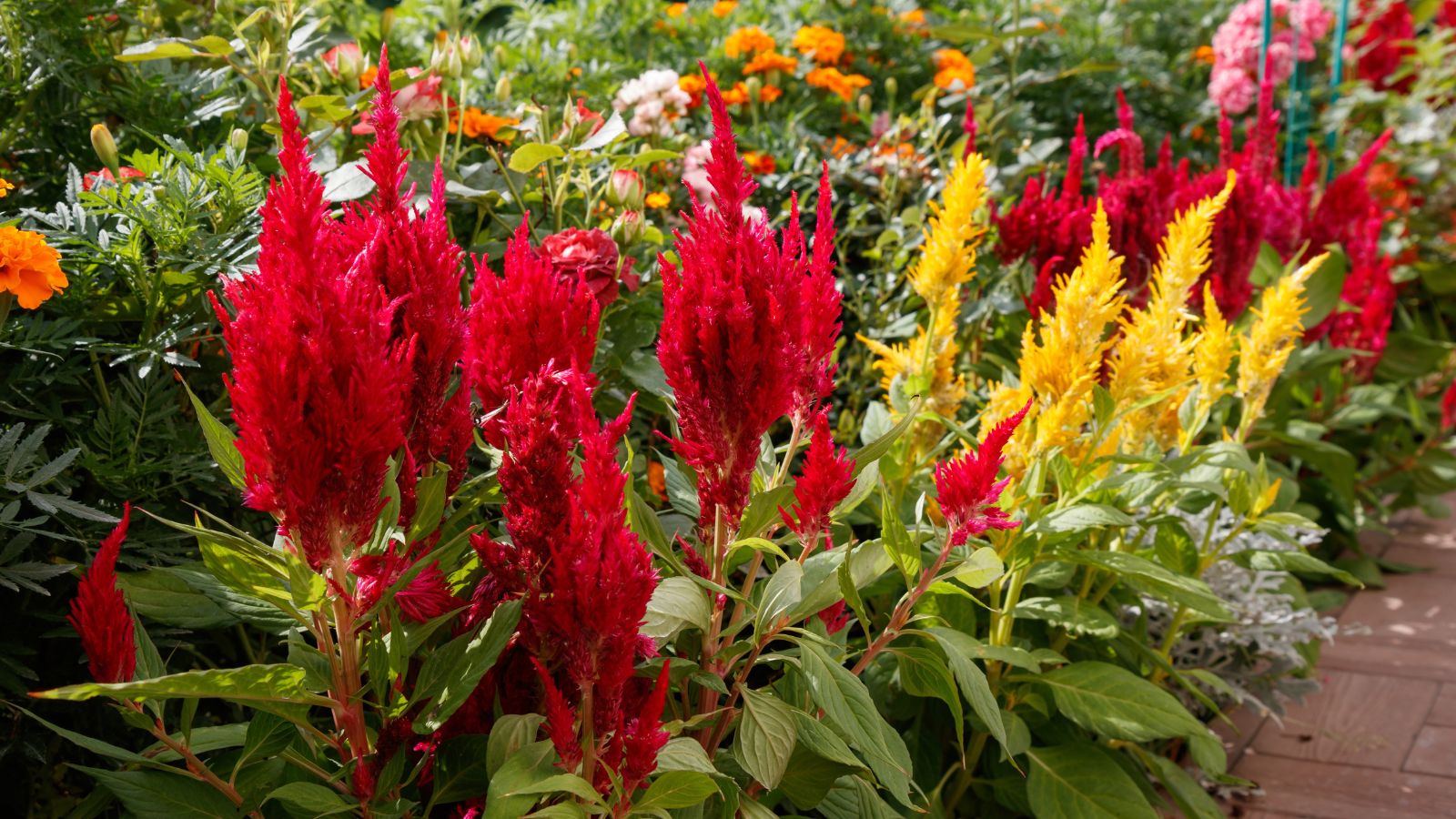
For dramatic texture in the summer garden, few plants match the architectural impact of celosia. May planting allows these heat-lovers plenty of time to develop their distinctive plumes, crests, or spikes in vibrant shades of red, orange, yellow, pink, and purple.
Plume types (C. argentea var. plumosa) produce feathery, upright plumes, while cockscomb varieties (C. argentea var. cristata) form fascinating brain-like crests. Celosias thrive in the heat and humidity that makes other flowers wilt, and their blooms maintain their vibrant color even when dried, making them perfect for long-lasting arrangements.
Portulaca (Moss Rose)

|
|
botanical name Portulaca grandiflora |
|---|---|
|
|
sun requirements Full sun |
|
|
height 3-9″ |
|
|
hardiness zones Annual in most zones, perennial in zones 10-11 |
For hot, dry spots where other flowers fail, portulaca shines. These succulent annuals thrive in sandy soils and intense heat that would wither most plants.
May planting gives them ample time to spread their low-growing, drought-resistant foliage. The rose-like blooms in bright pinks, yellows, oranges, reds, and whites open fully in sunshine and close in evening or cloudy conditions.
Modern varieties offer double flowers and expanded color ranges. Portulaca requires almost no maintenance once established and will often self-seed modestly for volunteers the following year. Their water-storing succulent leaves make them particularly well-suited for rock gardens and xeriscaping.
Snapdragon

|
|
botanical name Antirrhinum majus |
|---|---|
|
|
sun requirements Full sun to partial shade |
|
|
height 6″-3′ (variety dependent) |
|
|
hardiness zones 7-10 (typically grown as annuals) |
May is an excellent time to plant these beloved flowers that children and adults alike enjoy “snapping.” While technically short-lived perennials in milder climates, snapdragons are typically grown as annuals, providing months of colorful blooms on strong spikes.
Available in virtually every color except true blue, and in heights ranging from dwarf border varieties to stately 3-foot specimens, there’s a snapdragon for every garden situation.
They prefer cooler temperatures, making May planting ideal for establishing plants before summer heat arrives. For continuous blooms, deadhead spent flower spikes and provide afternoon shade in the hottest regions.
Verbena
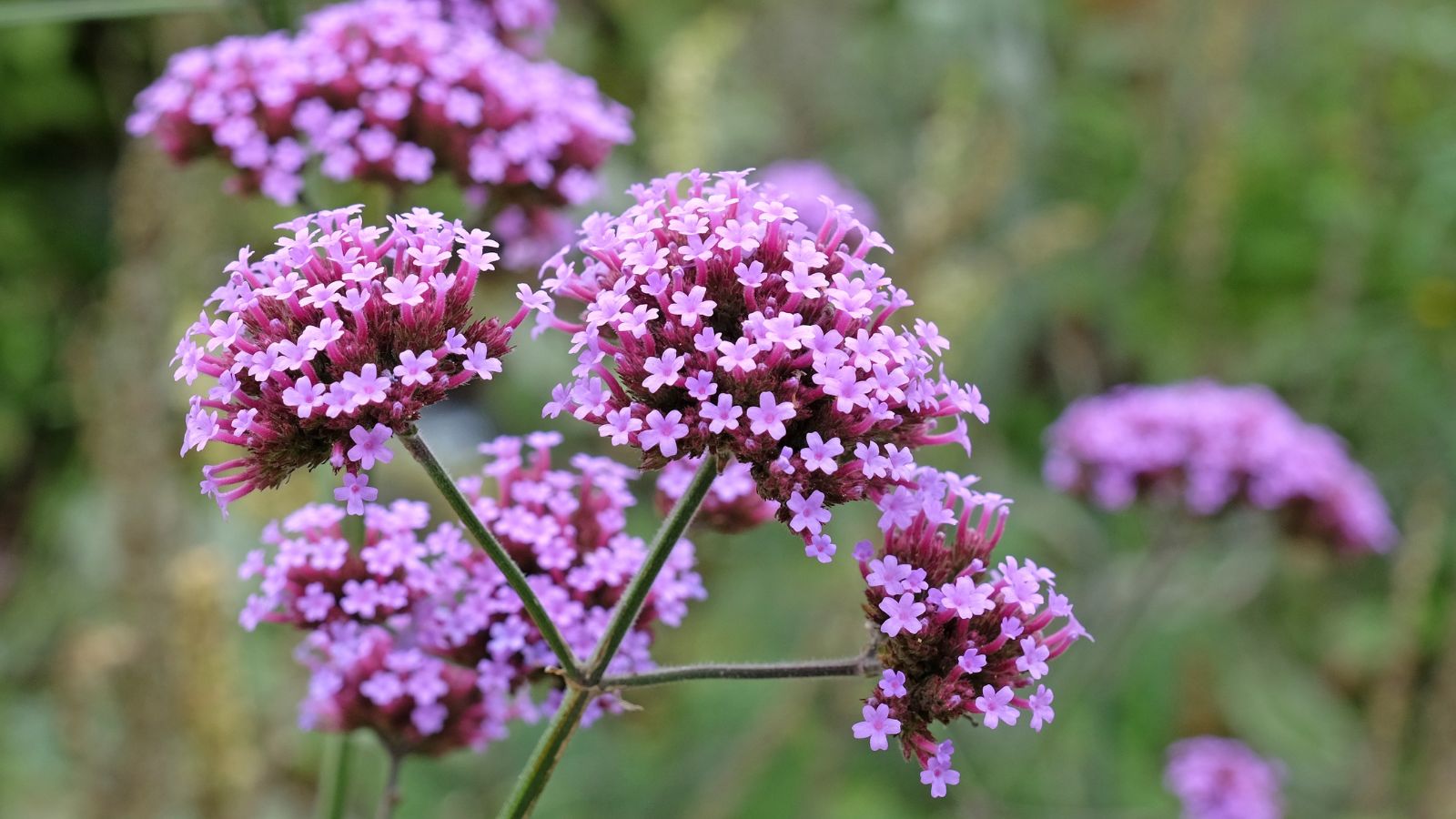
|
|
botanical name Verbena spp. |
|---|---|
|
|
sun requirements Full sun |
|
|
height 8″-30″ (variety dependent) |
|
|
hardiness zones 7-11 (varies by species) |
Verbenas deserve more recognition for their incredible garden performance and May is perfect for getting them established. These heat and drought-tolerant plants produce clusters of tiny, colorful flowers that butterflies find irresistible.
Annual varieties like Verbena bonariensis offer airy height to garden beds, while spreading types create colorful groundcover or spill beautifully from containers. Colors range from vivid purples and pinks to soft blues, reds, and whites. Once established, verbenas require minimal care and will bloom continuously until frost if periodically trimmed back to encourage fresh growth.
With these 12 fantastic options for May planting, your garden will burst with color and texture throughout the summer months. Remember that while May is generally safe for planting in most regions, always check your specific last frost date before setting out tender annuals. For the best results, prepare your soil with compost, ensure proper spacing for good air circulation, and water consistently until plants are established. Then sit back and enjoy the flower show that will unfold throughout the season!