Last Chance Labor Day Gardening: 7 Projects to Tackle Now
Labor Day weekend marks the unofficial end of summer, but it’s not too late to start an exciting garden project. Gardening expert Madison Moulton shares what to tackle before it's too late.

Contents
Labor Day weekend is a gardener’s dream. Early September offers some of the best gardening weather of the year, plus it’s ideal timing to tackle those longer projects you may have been putting off in summer. Starting something new or doing some intensive maintenance? All is possible on a Labor Day garden weekend.
Don’t waste this window. These seven projects will give you immediate satisfaction and long-term benefits if you tackle them now while conditions are perfect.
Start a Raised Bed Garden

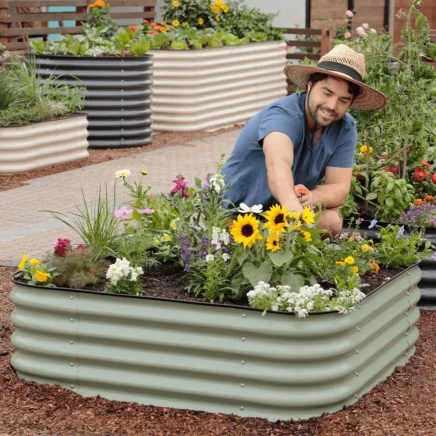
Building raised beds in early fall sets you up perfectly for next year’s growing season or quick returns in fall. If you wait, the soil has time to improve over winter as base materials break down, and you’ll be ready to plant immediately when spring arrives instead of scrambling to get beds built.
Metal beds are great for longevity, plus they’re super easy to set up. In our Labor Day garden sale, you can get up to 35% off metal raised beds to start your new garden. Or if you have big plans, buy two metal raised beds and get one free.
Once you’ve put them together, layer raised beds for larger organic matter and topsoil, then let winter weather work its magic. Winter cycles help break down organic matter and integrate soil components naturally. By spring, you’ll have perfect soil primed for planting.
When you’re building your beds, choose locations carefully. Although they’re easy to build, they’re definitely not easy to move when they’re filled with soil. Consider sun exposure, water access, and how the beds fit with your overall garden layout.
Tidy Up Pathways
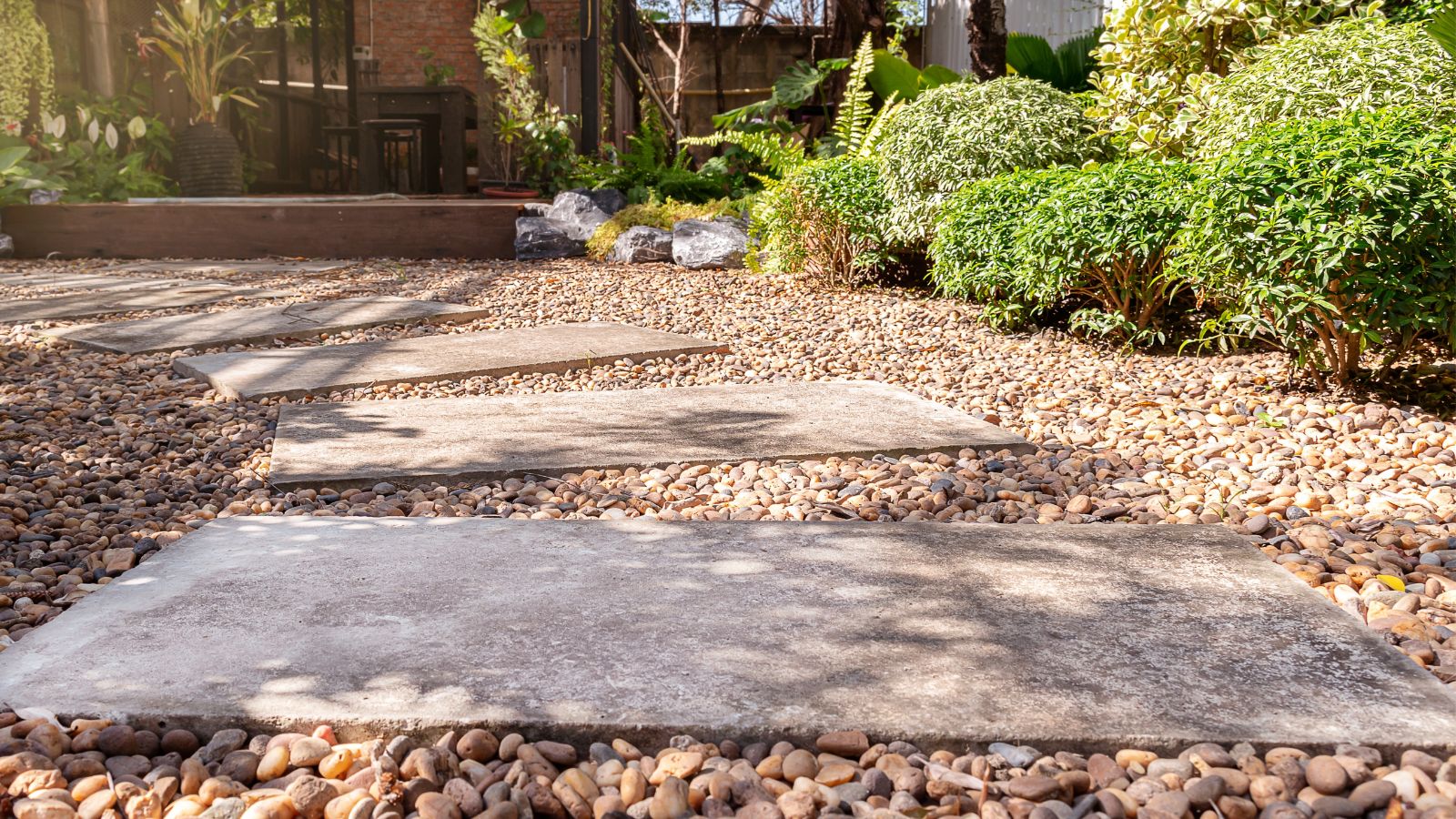
After a fun task, it’s probably time to tackle a not-so-fun garden task this Labor Day. September cleanup prevents pathway problems that develop during winter and creates better access for fall garden work. Doing it now when you have time means you won’t have to do it when temperatures are too cold to be comfortable.
Edge pathways clearly to define their boundaries and prevent ground cover from encroaching. Remove weeds that have sprouted in gravel or between stepping stones. Remove any debris around the areas to make the upcoming regular fall cleaning easier.
Add fresh gravel or bark chips to worn areas where foot traffic has compacted or displaced existing materials. A fresh top layer improves drainage and appearance while making paths safer in wet conditions. Consider upgrading problem areas with better materials or improved drainage.
Sow Fall Crops

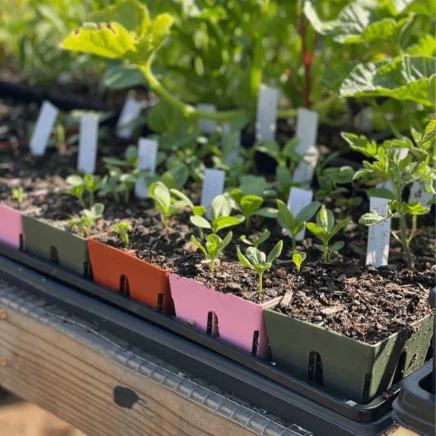
Early September is the time to get fall crops started in most climates before the temperatures drop too low for germination. Many cool-weather vegetables planted now will mature during October and November for quick harvests. And with 30% off seed-starting garden materials this Labor Day weekend, you can gather everything you need for success.
Lettuce, spinach, radishes, and other quick-growing crops can still produce meaningful harvests if planted on Labor Day weekend in the garden. These vegetables prefer cool weather and often taste better than those planted when temperatures are too high.
Focus on varieties known for cold tolerance, especially if you live in a cooler climate. These handle temperature fluctuations better and continue producing even after light frosts that would stop other varieties.
Keep newly planted areas consistently moist to encourage early growth. Seeds and seedlings are particularly vulnerable to drought stress during establishment, so don’t forget about them after Labor Day weekend planting.
Fill Fall Containers
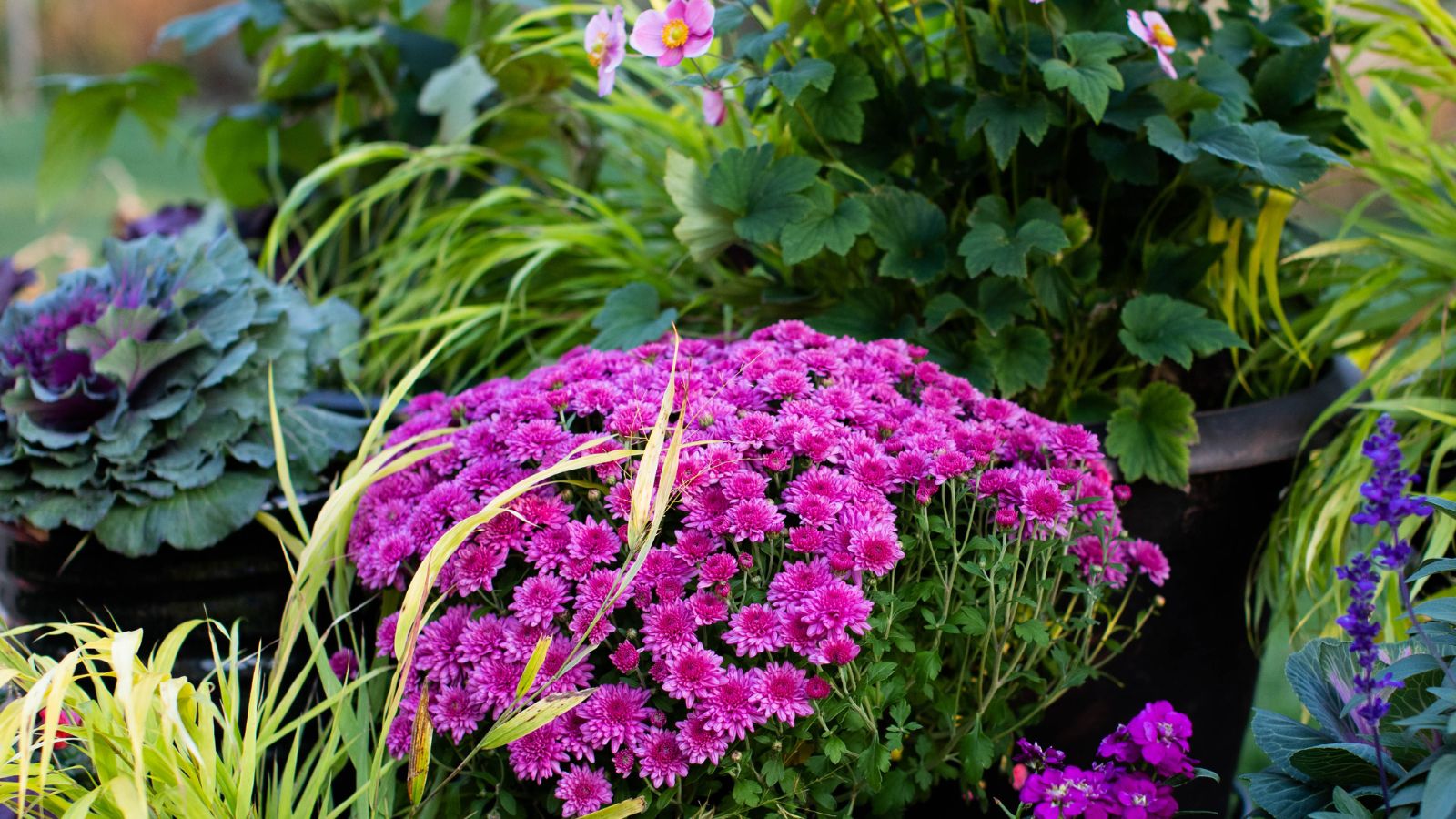
For a pop of fall color, take a Labor Day garden weekend to get creative and pot up some fall containers. Container gardens planted now will look their best during fall’s perfect weather and can often continue providing color into winter with proper variety selection.
Pansies, ornamental cabbages, and cold-hardy herbs are ideal for creating displays that improve as temperatures drop. They provide bonus harvests and ornamental value, a true win-win.
Use larger containers like grow bags that provide more root space. You can get them for 30% off in our Labor Day garden sale. Then group containers together for easier maintenance and better visual impact. Clustered arrangements also provide protection from wind and temperature extremes.
Plan for seasonal transitions by including plants with different peak times. Early fall bloomers can be replaced or supplemented with winter interest plants as the season progresses. Consider popping in a few spring bulbs for a full seasonal transition.
Grow Vertically

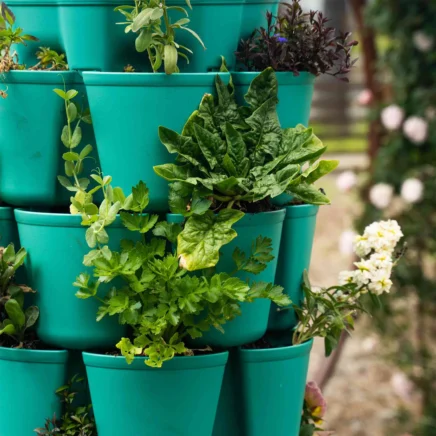
Vertical planters maximize growing space while creating interesting visual elements in fall gardens. If you don’t have any yet, get 20% off GreenStalk vertical planters to start vertical gardening the easy way.
GreenStalk planters work particularly well for herbs and leafy vegetables that don’t need deep root space. The vertical growing method also makes harvesting easier.
Position vertical planters where they’ll receive adequate light but protection from strong winds. Fill towers with high-quality potting mix to make the most of limited soil space. The growing medium needs to support plants while allowing excess water to drain freely.
For maximum ornamental value, plant trailing varieties near the top and upright types lower down for balance. This arrangement also ensures all plants receive adequate light exposure.
Plant Fruit Trees
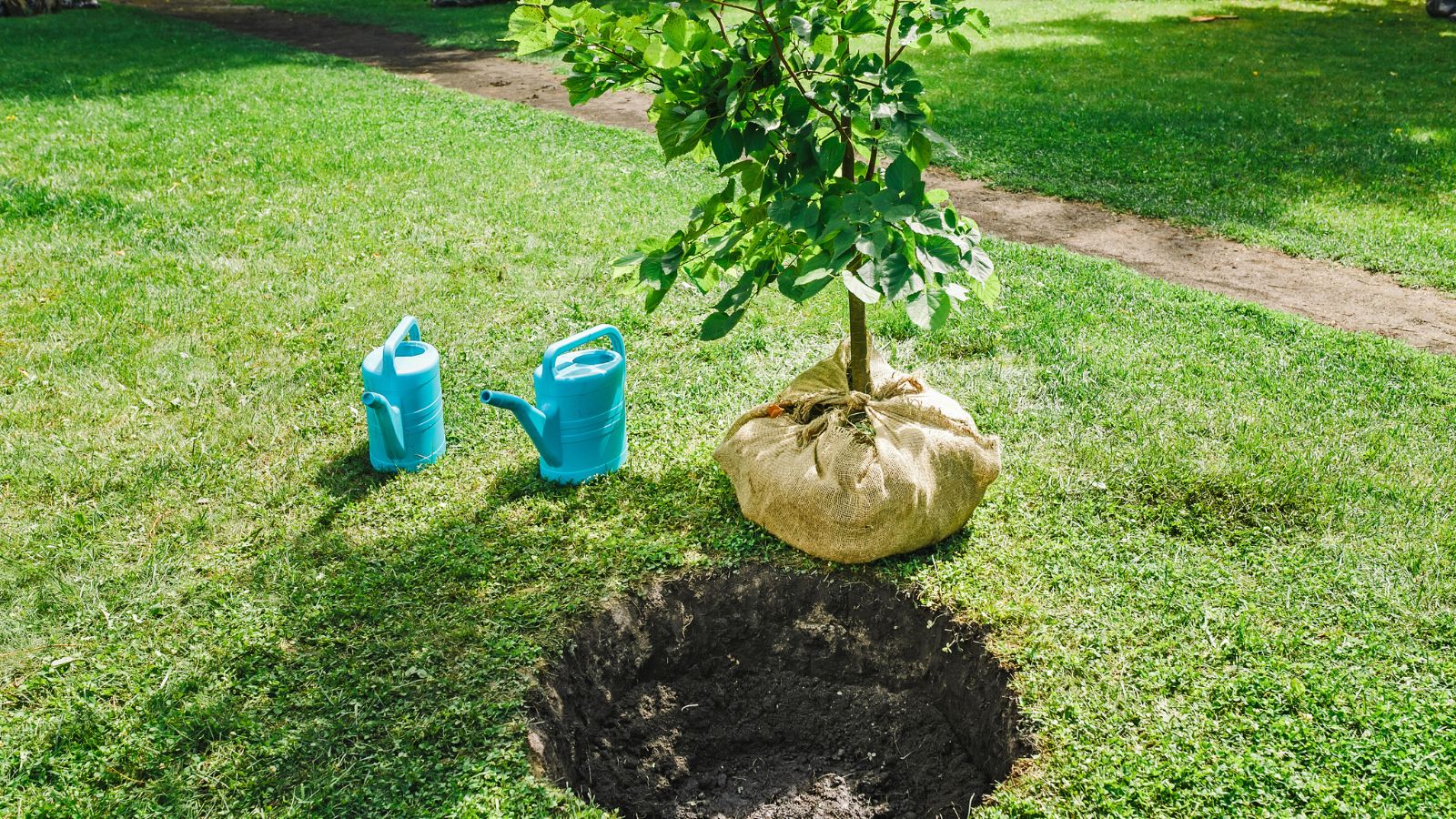
For a more intensive Labor Day garden project, consider planting some fruit trees for long-term garden benefits. Newly planted trees can focus energy on root development during fall and winter instead of supporting leaves and dealing with heat. This underground establishment makes them much more resilient during their first summer.
Choose varieties suited to your climate and space limitations. Dwarf trees work well in smaller spaces or containers, while standard varieties need room to reach their mature size without crowding.
Digging holes for fruit trees takes quite a while, as it’s best to dig a slightly bigger hole to amend the soil around the roots for better establishment. Water deeply but infrequently after planting to encourage deep root development.
Mulch Beds

Finally, an essential task throughout fall, but a great one to tackle on Labor Day weekend in the garden, is mulching. Fresh mulch applied now protects plants through cooler fall and winter weather while improving soil structure as it decomposes.
Use this opportunity to clean up beds before mulching. Remove weeds, dead plant material, and debris that could harbor pests or diseases over winter. Fresh mulch over clean beds provides better protection.
Apply a layer a few inches thick now and top up throughout the season as needed. Organic mulch like compost is preferred as it breaks down over time, but inorganic mulch can be neater. Choose whatever suits your space best.