29 Rare Flowers With Names and Pictures
While many gardeners have seen the basic staple flowers, there are many across the world that are quite rare. In this article, we look at some of the most rare flowers grown all over the world.


Contents
Nature truly has some incredible flowers, some being so rare that they bloom once per year, decade, or every few thousand years. Some flowers resemble ordinary things we can quickly recognize, making them highly sought after.
With over 6,000 known endangered plant species worldwide, some have become well-known for their rarity and beauty.
In some cases, they’re native to an exotic location or need a particular environment to thrive. Others are actually manufactured flowers, making them worth hundreds of thousands of dollars.
Deforestation has unfortunately played a considerable role in limiting certain species of unique, stunning, and now rare flowers. Flowers may be rare because their natural habitat is disappearing, making it harder for them to thrive in the wild. Some flowers have specific growth requirements, such as pollination needs or their environment being destroyed.
Some of the flowers on this list may only bloom once in a while, meaning that you are unlikely to see them. Lastly, you may see flowers on this list that you’ve never heard of simply because they’re lesser-known and haven’t become popular mainstream.
Whatever the case may be, these rare flowers all have some exciting and unique qualities. Let’s get into this list of some of the rarest flowers in the world and see what makes them so rare.
Black Bat Flower


|
botanical name Tacca chantrieri |
|---|---|

|
plant type Perennial |

|
sun requirements Partial sun to dappled shade |

|
height 36 inches tall, 12 inches wide |

|
hardiness zones 9b to 11 |
The Black Bat Flower is one of the most unique and exotic-looking perennials. This black flower looks similar to a bat with its wing-shaped bracts, and the seed pods resemble a bat’s face. The black bat flower has become scarce in the wild because of its specific environmental conditions. It requires lots of humidity and regular watering, so growing this as an indoor plant is challenging.
Its cousin, the White Bat flower, is also a rare flower that can be challenging to find, as well.
Chocolate Cosmos

|
|
botanical name Cosmos atrosanguineus |
|---|---|
|
|
plant type Annual, perennial above Zone 7 |
|
|
sun requirements Full sun |
|
|
height 30 in. tall |
|
|
hardiness zones 7-11 |
This stunning cosmos flower has a chocolatey fragrance, hence its name. Though they were believed to be extinct for decades, Chocolate Cosmos were spotted in Mexico in the early 21st century.
Still, these highly sought-after flowers are hard to come by. Chocolate Cosmos are stunning perennial flowers that bear velvety, maroon petals with dark brown centers.
Corpse Flower

|
|
botanical name Titan arum |
|---|---|
|
|
plant type No annual cycle; blooms once every 9+ years |
|
|
sun requirements Partial sun |
|
|
height Up to 15 Feet |
|
|
hardiness zones 10 |
The Corpse Flower is a rare, exotic plant with flowers blooming just once every nine years at minimum, and sometimes, there are decades between blooms. Not only is the Corpse flower one of the rarest in the world, but it is also known to be one of the largest flowers in the world.
It contains no roots, leaves, or stems and has just one petal. When in bloom, it emits a foul odor that’s compared to rotten meat to attract its prey, insects.
Cube-Shaped Pseudolithos

|
|
botanical name Pseudolithos cubiformis |
|---|---|
|
|
plant type Cactus, succulent |
|
|
sun requirements Partial sun |
|
|
height 5 inches tall |
|
|
hardiness zones 10 |
The aptly-named Cube-Shaped Pseudolithos is a succulent that grows into a nearly perfect cube. This succulent grows from a single stem with flowers that bloom in red, yellow, or green.
It takes quite a bit of time for it to grow, and it can be hard to come by. If you plan to purchase a Cube-Shaped Pseudolithos, be prepared to spend more than $100.
Dancing Girls Orchid
|
|
botanical name Impatiens bequaertii |
|---|---|
|
|
plant type Perennial |
|
|
sun requirements Partial to full shade |
|
|
height 0 ft. to 2.5 ft. tall, 0 ft. to 2 ft. wide |
|
|
hardiness zones 8-11 |
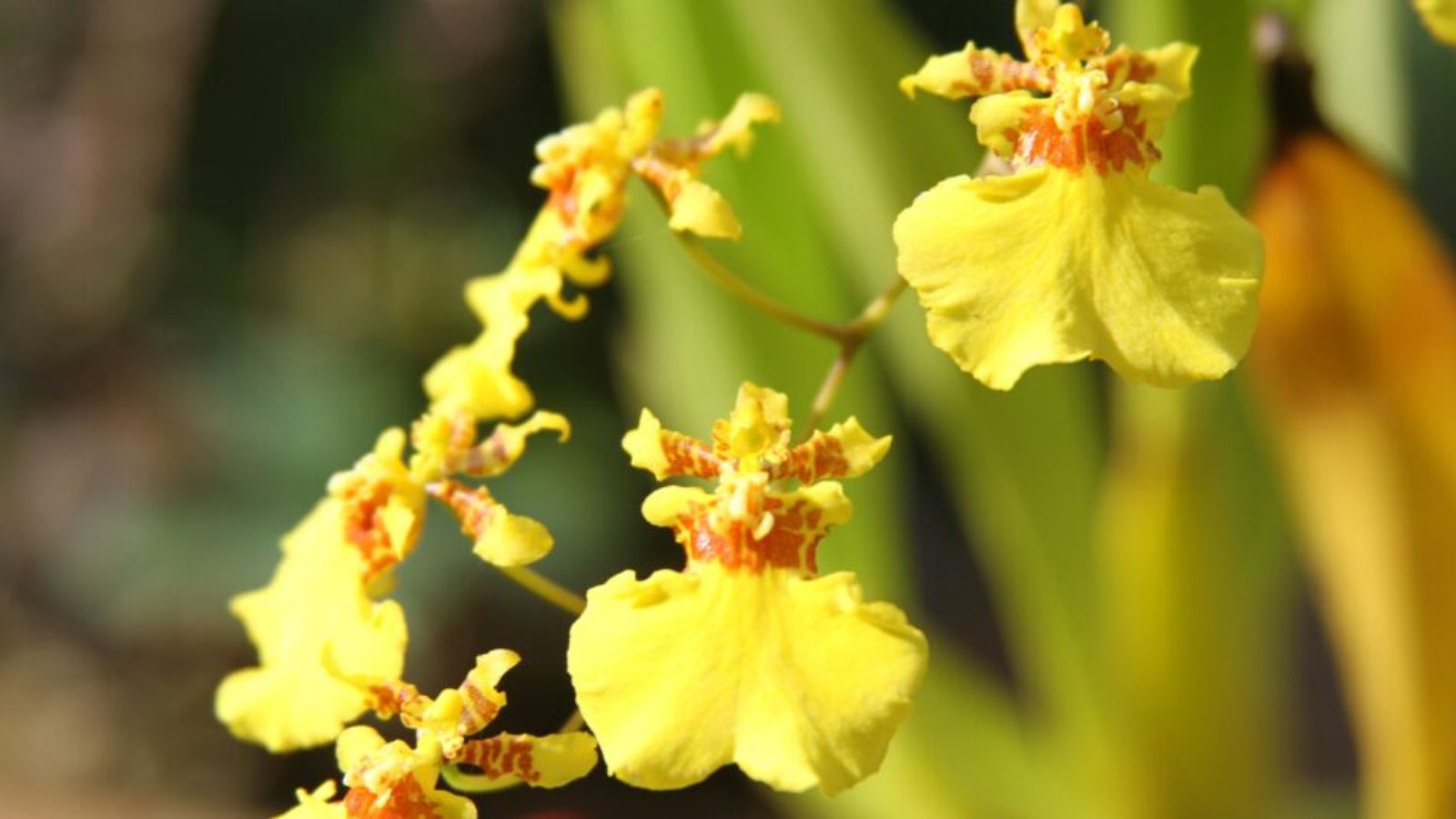
Because of its adorably unique appearance, the Dancing Girls Orchid is considered to be one of the most sought-after, rare flower species worldwide. Each plant only grows to be about a foot tall, and its flowers are less than an inch.
If you are able to get your hands on this flower, its colors will be either light pink or white with petals that look like a tiny dancing girl.
Devil’s Hands Tree

|
|
botanical name Chiranthodendron |
|---|---|
|
|
plant type Tender perennial |
|
|
sun requirements Full sun |
|
|
height 34–90 ft tall |
|
|
hardiness zones 9b-11 |
Sometimes referred to as Monkey’s Hand Tree, the Devil’s Hand Tree is a highly-desired, rare plant that blooms flowers resembling a red clawed hand.
Native to Guatemala, its seeds are rarely available and, when they are, need to germinate quickly. Because of this, the delivery of this plant may take a few months, but many find it to be well worth the wait.
Dutchman’s Pipe Cactus

|
|
botanical name Epiphyllum oxypetalum |
|---|---|
|
|
plant type Cactus |
|
|
sun requirements Partial sun |
|
|
height 10 feet tall |
|
|
hardiness zones 10-11 |
Dutchman’s Pipe Cactus, or Kadupul Cactus, bears large, stunning, bright white flowers. However, you’ll have a hard time seeing these beauties in nature as they only bloom at night.
Growing primarily in the wild near decaying matter, this beautiful rare flower requires specific growth conditions. A Dutchman’s Pipe Cactus is a pricey investment, especially since these flowers have a short lifespan.
Fire Lily

|
|
botanical name Gloriosa |
|---|---|
|
|
plant type Perennial |
|
|
sun requirements Partial shade |
|
|
height 6 to 8 feet height, 1 to 3 feet width |
|
|
hardiness zones 8-12 |
Fire lilies are considered endangered due to over harvesting. These breathtaking red perennial flowers have trumpet-shaped blooms with red, orange, and yellow shades that blend together to resemble flames. In most countries, Fire Lily plants are considered to be invasive because of their ability to spread.
Additionally, all parts of this plant can be fatal to animals and humans, and even touching the flower can cause skin irritation.
Franklin Tea Flower

|
|
botanical name Franklinia |
|---|---|
|
|
plant type Flowering Tree |
|
|
sun requirements Full Sun to Part Shade |
|
|
height 10-20 feet tall, 6-15 feet wide |
|
|
hardiness zones 5 to 8 |
The Franklin Tree is a unique flowering tree that bears white, cup-shaped flowers with a honeysuckle-like scent. Though the Franklin Tea Flower grows in some states, it is considered to be rare because it’s no longer in the wild.
The remaining Franklin Trees exist from the propagation of the last seeds that were saved from the 1800s. Unfortunately, the last sighting of the Franklin Tree in the wild was in 1803 by John Lyon. It’s unknown what caused its extinction in the wild.
Giant Padma

|
|
botanical name Rafflesia arnoldii |
|---|---|
|
|
plant type Parasitic flowering plant |
|
|
sun requirements Full sun |
|
|
height 3 feet across the flower |
|
|
hardiness zones 11a |
Giant Padma, also known as “The Monster flower,” is the largest flower in the world. This massive five-petaled flower is deep red in color with cream-colored spots and can grow to be a whopping 3 feet across.
Though sometimes referred to as Corpse Flower due to its foul odor, it differs from the Corpse Flower (Titan Arum) at the beginning of our list. Although it also has a strong and unpleasant smell of decaying flesh, it can only be found in the rainforests of Sumatra and Borneo. Corpse Flower, on the other hand, is located in Indonesia.
Ghost Orchid

|
|
botanical name Dendrophylax lindenii |
|---|---|
|
|
plant type Perennial epiphyte |
|
|
sun requirements Full sun |
|
|
height Up to 20 inches tall |
|
|
hardiness zones 10a-11 |
Because of habitat destruction paired with its specific habitat needs, the Ghost Orchid is an endangered species that are protected in areas of South Florida. This stunning orchid is easy to spot with its unique, long, white petals. Ghost Orchids do not contain roots but instead attach to the host tree.
Despite its delicate and flowy appearance, the Ghost Orchid actually gets its name for its ability to change locations throughout the night. When it moves, it appears to float like a ghost.
Gibraltar Campion

|
|
botanical name Silene tomentosa |
|---|---|
|
|
plant type Perennial |
|
|
sun requirements Full sun or partial shade |
|
|
height 16 inches |
|
|
hardiness zones 5-8 |
Gibraltar Campion is a full sun perennial flower that features unique two-lobed petals that range from pale pink to pale violet. You can only find these scarce flowers in Gibraltar, and they were once rumored to be extinct in the wild. However, the plant was rediscovered in the Gibraltar Nature Preserve (formerly the Upper rock Nature Preserve) in 1994.
Since its re-discovery, Gibraltar Campions have been artificially grown and protected under the Nature Protection Act of 1991.
Hooker’s Lips
|
|
botanical name Psychotria elata |
|---|---|
|
|
plant type Perennial |
|
|
sun requirements Partial shade |
|
|
height 3-10 feet tall, occasionally up to 13 feet |
|
|
hardiness zones 10b to 11b |
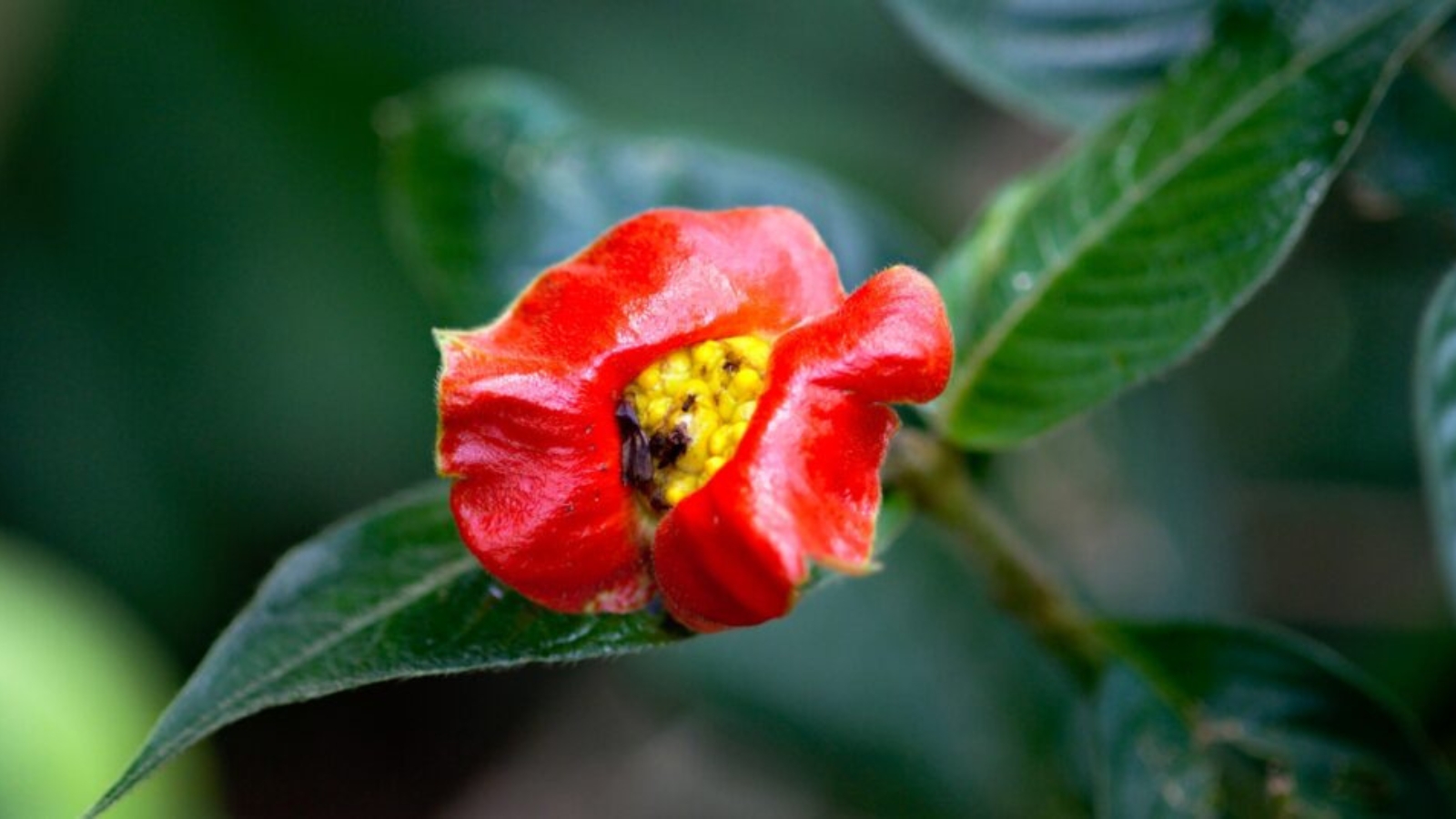
Hooker’s Lips are a unique flower that looks like luscious lips with bright red lipstick, giving this plant its distinctive name. Its irregular shape attracts pollinating animals and insects, helping it to reproduce. This flower has a pair of modified leaves that pout around its tiny flowers that become bluish-black berries.
Though it has been a common practice to gift Hooker’s Lips on Valentine’s day in Central America, this plant is in decline due to climate change and deforestation.
Jack-in-the-Pulpit
|
|
botanical name Arisaema triphyllum |
|---|---|
|
|
plant type Perennial |
|
|
sun requirements Full sun to partial shade |
|
|
height Up to about 2 feet tall |
|
|
hardiness zones 4-9 |
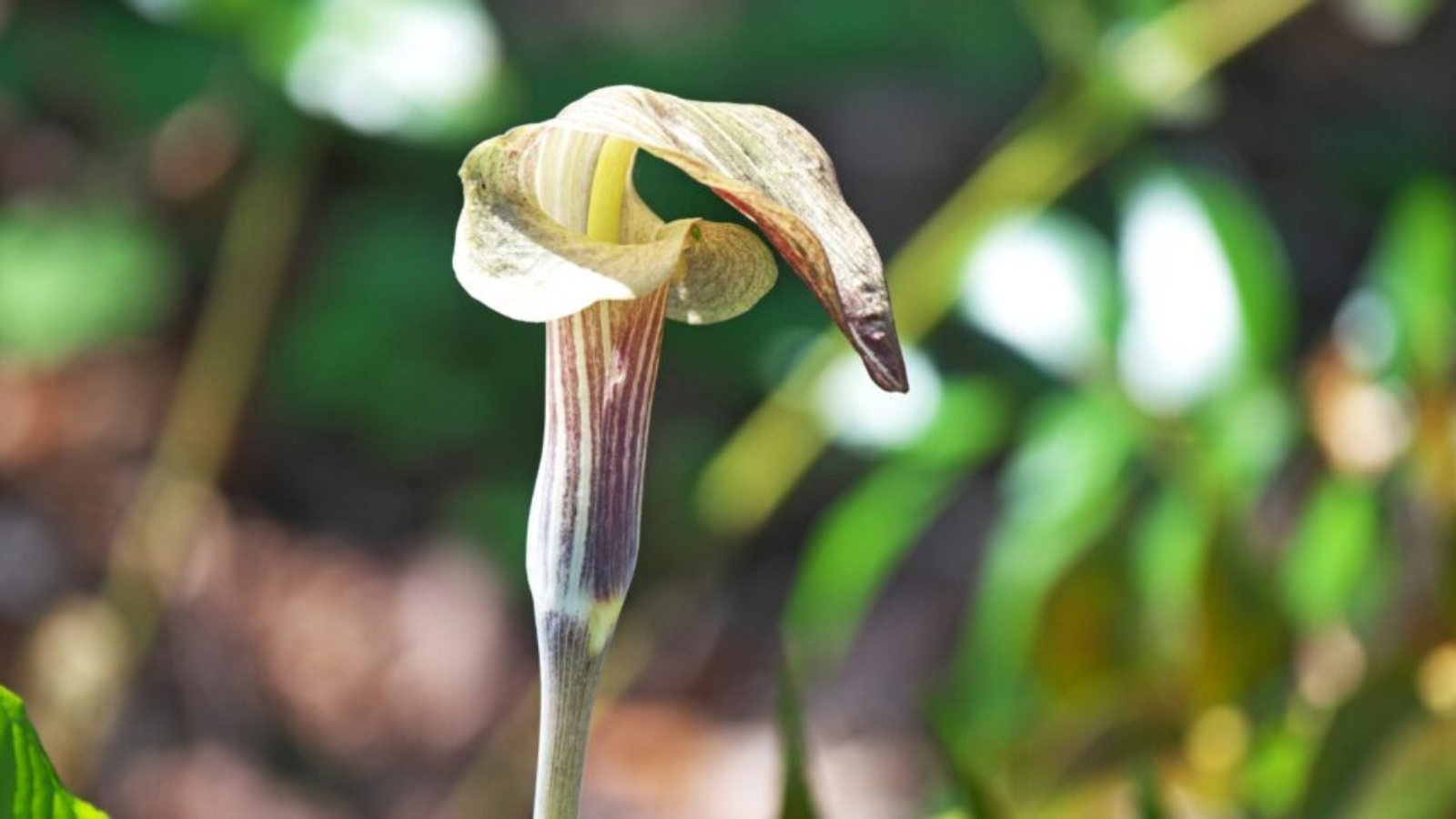
In late summer, Jack-in-the-Pulpit bears bright red berries that provide a source of food for wildlife like rodents and birds. This distinctive plant is bright green with brown stripes that form a hooded flower.
Jack-in-the-Pulpit is facing threats from invasive species, like buckthorn and garlic mustard, which have been rapidly invading Canada’s woodland habitats.
Jade Vine

|
|
botanical name Strongylodon macrobotrys |
|---|---|
|
|
plant type Perennial woody vine |
|
|
sun requirements Full sun |
|
|
height 30-50 feet long |
|
|
hardiness zones 10-11 |
Jade Vines are native to tropical rainforests in the Philippines, where trees grow upwards towards the sun. The Jade Vine can be blue or light green and contains clusters of claw-shaped flowers.
With the destruction of Philippine rainforests, and a decrease in their pollinators, bats, this stunning plant is endangered. In the wild, bats are drawn into the Jade Plant’s luminescent glowing flowers at twilight.
Despite its difficulty with propagating and growing in captivity, the Jade Vine survives in cultivation in the Philippines and in other nurseries in tropical and sub-tropical areas worldwide.
Juliet Rose
|
|
botanical name Ausleap |
|---|---|
|
|
plant type Shrub |
|
|
sun requirements Full sun |
|
|
height 4 feet tall |
|
|
hardiness zones 5-10 |
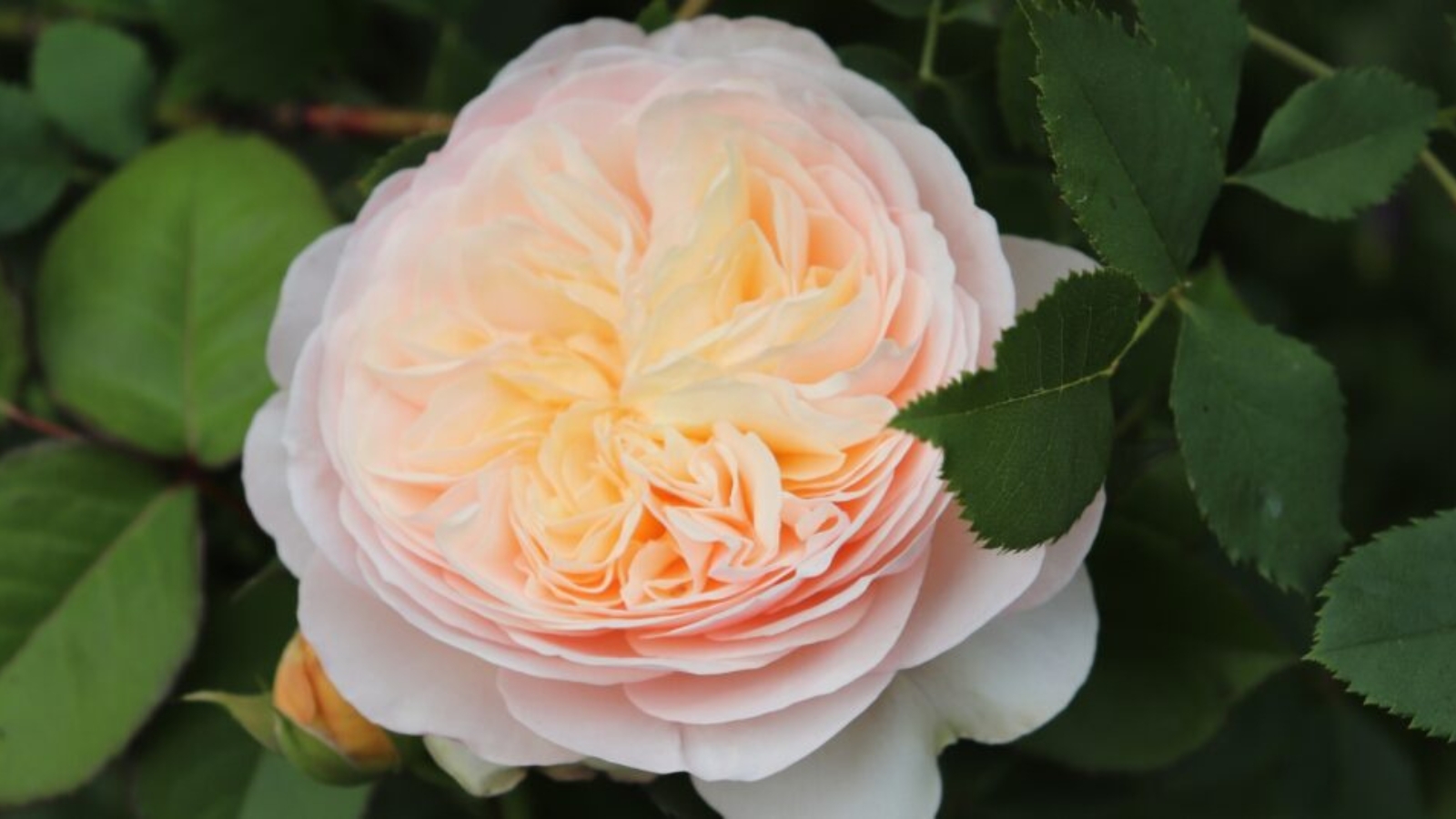
The Juliet Rose is a man-made flower that took David Austin over a decade (and over $4 million) to cultivate. This stunning rose is available in apricot or peach, and each distinctive flower has an ombre effect.
Now, a single Juliet Rose will cost you at least $120. Though these elegant roses come with steep prices, they are popular among bridal bouquets.
Middlemist’s Red Camellia

|
|
botanical name Middlemist camellia |
|---|---|
|
|
plant type Evergreen shrub |
|
|
sun requirements Light to partial shade |
|
|
height Up to 6-15 feet tall |
|
|
hardiness zones 6-9 |
The Middlemist Red Camellia is a rare flower with only two existing samples today. After it was brought to the United Kingdom from China, its existence in its native origin was wiped out. Although there is no explanation as to why it went extinct in the wild, many speculate that over-cultivation is the reason.
Not only is Middlemist’s Red Camellia extremely rare, but it’s a stunning flower that resembles a rose with a bright pink color rather than red.
Monkey Face Orchid
|
|
botanical name Dracula simia |
|---|---|
|
|
plant type Perennial |
|
|
sun requirements Full to partial shade |
|
|
height 2 feet tall |
|
|
hardiness zones 10-11 |
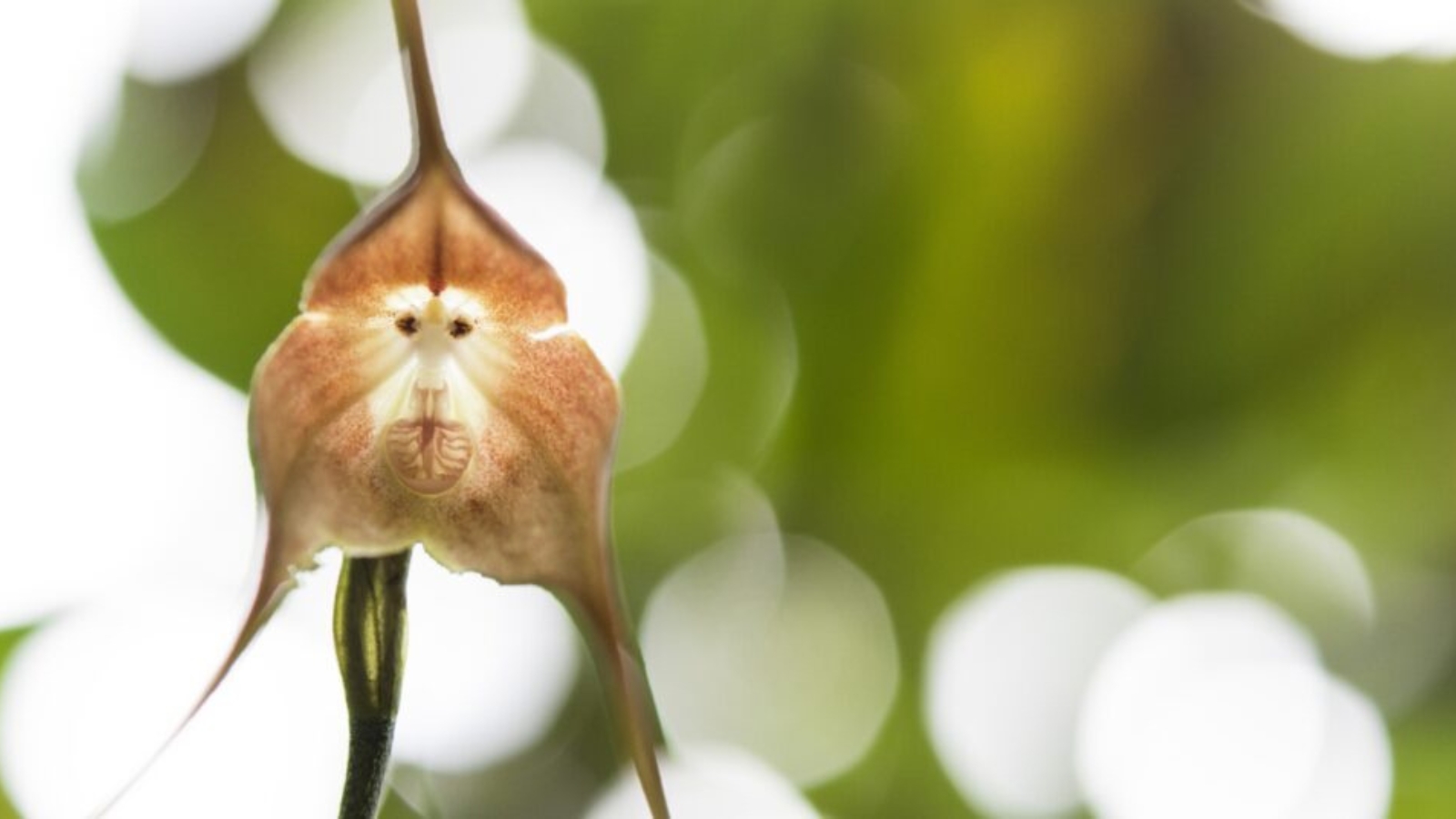
Monkey Face Orchids are unique flowers that have the appearance of a monkey in the center of its bloom. The flower’s color may be green, yellow, orange, white, blue, pink, red, black, or multiple colors. You can only find Monkey Face Orchid in the wild at elevations of over 1,000 meters on mountains in Ecuador and Peru.
Though the Monkey Face Orchid is highly sought-after because of its unique appearance, you can purchase this quirky flower from various sellers. Growing Dracula simia is challenging and requires specialized techniques and environment, so it is not recommended for beginner orchid growers.
Naked Man Orchid

|
|
botanical name Orchis italica |
|---|---|
|
|
plant type Perennials |
|
|
sun requirements Partial shade |
|
|
height 20 inches tall |
|
|
hardiness zones 5-8 |
The Naked Man Orchid, sometimes referred to as Hanging Man Orchid or Italian Orchid, is an orchid species native to the Mediterranean Basin. Orchis italica gets its common name from its distinctive appearance; each flower has petal arrangements that resemble a small, naked man hanging on a rope with a petal crown reaching around its “head.”
Because of overharvesting, these distinctive flowers are rumored to be endangered. In Italy, some believe that consuming this plant may help virility.
Parrot’s Beak

|
|
botanical name Lotus berthelotii |
|---|---|
|
|
plant type Trailing evergreen perennial |
|
|
sun requirements Full sun |
|
|
height Up to 1 foot |
|
|
hardiness zones 10-12 |
Lotus berthelotii, commonly known as Parrot’s Beak, Pelican Beak, or Coral gem, has gorgeous red and orange colored petals that look like the beak of a parrot, hence its names. Its stunning flowers are about one inch long and come to a visible beak-like point. Parrot’s beak typically grows to a maximum height of 8 inches, though sometimes reaches one foot, and can spread two or three feet.
Though this distinctive flower is popularly grown around the world, it rarely exists in the wild and is considered to be severely endangered.
Parrot Flower

|
|
botanical name Impatiens psittacina |
|---|---|
|
|
plant type Tender Perennial |
|
|
sun requirements Partial shade |
|
|
height Up to 6 feet tall |
|
|
hardiness zones 11 |
The stunning Parrot Flower looks like colorful cockatoos flying together, and it’s so incredible that some believe the plant itself is a hoax. Parrot Flower has multi-colored reddish-purple and white petals with a small, green sepal that creates its “beak.” It is unknown what it relies on for pollination, though some speculate its pollinators are bats or long-tongued birds. However, there is no official record.
Unlike some of the other flowers on this list, you cannot purchase the seeds of this plant, and it’s illegal to export them from Thailand.
Pokemeboy

|
|
botanical name Vachellia anegadensis |
|---|---|
|
|
plant type Spiny Tree or Shrub |
|
|
sun requirements Full sun |
|
|
height 26 feet tall |
|
|
hardiness zones 9a |
This distinctive plant can only be found in the subtropical or tropical dry forests, shrubland, shores, and rural gardens within the British Virgin Islands. It has a distinctive, bright yellow and orange fluffy appearance with its stringy petals. It is incredibly spiny, giving it its unique common name.
The Pokemeboy is threatened by habitat loss and is thought to be in decline from feral animals overgrazing.
Queen of the Night
|
|
botanical name Selenicereus grandiflorus |
|---|---|
|
|
plant type Cactus |
|
|
sun requirements Full sun |
|
|
height 30 feet tall |
|
|
hardiness zones 10-11 |
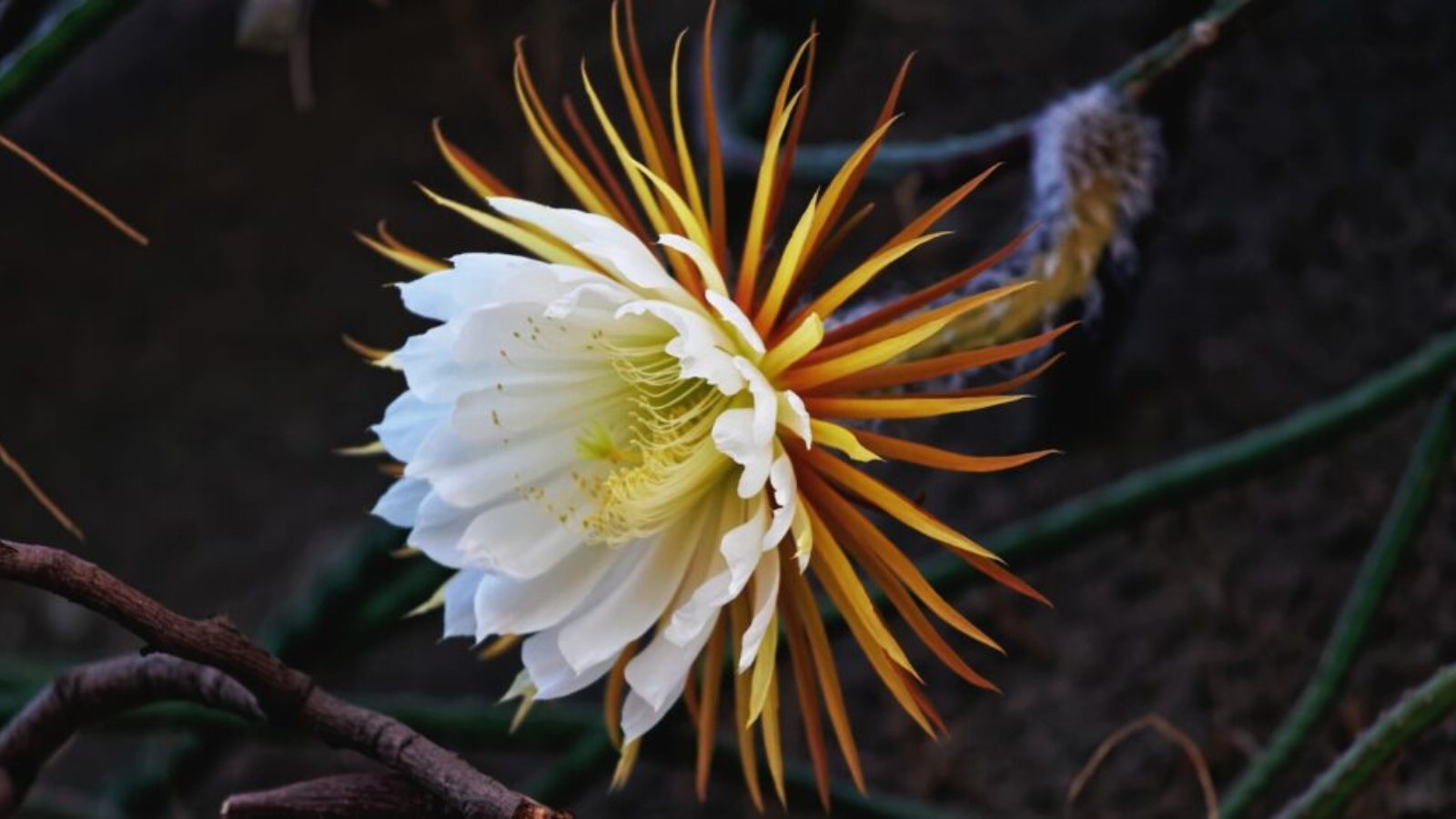
Not to be confused with Epiphyllum oxypetalum, which sometimes shares the same common name, Queen of the Night is another rare, white flower that blooms at night. However, true Queen of the Night only blooms for one night within an entire year before withering the following day.
Selenicereus grandiflorus was first introduced to Europe with historical records at Hampton Court Gardens that mention this incredible flower growing prior to the 1700s. The star-like flowers on this cactus emit a strong vanilla scent.
Red Indian Pipe

|
|
botanical name Monotropa uniflora |
|---|---|
|
|
plant type Herbaceous perennial |
|
|
sun requirements Partial to Full Shade |
|
|
height Up to one foot tall |
|
|
hardiness zones 4a-8b |
Red Indian Pipe, also known as Ghost Pipe, is a mysterious flower that only blooms for one week each year and hides underground for the remaining weeks. Because this plant contains no chlorophyll, it has a translucence appearance, which is why it is sometimes referred to as Ghost Pipe.
You can typically find this intriguing plant in a shady area where it arises from a mass of rootlets. Rather than gathering energy from the sun, it gets nutrients from a soil fungus.
Rothschild’s Slipper Orchid

|
|
botanical name Paphiopedilum rothschildianum |
|---|---|
|
|
plant type Perennial |
|
|
sun requirements Full sun to partial shade |
|
|
height Up to 30 inches tall |
|
|
hardiness zones 10-11 |
The Rothschild’s Slipper Orchid is not only challenging to find due to its growth in high altitudes, but it takes 15 years to bloom. This rare beauty is even sold on the black market for thousands of dollars. It has long petals that may be red, black, or yellow striped with a slipper-shaped petal in the center.
You can view the Rothschild’s Slipper Orchid in a fenced-off location in the Kinabalu National Park during the flowering season.
Sea Daffodil
|
|
botanical name Pancratium maritimum |
|---|---|
|
|
plant type Perennials |
|
|
sun requirements Full sun |
|
|
height Up to 20 inches tall |
|
|
hardiness zones 7-10 |
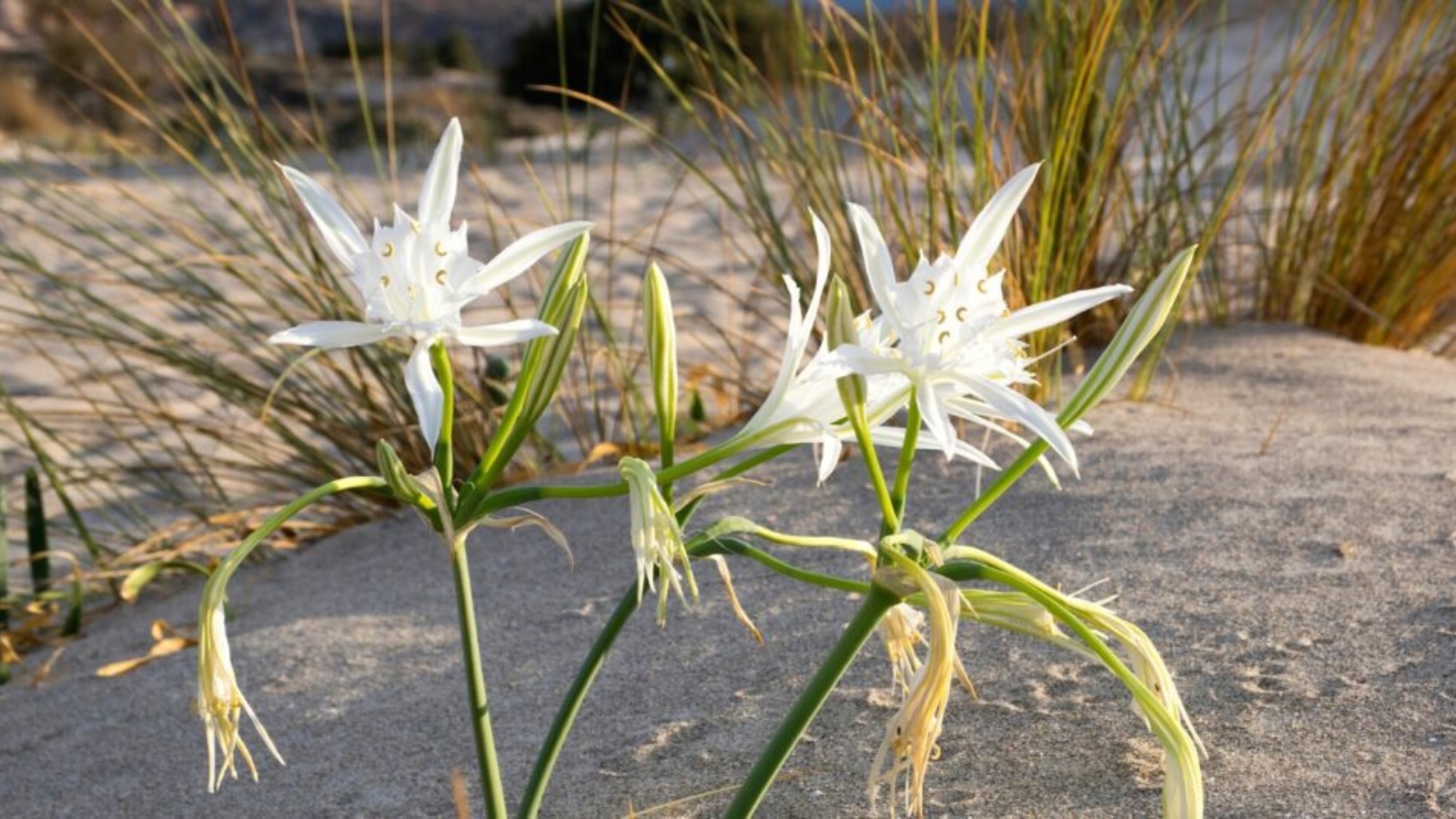
You can find gorgeous, dark green-leaved, white flowering Sea Daffodils on coastal sand dunes on Mediterranean coasts. It doesn’t grow inland and can only be found in clusters on sandy beaches. In locations where the Sea Daffodil thrives in nature, picking it is illegal and punishable by law. Because of tourism, this stunning plant is facing extension.
Vulsa

|
|
botanical name Brugmansia vulcanicola |
|---|---|
|
|
plant type Perennial shrub or tree |
|
|
sun requirements Partial sun |
|
|
height 13 feet |
|
|
hardiness zones 9 |
The Vulsa plant is considered to be the rarest Brugmansia variety. This beautiful plant is rarely for sale, it’s hard to get your hands on it. It is thought to be a naturally-occurring hybrid of B. sanguinea and Brugmansia vulcanicola. Its salmon-colored blooms appear throughout most of the year, but each flower only lasts for one week on the tree.
Yellow Lady Slippers Orchid

|
|
botanical name Orchidaceae |
|---|---|
|
|
plant type Perennial |
|
|
sun requirements Partial sun |
|
|
height Up to two feet tall |
|
|
hardiness zones 2-6 |
Yellow Lady Slippers Orchid produces a large flower with a light to dark yellow (occasionally white) pouch-shaped labellum that occasionally has red spots on its inside. This plant has up to five stem leaves and thin hairs covering both its stem and leaves.
Once established, Yellow Lady Slippers Orchid will propagate on their own and live for many years if left undisturbed. However, a picked lady slipper will not rejuvenate itself and has a less than 5% transplant success rate. Because of this, it is either frowned upon or illegal to dig up a Yellow Lady Slippers Orchid.
Youtan Poluo

|
|
botanical name Ficus racemosa |
|---|---|
|
|
plant type Parasitic flower |
|
|
sun requirements Full sun |
|
|
height 1mm in diameter |
|
|
hardiness zones Unknown |
Youtan Poluo is a tiny parasitic flower that was actually found growing on an aroid palm leaf. Youtan poluo, often mistaken as lacewings eggs, is one of the rarest flowers in the world and is extremely challenging to spot. Even when the Youtan Poluo is at its largest size, it is only 1mm in diameter.
These delicate and fragile flowers depend on other leaves for food, giving them an incredible lifespan.
This nearly microscopic flower is believed to bloom once in 3000 years and is said to mark the coming of a royal king.
Wrap Up
There are some incredible flowers to be found in nature. Some flowers on this list are endangered or even extinct in the wild. Other man-made flowers, such as the Juliet Rose, are rare because they aren’t found naturally in the wild. In some cases, like with the Jade Plant, there is a decrease in available pollinators.
With flowers that resemble animals, humans, or other identifiable objects, their rarity comes from the desire to own them. So, with a little patience and research to find a specialty grower, you can own one of these unique plants. One thing all of these flowers have in common, aside from their rarity, is their distinctive beauty that is unlike anything else.


