23 Vegetables and Companion Plants Perfect For Sowing in July
July might seem a little late for starting vegetables, but there are still a few crops you can get in the ground, depending on your climate. Gardening expert Madison Moulton shares 23 vegetables and their companions that can still give you a productive harvest when sown in July.


Contents
Most gardeners think of July as a maintenance month. You’re probably focusing on watering, weeding, and harvesting spring veg. But if you’re itching to plant something new, July is a good time for starting crops that will carry you through fall (and even into early winter in many areas).
Summer sowing takes advantage of warm soil for quick germination while giving plants time to establish before cooler weather arrives. Many vegetables can perform better when started in summer heat rather than struggling through cool spring conditions, if your spring weather is particularly erratic.
To get it right without wilting, sad seedlings, you need to know which crops handle summer sowing and understand the timing for your specific zone. Here are 23 vegetables you can sow in July.


Tokyo Long White Bunching / Scallion Onion

Tokyo Long White Bunching / Scallion Onion Seeds
Tomatoes

If you live in zones 3-9, July tomato planting can give you a great early fall harvest. Northern gardeners in zones 3-6 should stick with fast-maturing varieties, while southern zones have more flexibility in variety selection.
Determinate varieties are the best vegetables to sow in July. Cherry tomatoes like ‘Cherry Falls’ are a great choice, ready to harvest in just two months. The temperature respite that arrives in September can also improve flavor development.
Young seedlings need protection from intense sun. A simple shade cloth prevents heat stress while plants establish, which can be removed later.
For companions, basil is a classic choice and handles July planting well too. Marigolds planted throughout the tomato bed can help with pest control, while nasturtiums attract beneficial insects that prey on tomato pests.
Eggplant

Heat-loving eggplant is an ideal vegetable to sow in July in many areas. Zones 5-10 will have success, though gardeners in zones 5-6 should choose compact varieties that will mature quickly before cold comes in.
These plants hate cool soil and can struggle in areas with extreme spring weather. July-sown eggplant establishes quickly in warm conditions and hits peak production later in the season. Compact varieties like ‘Jewel Amethyst’ mature faster and are great for small spaces.
Plant eggplant near peppers and tomatoes since they share similar growing requirements. Just watch out for the common pests and diseases these plants share. Oregano and thyme make excellent herbal companions too.
Peppers

Sweet peppers adapt well to summer sowing across zones 4-10. Hot peppers need the longer, warmer seasons found in zones 6-10. Generally, the hotter the pepper, the fussier they are about conditions.
The secret with July pepper sowing is choosing varieties that match your remaining growing season. ‘NuMex Lemon Spice Jalapeño‘ can produce harvestable fruit in just 65 days, perfect for northern zones. Also try ‘Shishito’ for shorter seasons. Most hot varieties need at least 70 days or more to develop proper heat levels.
Summer-planted peppers don’t get shocked by late cold snaps or struggle through wet spring soil. The plants establish rapidly and produce during the more pleasant fall weather when you actually want to be in the kitchen cooking.
Basil makes an excellent companion and may improve pepper flavor while deterring pests. Onions and garlic planted around the pepper bed help ward off various pests without competing for space or nutrients.
Cucumbers

July cucumber planting in zones 3-9 could produce the best crop of the year. This timing avoids many major cucumber problems while extending your season.
Summer heat makes cucumber seeds germinate incredibly quickly. The plants also establish quickly without the transplant shock that can happen in chilly spring weather. These vegetables, sown in July, experience fewer issues with cucumber beetles, powdery mildew, or bacterial wilt too.
Bush varieties work best for northern zones where season length matters. ‘Spacemaster 80‘ is a compact plant that fits anywhere. Longer-season zones can try heat-tolerant climbing varieties like the unusual ‘Armenian‘ cucumber that actually handles hot weather better than traditional types.
Radishes make good cucumber companions because they help confuse cucumber beetles. Nasturtiums attract beneficial insects too when they are in flower.
Artichoke

If you live in a warmer climate (zones 7-10), you can grow impressive fall vegetables from July-sown artichokes. Artichokes need cool weather to form buds, which makes fall production perfect in most climates. The plants establish through summer heat, then form buds when temperatures drop into the 50-60°F range.
‘Green Globe Improved‘ can form buds the first year from seed. Start seeds indoors for a head start, or direct sow in zones 9-10 where the growing season extends into winter.
Mediterranean herbs like rosemary and thyme are good companions since they appreciate similar growing conditions. Avoid planting artichokes near root crops that need frequent cultivation, as the deep roots don’t appreciate disturbance once established.
Corn

Fast-maturing corn varieties can work in zones 4-9 when planted in July, but you’ll need to choose carefully to beat frost dates. Focus on sweet varieties that mature quickly.
‘Buttergold’ matures in about 65 days, making it a viable vegetable to sow in July for most zones. Bicolor varieties like ‘Honey and Cream‘ offer excellent eating quality in a reasonable time. Check your average first frost date and count backward to ensure adequate growing time.
In July, the soil is thoroughly warm for rapid germination, and you’ll avoid corn earworm that typically lay eggs on early silks. Direct sow in blocks rather than rows for better pollination, as corn relies on wind to transfer pollen between plants.
Beans make classic companions for corn. Squash planted nearby completes the traditional three sisters planting method (though you’ll need a lot of space to get this right).
Pumpkin

Zones 3-8 can plant pumpkins in July for Halloween harvest, but timing becomes critical the further north you go. This is optimal timing for several areas since pumpkins prefer to mature in cool fall weather.
Small pie pumpkins like ‘Sugar Pie‘ mature faster than giant carving varieties. ‘Jack Be Little‘ miniatures are ready in just 95 days and make perfect decorations. If you want traditional carving pumpkins, ‘Jack O’Lantern’ needs about 105 days but stores well once harvested.
Pumpkins need space and lots of it. Each plant can spread 15 feet, depending on variety, so plan accordingly. Direct sowing works best since pumpkins hate transplant disturbance. Plant in composted soil and provide consistent moisture during establishment.
Radishes planted around pumpkins help deter squash bugs and cucumber beetles. Avoid planting near trees or tall crops that create shade, as pumpkins need full sun for proper development.
Zucchini

Summer squash like zucchini love July heat. Seeds planted in warm soil emerge within days and reach harvestable size in 50-55 days. ‘Black Beauty‘ performs excellently when this vegetable is sown in July.
Direct sowing is always best with zucchini. The large seeds germinate reliably, and plants hate having their roots disturbed. Plant in rich well-draining soil with plenty of compost worked in, and be prepared for quick growth once plants establish.
Nasturtiums are excellent companions, attracting beneficial insects while repelling squash bugs. Radishes planted nearby confuse cucumber beetles.
Radish

Quick-growing radishes can be planted almost all year round, including July. They don’t mind summer heat in most zones, though variety selection matters for July sowings.
Summer heat can make some spring radish varieties bolt quickly or develop harsh flavors. Choose reliable varieties like ‘Cherry Belle‘ or try fall daikon types like ‘Miyashige‘ that actually prefer warm germination followed by cool maturation periods.
Spring radishes are ready to harvest in 25-35 days, making them perfect vegetables to sow throughout July. They also work brilliantly as companions for slower crops, maturing and being harvested before larger plants need the space.
Beets

Heat-tolerant beets do well with July planting in zones 3-9. ‘Detroit Dark Red‘ handles temperature fluctuations well and produces excellent roots for fall harvest. ‘Chioggia’ has a beautiful striped interior and sweet flavor.
Thin seedlings soon after planting to prevent overcrowding and stunted roots. Don’t throw them away though, as the thinned baby greens make excellent salad additions. Use row covers or shade cloth if necessary and water often while they are germinating.
Onions make excellent beet companions. Lettuce and other shallow-rooted crops work well intercropped with beets since they won’t compete for root space.
Peas

Peas are not the first vegetables you may think to sow in July. But heat-tolerant pea varieties work in zones 3-8 for July planting, targeting fall harvest when cool weather returns.
‘Wando‘ tolerates warm weather better than most pea varieties. Sugar snap peas like ‘Sugar Daddy‘ also handle heat well and provide edible pods even if seeds don’t fully develop. In warmer climates, stick to varieties that specifically mention better heat tolerance.
Provide afternoon shade for pea seedlings during establishment. This temporary shade can also be moved around the garden throughout the season to provide some relief from hot afternoon sun for more sensitive crops.
Radishes again make good companions, providing a quick harvest before peas need support structures. Carrots planted nearby also won’t compete for space since they grow at different levels in the soil.
Green Onion

Bunching onions adapt to summer planting well in most zones. This gives you a continuous harvest through fall and potentially winter in mild climates. ‘Tokyo Long White’ produces quickly and handles heat well. For continuous harvest, start new seeds every 3-4 weeks through summer.
Green onions germinate reliably in warm soil and establish quickly. Direct sow and keep consistently moist until established. Thin them to about an inch apart for good bulb development, depending on how large you want them to be.
Plant green onions throughout the garden as companions for almost everything. They help deter many common pests without competing for space or nutrients.
Arugula

Arugula handles summer sowing well but develops better flavor when maturing in cooler weather. The spicy bite that arugula is known for becomes more pronounced and complex when plants mature during fall rather than struggling through summer heat. Because they mature quickly, this is best for areas with milder summer temperatures.
Arugula grows incredibly fast from seed. When you sow these vegetables in July, you can harvest baby leaves in just 21 days. Succession sow every 2 weeks throughout the month for continuous harvest. To provide some shade and rest from summer heat, intercrop with taller vegetables.
Plant arugula near tomatoes and peppers where it can benefit from light afternoon shade. Its strong flavor may help confuse pests that target other vegetables. Harvest regularly to prevent flowering and keep leaves tender.
Lettuce

Heat-resistant lettuce varieties make July planting possible in zones 2-9, though northern zones have more variety options than southern areas where only the most heat-tolerant types succeed.
‘Vivian‘ and ‘Parris Island’ romaine types handle summer heat better than most lettuce varieties. ‘Red Sails‘ leaf lettuce tolerates warm weather while providing a colorful addition to salads. Butterhead types generally struggle with summer heat regardless of variety.
Lettuce benefits the most from afternoon shade during establishment. Row covers or shade cloth prevent bolt-inducing heat stress. The goal is to get plants established during summer heat so they can thrive during cooler fall weather.
Tall plants like tomatoes or corn can provide natural afternoon shade for lettuce plantings, making them good companions.
Swiss Chard

This delicious vegetable can be sown in July in zones 3-10 and often produces continuously through fall and into winter in mild climates.
‘Celebration’ has colorful stems in reds, yellows, and oranges that brighten fall gardens. ‘Fordhook Giant‘ produces large, meaty leaves perfect for cooking. Chard improves in flavor after light frosts, making it ideal for fall harvest.
Chard seeds are large and easy to handle, germinating reliably in warm summer soil. Direct sow and thin to final spacing once plants establish. Unlike many greens, chard tolerates some drought once established, though consistent moisture produces better leaf quality.
Plant chard near other heat-tolerant crops like peppers and eggplant. Its colorful stems make it attractive enough for ornamental borders.
Brussels Sprouts

Long-season Brussels sprouts perform well with July planting in zones 3-8, giving them time to establish before developing sprouts during cool fall weather. They are hardy to 10°F, and an early frost actually improves the flavor.
Brussels sprouts need cool weather to develop proper sprout formation. They can experience summer heat, but this should be followed by fall cooling to produce the best quality sprouts. Adjust your timing to get it right. They mature in 85–110 days.
Plant Brussels sprouts with other brassicas for efficient pest management. Nasturtiums help attract beneficial insects that prey on cabbage worms.
Carrots

Short carrot varieties work well for summer sowing in mild weather as they mature quickly. For longer seasons, ‘Danvers 126‘ produces excellent fall carrots with improved sweetness.
Carrot seeds need consistent moisture for germination, which can be challenging in summer heat. Cover seeded areas to maintain moisture, removing once seedlings emerge. Light frosts can improve carrot flavor by converting starches to sugars.
Onions make classic carrot companions, helping deter carrot flies. Radishes planted in the same rows germinate quickly and help mark slow-germinating carrot rows. Avoid planting near dill.
Cauliflower

Although they are known as cool-season crops, heat-tolerant cauliflower varieties like ‘Twister’ work for July planting in zones 3-8, though this crop requires consistent care. The key is getting plants established during summer so they can form heads during cooler fall weather when quality is typically better.
Start cauliflower indoors for transplanting rather than direct sowing, as the plants need consistent conditions during establishment. Provide afternoon shade during the hottest part of summer and maintain consistent soil moisture.
Use companion herbs like thyme and rosemary to help deter cabbage worms. Avoid planting near strawberries or peppers.
Kale

This cold-hardy green may seem like a spring or fall-only crop, but in zones 2-9, establishing in August can lead to prime development as temperatures drop later in the year. ‘Redbor‘ in particular handles temperature extremes well.
Kale seeds germinate quickly in warm soil and plants establish rapidly once past the seedling stage. Direct sow or transplant, depending on how much protection the young plants need from outdoor conditions. After summer, these July-sown vegetables improve in flavor and tenderness after experiencing cold weather.
Plant kale with other brassicas or use it as a companion for taller crops that can provide light afternoon shade. Its attractive foliage makes it suitable for ornamental borders.
Potatoes
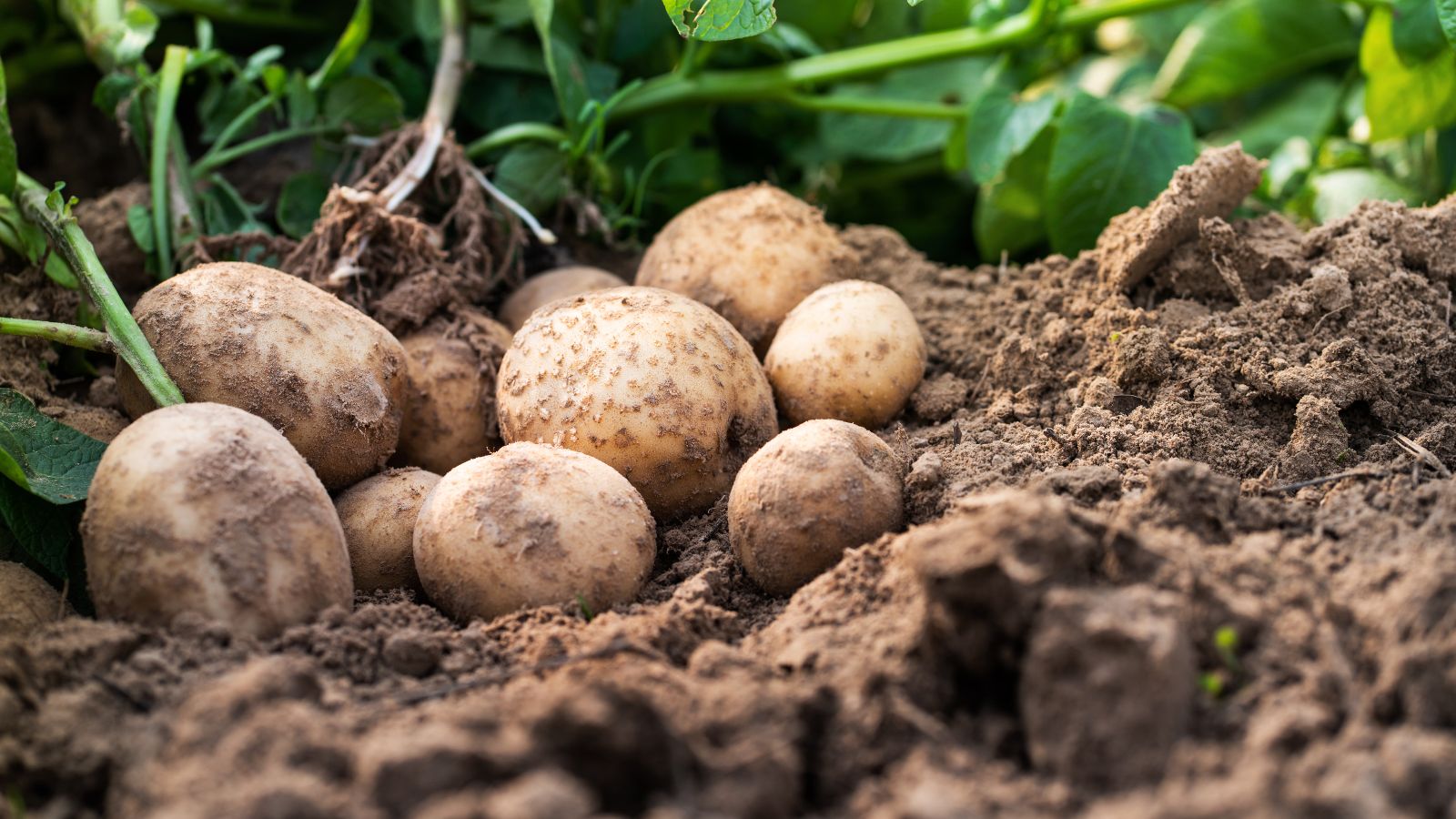
Did you know you can grow potatoes from seeds? July is the ideal time to sow the vegetable seeds of varieties like ‘Clancy’ for a fall crop.
Summer planting means rapid emergence and growth, but plants need consistent moisture during hot weather. Mulch heavily to keep soil cool and retain moisture. They perform better when started indoors rather than direct sown.
Beans make good potato companions, fixing nitrogen over time while growing vertically to avoid competing for space. Marigolds help deter various potato pests. Avoid planting near tomatoes, peppers, or eggplant, which share common diseases.
Basil

They may not be ‘vegetables’ to sow in July, but there are several herbs that should be a staple of vegetable gardens in summer, starting with basil. Heat-loving basil thrives with July planting in most zones. Warm July soil promotes rapid germination and vigorous growth. Basil planted now often outproduces spring plantings because it establishes without weather-related stress.
Direct sow after soil reaches 70°F. Pinch flower buds regularly to maintain leaf production and prevent plants from declining after flowering.
Plant basil throughout tomato beds where it may improve tomato flavor while deterring pests. It also works well near peppers and eggplant with similar growing requirements.
Cilantro

This cool-season herb can still be planted in July, as long as your summers are mild. In extremely hot weather, cilantro tends to bolt. Choose varieties that resist flowering longer than standard cilantro, extending your harvest period.
Cilantro has a taproot that doesn’t transplant well, so direct sow where you want plants to grow. Succession sow every 2-3 weeks for continuous harvest. Light shade during establishment helps prevent heat stress.
Plant cilantro near tomatoes, peppers, and other warm-season crops where it can benefit from light afternoon shade. Its strong scent may help confuse pests that target other plants.
Parsley

Both flat-leaf and curly parsley adapt well to July planting, establishing during summer warmth and then producing continuously through fall and often winter, depending on your climate.
Parsley seeds germinate slowly, so start them indoors where you can control conditions if your summers are quite hot. These plants prefer rich, consistently moist soil and can tolerate light shade.
Plant parsley throughout vegetable gardens as a beneficial companion. It attracts hoverflies and other beneficial insects. The deep taproot doesn’t compete with shallow-rooted crops.


