15 Weed-Fighting Ground Cover Plants That Spread Naturally
Weeding large areas gets old fast, especially when you're fighting the same weeds over and over. Ground cover plants offer a better approach, spreading naturally to crowd out weeds while providing low-maintenance coverage. Gardening expert Madison Moulton shares the best spreading plants that do the work for you.


Contents
Spending every weekend pulling weeds isn’t most people’s idea of fun gardening. There’s got to be a better way than constantly battling weeds, especially in larger areas where hand weeding becomes a major time commitment.
The solution is working with nature instead of against it. Weed-fighting ground covers spread naturally to fill space, creating dense coverage that weeds simply can’t penetrate. Once established, these living mulches maintain themselves while providing attractive foliage or flowers (or both).
If you choose varieties that spread reliably in your conditions without becoming invasive problems themselves, you won’t have to worry about weeds anymore. Instead, you’ll have beautiful, low-maintenance areas that take care of themselves year after year.
Creeping Phlox

This hardy weed-fighting ground cover is packed with small flowers in pink, purple, white, and blue for about a month in spring. After blooming, the needle-like foliage forms dense mats that weeds struggle to penetrate.
It spreads steadily but not aggressively, making it perfect for areas where you want coverage without constant expansion. The ground cover handles drought well once established and actually prefers poor soil (rich conditions make them leggy).
Creeping phlox works best on slopes where grass won’t grow and mowing is difficult. It also softens hard edges around walkways and driveways naturally.
Ajuga

Here’s a weed-fighting ground cover that earns its place in multiple ways. Ajuga produces spikes of blue, purple, or white flowers in spring, but the real attraction is the colorful foliage that looks good all season. You’ll find varieties with green, bronze, purple, or variegated leaves that brighten shaded areas.
It spreads quickly via runners, filling space faster than many other ground covers. This can be an advantage or a problem, depending on your situation. In large areas where you want quick coverage, ajuga delivers. In smaller, more controlled areas, you might need to contain it occasionally.
This ground cover handles foot traffic reasonably well, making it useful for informal pathways in woodland gardens.
Pachysandra

If you’ve got a shady area where grass gives up, pachysandra might be your ideal weed-fighting ground cover. It forms dense colonies of glossy green leaves that stay attractive year-round. Small white flowers appear in spring, but the foliage is really the main event.
Pachysandra prefers shade and consistent moisture, thriving in conditions that challenge many other plants. It spreads via underground runners, gradually filling available space without being pushy about it.
The main downside is that it can look tired by late winter, especially after harsh weather. A light raking in early spring removes any damaged leaves and tidies up the ground cover.
Wild Ginger

Native plant enthusiasts will love wild ginger (Asarum canadense). This North American native forms large spreading colonies in shaded areas, creating lush weed-fighting ground cover that looks completely natural in woodland settings.
The small flowers appear at ground level in spring (you’ll need to look for them since they hide under the foliage). But honestly, the attractive leaves provide enough interest that flowers are just a bonus.
Wild ginger prefers rich, moist soil and shade, making it perfect for areas under trees where many other plants struggle. It spreads at a moderate pace, giving you good coverage without becoming invasive.
Vinca Minor

Also called periwinkle, vinca minor is a classic weed-fighting ground cover with trailing stems and glossy evergreen leaves. Flowers appear mainly in spring but continue sporadically through the season.
This European native adapts to a wide range of conditions, from deep shade to partial sun, and handles drought better than many ground covers once established. It spreads via trailing stems that root where they touch the ground.
Vinca minor can become aggressive in ideal conditions, so consider your long-term plans before planting. It’s excellent for large areas where you want reliable coverage, but might overwhelm smaller spaces.
Sweet Woodruff

Cottage gardeners have treasured sweet woodruff for centuries, and it’s easy to see why. The whorled leaves create an attractive texture, while small white flowers appear in late spring. The entire plant releases a sweet fragrance when crushed.
It spreads nicely in shaded areas with consistent moisture, forming dense mats that weeds find hard to penetrate. The foliage often persists through mild winters, providing some evergreen coverage.
Sweet woodruff has a long history of culinary and medicinal uses, though it’s primarily grown as an ornamental these days. The fragrant leaves were traditionally used to flavor wines and teas.
Dead Nettle

Dead nettle might have an unfortunate common name, but it’s actually quite attractive. The silvery variegated foliage brightens shaded areas all season, while small flowers appear from spring.
Lamium spreads at a moderate pace, filling space without becoming overwhelming. It handles dry shade better than many other weed-fighting ground covers, making it valuable for challenging spots under mature trees.
The colorful foliage provides interest even when flowers are absent. Some varieties have particularly striking silver markings that can light up dark corners of the garden.
Sedum
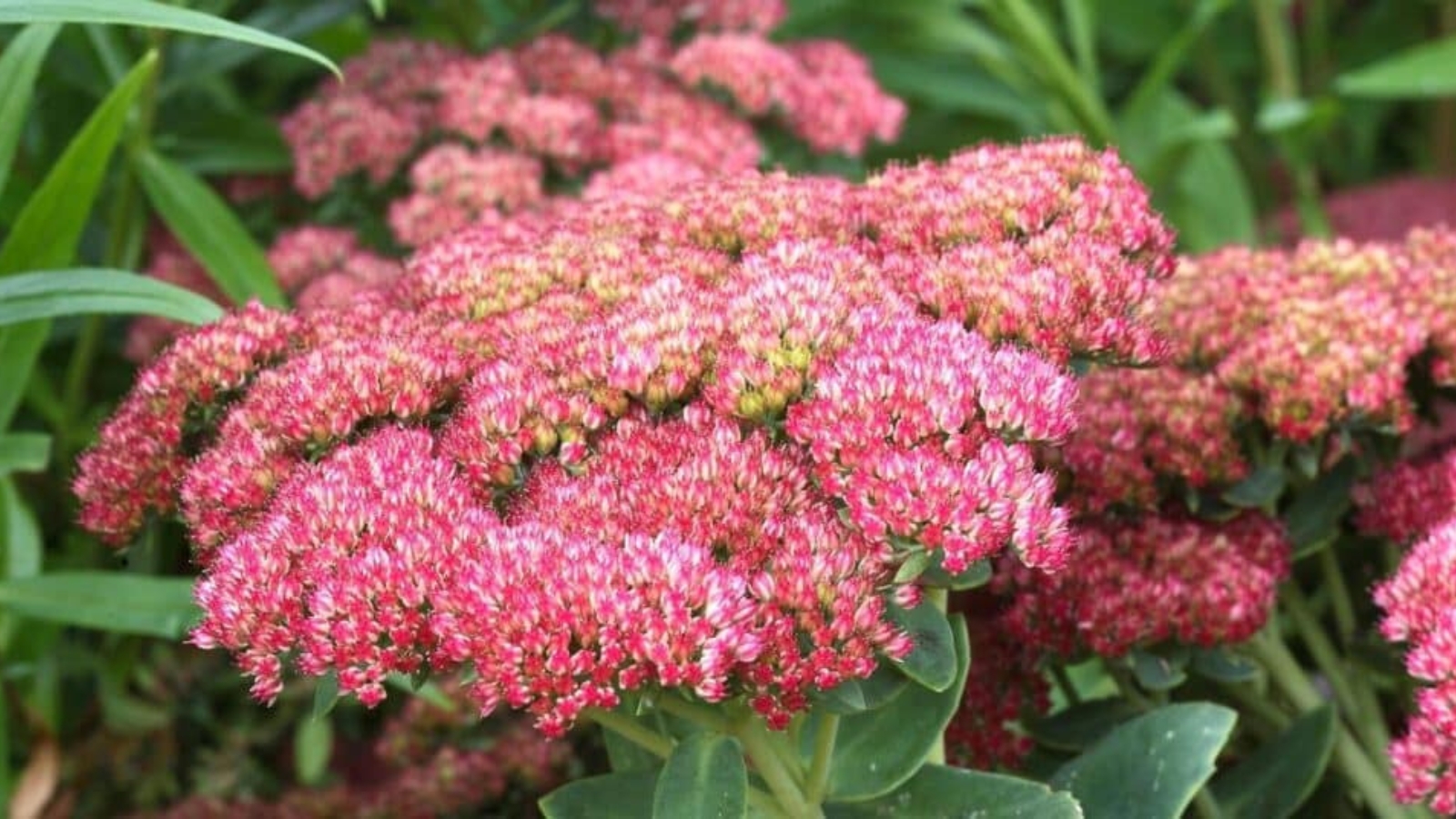
Low-growing sedums create a unique weed-fighting ground cover with their succulent foliage and drought tolerance. There are many ground cover species to choose from, with variety in shape and texture that add interest year-round.
Spreading sedums handle extreme conditions that would stress other plants, like drought, poor soil, and intense sun. They’re perfect for areas where you want coverage but can’t provide regular watering.
The succulent nature means they store water in their leaves, allowing them to survive extended dry periods. Just don’t plant them in areas that stay wet, as they’ll rot quickly in soggy conditions.
Mazus

This lesser-known ground cover deserves more attention for its reliable spreading habit and attractive flowers. Mazus produces small purple or white flowers with yellow throats from spring through summer, creating a carpet of color in partially shaded areas.
The plants spread via runners, filling space at a steady pace without becoming aggressive. They handle light foot traffic well and can even be used as lawn alternatives in small areas.
Mazus prefers consistent moisture but adapts to various soil types. It’s particularly useful in areas that are too wet for many other ground covers.
Thyme

Culinary herbs that double as ground cover. What more could you ask for? Creeping thyme forms dense, aromatic mats that release fragrance when walked on. Small flowers in pink, purple, or white attract bees and butterflies.
Different thyme varieties offer various growth habits and fragrances. Some stay very low and tight, while classic English thyme forms slightly looser mats. All handle drought well once established and prefer full sun.
The aromatic foliage provides a bonus harvest for cooking, making this weed-fighting ground cover both beautiful and useful. It’s also deer-resistant, which helps in areas where browsing is a problem.
Winter Creeper

This evergreen vine works well as ground cover in areas where you want year-round coverage. The small, glossy leaves often develop purple tints in winter, providing seasonal interest. It climbs if given support, but spreads horizontally when used as ground cover.
Winter creeper adapts to sun or shade and various soil conditions once established. It spreads via trailing stems that root along their length, gradually filling available space.
The main consideration is that it can become quite vigorous in ideal conditions. Make sure you want permanent coverage before planting, as it can be difficult to remove once established.
Virginia Creeper

This native vine makes excellent weed-fighting ground cover when allowed to spread horizontally instead of climbing. The compound leaves create lush coverage through the growing season, then put on a spectacular fall display in brilliant reds and oranges.
Virginia creeper adapts to almost any condition, from full sun to deep shade, wet or dry soil. It spreads via both underground runners and surface stems that root where they touch the ground, filling space quickly.
The main consideration is filling space too quickly. This ground cover spreads and can be tough to remove. It’s perfect for large problem areas like steep slopes or spaces under mature trees where nothing else thrives. Just make sure you want permanent coverage, as it can overwhelm smaller plants nearby if left unchecked.
Bunchberry

Bunchberry has oval leaves topped by adorable white flowers in late spring, followed by clusters of bright red berries that wildlife love. The entire plant rarely exceeds 8 inches tall, creating perfect low coverage.
This weed-fighting ground cover spreads slowly via underground rhizomes, forming colonies that expand gradually over time.
Bunchberry shines in woodland settings where you want something special without high maintenance. The berries add late-season interest, and the foliage often develops attractive fall color before going dormant. It’s not the fastest spreader, but the results are worth the patience.
Creeping Juniper

If you need weed-fighting ground cover that handles extreme conditions, creeping juniper delivers reliability you can count on. The needle-like evergreen foliage creates dense mats that stay attractive year-round while completely suppressing weeds underneath.
Different varieties offer various colors and textures, from blue-green to golden tones. All spread horizontally via trailing branches that root along their length, gradually expanding to cover substantial areas. They handle drought, poor soil, and harsh weather once established.
Creeping juniper works particularly well on slopes where erosion is a concern and in areas too dry or exposed for other ground covers. The main drawback is that it can look somewhat formal compared to softer alternatives, but for tough spots where you need guaranteed coverage, it’s hard to beat.
Liriope

This grass-like ground cover combines the best of both worlds: attractive foliage that looks good all season, plus spikes of purple or white flowers in late summer when most other plants are winding down. The arching leaves create uniform coverage that weeds find difficult to penetrate.
Liriope spreads via underground runners at a moderate pace, filling space without becoming too aggressive. It handles a wide range of conditions, from full sun to partial shade, and tolerates both drought and occasional flooding once established.
The evergreen foliage provides year-round structure. It’s particularly useful as edging along walkways or massed under trees where grass struggles. The late-season flowers are just a bonus on top of reliable, low-maintenance performance.


