

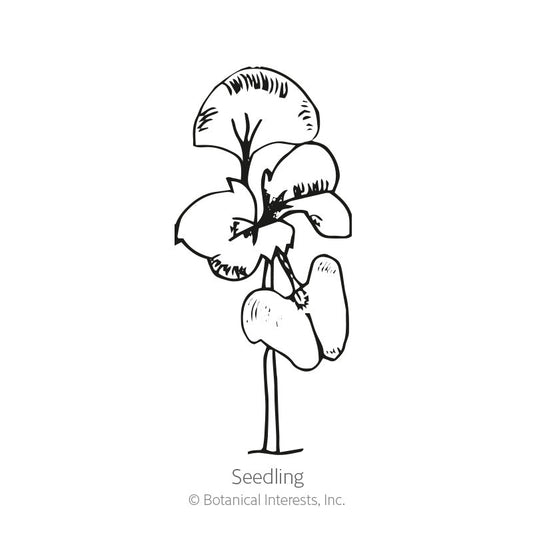

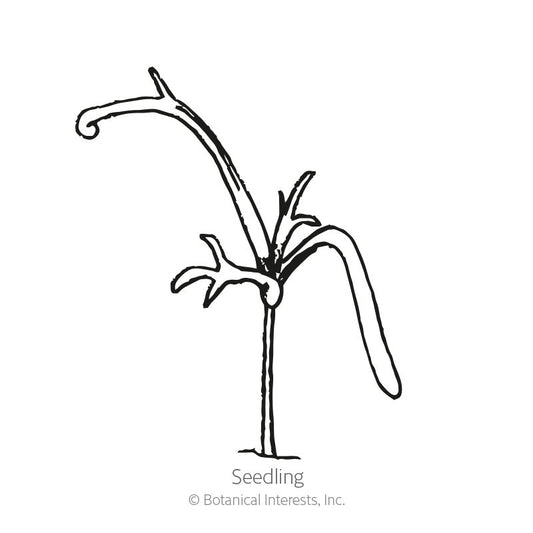

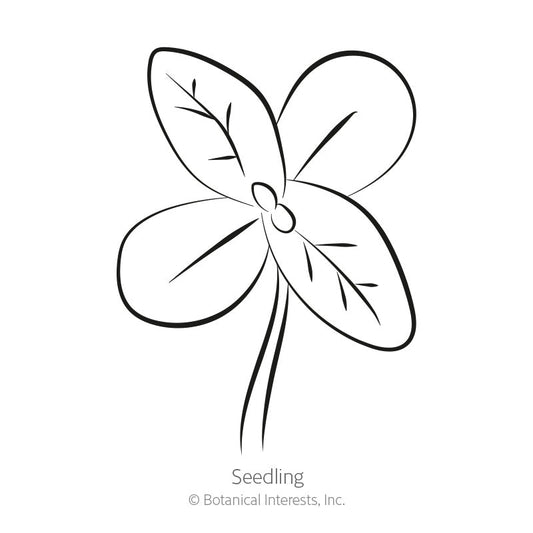



- Variety Info
- Sowing Info
- Growing Info
- Learn More
Variety Info
Family: Apocynaceae
Native: Eastern U.S., Canada, and Northern Mexico
Hardiness: Perennial in USDA zones 3 and warmer
Exposure: Full sun
Bloom Period: Summer
Plant Dimensions: 24"–36" tall
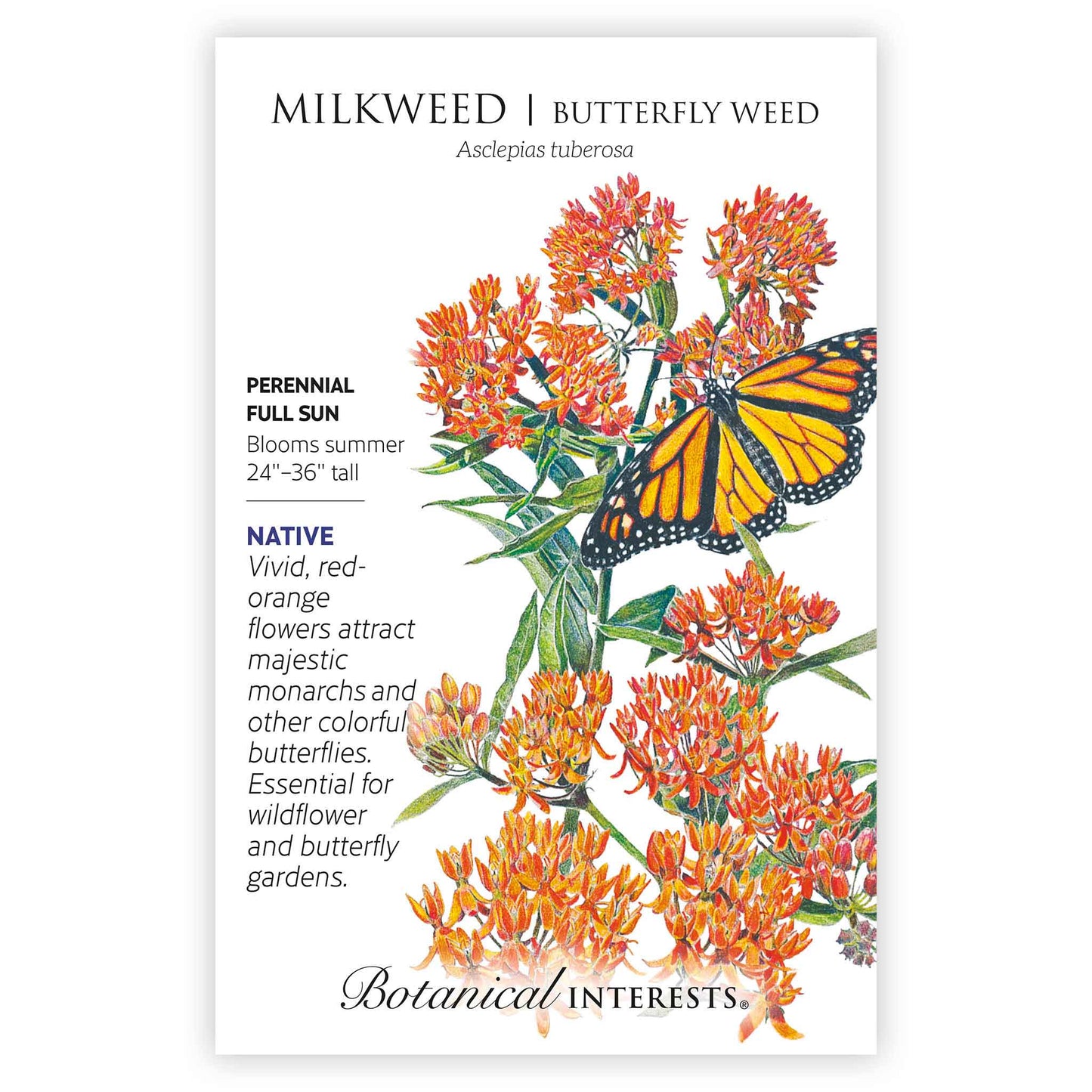
Variety Info: Individual flowers ½", borne in brilliant red-orange clusters.
Attributes: Attracts Butterflies, Attracts Pollinators, Drought Tolerant, Deer Resistant

Sowing Info
When to Sow Outside: 2 to 4 weeks before your average last frost date, or in the fall for spring germination.
When to Start Inside: 6 to 8 weeks before your average last frost date.
Days to Emerge: 14–28 days
Seed Depth: ¼"
Seed Spacing: A group of 3 seeds every 12"–24"
Thinning: When 3" tall, thin to 1 every 12"–24"
Your hardiness zone is
Growing Info
Harvesting: For longest vase life, harvest flowers in the morning, choosing blooms that are 1/2-2/3 open. Place in water, allowing the latex within the stems to dissipate in the water, then change the water. Wear gloves; milkweed sap can cause skin and eye irritation and can be toxic if ingested.
- linda g.Verified BuyerRated 5 out of 5 stars12/7/25overwintering seeding
happy to find someone who had exactly what I wanted and that I know their seed will grow
Which best describes you as a gardener? IntermediateBIBotanical Interests12/7/25Hey Linda,
Thank you so much for taking the time to share your experience with our Milkweed/Butterfly Flower Seeds! We're absolutely thrilled to hear that we had exactly what you were looking for - there's nothing better than finding the perfect match for your gardening plans! Your confidence in our seed quality means the world to us, and we're so excited that you're planning some overwintering seeding with these beauties. Milkweed is such an incredible choice for supporting our butterfly friends, and we just know your garden is going to be buzzing with life come spring! Thanks for trusting us with your growing journey. Keep on growing 🌻️
- OwenCA, United StatesVerified BuyerRated 4 out of 5 stars6/2/25Monarchs like it
Usually have 1-2 monarch visit daily
Which best describes you as a gardener? IntermediateWho do you grow for? YourselfHow do you prefer to grow? Container - YvonneVerified BuyerRated 5 out of 5 stars4/19/255 Stars
If you want to help monarch butterflies, this variety is the best.
- Jovanne S.Rated 1 out of 5 stars4/6/251 Star
My issue is that there is not enough details about native origins of milkweed provided by BI. For those who are trying to raise or help the native Monarchs it would be helpful if the site went into greater detail on native species. The tropical verity is harming the wildlife. Show that you care and help those who want to better their gardens. I regret purchasing these seeds.
depending on your location it’s always best to check for native milkweed of your state here in California it’s the narrowleaf Asclepias fascicularis.
Feeding monarchs on tropical milkweed (Asclepias curassavica) can be detrimental to their health and migration, as it encourages breeding outside their natural migratory cycle and can harbor a parasite that can harm them.
- Lauren A.Verified BuyerRated 5 out of 5 stars12/2/245 Stars
I haven’t planted these yet but happy with the selection and looking forward to supporting pollinators!