How to Amend Your Soil in Fall for a Healthy Spring Garden
Fall soil amendments work with natural decomposition cycles instead of against them. These methods improve soil structure, add nutrients, and support beneficial organisms while you're not actively gardening, setting up spring beds that are ready to plant without additional work.


Contents
When there are a million gardening tasks to complete in spring, you don’t want to add amending soil to the list. You’ll be racing against planting deadlines and trying to dig amendments into ground that’s probably still cold and compacted, without enough time for those amendments to actually get to work.
Instead, it’s better to amend your soil in fall. There is much less urgency, and months ahead for amendments to break down naturally, ready for planting in spring.
Fall is also when you have the most free organic matter available. Leaves are everywhere, and cover crop seeds germinate quickly in soil that’s still warm. Here are a few ways to amend your soil in the fall for better spring gardening.
Soil Builder Peas and Oats Cover Crop

Soil Builder Peas and Oats Cover Crop Seeds
Add Compost

Compost is the first soil amendment I always recommend, no matter the season. It’s incredibly helpful when you amend soil in fall, boosting soil structure and adding nutrients over time. The microorganisms that process organic matter remain active in fall, pulling those good bits down into the soil, where they improve structure and water retention.
Apply a three-inch layer across garden beds and let it sit on the surface, like mulch. There’s no need to dig it in, as soil organisms will do that work for you over winter. Trying to till or dig amendments in fall can actually damage soil structure when conditions are less than ideal.
If you’re making your own compost, fall is when you’ll have the most material to add. Garden cleanup produces tons of organic matter that can go straight into compost bins or directly onto beds if it’s disease-free. Just make sure you’re balancing browns and greens for quick decomposition and a balanced nutrient profile.
Leave Leaves

Although you may be itching to tidy up the fallen leaves around your garden, they are there for a reason. So either put the rake away or put it to good use, directing the leaves where they can be most helpful. Besides, fall leaves provide critical shelter to overwintering bumblebee queens and a multitude of other beneficial insects.
Whole leaves left on garden beds act as mulch through winter, then break down by spring. This is the way forests build soil naturally, and you can take advantage of the same process in your garden. Leaf litter accumulates, decomposes, and creates the rich, crumbly soil that woodland plants thrive in.
Shred leaves before spreading them if you’re worried about matting. A lawn mower works perfectly for this (just run over leaf piles a few times and spread the pieces). Shredded leaves decompose faster and are less likely to form impenetrable mats that prevent spring growth.
Use Leaf Mold

Leaf mold is the mature version of using fallen leaves, in that it takes a few years to make. Leaf mold consists of leaves that have decomposed for one to two years into a dark, crumbly material that looks like soil. It’s different from compost, as leaf mold is pure decomposed leaves with no other materials added.
Making leaf mold to amend soil in fall requires almost no effort, but a lot of time. Pile leaves in an out-of-the-way corner, dampen them occasionally, and wait. After a year or two, you’ve got one of the best soil amendments available. The resulting material improves soil structure dramatically and holds moisture better than almost any other amendment.
Spread finished leaf mold on beds in fall just like compost. It’s particularly valuable for clay soils where you need better drainage, or sandy soils that don’t hold water well.
Mulch with Straw

Straw is another great organic mulch to amend soil in fall. A layer several inches thick prevents winter erosion and breaks down slowly to add organic matter to the soil. If you source correctly, the straw doesn’t contain seeds that will sprout everywhere in spring.
This works particularly well for vegetable gardens where you want clean planting areas in spring. The straw suppresses winter weeds while protecting the soil. Then you can rake it aside for planting or work small amounts into the soil if it’s partially decomposed.
Keep straw away from crowns and tree trunks. While it’s great for mulching empty beds, piling it against plant stems directly can cause rot and create habitat for rodents that might damage plants over winter.
Add Worm Castings

Worm castings are essentially worm manure, and they’re incredibly rich in nutrients that plants can access immediately. Setting up a simple worm farm gives you an endless supply of this valuable soil amendment.
And a little goes a long way. A thin layer across beds or worked into the top few inches of soil provides significant benefits. The microorganisms in worm castings help break down other organic amendments you’re adding, speeding up the decomposition process. They also improve soil structure and water retention (even in small quantities).
You can buy bagged worm castings, but if you have a worm farm, fall is when you’ll probably harvest the most castings. Empty bins need to be harvested before winter anyway in cold climates, so you’ve got material to use right when you need it.
Chop and Drop

This popular technique involves cutting down spent plants and leaving them right where they grew instead of hauling them to the compost pile. The chopped material acts as mulch while it decomposes, feeding the soil directly without any processing, and replicating the natural growth cycles of plants.
It works best with disease-free plants that don’t have pest problems. Tomatoes with blight or cucumbers covered in powdery mildew should still go in the trash, not on the soil. But healthy plant material generally can stay right in the bed.
Chop plants into smaller pieces for faster decomposition. By spring, most of it will have broken down into the soil.
Plant Cover Crops

Cover crops are plants grown specifically to improve soil rather than for harvest. They grow quickly in fall’s warm soil, then either die back in winter or can be cut down in spring before planting.
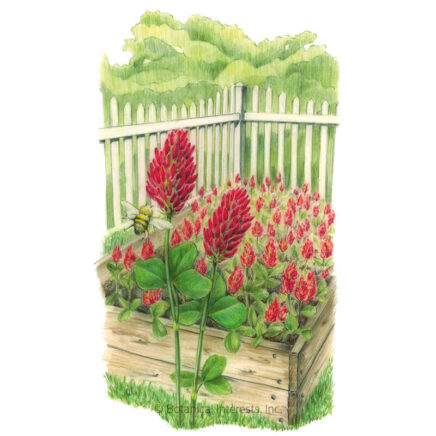
Crimson clover is a classic cover crop option to amend soil in fall. Plant anytime from late summer through fall as long as the soil is workable. If you’re in a cold climate, choose cover crops that winter-kill naturally so you don’t have to deal with removing them in spring. Oats and peas die off completely, leaving organic matter that’s partially decomposed and ready to work into beds.
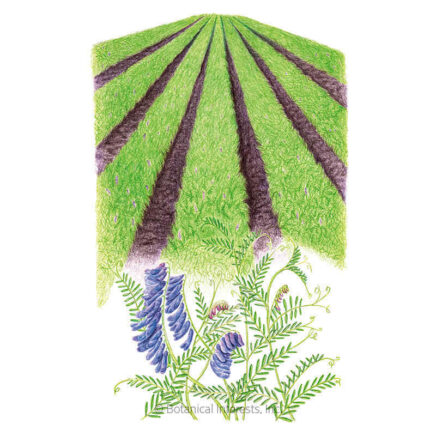
Warm climate gardeners can use cover crops that grow through winter and get cut down in spring. Hairy vetch both fixes nitrogen and produces substantial biomass for improving soil.


