13 Garden Plants You Should Prune in Fall
Fall pruning sets your garden up for healthier growth and better blooms next year. These plants benefit from autumn trimming, making your fall cleanup more productive and your spring garden more spectacular.


Contents
Fall pruning often gets a bad reputation because people worry about damaging plants before winter. But many perennials and shrubs perform better when pruned in fall rather than spring, depending on your region and the timing of upcoming frosts. Pruning now can prevent disease, improve air circulation, and eliminate winter hiding spots for pests.
Before you prune any plants in fall, you need to know which plants to prune now and which to leave alone. Some plants need their stems and seed heads for winter protection or wildlife food. Others benefit from a good fall haircut that removes diseased foliage and prepares them for vigorous spring growth.
Here are the garden plants you should definitely prune in fall, with either minor trims or complete cutbacks. Make sure you know your first frost date in advance to avoid any damage after pruning.


Roses
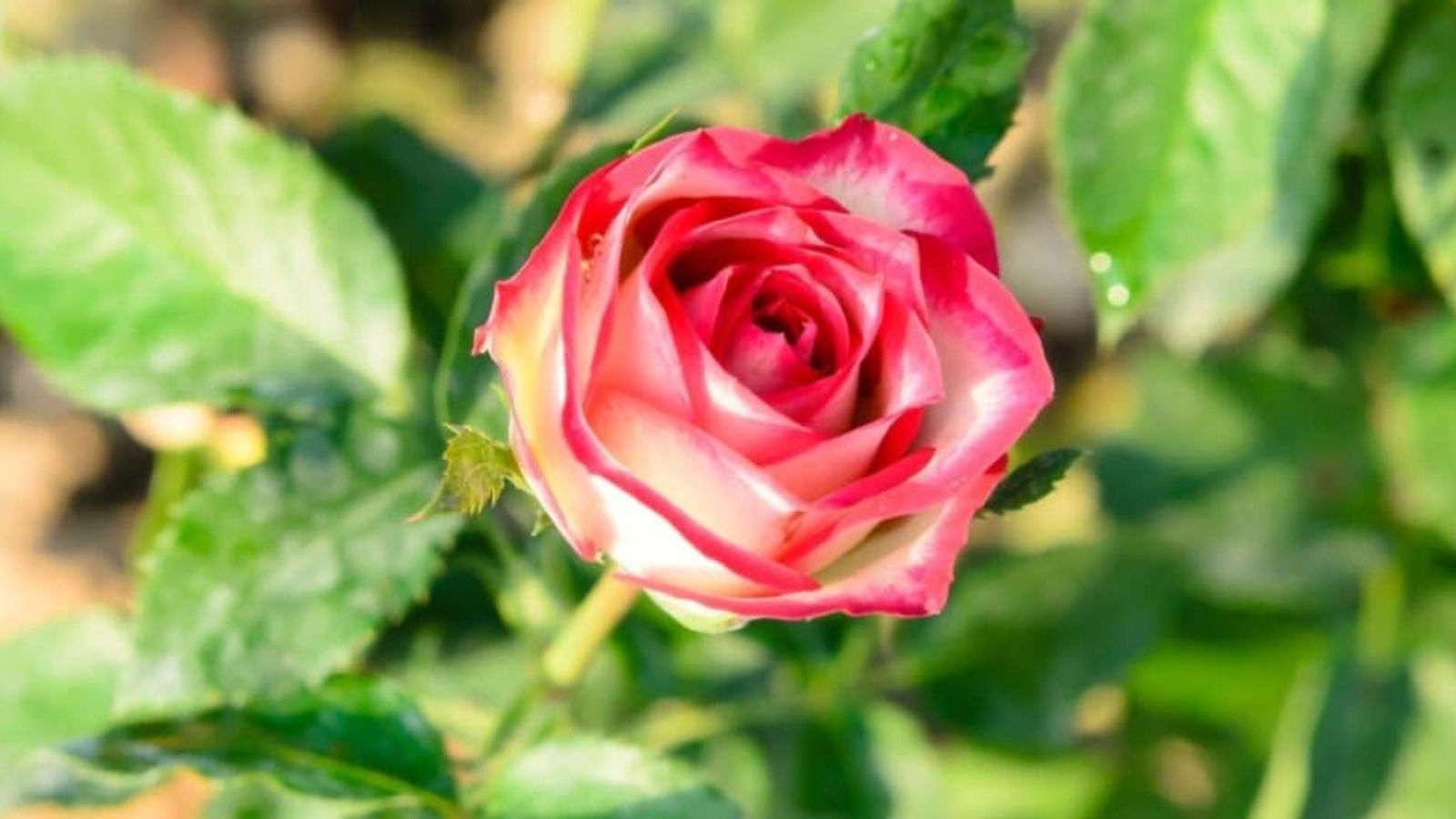
Hybrid tea roses and other repeat bloomers benefit from early fall pruning, though you don’t need to do the full spring cutting back yet. Focus on removing any diseased or damaged canes, along with weak growth that won’t survive winter anyway.
I like to cut mine back by about one-third in fall, which prevents wind damage and makes spring pruning easier. Most of my focus is on removing foliage or stems with signs of disease, as leaving them now will only make the problem worse later. Remove any leaves showing black spot or other common rose diseases.
Don’t prune once-blooming climbing roses now unless growth is really out of hand. Instead, wait until after they flower next spring. However, for repeat bloomers, fall pruning encourages better development over the winter.
Peonies
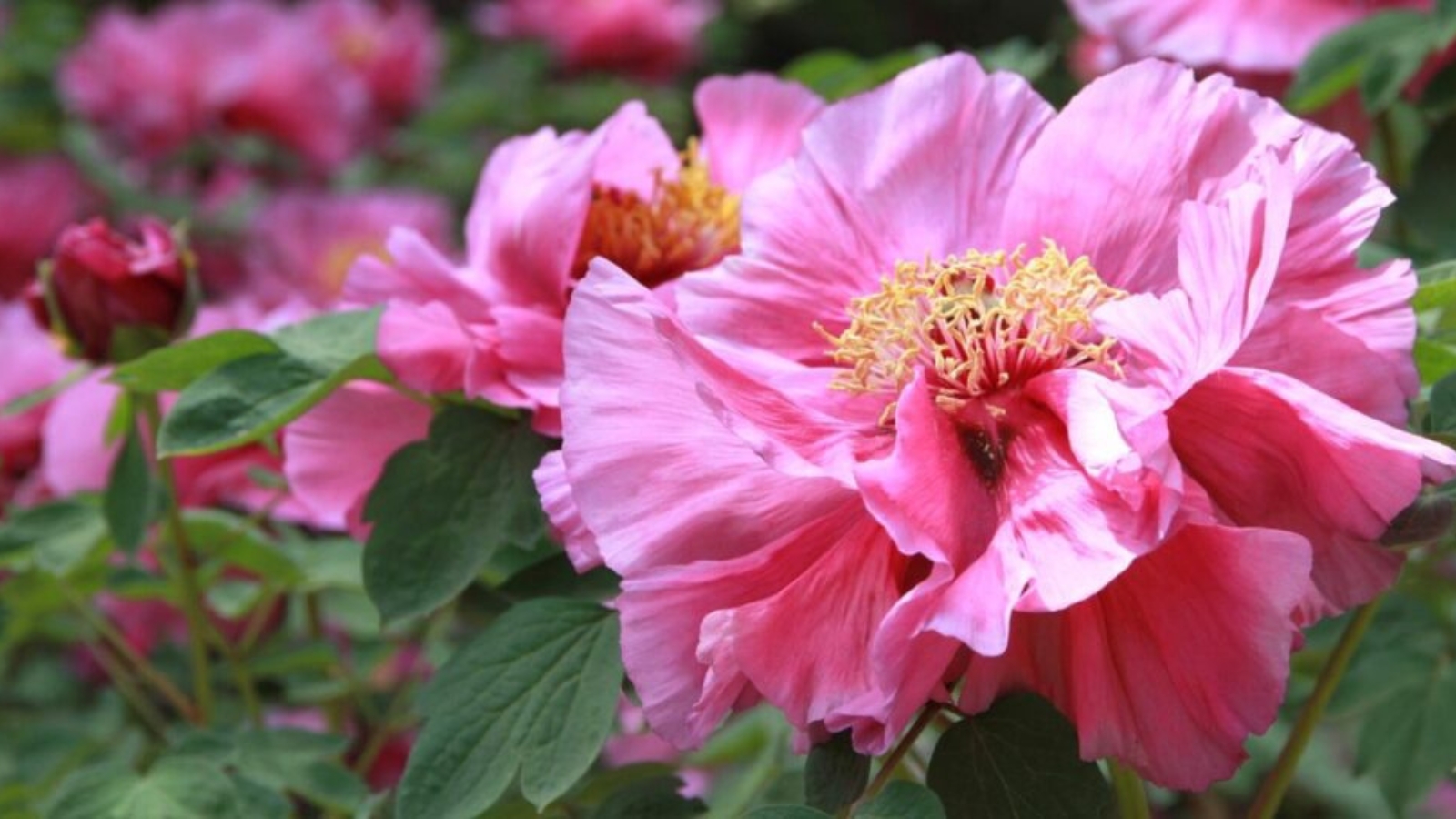
This is probably one of the most important plants to prune in fall. Peony foliage often develops fungal diseases by late summer, and leaving infected stems over winter guarantees problems next year.
Cut the entire plant back after the first frost damages the foliage. Bag and dispose of all the debris. Don’t compost it, as you’ll only end up spreading the problem. The clean slate approach prevents botrytis and other fungal issues that can ruin next year’s blooms.
Tree peonies are different. Those stay woody and shouldn’t be cut back like herbaceous types. Just remove any obviously diseased or damaged branches.
Dahlias

In zones 8 and above, you can leave dahlia tubers in the ground over winter. But the tops still need to come down after frost kills them. Cut the stems back to about 4 inches above ground level.
Those in colder zones need to dig up the tubers for winter storage. Cut the stems back to about 6 inches before digging, which makes the tubers easier to handle and clean. The shorter stems also reduce the risk of rot during storage.
Wait until first frost to cut back your dahlias. The foliage helps the tubers store energy for next year’s growth. Only trim once the leaves turn yellow or brown.
Daylilies

Daylily foliage often looks pretty rough by late summer, especially in humid climates where fungal diseases are common. Fall cleanup improves both the plant’s health and your garden’s appearance.
Cut the foliage back to about 2 inches above ground level. Or, just remove any obviously diseased foliage if you live in a milder climate where foliage still looks fine. Brown, spotted, or slimy leaves should go straight in the trash, not the compost.
Bearded Iris

Iris borers are a major problem for bearded iris, and fall cleanup is your best defense. The larvae overwinter in old foliage, so removing it breaks the pest cycle.
Cut the fan-shaped leaves back to about 5 inches above ground level. Remove any soft, mushy, or obviously borer-damaged rhizomes while you’re at it if you can spot them. This is also a good time to divide overcrowded clumps, though you can wait until spring if you prefer.
Phlox

Garden phlox is notorious for powdery mildew, especially in areas with humid summers. Pruning in fall removes infected foliage and improves air circulation for next year’s growth.
To prune these plants in fall, cut the stems back to ground level after the foliage dies back naturally. Don’t compost any obviously diseased material. This really does make a difference in preventing recurring mildew problems.
Spreading types should be left alone since they’re generally evergreen and provide winter ground cover.
Yarrow
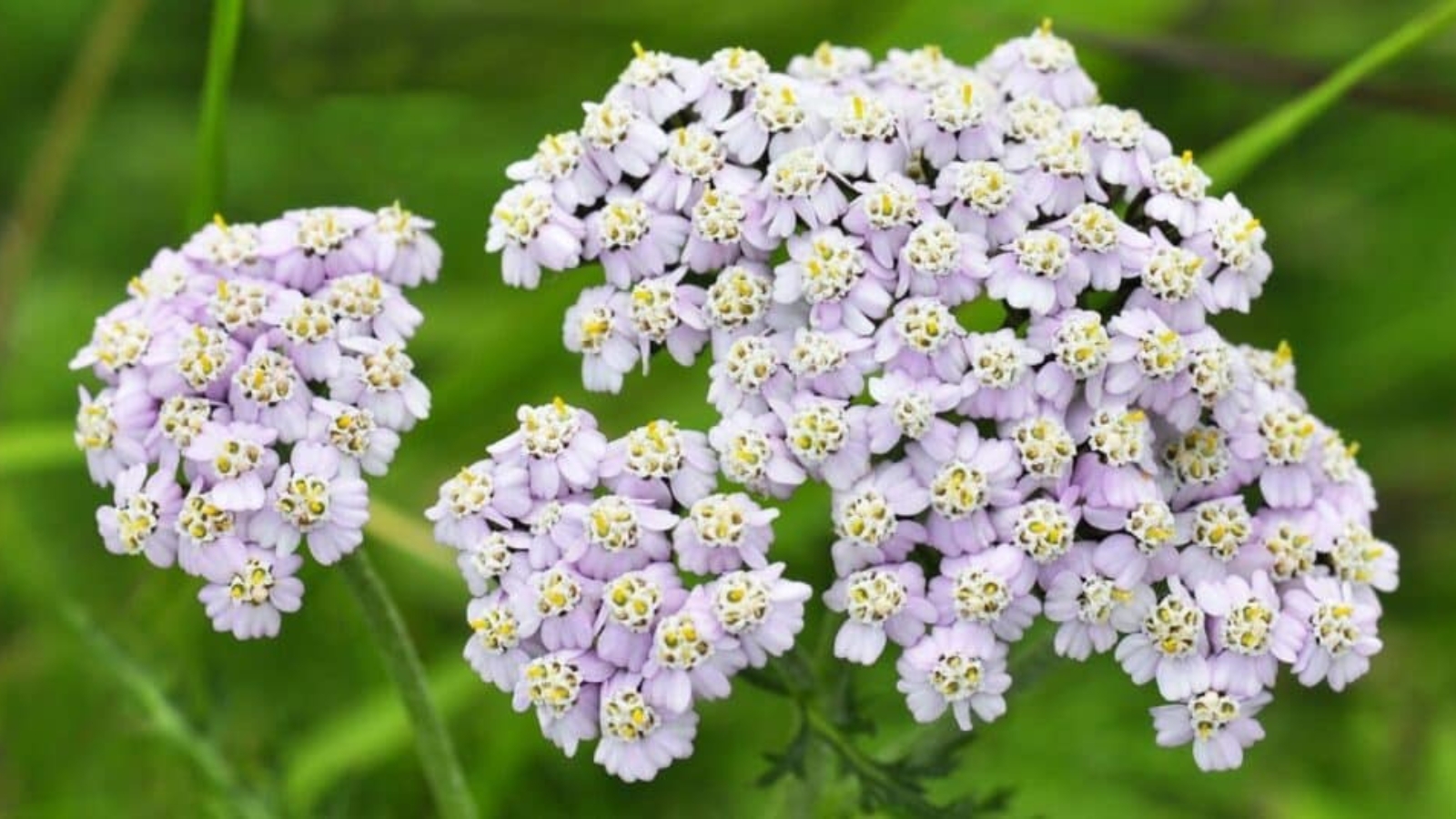
Yarrow stems can get pretty tall and floppy by fall, especially in rich soil. Cutting them back tidies up the garden and prevents the plants from self-seeding everywhere. The basal foliage often stays somewhat green through winter, providing a bit of structure without the messy tall stems.
If you want yarrow to self-seed in specific areas, leave some seed heads until spring. But for most situations, prune these plants in fall to keep things neater.
Blanket Flower

These tough native perennials benefit from fall cutting back in most climates. Remove the spent flower stems and any diseased foliage.
In very cold zones, you might want to leave some stems for winter protection. But in zones 5 and above, clean cutting usually works better for plant health and appearance.
Blanket flower often self-seeds readily, so fall cleanup also controls where new plants appear. Leave a few seed heads if you want more plants next year.
Catmint

Most catmint varieties benefit from a hard cut back after blooming winds down in late summer or early fall. Cut the entire plant back by about two-thirds to encourage fresh growth.
In mild climates, this often results in a second flush of flowers before winter. Even in colder areas, the clean foliage looks much better than the straggly summer growth.
Some gardeners cut catmint back multiple times during the growing season to keep it tidy, as it can be quite aggressive in growth. But if you haven’t done that, fall is definitely the most important pruning time.
Lavender

This one requires some regional knowledge. In mild winter areas (zones 8-10), fall pruning works well for lavender. Cut back about one-third of the growth after flowering finishes.
But in zones 7 and colder, spring pruning is usually safer. Fall cutting can stimulate new growth that gets damaged by winter cold. The old stems provide some winter protection in harsh climates.
If you do prune these plants in fall, never cut back into old wood that doesn’t have visible green growth.
Bee Balm

Bee balm spreads aggressively or often develops fungal diseases by late summer if conditions are tough. Fall cutting back controls both issues effectively.
To prune these plants in fall, cut the entire plant back to ground level after frost kills the tops. This eliminates diseased foliage and reduces next year’s pest problems. It also makes it easier to dig up and divide spreading clumps if needed.
The seed heads do provide winter bird food, so you could leave a few stems if wildlife feeding is a priority in your garden.
Hosta

Hosta leaves create the perfect slug and snail hiding spots over winter. Cutting them back eliminates these pests’ winter habitat.
Wait until after a hard frost damages the foliage, then cut everything back to ground level. Some people prefer to leave hosta foliage for winter interest in milder climates, but I find that fresh spring growth always looks better than winter-damaged old leaves.
American Wisteria

Unlike aggressive wisterias, American wisteria is well-behaved enough for most gardens. But it still benefits from fall pruning to control size and encourage flowering.
To prune these plants in fall, remove any dead or damaged wood first, then trim back the current year’s growth to manage size. This encourages the development of flowering spurs for next year’s blooms.
Summer pruning is more important for flowering, but fall pruning helps maintain a manageable size and removes potential winter damage.


