

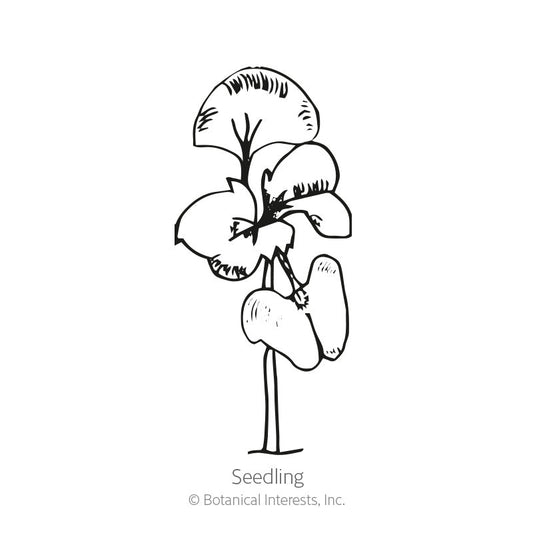

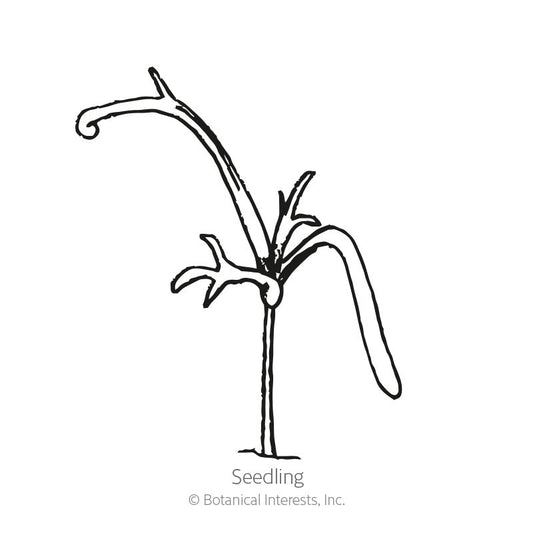

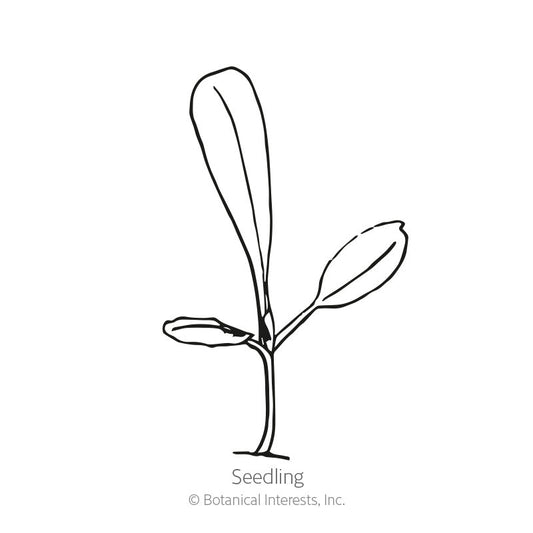


Many gardeners assume seeding a lawn is as simple as spreading grass seed (and maybe watering afterward). I know because I was one of those gardeners. And to my surprise, the result wasn’t as successful as I had hoped.
The ‘lazy’ approach might work occasionally, but it usually results in patchy, weedy lawns that never quite look right. You need to put a little more effort into it if you want the dream lawn you’re probably envisioning.
If you get the soil prep wrong, you'll struggle with germination. Plant at the wrong time, and the weather will work against you. But with these steps to seeding a grass lawn, you'll have a thick, healthy lawn that looks like it’s always been there.
You can also opt for lawn alternatives to reduce maintenance and boost pollinator activity, like the EcoEase Flowering Mix:
Step 1: Timing

Most grass types have specific windows when they germinate best, and planting outside these windows sets you up for problems.
Cool-season grasses like fescue, bluegrass, and ryegrass do best when seeded in early fall, around two months before your first expected frost. The soil is still warm from summer, but air temperatures are cooling, creating perfect conditions for germination and establishment.
Spring seeding can work for cool-season grasses, but it's trickier. You're racing against summer heat, and weeds are also germinating aggressively in spring. If you must seed in spring, do it as early as possible.
Warm-season grasses, like Bermuda, prefer late spring or early summer seeding when soil temperatures consistently reach 70°F or higher. These grasses won't germinate well in cool soil.
That’s why step one in seeding a grass lawn is to check your local frost dates and plan accordingly. Give the grass time to establish before extreme weather arrives, whether that's summer heat or winter cold.
Step 2: Prepare Your Soil

Next up is soil prep. Most grasses prefer slightly acidic to neutral soil with a pH between 6 and 7. Organic matter is important, since grass roots need good soil structure to thrive. Conducting a soil test before you start seeding a grass lawn can help you understand what you’re working with.
Heavy clay soils need organic matter worked in to improve drainage. Sandy soils benefit from compost or other organic amendments to help retain moisture and nutrients. Your soil should drain relatively well without drying out too quickly.
Step 3: Clear the Area

You can't seed a grass lawn while competing with existing plants. Everything growing in your seeding area needs to go before you start.
Smother existing vegetation with cardboard or plastic sheeting a few months before you start seeding. This is a much safer approach than using herbicides, especially if you want to protect other plants and wildlife in your garden. It takes a while, but it's worth the wait.
Remove debris like sticks, rocks, and old plant material when clearing. These create uneven surfaces and can interfere with soil contact later. Don't worry about small stones as they can actually help with drainage; just focus on the big debris.
If you're reseeding an existing lawn rather than seeding a grass lawn from scratch, you can skip the total vegetation removal. Just mow the existing grass short and rake out thatch buildup.
Step 4: Calculate Seed Requirements

Before you start seeding your grass lawn, measure your seeding area accurately. While it may be tempting, don't guess. Break complex shapes into rectangles and triangles that are easier to calculate, then add up the total square footage.
Seed package labels provide recommended seeding rates, typically expressed as pounds per 1,000 square feet. New seeding requires higher rates than reseeding existing lawns. The rates will be different depending on which grass you’re using. Buy about 10% extra seed to account for uneven application and touch-up work later.
Don't try to stretch the seed by applying it too thin. The recommended rates are based on research, and reducing them significantly usually leads to poor results. Trust the experts on this one, even if it does cost a little more.
Step 5: Broadcast the Seed

Now you’re ready to plant your grass seeds. Use a broadcast spreader for large areas, as it's faster and more consistent than hand spreading. For smaller areas, using your hands is fine as long as you’re consistent with it.
Apply seed twice in two opposite directions, using half the total amount for each pass. This ensures more even coverage and reduces the chance of missed or double-covered areas. If you’re seeding by hand, make sure to overlap your throwing pattern and try to maintain consistent spacing.
Don't seed on windy days, as the seed will blow around and create uneven distribution. Light breezes are fine, but avoid seeding when winds are strong enough to move the seed significantly.
Step 6: Rake and Cover

Grass seed needs good contact with soil to germinate well. Lightly rake the seeded area to work the seed into the soil surface. The goal is to get most seeds covered with about 1/4 inch of soil.
Straw mulch helps retain moisture and protect germinating seed, but use it sparingly. You should still be able to see the soil through the straw. Too much mulch can actually inhibit germination by blocking light and air circulation.
Avoid using hay instead of straw since hay often contains weed seeds that will germinate along with your grass seed.
Step 7: Maintenance

Proper watering during germination can make or break seeding a grass lawn. Water lightly and frequently during the germination period, typically daily or even twice daily in hot, dry weather. Keep the soil surface moist without creating soggy conditions.
Check soil moisture with your finger. It should feel moist but not muddy. If water pools on the surface or runs off, you're applying too much too quickly. Use a sprinkler with a fine spray pattern rather than heavy droplets that can wash seed away.
Continue frequent, light watering until grass is well established (typically 3 to 4 weeks after germination). Then gradually transition to deeper, less frequent watering to encourage deep root development.
Most grass seed germinates within three weeks, depending on type and conditions. Don't panic if germination seems uneven at first. Keep foot traffic off new grass until it's well established and has been mowed at least twice. Young grass plants are easily damaged and slow to recover from stress.
Apply lawn fertilizer about 6 weeks after germination. By this time, the grass needs additional nutrition to continue developing. Newly seeded lawns often look thin or uneven initially, but fill in and improve with proper care and time.