13 Garden Plants That Feed the Birds all Winter
Winter bird feeding doesn't require constant trips to refill feeders. These garden plants provide natural food sources that birds prefer, creating habitat while reducing your workload and giving you better bird-watching opportunities right outside your windows.

Contents
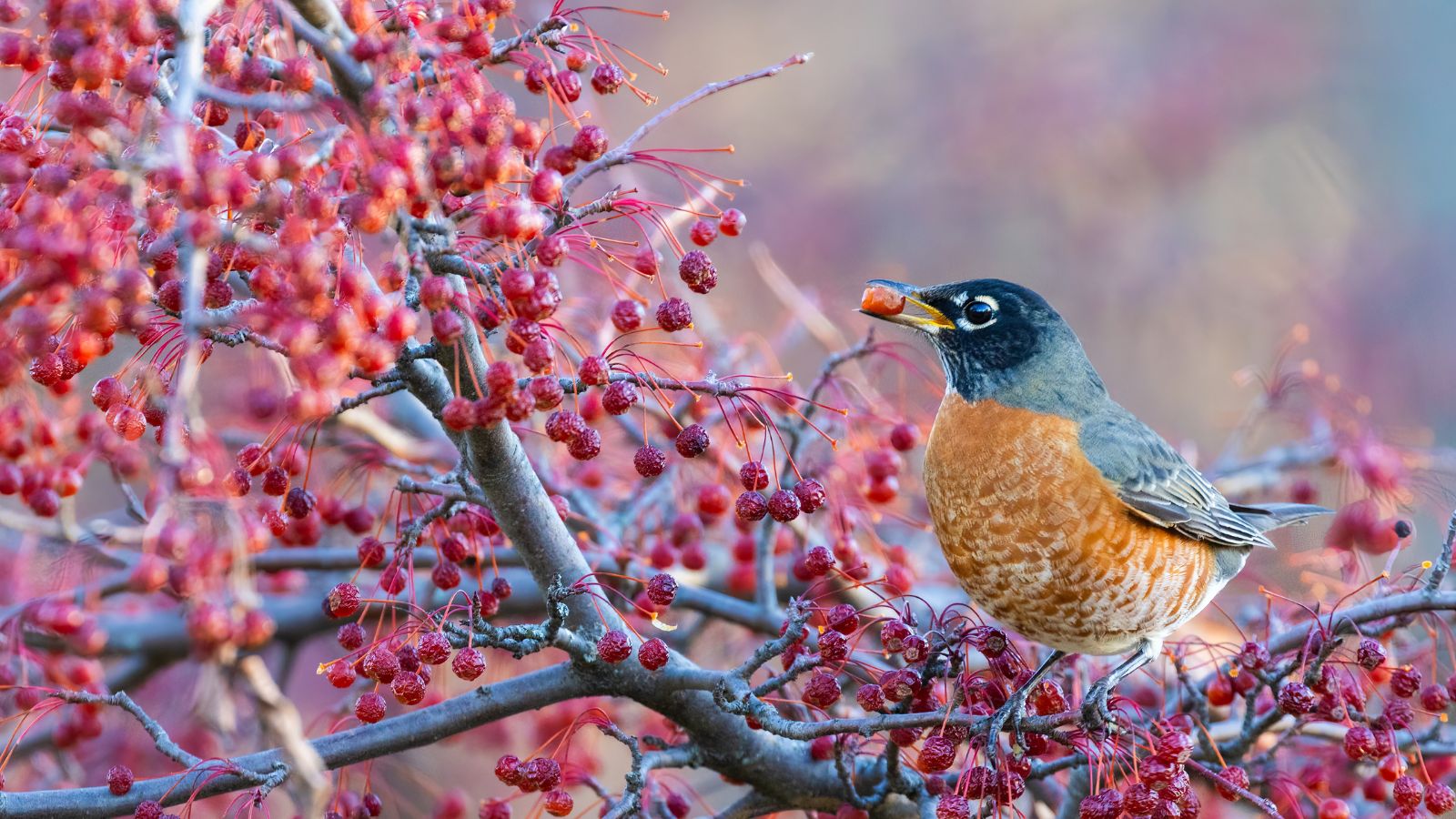
Most people think feeding birds in winter means buying bags of seed to fill up bird feeders regularly. And that is a great strategy, but it’s not the only one. Birds love to use natural food sources when they’re available, and they also provide other benefits like shelter or nesting materials.
The plants that feed birds best in winter are the ones most gardeners are taught to deadhead and clean up in fall. The dried seed heads and stalks that look messy are exactly what birds need to survive cold weather. Leaving them standing through winter provides food when insects are scarce and the ground is frozen.
This approach benefits you too. You get to skip fall cleanup, watch birds forage naturally, and create a garden that looks interesting (even in winter). Textural seed heads and persistent berries provide structure when everything else has died back.
Here are plants that feed birds through the coldest months while making your winter garden worth looking at.


Purple Coneflower

If you’ve deadheaded your coneflowers for tidiness, you’re missing their best contribution to the garden. A single seed head can keep several birds busy, and they’ll return daily until every seed is gone. The spiky seed heads also look sculptural covered in snow or frost, adding winter interest to the garden.
Leave the flower heads standing instead of deadheading after blooms fade. The seeds ripen in late summer and early fall, but birds won’t strip them immediately. They’ll feed on them sporadically through winter as other food sources decline.
Coneflowers are native perennials that handle neglect beautifully once established. They tolerate drought, poor soil, and pretty much anything except wet feet. Plant them in full sun and ignore them, as they’ll naturalize and spread slowly over time.
Black-Eyed Susan

These yellow blooms add bright summer color to the garden, followed by abundant winter bird food. If left alone, the dark seed heads stand up to winter weather remarkably well, remaining accessible even after snow.
Black-eyed Susans self-seed if you leave the heads standing, which means free plants for next year from the seeds the birds haven’t eaten. You can always remove unwanted seedlings in spring if they appear where you don’t want them.
The plants bloom from midsummer through fall, providing nectar for pollinators before transitioning to winter bird food. This makes them incredibly valuable for supporting wildlife across multiple seasons.
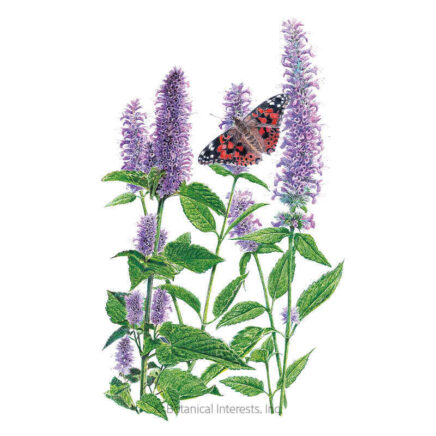
Anise Hyssop

This native mint relative produces dense flower spikes with thousands of tiny seeds. The upright seed heads hold their structure surprisingly well in harsh conditions.
The leaves have a licorice scent that persists, adding unexpected fragrance to winter gardens when you brush against dried stems. Some gardeners find this pleasant, others don’t (depending on your feelings about anise).
Anise hyssop self-seeds readily in ideal conditions. But seedlings are easy to identify and remove in spring if they appear where you don’t want them. The trade-off for enthusiastic self-seeding is a plant that feeds birds well all winter.
Goldenrod

Goldenrod gets unfairly blamed for fall allergies, but birds have zero complaints about it. The fluffy seed heads attract dozens of bird species, and the dried fluff also provides nesting material in spring when birds pull it apart.
These native perennials form large colonies over time, creating substantial food sources that can support multiple bird families through winter. Goldenrod blooms late in the season when many other flowers have finished, providing crucial nectar for migrating butterflies before producing seeds for overwintering birds.
Blue Globe Thistle
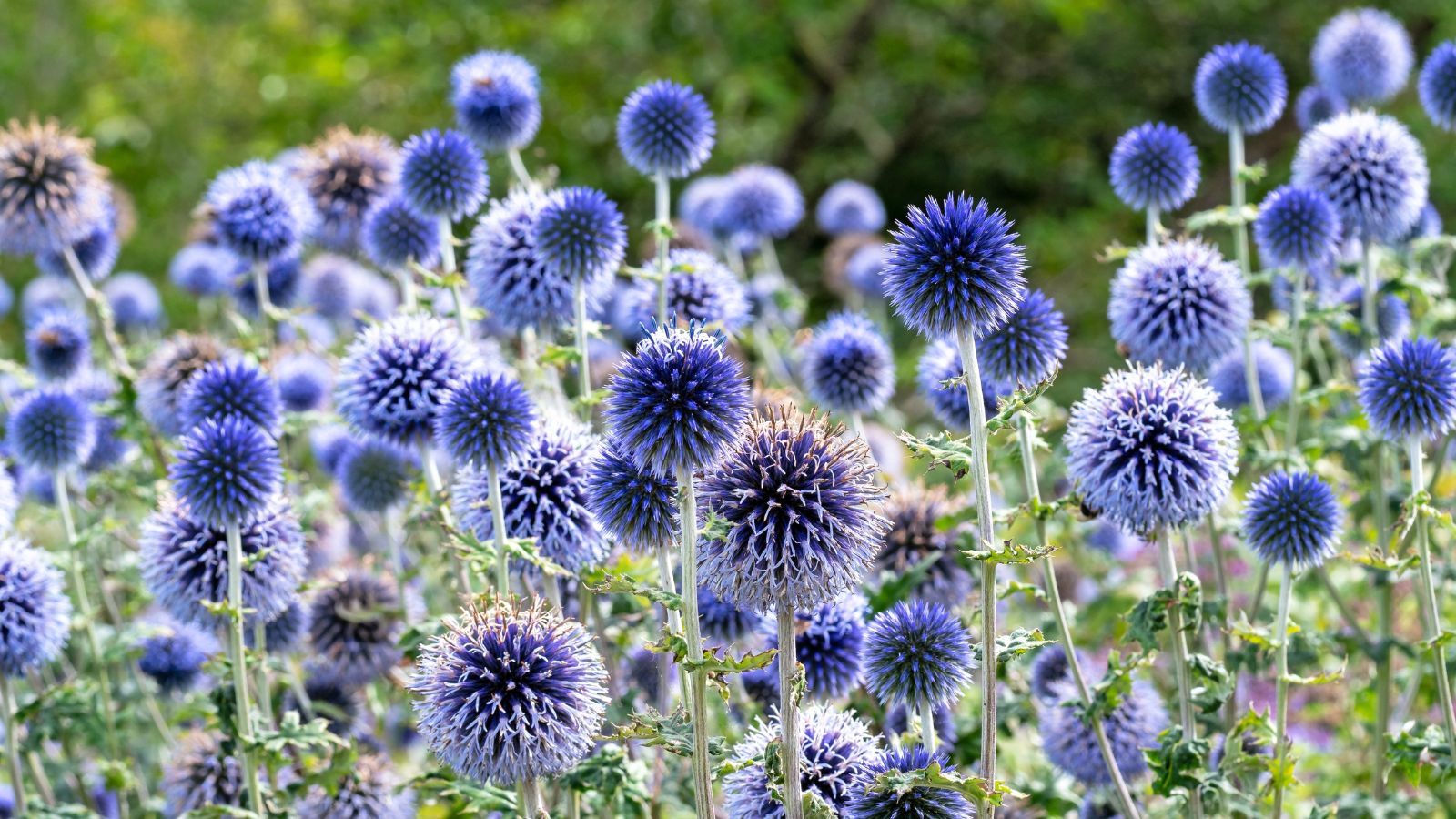
The spiky blue flower balls that make this plant stand out in summer gardens dry into interesting seed heads perfect for winter bird feeding. Position near windows where you enjoy bird-watching so you can watch them extract the large seeds.
The metallic blue flowers are stunning in summer gardens, and the dried seed heads spray-painted gold or silver make dramatic additions to holiday arrangements if you harvest a few before birds claim them all.
Liatris
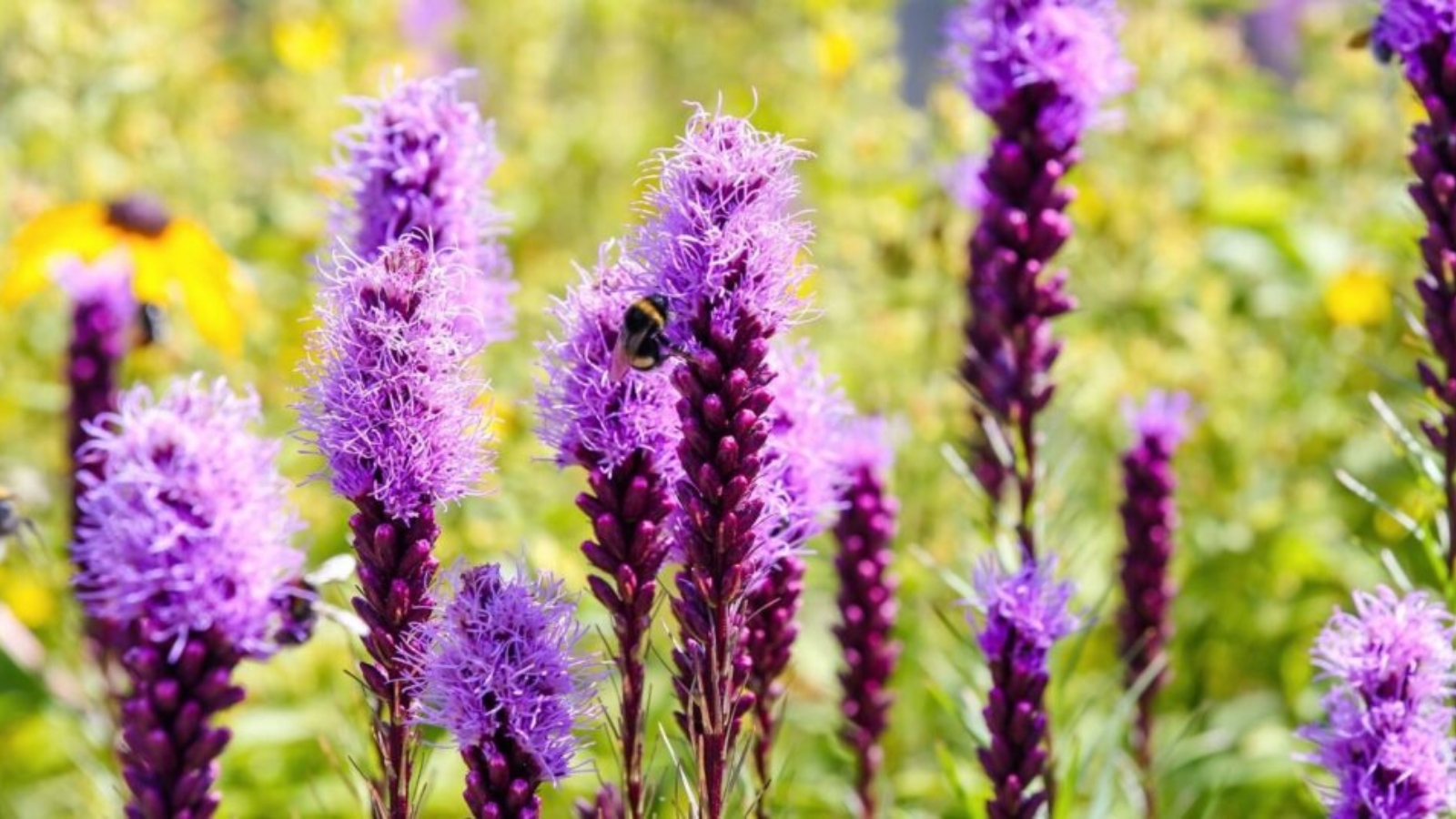
Tall purple Liatris spikes are beautiful in late summer, then transition into winter bird food. Seeds ripen in stages and remain available over an extended period.
The stiff vertical stems stand through winter without flopping, even in areas with heavy snow. This keeps seeds accessible rather than buried under collapsed foliage like some perennials.
Liatris is somewhat drought-tolerant once established, making it a good option for tougher areas with sandy soils. The plants adapt to various soil types, as long as drainage is adequate.
New England Aster
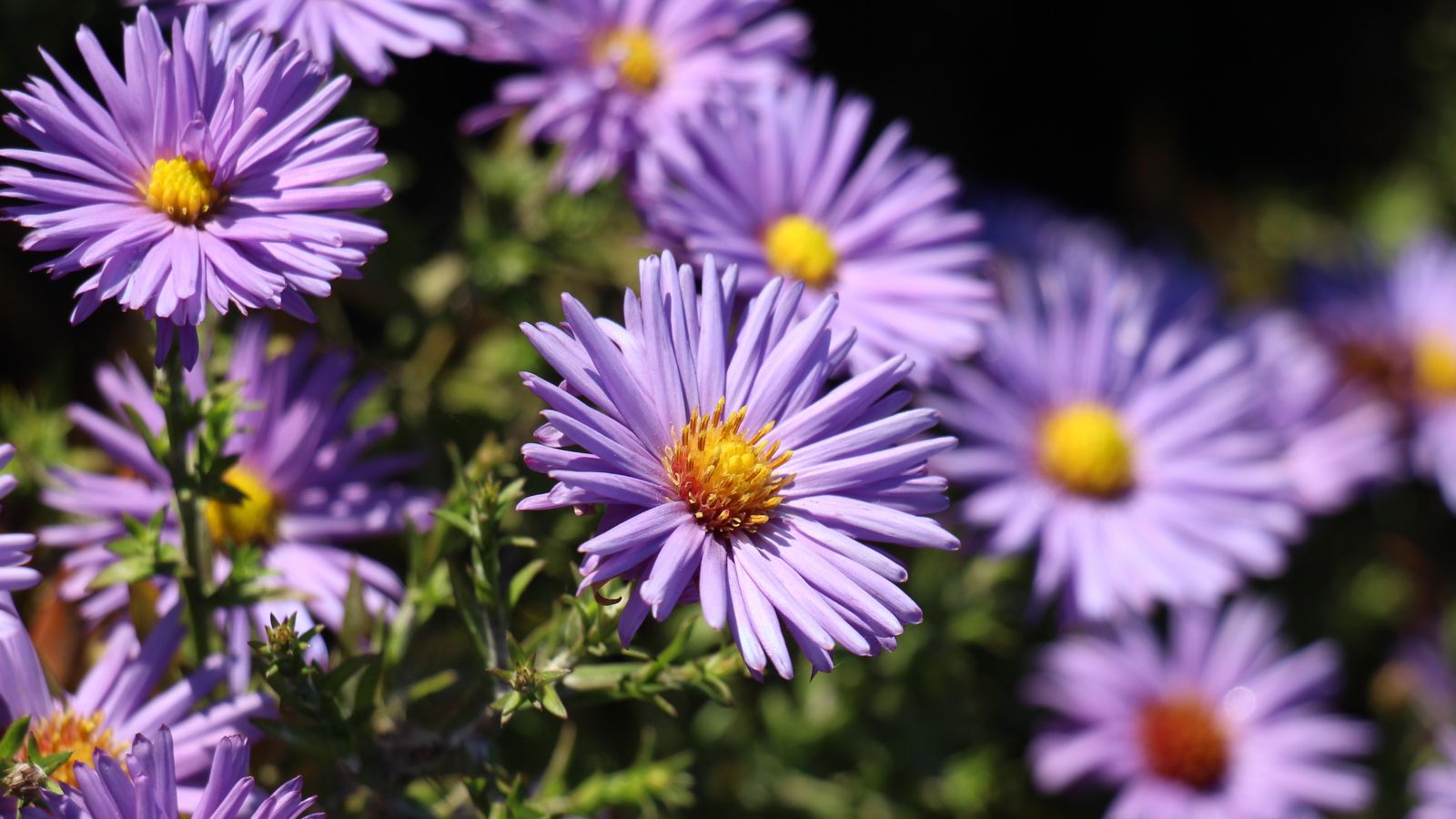
These late-season purple flowers are staples for fall pollinators. Then, those blooms transition to fluffy seed heads on plants that feed birds through early winter. The seeds are lightweight and disperse easily in the wind, but enough remain on plants to provide food for weeks.
These native asters support an incredible number of caterpillar species, which means they’re feeding birds twice: first through the insects attracted to foliage, then through seeds in winter.
The plants can get leggy and floppy in rich soil. Chop them in early June (cut back by half) to encourage bushier growth and more flower production, which ultimately means more seeds for birds.
American Beautyberry
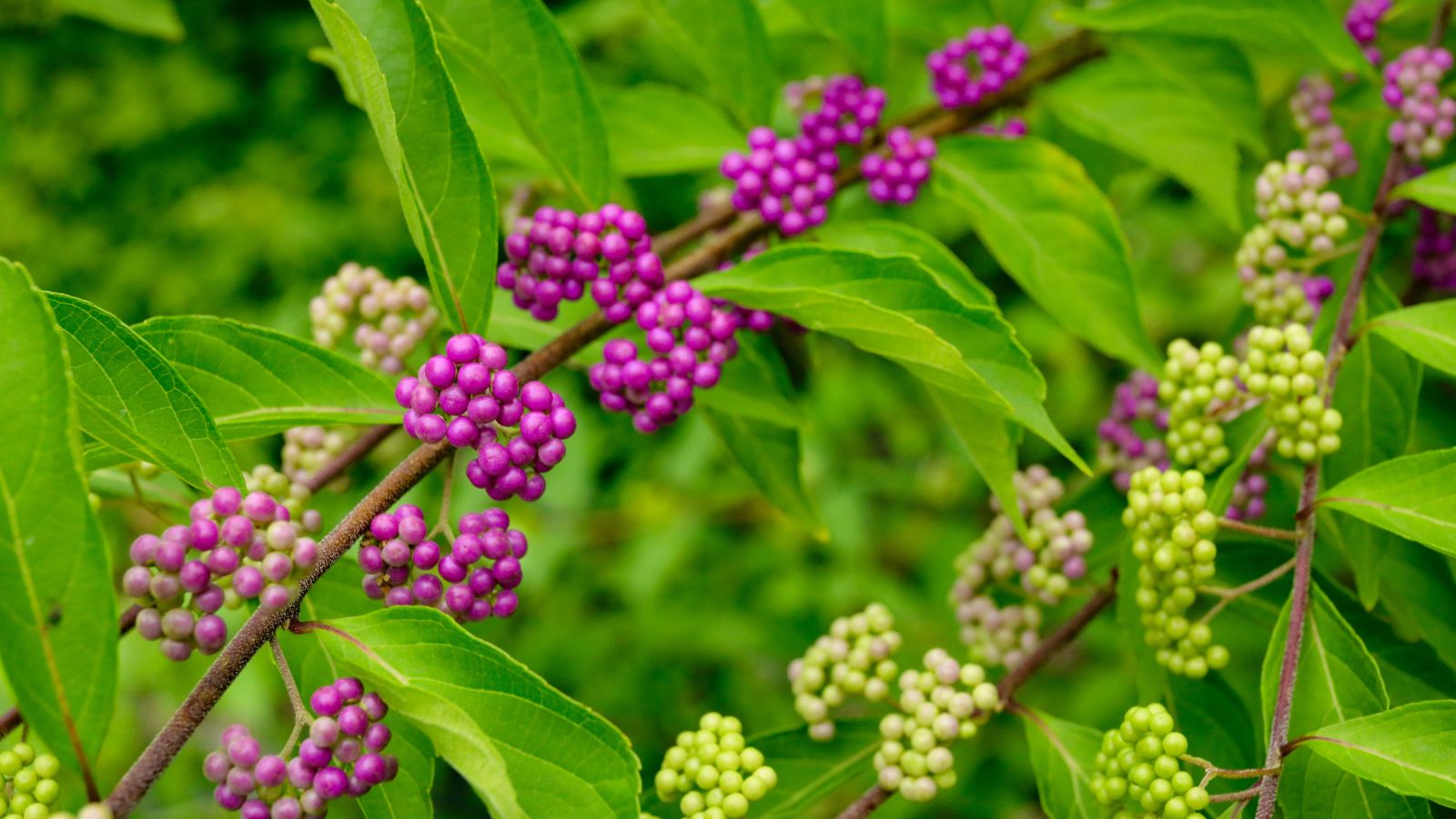
These shrubs create one of the most dramatic winter displays you’ll see in any garden. Birds generally ignore them until harder freezes make the berries more palatable, then they’ll strip bushes clean within days.
The berries are most valuable as emergency food during severe weather when other sources are depleted or inaccessible. Birds know this, and they leave beautyberry alone until they really need it.
This native shrub grows in partial shade, making it perfect for woodland edges or areas under deciduous trees. The vibrant purple berries show up beautifully against snow.
Joe Pye Weed

These towering native perennials can reach six feet or more, producing large, fluffy seed heads that break apart gradually over winter. The tall stems also provide shelter for ground-feeding birds during storms.
The size makes them best suited for back-of-border plantings or naturalized areas. They’re less practical for small gardens, but the wildlife value is substantial in spaces that can accommodate them.
Black Chokeberry
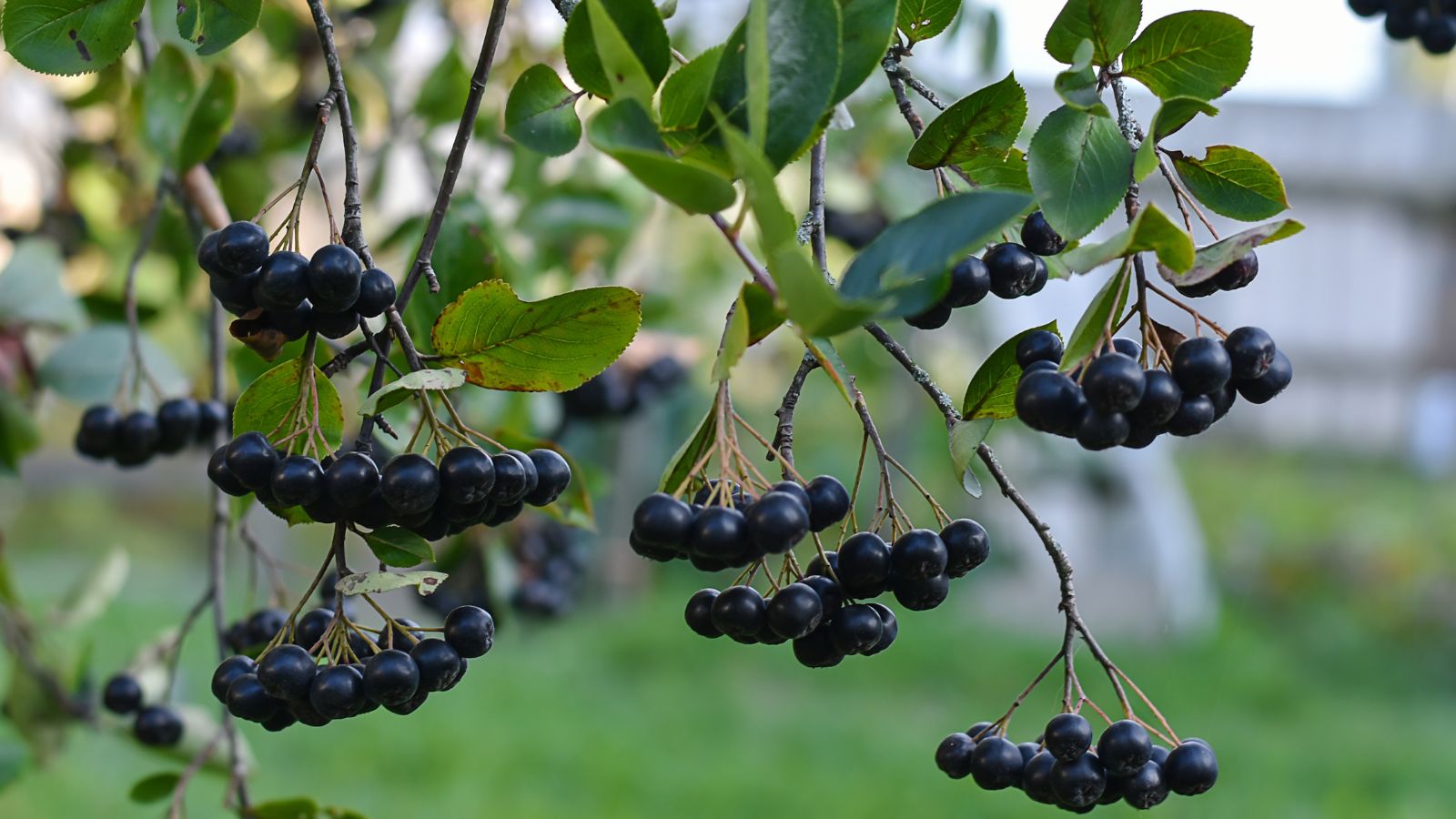
Birds find these berries and eat them when other food sources are exhausted. This makes them excellent insurance food during harsh winters when other berries are gone.
The shrub itself is incredibly tough, handling wet soil, drought, poor soil, and pretty much any condition except deep shade. The fall color is spectacular too, with brilliant red leaves appearing before they drop.
The bitter berries are actually edible for humans, too. They’re used in jams and wines, though they definitely need sweetening. Most people plant them for birds and fall color rather than harvest.
Crabapple
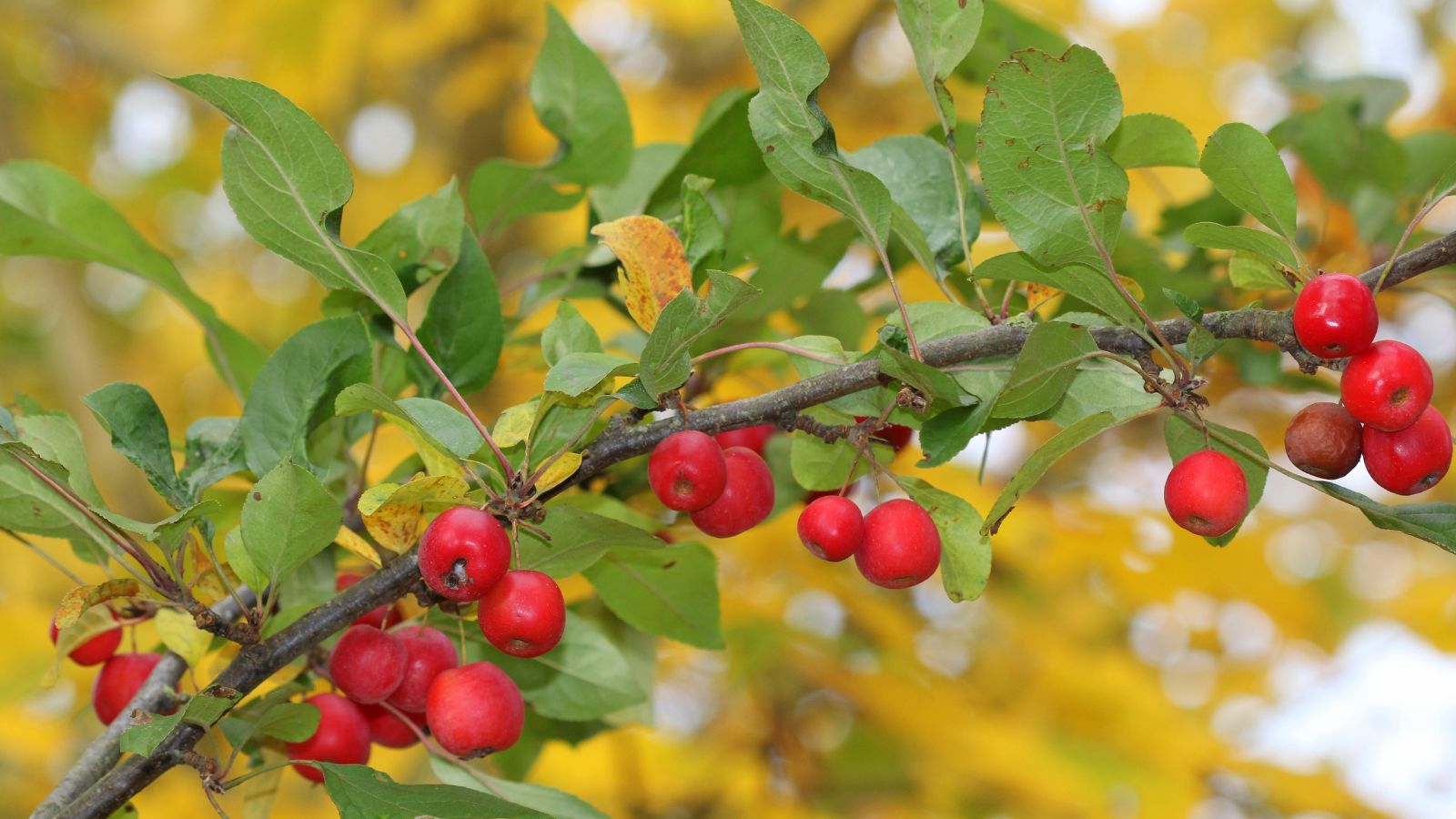
These small apples provide substantial calories when birds need them most. Different varieties hold fruit for different lengths of time (also depending on climate). Some drop by December, others last until March.
Choose varieties with small fruit for the best bird appeal. Larger crabapples are harder for birds to eat and more likely to make a mess on patios and driveways.
These small trees offer four-season interest: spring flowers, summer foliage, fall color, and winter fruit. The size makes them practical for smaller yards too, where full-sized fruit trees would overwhelm the space.
Juniper

For something with a little more structure, these are ideal plants to feed birds in winter. The blue-gray berries take two years to mature on these evergreens, but the dense foliage provides crucial shelter during storms, creating protected spaces where birds can roost during bad weather.
The shelter value might be even more important than the food here. Birds need protection from wind and snow just as much as they need calories.
There are dozens of juniper varieties ranging from low groundcovers to tall trees. Choose based on your space and design needs. All of them provide bird food and shelter regardless of size.
Dogwood

Red berries appear in late summer and early fall, attracting migrating birds first. Any berries remaining in winter become valuable food for residents and winter visitors that travel in flocks, stripping berry-producing plants.
The branching structure provides nesting sites in spring and summer, making dogwoods valuable for birds year-round rather than just winter. Some species offer spectacular fall color as an additional benefit.


