What to Plant in October: Vegetables, Herbs, and Flowers
October offers some of the best planting conditions of the year in many climates, with cool air ideal for cool-season crops. From winter vegetables and hardy herbs to spring bulbs, this guide covers everything you can plant now for harvests and blooms in the months ahead.


Contents
October gardening looks completely different depending on where you live. Southern gardeners can plant almost anything and expect it to grow through winter. Northern zones have to be more strategic, focusing on crops that either mature quickly or can handle freezing temperatures.
Luckily, for most gardeners, October offers some of the best planting conditions of the year. Soil is still somewhat warm from summer, but air temperatures are cooling down. Rainfall is usually more reliable than in summer, and pest pressure drops dramatically. It’s basically perfect growing weather for the right plants.
The variety is amazing, too. You can plant vegetables for fresh winter eating, herbs that will overwinter on your windowsill, spring bulbs for next year’s color show, and perennials that need cold stratification. Some plants won’t even germinate properly without a cold winter, making October planting essential rather than optional.
Here’s a list of what you can plant in October for a flourishing garden.


Long Standing Santo Cilantro / Coriander

Long Standing Santo Cilantro / Coriander Seeds
Vegetables
Let’s start with the vegetable garden, where a surprising amount of activity happens this month. My focus is usually on cold-tolerant leafy greens for soups and stews, but there are also delicious root vegetables ready to go in the ground now, depending on where you live.
Spinach
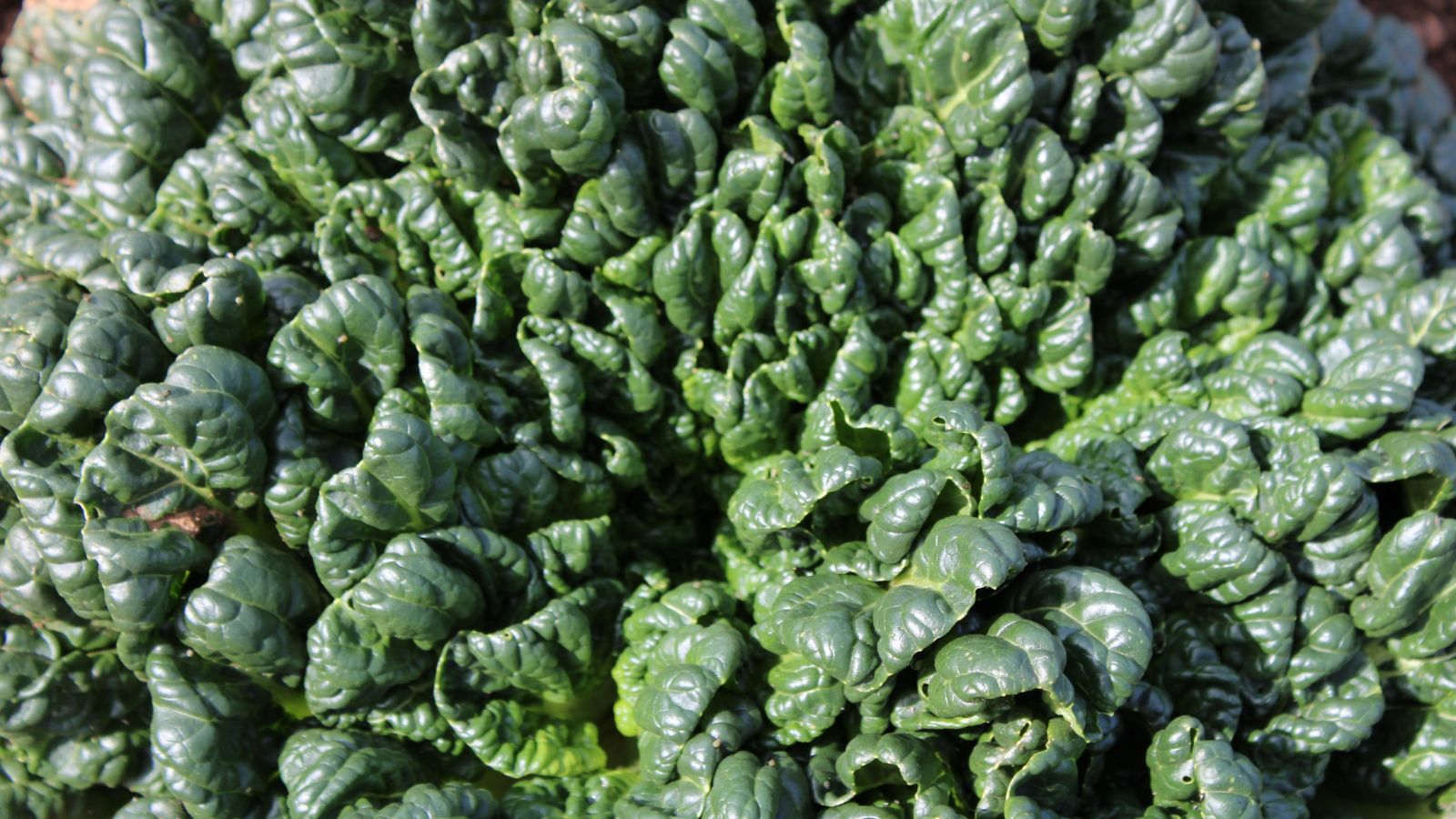
If you live in a warmer region, summer spinach is usually terrible. The leaves turn bitter, and the plants bolt at the first hint of heat. But if you’re willing to try again now, fall spinach stays sweet and tender for months.
Most zones can plant in October, though anything colder than zone 5 will need row covers once temperatures really drop. You can also choose more cold-tolerant varieties to ensure you get enough to harvest in the cold. ‘Bloomsdale‘ is great for fall planting.
Kale

Kale is one of a few vegetables that actually tastes better after frost. The cold makes the leaves sweeter and less bitter. You can grow it through winter in zones 6-9, and even colder areas can harvest until hard freezes hit, making it a great option to plant in October.
‘Red Russian‘ has beautiful purple-tinged leaves and handles cold well. It will taste great even after sitting under snow for weeks. Direct seed where you want them if you’re planting in October to save you some time. Seeds germinate quickly, in around 5 to 10 days.
Chard

Rainbow chard is one of the most ornamental vegetables you can grow, thanks to its color. The stems come in various bright hues, depending on the variety you choose. The fact that it’s also nutritious and cold-hardy is just a bonus.
Zones 4-9 can plant it now for a winter harvest. Even in zone 4, it’ll survive with some protection during the worst weather. ‘Celebration’ gives you the most color variation, while ‘Five Color Silverbeet‘ has particularly tender leaves. Plant the seeds about an inch apart and harvest baby greens in as little as 20 days.
Garlic

October is when you should be planting garlic. Like other famous spring bulbs that need to be planted in fall, garlic bulbs need a long cold period to develop properly, which means planting in fall for harvest next year.
Hardneck varieties like ‘Music‘ work best in zones 3-7. Softneck types like ‘German White‘ are better for zones 8-10. Don’t plant grocery store garlic, as it’s treated to prevent sprouting and rarely performs well. Buy seed garlic instead for the best results.
Carrots
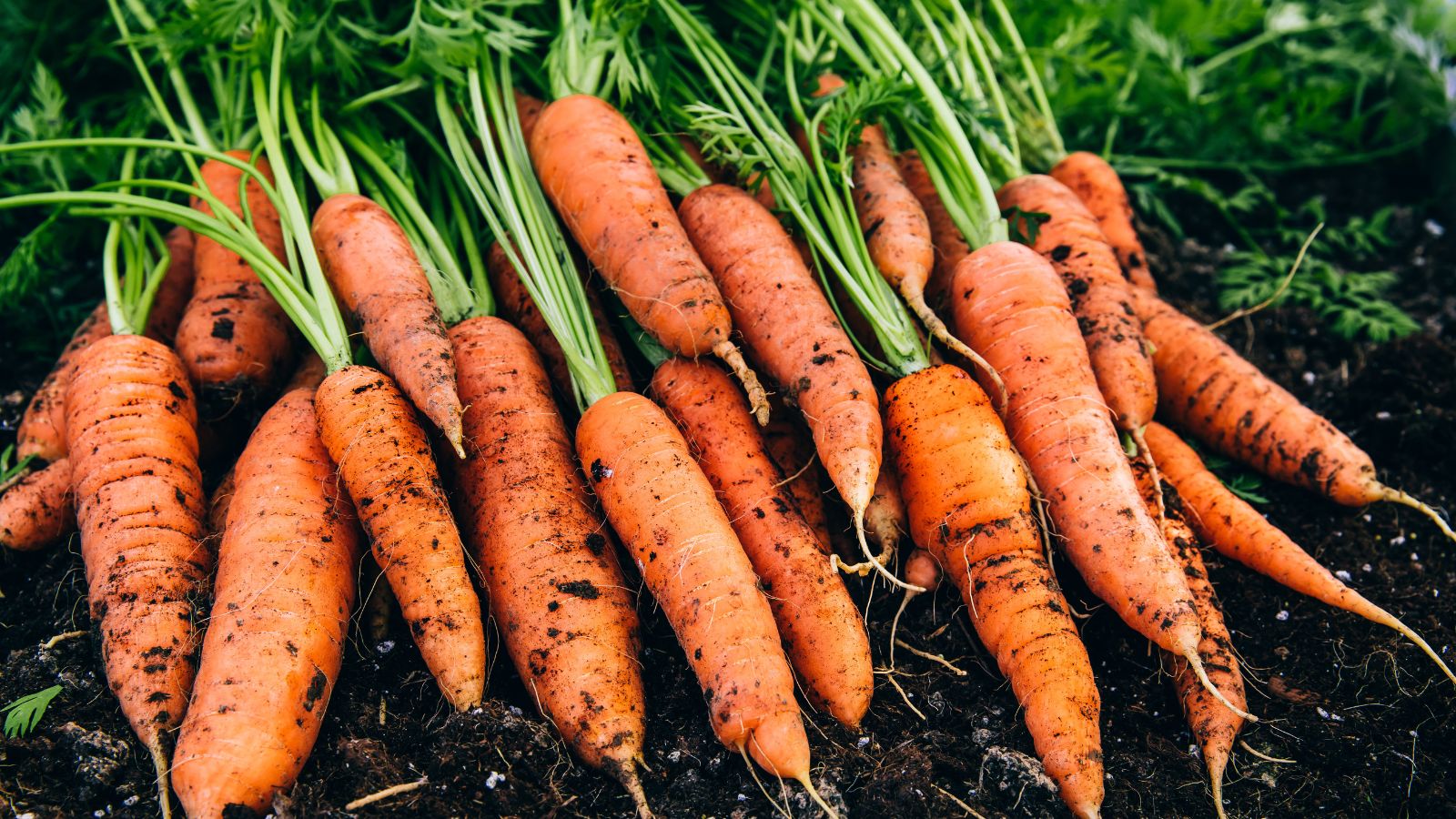
Root vegetables generally perform better in fall conditions than in unpredictable spring ones. Carrots are definitely one of those. The temperature drops concentrate sugars and slow growth, giving you sweeter, more tender roots instead of the woody, bitter ones you get in late spring and summer heat.
‘Little Finger‘ is perfect for northern zones where you need quick maturity. Southern gardeners can grow longer varieties like ‘Scarlet Nantes‘ since they have more growing time. When you plant in October, check your average last frost date and aim to direct sow around two to four weeks before.
Beets

You’re getting two vegetables in one with beets, as the greens are also edible and super nutritious. Both parts taste much better when grown in cool weather instead of summer heat. But you have the bonus of being able to harvest a few greens earlier to use while you wait for the roots to fully mature.
‘Detroit Dark Red‘ is a reliable variety that performs well pretty much everywhere. ‘Chioggia‘ has beautiful pink and white striped roots that look amazing sliced. If you’re growing mainly for greens, try ‘Bull’s Blood‘ with its deep red foliage.
Radishes

Radishes are perfect for impatient gardeners since you can harvest in 30 days or less. Plus, if you plant in October, cool weather keeps them mild and crisp instead of woody.
‘Cherry Belle‘ is almost foolproof (even for beginners) and stays mild even if you forget to harvest on time. For something special, try ‘Watermelon‘ radishes with their beautiful pink interiors. Plant radishes every two weeks through October for continuous harvest.
Onions
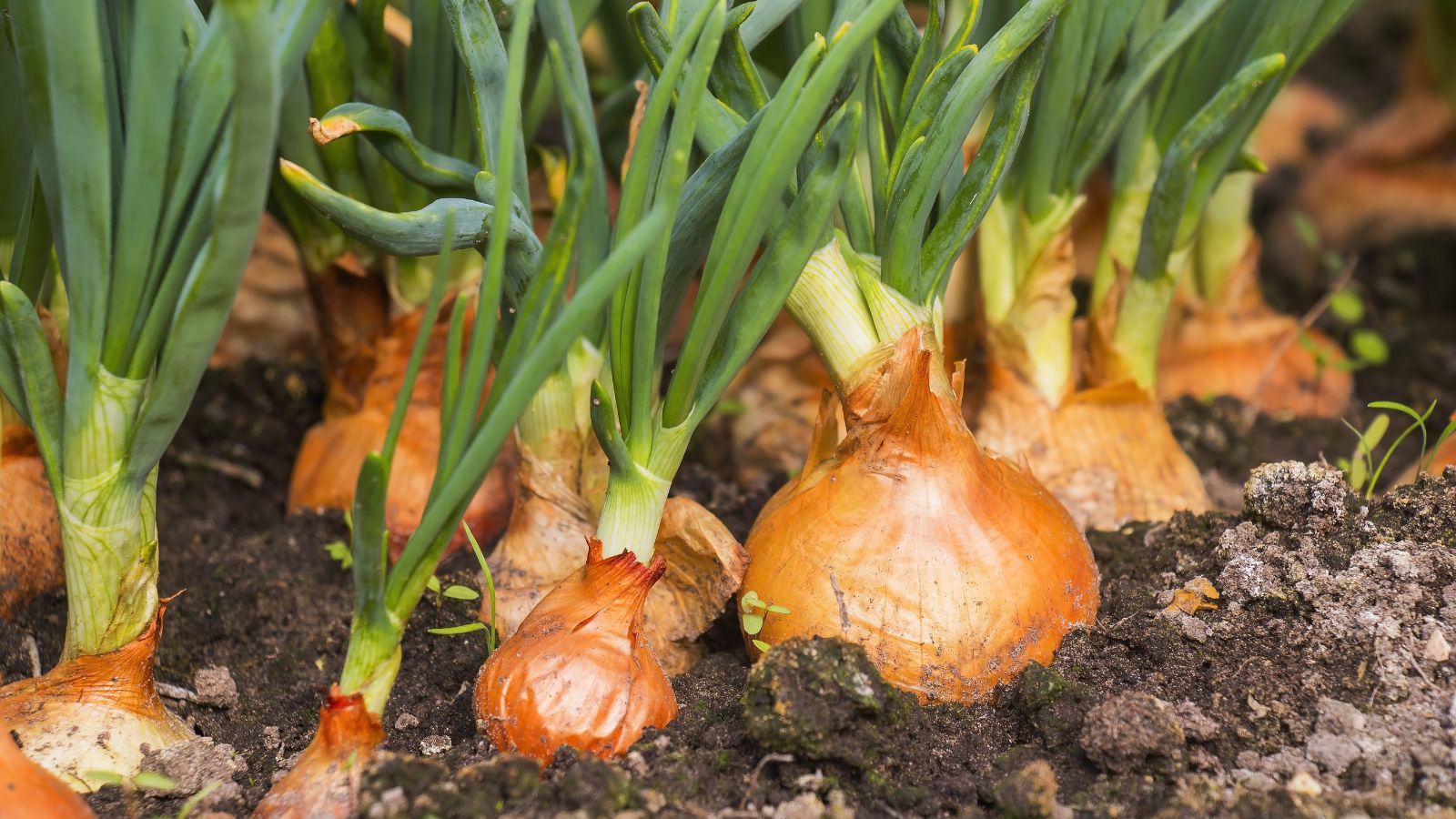
Fall is a good time to plant onions for next year’s harvest. The bulbs establish roots over winter and start growing early in spring, giving you a reliable harvest if you plant in October.
Short-day varieties like ‘Texas Early Grano‘ work in southern areas, while long-day types like ‘Yellow Sweet Spanish ‘ are better up north. It’s crucial to match the variety to your region, or they won’t bulb properly.
Broccoli
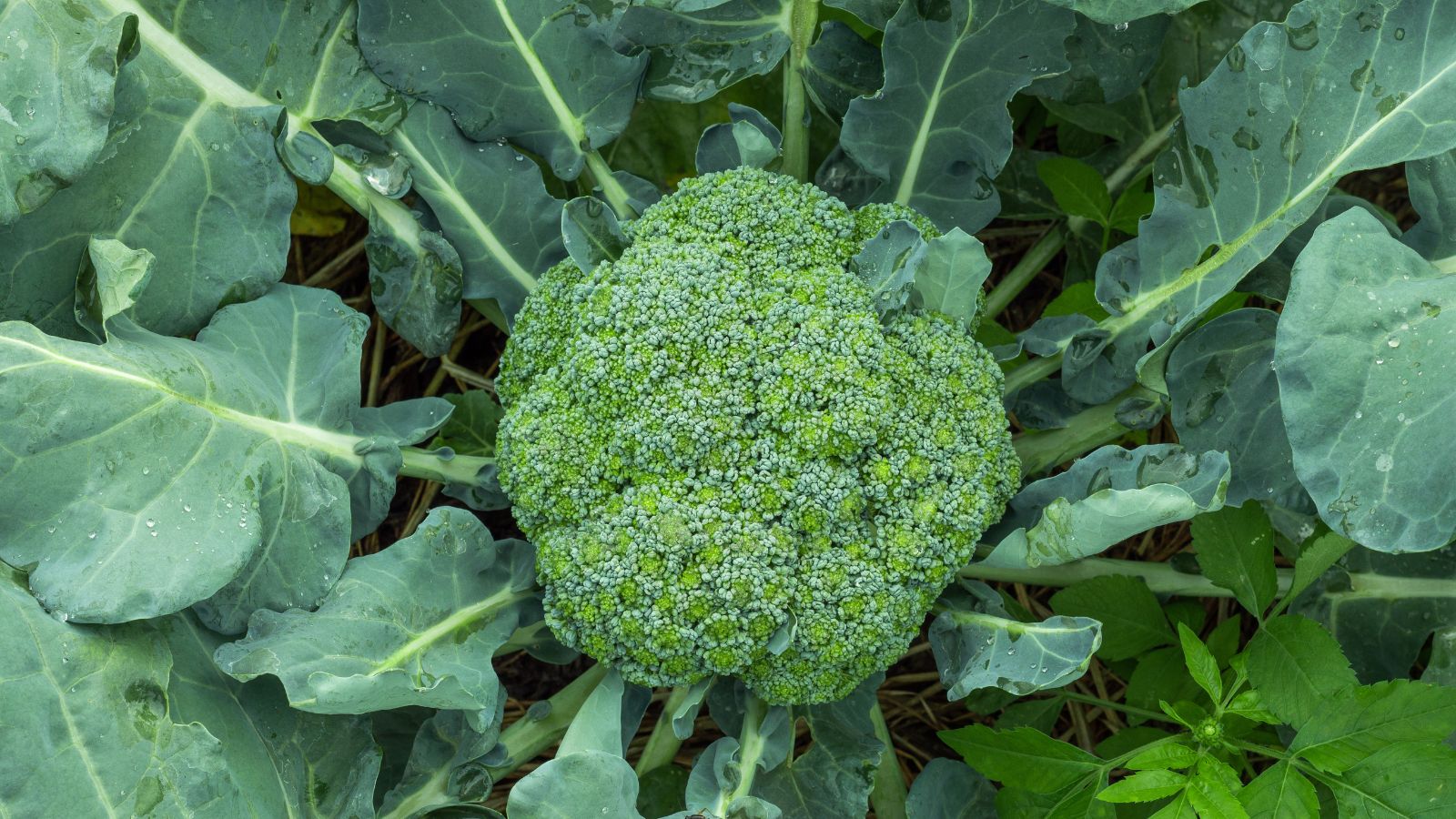
Summer broccoli is usually a disappointment in warmer regions. High temperatures cause loose, bitter heads to form that usually bolt before you can harvest them. Stress from drought causes bitter flavor and premature bolting. This is more of a cool-weather crop that performs much better if you plant in October.
Zones 6-10 can plant now, though northern areas should consider using transplants instead of seeds for faster establishment. ‘Waltham 29‘ produces lots of side shoots after the main head and is specifically bred for cold tolerance.
Turnips

Most gardeners (and home cooks) don’t appreciate turnips, but fall-grown ones might change your mind. Both the roots and greens become sweet and mild when grown in cool weather.
‘Purple Top White Globe‘ is the classic variety that works in zones 3-9. ‘White Lady‘ turnips are sweeter and mature faster, perfect for colder areas. Direct seed these since they form taproots that don’t transplant well.
Herbs
You can’t have a vegetable garden without a few herbs to spruce up your dishes and draw pollinators at the same time. October is a little late for herb planting in colder regions, but the beauty of these is that you can grow them in containers indoors, too. With the help of a grow light, you can harvest herbs year-round, no matter what the conditions are like outside.
Oregano

Mediterranean herbs may handle summer heat well once established, but for planting and early growth, cooler conditions are much more reliable. Planting in October gives them time to establish without the stress of blazing sun and high temperatures.
Zones 5-10 can plant oregano now, though northern areas should stick to growing indoors to avoid damaging temperature dips that stunt growth. Greek oregano has the strongest flavor, while common oregano is milder and more cold-hardy.
Start with small plants rather than seeds if you’re in a lower zone. Oregano is slow to establish from seed, and you’ll get faster results with transplants.
Cilantro

Heat is cilantro’s worst enemy, causing it to bolt immediately in summer temperatures. Cool October weather keeps plants leafy and delicious until frost, when you can bring pots indoors to overwinter. Southern zones can grow it all winter, while northern areas get good harvests until hard frost.
Succession plant cilantro every few weeks through October if you need a lot to harvest. If you typically use a couple of leaves as a final garnish to your dishes, one plant should be plenty. Harvest regularly to stop the stems from becoming leggy.
Parsley

Flat-leaf parsley gives you fresh herbs through winter and early spring in many climates if you grow indoors. Curly parsley is less cold-hardy but still worth growing for the texture it adds as a garnish. Both types are also great for growing indoors if you’re in a lower zone.
Plant transplants now for the best establishment before winter. Seeds are incredibly slow to germinate and won’t give you much to harvest before cold weather hits.
Dill

For fresh dill all winter, plant in October in zones 6-10 in containers. You can leave it outside until consistent frost hits, and bring it indoors to continue harvesting for the rest of winter. A grow light will ensure growth doesn’t become too sparse.
It’s better to direct sow dill since it doesn’t transplant well. The feathery foliage also looks beautiful even when it’s not being harvested, making it a great houseplant.
Chives

These onion relatives are incredibly easy to establish and will come back year after year once planted. Plant in October to give them time to develop good root systems before winter. Common chives have a mild onion flavor, while garlic chives taste more like garlic, but both are equally cold-hardy and productive.
You can start from seed, but divisions from existing clumps establish much faster. You don’t need to plant too much, as the leaves grow back quickly after harvesting.
Flowers
October is an interesting time for growing flowers. You’re either planting spring flowers that need a cold winter to establish, or quick-growing annuals that can still produce some blooms in fall before temperatures drop too low. Before you start, make sure you understand your climate restrictions to avoid planting now and having your hard work wasted.
Daffodil

October is prime time for planting spring bulbs, and daffodils are among the most reliable (and popular). They generally naturalize well and multiply over time without any help from you. While they do look amazing on their own, they make much more of an impact when planted in groups.
Plant bulbs pointed end up, about two or three times as deep as the bulb is tall. If you’re growing a few and want that cottage garden look, plant in groups of odd numbers. It looks more natural than formal rows.
Tulip

Like daffodils, these spring showstoppers need a cold winter to bloom properly, which is why it is essential to plant in October. Without that cold period, you may get leaves, but you probably won’t see any flowers.
Darwin tulips are the most reliable for perennializing, though most tulips are typically treated as annuals. You can find tulips in almost any color, so shop around for your favorite varieties before planting to find the perfect one for your space.
Coral Bells

These perennials are valued more for their colorful foliage than their flowers, but both are beautiful. Plant in October to establish before winter, leading to better performance next year. They are great for filling shady spots where other blooms would struggle. Plus, the range of colors and patterns means you’re bound to find one you fall in love with.
Plant coral bells in partial shade with good drainage. They’re prone to crown rot if planted too deeply or in soggy soil.
Sweet Pea

Cool-season annuals like sweet peas thrive in zones 7-10 when you plant in October, growing through winter for early blooms. Colder zones may want to wait until early spring, as October is a little late.
Soak seeds overnight before planting and provide something for them to climb immediately, like a trellis or fence. Providing support early means you don’t risk damaging the roots later on.
Yarrow

This tough perennial provides crucial nectar for pollinators. That may not be this year if you plant in October (depending on your climate), but you can expect flowers to pop up next year. The flowers also dry beautifully for arrangements.
All varieties are equally tough and drought-tolerant once established. When it comes to aesthetics, ‘Colorado Blend’ is best if you want maximum color in your flower garden.
Coneflower

Purple coneflower is incredibly easy to grow. The native seeds benefit from natural cold stratification over winter, making fall an ideal sowing time. Plant in October and you’ll enjoy pollinator-friendly flowers next year.
The classic purple coneflower has large purple flowers, but varieties like ‘White Swan‘ offer white blooms for a different look. Both attract butterflies and provide seeds for birds.
Foxglove
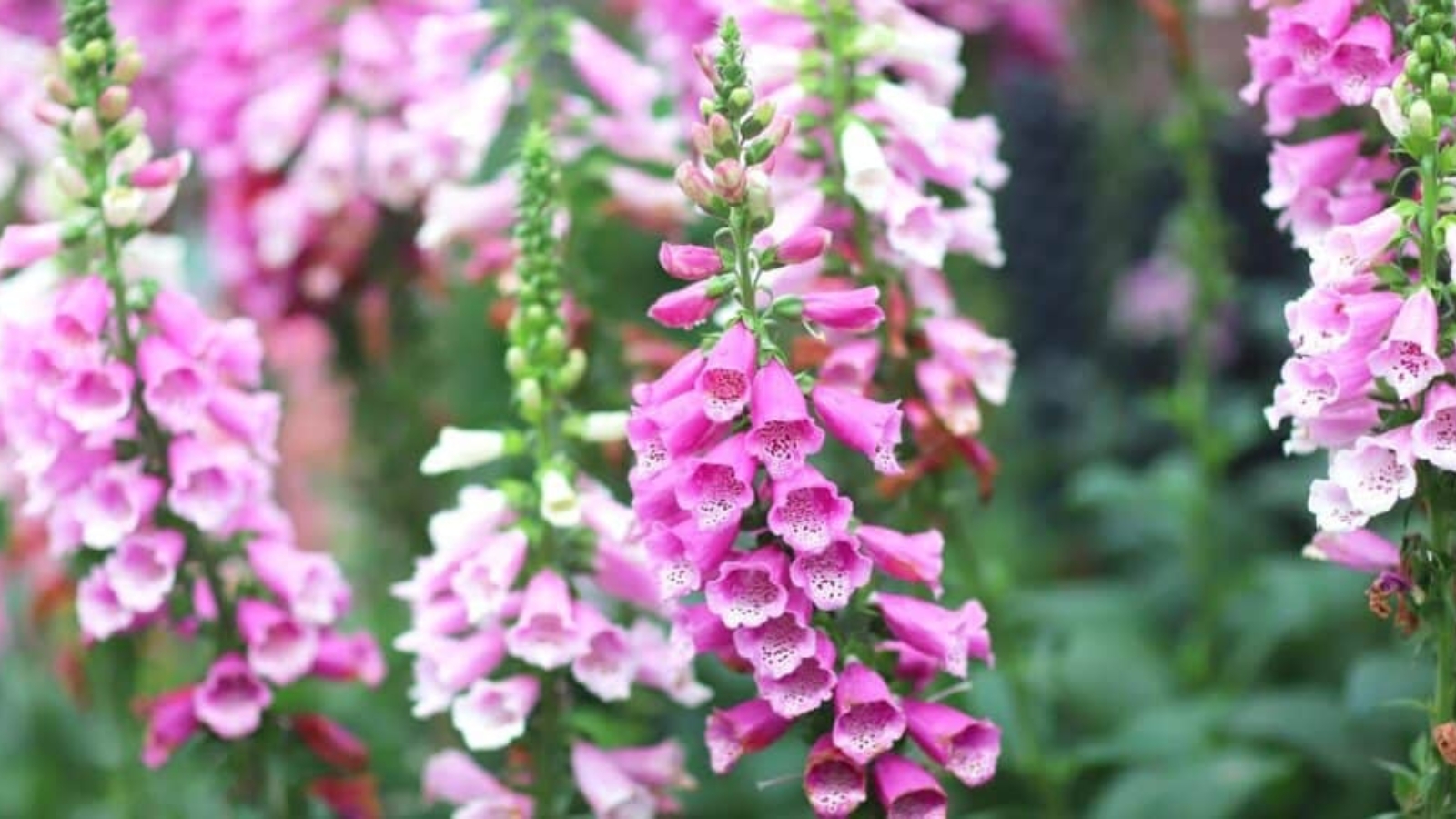
These dramatic biennials need to be planted this fall to bloom next year. Plant in October if your first frost date is later in the year. The tall flower spikes create incredible vertical interest in shade gardens.’Gloxiniiflora Blend‘ offers flowers in multiple colors on tall spikes.
Remember that all parts of foxglove are toxic, so avoid planting where children might be tempted to touch or taste the attractive flowers.


