November Garden Tasks: Winterizing and Wildlife-Friendly Tips
In the November garden, our attention turns to preparation for the cold months ahead, for both plants and the wildlife that relies on them. These November garden tasks focus on protecting plants through winter while creating habitat for beneficial wildlife, setting up gardens that support local ecosystems.

Contents
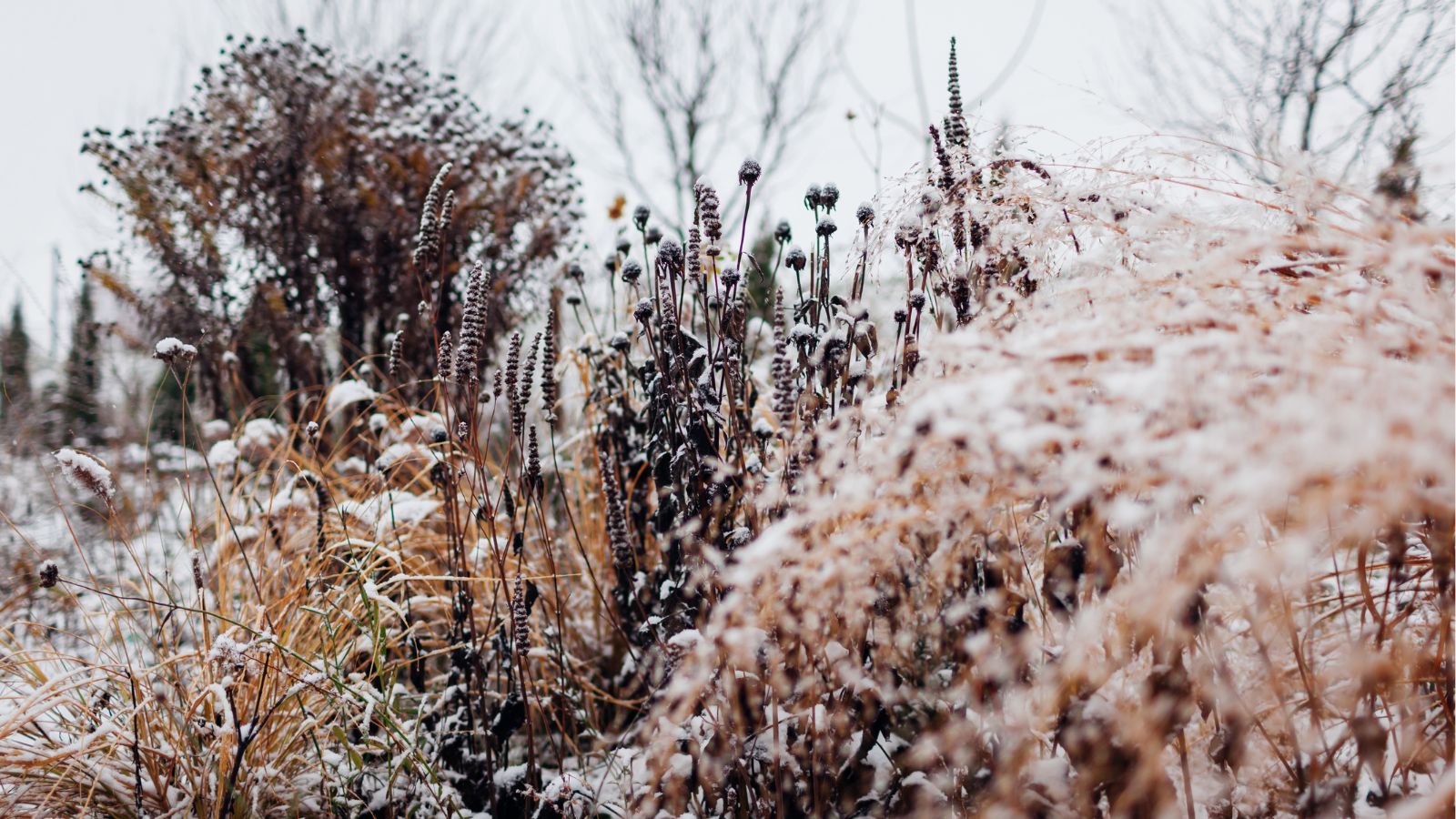
Traditional November gardening tasks are usually things like cutting all plants down, raking every leaf, and completely clearing garden beds before winter kicks in. However, your garden doesn’t have to be so bare in winter, especially if you want to help local wildlife. A massive and complete cleanup creates extra work for you and eliminates crucial winter habitats that birds, beneficial insects, and pollinators desperately need.
Luckily, there’s a better approach that requires less effort and creates a healthier garden ecosystem. Leave standing stems for overwintering insects, keep leaves as free mulch and wildlife shelter, and focus winterizing efforts on plants that need protection rather than trying to tidy everything.
The garden doesn’t need to look manicured to be healthy. In fact, a little messiness supports the wildlife that will help your garden thrive next year by pollinating flowers, eating pests, and breaking down organic matter. Focus on these November garden tasks to protect plants and wildlife this winter.


Common Milkweed / Butterfly Flower

Common Milkweed / Butterfly Flower Seeds
Harvest Crops

If you’ve planted root vegetables like carrots, beets, and turnips, they can handle light frosts and actually taste sweeter after cold weather. But you’ll need to harvest them before the ground freezes solid, or you won’t be able to dig them out until spring.
Brussels sprouts and kale also improve in flavor after frost, so there’s no rush to harvest these. Leave them in the garden and pick as needed through early winter. Protect tender crops with frost cloth if you live in a colder climate to stop leaves turning mushy and brown when temperatures drop too low.
Winter squash and pumpkins also need to come in before hard freezes damage their skins. Cure them in a warm, dry location for a couple of weeks before storing (properly cured squash can last months in cool storage).
Plant Bulbs

November is your last chance to get spring bulbs in the ground in most climates. The soil is still workable in a few areas, but cooling down, which is exactly what bulbs need to establish before winter dormancy.
Tulips and daffodils are the obvious choices, but don’t overlook other bulbs like crocus and hyacinth. These smaller bulbs naturalize well and provide early nectar sources for emerging pollinators when little else is blooming.
Plant these bulbs relatively deep (about three times the height of the bulb works for most types). Deeper planting protects them from temperature fluctuations and makes them less accessible to squirrels. While we love wildlife, we don’t want them digging up our flowers before they even emerge.
If the ground has already frozen in your area, you’ve missed the window for these November garden tasks. You can always try to force bulbs indoors instead, or simply wait until next year.
Sow Native Seeds

Many native wildflowers and perennials need cold stratification to germinate, making November the perfect time to sow them directly where you want them to grow. The seeds experience natural winter conditions and germinate when temperatures warm in spring.
Scatter seeds on prepared soil and rake them in lightly. Coneflower, black-eyed Susan, and milkweed all germinate well from fall sowing. Native grasses like bluestem also benefit from this approach.
Choose native species that benefit a wide range of pollinators to increase diversity in your garden. It’s better to have a variety of blooms than one single type. Plus, it makes your garden look better, too.
Protect Beds
Next, focus on the soil and existing beds. Mulch bare soil in vegetable gardens to prevent erosion and protect soil structure through winter. Straw, shredded leaves, or chopped plant debris (that doesn’t have any signs of disease) are ideal. Perennial beds benefit from mulch, too, to regulate soil temperature and keep the roots warm.
Don’t mulch right up against plant stems or tree trunks. Leave a few inches of space to prevent rot and stop rodents from nesting against plants where they might gnaw bark over winter.
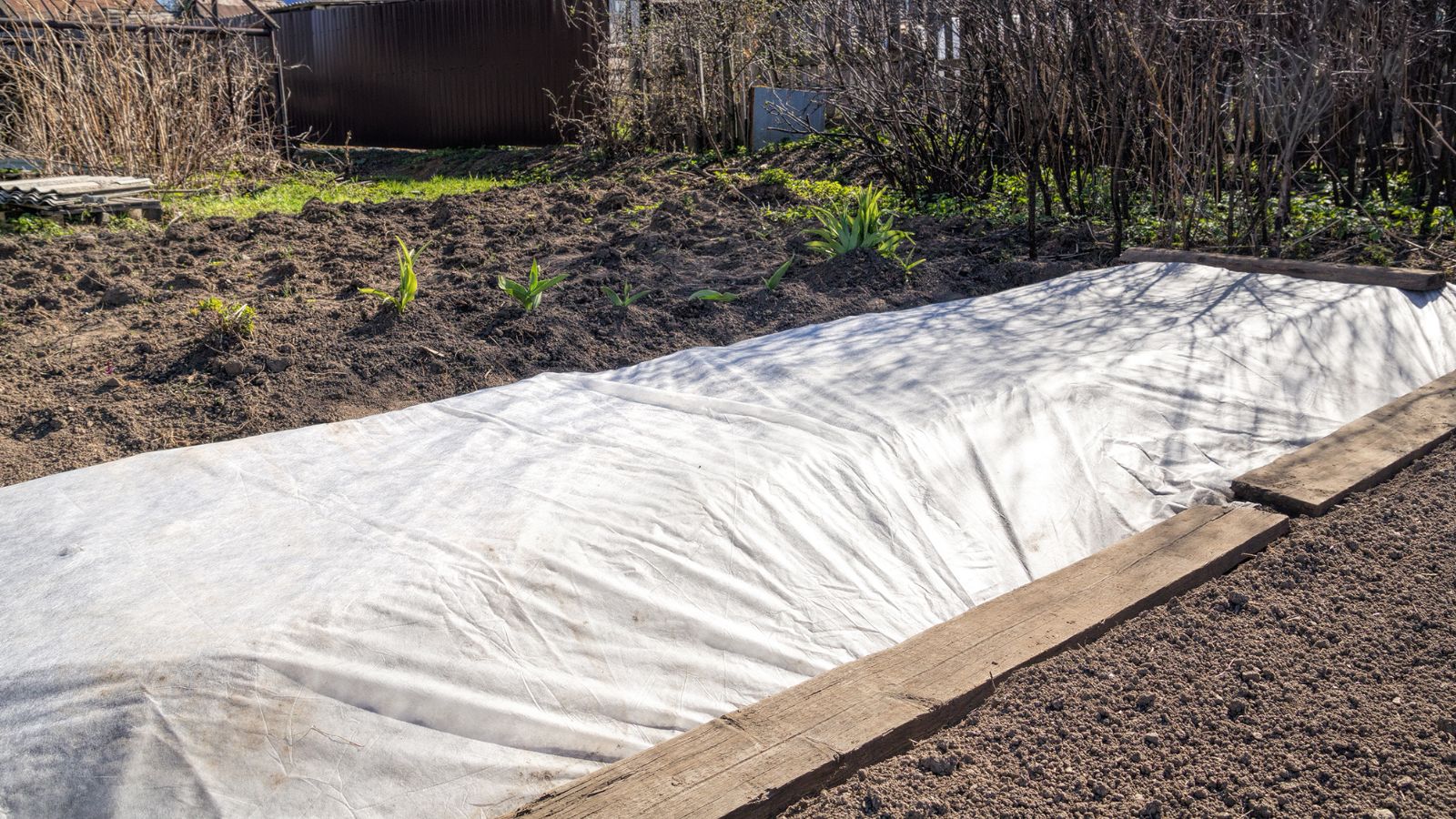
If you have particularly tender plants that need extra protection, cover the bed with a frost cover. These fabrics stop frost from damaging stems and leaves. You can remove the cover during the day when it’s sunny and replace it at night. Use poles to hold the fabric off the plants if needed.
Move Potted Plants
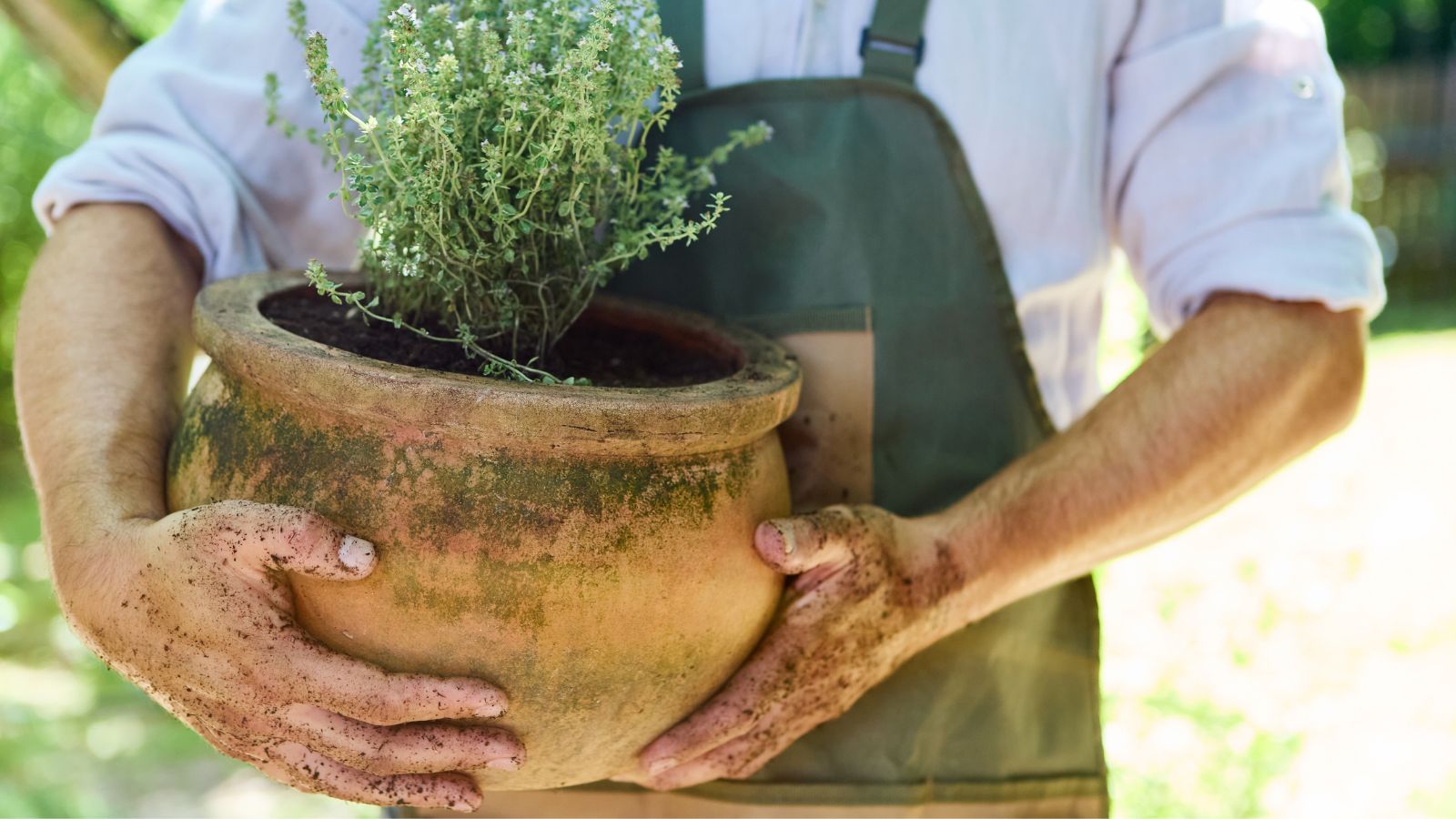
For tender plants that are already in pots, there is a much easier solution than frost cloth. Bring frost-tender container plants indoors before temperatures drop below their tolerance levels. Tropical houseplants that spent summer outside need to come in well before frost, but other sensitive perennials that won’t handle hard freezes can also move inside.
Group pots together in a protected area if you don’t have indoor space for everything. Placing them against a south-facing wall provides some protection from the worst cold while still leaving plants outdoors.
Insulate pots that will stay outside by wrapping them with burlap. The goal is to protect roots from freezes that can damage containers and kill plants.
Leave the Leaves
Very few gardeners enjoy raking. If you’re one of them, I have good news. It’s better not to rake your garden at all if you’re interested in helping wildlife during your November garden tasks.
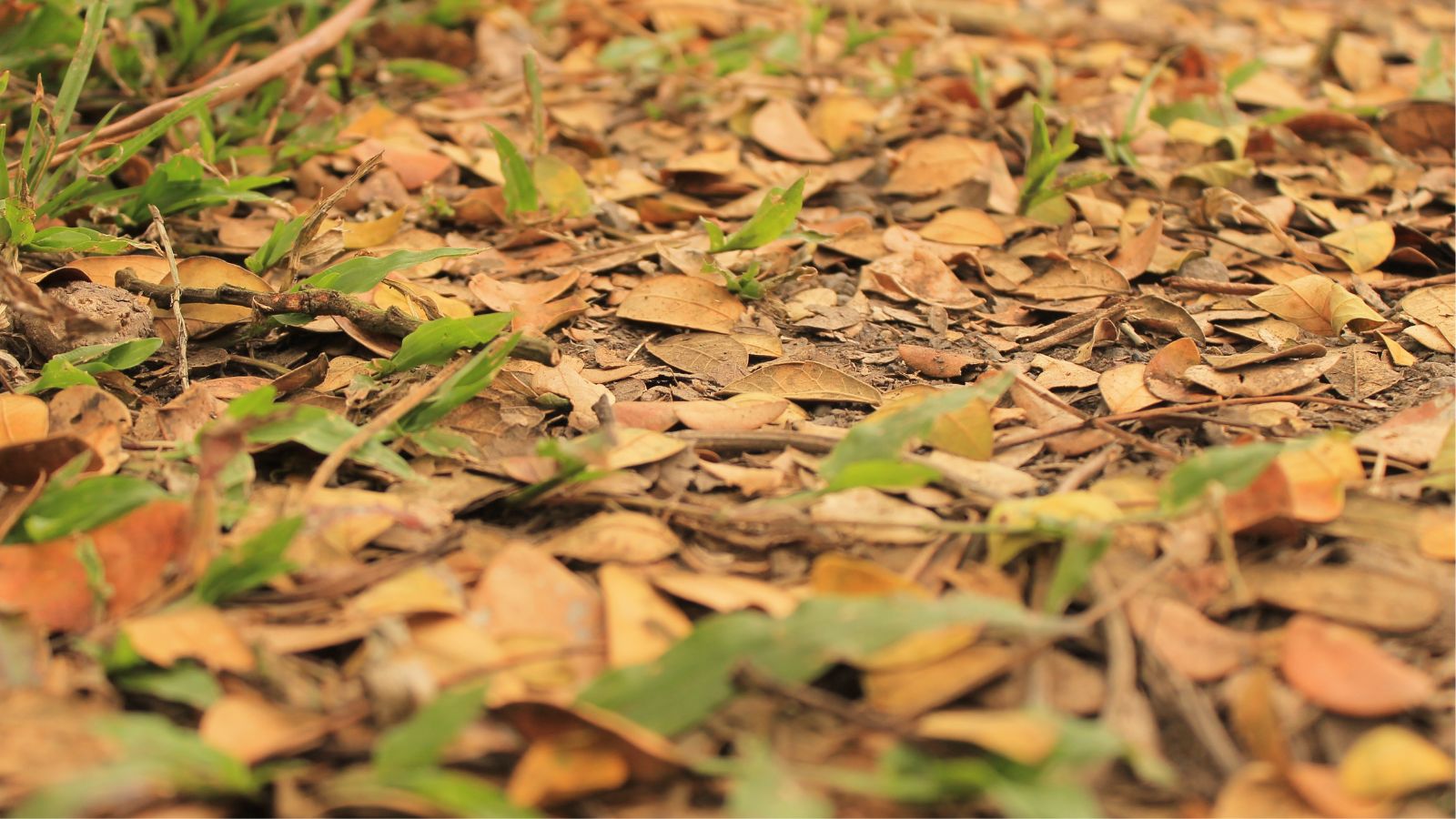
Leaves left on beds provide free mulch, a wildlife habitat, and nutrients as they decompose. Raking them all up and bagging them for disposal wastes these benefits (while creating unnecessary and tedious work).
Shred leaves with a lawn mower if you’re worried about thick layers smothering plants. Shredded leaves break down faster and integrate into the soil more easily. Rake leaves off lawn areas to keep them tidy, but move them to garden beds instead of the curb. Don’t get rid of free mulch.
Many beneficial insects overwinter in leaf litter. Ladybugs, ground beetles, and native bees all use leaves as winter shelter. Removing all leaves eliminates the habitat these helpful insects need to survive.
Build a Log Pile for Wildlife
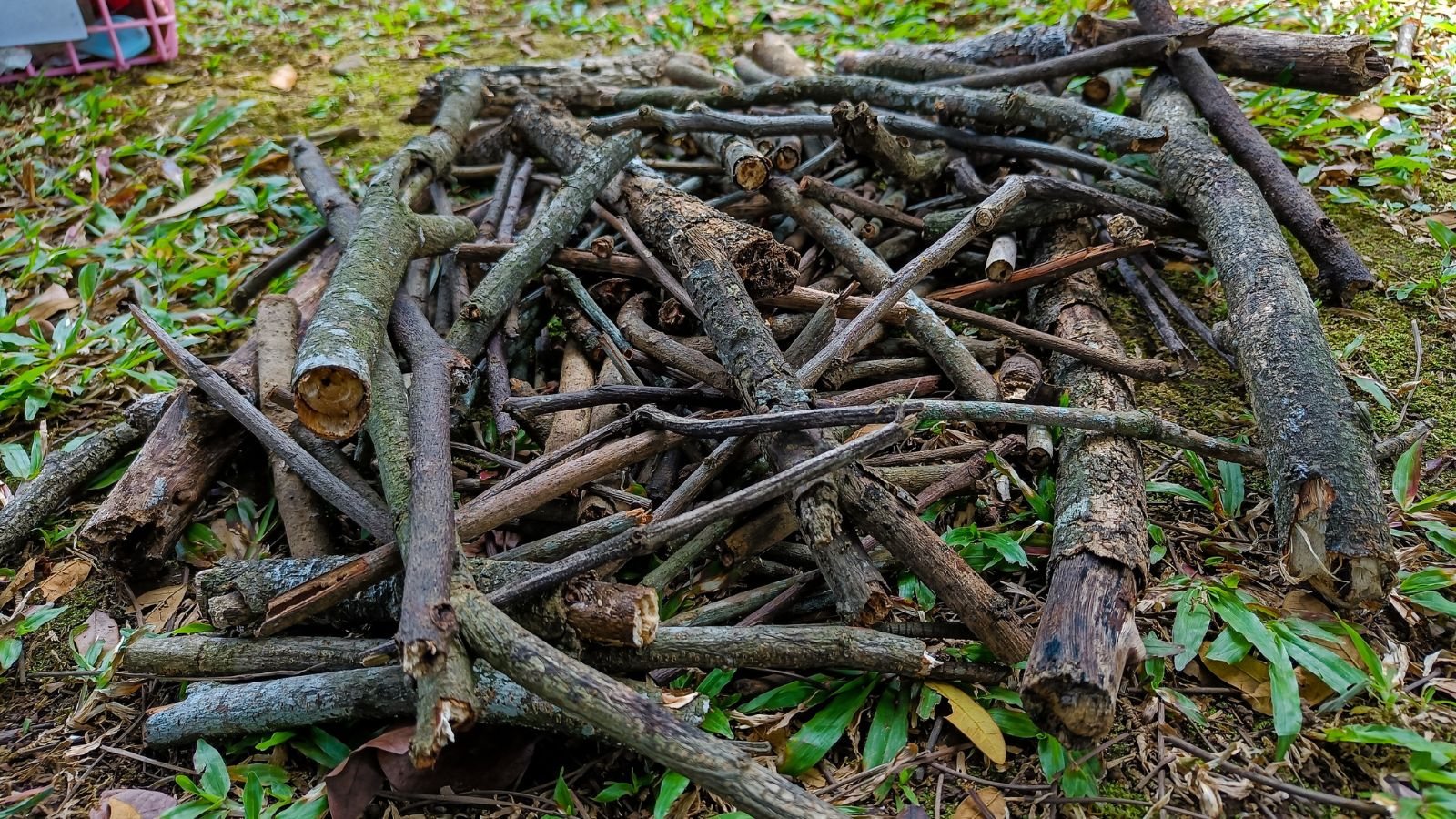
To go the extra mile for garden wildlife, stack branches, logs, and woody debris in an out-of-the-way corner to create shelter for beneficial insects and small mammals. This type of habitat is increasingly rare in landscapes but crucial for many species.
Place larger logs on the bottom and layer smaller branches on top. The gaps and crevices create different-sized spaces that various creatures can use. These structures take years to fully decompose, providing long-term habitat while slowly returning nutrients to the soil.
Add to the pile gradually as you prune trees and shrubs. The irregular structure created by adding material over time creates a more varied habitat.
Limit Cleanup
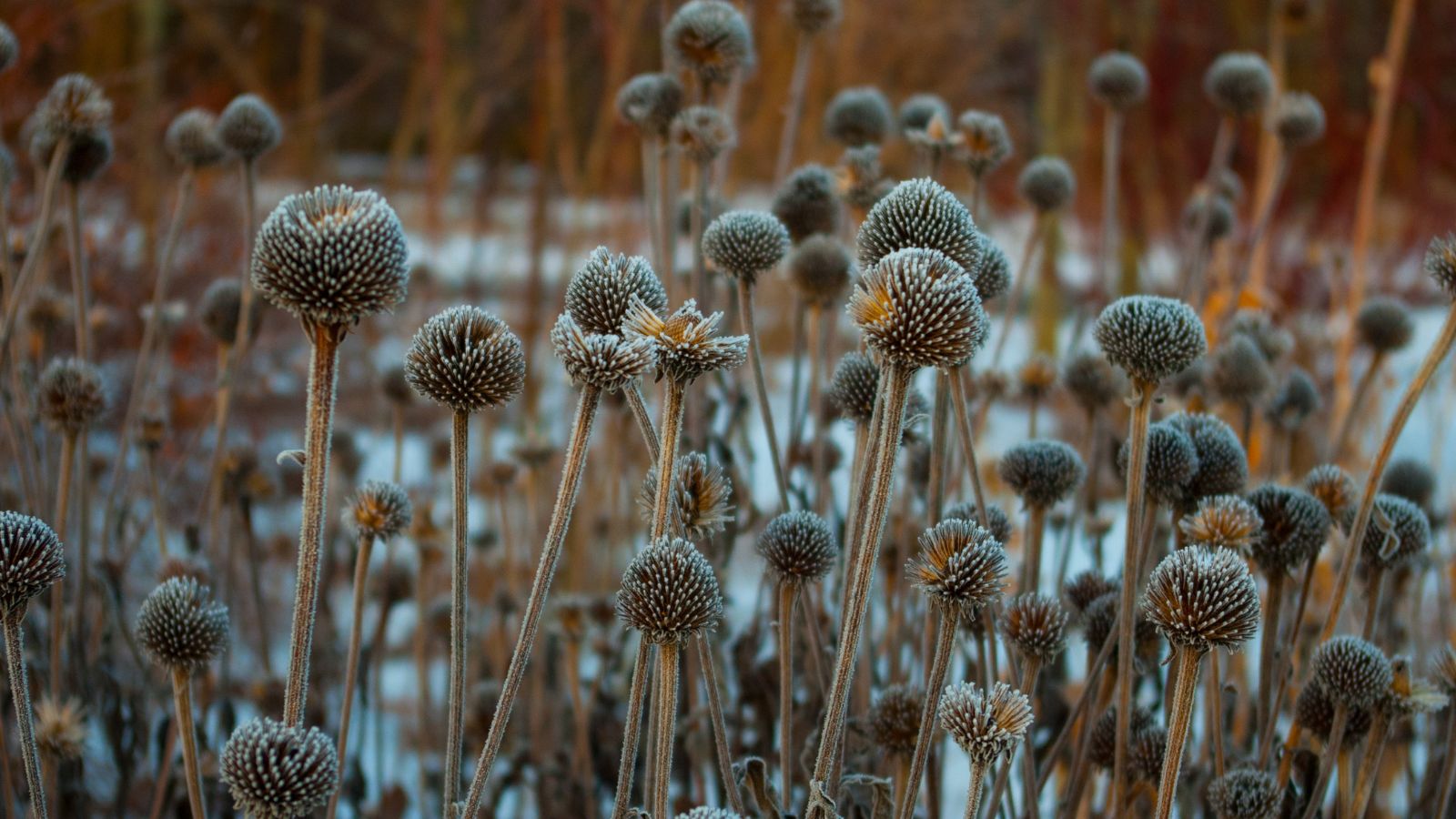
Leave seed heads standing on perennials and ornamental grasses through winter. These provide food for birds and architectural interest in the winter garden. And I promise that watching birds feed on coneflower and black-eyed Susan seeds makes up for any perceived untidiness.
Keep hollow stems standing, since many native bees overwinter inside them. Cut them back in late spring, not in fall when you’d be destroying their winter homes.
Don’t remove all plant debris from beds. Some debris is actually beneficial, as it provides wildlife habitat and breaks down into nutrients. The only plant material that should definitely be removed is anything showing signs of serious disease. Leaves with powdery mildew, stems with cankers, or plants infected with wilt diseases should go in the trash to prevent problems next year.
Check for Pests and Diseases
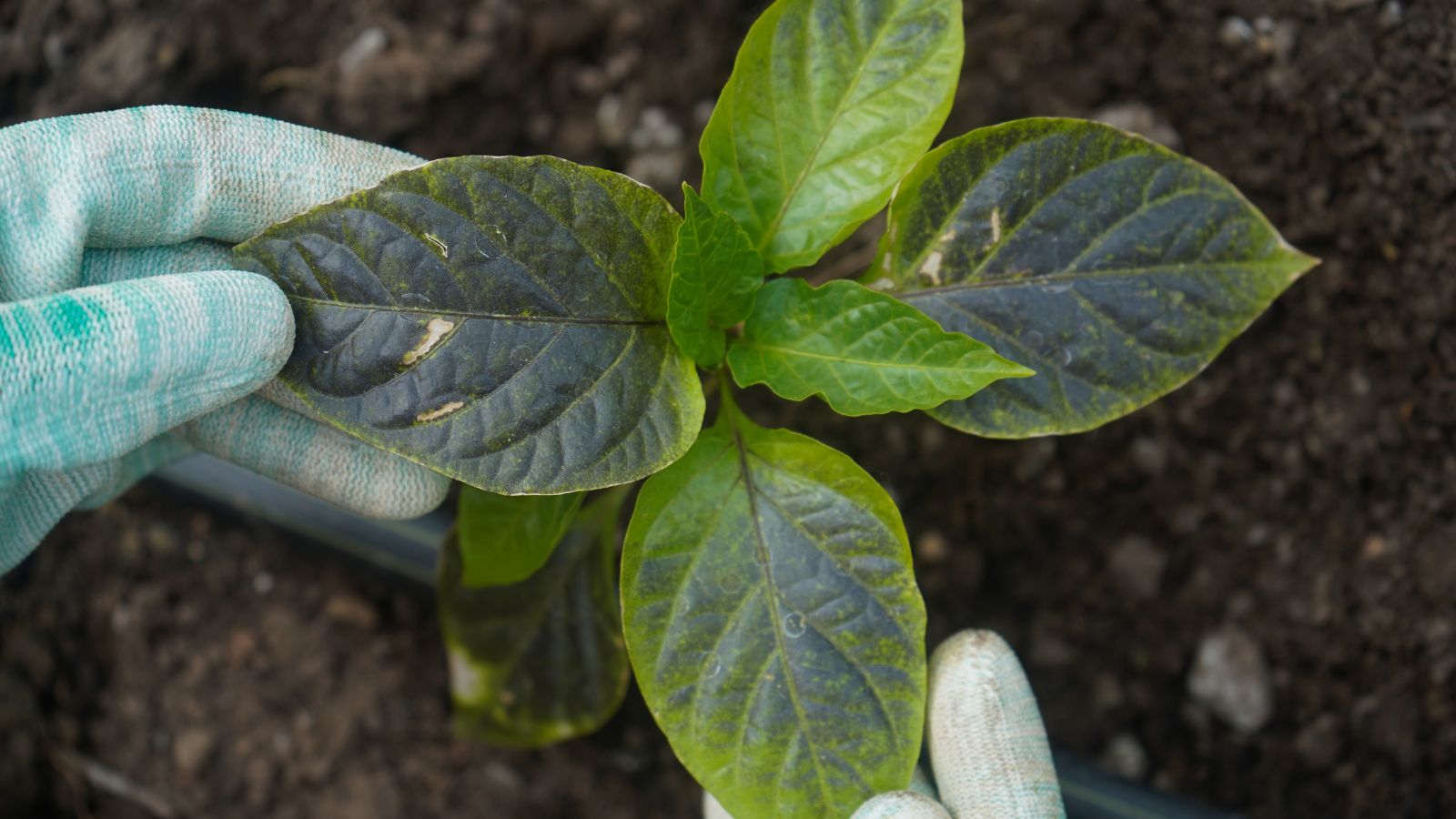
The final November garden task is to walk through the garden looking for obvious problems that need addressing before spring.
Check tree trunks for damage from wildlife. Wrap vulnerable young trees with cloth or tree guards if you’re seeing signs of issues. Prevention is easier than dealing with damage after it happens.
Look for signs of borers or other wood-boring insects in stressed trees. Holes in bark, sawdust around the base, or dying branches might indicate problems that need professional attention.
Inspect perennials for crown rot or other issues that should be addressed before dormancy. Divisions of healthy plants can be shared or moved, while diseased sections should be removed completely.


